Pruning
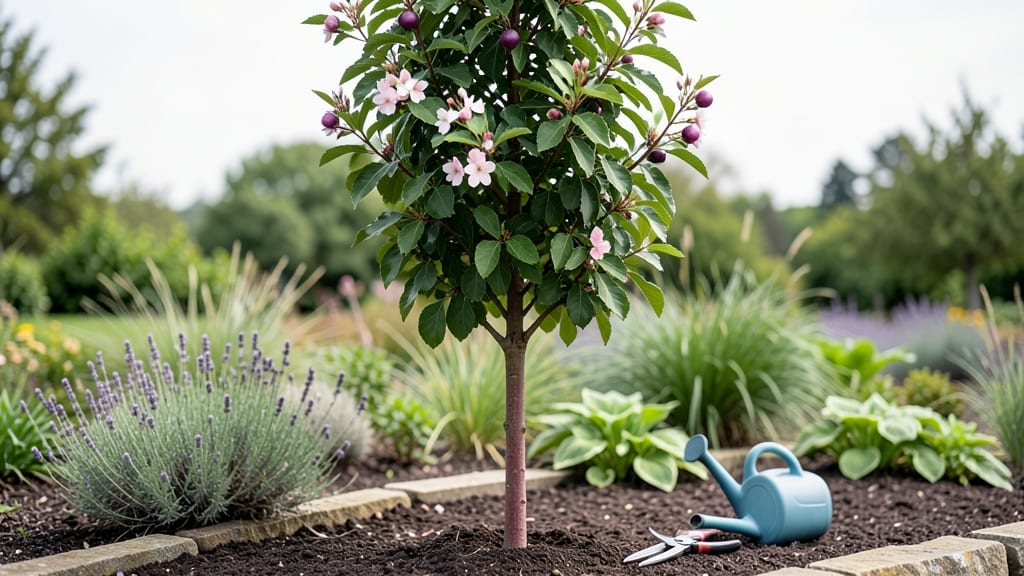
Columnar plum trees are the game-changers for small yards and urban gardens—packing all the fruit of a full-sized tree into a space no wider than a mailbox. 🌱 I planted mine last spring, and now it’s loaded with plums while taking up less than 2 feet of my patio.
The secret lies in choosing the right variety for your climate and giving it the proper care from day one.
You’ll need well-draining soil, full sun (at least 6 hours daily), and a spot sheltered from strong winds. Dwarf columnar varieties like ‘Columnar Santa Rosa’ or ‘Columnar Stanley’ thrive in zones 5-9, but check your local nursery for cold-hardy options if you’re in a colder region.
Planting in early spring or fall gives roots time to establish before extreme weather hits.
Once established, these trees need minimal pruning—just a light trim in late winter to remove dead wood and shape the top. Water deeply once a week during dry spells, and fertilize lightly in early spring with a balanced fruit-tree formula.
The payoff? Juicy plums within 2-3 years, with far less maintenance than traditional trees.
Watch for common issues like plum curculio beetles or silver leaf disease, but proactive care keeps them at bay. Harvest when fruit is fully colored and slightly soft to the touch. With the right approach, your columnar plum could become the most productive—and space-efficient—tree in the neighborhood.
📚 In This Guide
- What you need
- Instructions
- Tips and common mistakes
- Wrapping up and next steps
What you need
- ● Columnar plum tree sapling: 1–2 dwarf or columnar varieties (e.g., Prunus salicina ‘Bonanza’ or ‘Fruitful’ series)
- ● Age: 1–3 years old (younger trees adapt faster)
- ● Soil amendments (per planting hole): 5–10 lbs compost or well-rotted manure
- ● 1 cup slow-release fertilizer (10-10-10 or organic option)
- ● 1 tbsp lime (if soil is acidic; test first!)
- ● Planting supplies: 1 garden trowel or spade
- ● 1 watering can (2–3 gallons) or hose with gentle nozzle
- ● 1 mulch (3–4 inches of shredded bark or straw)
- ● Pruning tools: 1 bypass pruners (for small branches, <$20)
- ● 1 pruning saw (for thicker stems, if needed)
- ● 1 rubbing alcohol or bleach solution (to sterilize tools)
- ○ Support structures (optional but helpful): 1–2 tree stakes (4–6 ft tall) or bamboo canes
- ● Soft garden twine (for tying young trees)
- ● Safety gear: 1 pair gloves (cut-resistant for pruning)
- ● 1 long-sleeve shirt (to avoid thorn pricks!)
- ● Location: Full sun (6+ hours/day)
- ● Well-draining soil (amend clay soil with sand)
- ● Timing: Plant in early spring or fall (avoid extreme heat/cold)
- ● Prune in late winter (before buds swell) or summer (after harvest)
- ● Knowledge: Basic understanding of columnar tree structure (or willingness to learn!)
- ● Local climate zone (USDA Hardiness Zone 5–9 for most varieties)
Step-by-step instructions for planting and caring for columnar plum trees
Here's how to grow these space-saving fruit trees with minimal fuss.
🪴 Step 1: Choose the Perfect Planting Spot
Columnar plum trees thrive in full sun—at least 6-8 hours daily—so pick a location with southern or western exposure. Avoid spots where they'll be shaded by buildings or taller trees after noon. The soil should drain well; if yours is heavy clay, amend with 3-4 inches of compost mixed into the top 12 inches of soil.
Dig a hole twice as wide as the root ball but only as deep as the container. Loosen the sides of the hole with a shovel to encourage root spread. Here's the thing—columnar trees grow narrow but deep roots, so avoid planting too deep. The top of the root ball should sit 1 inch above ground level to prevent waterlogging.
🌱 Step 2: Plant with Care and Support
Remove the tree from its container and gently tease the roots if they're circling. Place it in the hole so the graft union (the bulge near the base) is 2-3 inches above soil level—this prevents rot and ensures strong growth. Backfill with native soil mixed with 1-2 gallons of compost, tamping lightly as you go to remove air pockets.
Water deeply right after planting to settle the soil and eliminate air gaps. Add a 4-foot tall stake next to the tree and secure it with 2-3 flexible ties to prevent wind rock. Columnar trees are top-heavy, so staking is non-negotiable for the first year. Mulch with 2-3 inches of shredded bark around the base, keeping it 6 inches away from the trunk to prevent rot.
☀️ Step 3: Water and Feed for Strong Growth
Water deeply once a week for the first month, then taper to every 10-14 days once established—columnar plums hate soggy roots. Check soil moisture by sticking your finger 2 inches deep; if it's dry, water until moisture reaches 6 inches down. Avoid overhead watering after planting to prevent fungal diseases.
Fertilize lightly in early spring with a balanced 10-10-10 formula (about ½ cup per tree). Columnar trees are dwarfed but still need nutrients. Skip heavy feeding—they're prone to overgrowth, which can weaken the structure. Prune only to remove dead wood or crossing branches in late winter, using clean, sharp shears to avoid tearing bark.
✂️ Step 4: Prune and Maintain for Fruit Production
Columnar plums produce fruit on new wood, so avoid heavy pruning. Remove only suckers (shoots growing from the base) and water sprouts (vertical shoots from the trunk). Thin fruit clusters to 6-8 plums per branch in early summer to ensure larger, sweeter fruit. Real talk—overcrowded fruit leads to small, tart plums.
Watch for silver leaf disease (a fungal infection causing silvery leaves) or plum curculio (tiny weevils that scar fruit). Treat with copper fungicide or neem oil spray as needed. Harvest when fruit is fully colored and slightly soft to the touch, usually late summer to early fall. Columnar trees bear fruit 2-3 years after planting, so patience pays off.
Tips & tricks for perfect columnar plum trees
Here's what nobody tells you about growing these space-efficient fruit trees the right way.
Sunlight Strategy: That 6-8 hours of daily sun is non-negotiable—columnar plums need direct sunlight to produce fruit. I've seen trees in partial shade produce tiny, sour plums. If your yard only gets 4-5 hours of sun, consider a south-facing wall that reflects extra light onto the tree during the afternoon.
Root Ball Placement: The 1-inch elevation above ground level for the root ball is critical—it prevents waterlogging that can rot the roots. I learned this the hard way after losing two trees planted too deep. Use a level to check before backfilling, and never mound soil against the trunk after planting.
Staking System: Those 4-foot stakes and 2-3 flexible ties aren't just for show—they're essential for the first year. Columnar trees grow top-heavy quickly, and without support, strong winds can snap the trunk. I recommend using soft tree ties that won't cut into the bark as the tree grows.
Watering Wisdom: The deep watering routine (6 inches down) is more important than you might think. I've seen many gardeners water lightly every day, which actually encourages shallow root growth. Water deeply but less frequently—this forces roots to grow deeper for stability and drought resistance.
Pro Tips for Columnar Plum Tree
- Here's what nobody tells you about growing these space-efficient fruit trees the right way.
- Sunlight Strategy: That 6-8 hours of daily sun is non-negotiable—columnar plums need direct sunlight to produce fruit.
- Root Ball Placement: The 1-inch elevation above ground level for the root ball is critical—it prevents waterlogging that can rot the roots.
Frequently asked questions
Got questions about growing a columnar plum tree?
Here are some of the most common ones—plus straightforward answers to help you master vertical fruit-growing like a pro!
How tall can a columnar plum tree grow?
A columnar plum tree typically reaches 8–12 feet tall but stays only 2–3 feet wide, making it perfect for small gardens or urban spaces. Some dwarf varieties may max out at 6–8 feet. Prune annually to control height and encourage fruit production.
When is the best time to plant a columnar plum tree?
Plant in early spring or fall when temperatures are mild (50–70°F). Avoid extreme heat or frost, which can stress young roots. If planting in containers, use well-draining soil and ensure the pot has drainage holes to prevent root rot.
How do I ensure my columnar plum tree produces fruit?
Columnar plum trees need cross-pollination—plant a second variety within 50 feet for best results. Prune in late winter to remove dead wood and thin crowded branches. Fertilize in early spring with a balanced 10-10-10 formula for optimal growth.
Can I prune a columnar plum tree like a regular plum tree?
No! Columnar plums are semi-dwarf and require minimal pruning—focus on removing only dead, diseased, or crossing branches. Avoid heavy pruning, which can damage the tree’s vertical structure. Use sharp shears and sanitize them with rubbing alcohol between cuts.
What climate is best for growing columnar plum trees?
Columnar plum trees thrive in USDA Zones 5–9, needing full sun (6+ hours daily) and well-draining soil. They tolerate light frost but may struggle in extreme heat or humidity. If you live in a hot climate, provide afternoon shade to prevent sunburn on fruit.
Wrapping up and next steps
Growing a columnar plum tree is a rewarding way to enjoy fresh fruit while maximizing your garden’s vertical potential! With the right pruning techniques, soil prep, and a little patience, you’ll soon have a stunning, space-saving tree that produces delicious plums year after year. 🌳✨
Ready to take the next step? Start by selecting your ideal variety and planting location—then watch your columnar plum thrive! For extra tips, join gardening communities or consult local nurseries for expert advice tailored to your climate.