Pruning
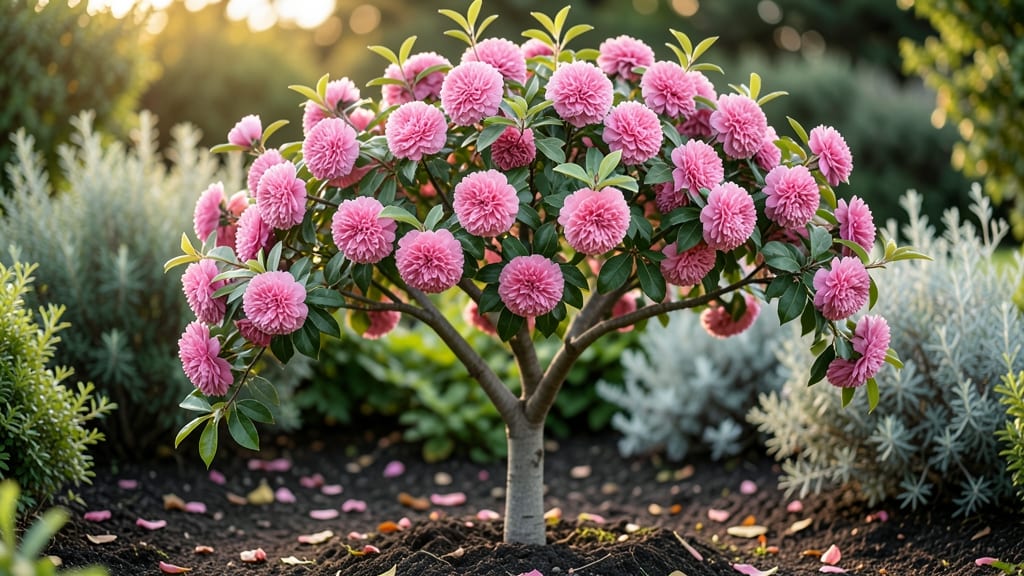
The Corinthian Pink Double Flowering Peach Tree transforms your Pacific Northwest garden into a cloud of blush-pink petals every spring. 🌸 I planted mine three years ago after falling in love with its dramatic double blooms—though it never bears fruit, the sheer volume of flowers makes it worth every pruning session.
This isn’t your average peach tree; it’s a showstopper that thrives with the right care, especially in our damp, mild climate.
Pruning isn’t just about shaping—it’s about encouraging those vibrant, repeat blooms year after year. The key is three strategic cuts: one in late winter to open the canopy, a light summer trim to prevent congestion, and a final cleanup before winter’s chill.
Most gardeners over-prune, which stresses the tree, but this method keeps it lush and flowering without sacrificing next season’s display. Even in rainy PNW winters, the branches stay sturdy when pruned correctly.
By summer’s end, you’ll have a tree so dense with blossoms it looks like a pink waterfall. The secret? Pruning at the right time—never after late June, when next year’s flower buds form.
With proper care, this tree becomes the centerpiece of your garden, drawing hummingbirds and admirers alike. The payoff is worth the effort, especially when neighbors ask how you got such a stunning specimen.
Works beautifully in sunny spots (at least 6 hours of light daily) and handles our region’s mild winters better than most peach varieties. The only trade-off?
You’ll never eat its fruit—but who needs fruit when you’ve got this much floral drama? Let’s get those shears ready for your first pruning session.
📚 In This Guide
- What you need
- Instructions
- Tips and common mistakes
- Wrapping up and next steps
What you need
- ● Pruning shears: Bypass pruners (sharp, clean, and sterilized with rubbing alcohol or bleach to prevent disease). Quantity: 1 pair.
- ● Loppers: For thicker branches (1.5–2 inches in diameter). Quantity: 1 pair.
- ● Pruning saw: For branches too large for loppers (2–3 inches or thicker). Quantity: 1.
- ● Gloves: Heavy-duty gardening gloves (cut-resistant for safety). Quantity: 1 pair.
- ● Disinfectant: 1-part bleach to 9 parts water (for sterilizing tools between cuts).
- ○ Pruning sealant: Optional but recommended for large cuts (to prevent sap bleeding and pests). Quantity: Small bottle.
- ● Ladder or step stool: If your tree is tall (6+ feet). Quantity: 1.
- ● Trash bags: For collecting pruned branches. Quantity: 2–3.
- ● Notebook & pencil: To sketch your pruning plan or mark cuts.
- ● Handheld leaf blower: For clearing debris after pruning.
- ● Tree pruning rope: To stabilize branches during heavy cuts.
- ● Magnifying glass: For inspecting buds and small details.
- ● Pruning paint: To mark future cuts or highlight areas to monitor.
Step-by-Step year-round pruning for your Corinthian Pink double flowering peach tree
Here's how to keep your tree thriving—and blooming—through Pacific Northwest's unique climate.
✂️ Step 1: Late Winter Pruning (Before Bud Break)
Wait until late February or early March when the tree is still dormant but frost has passed. You'll know it's time when the buds begin swelling but haven't yet opened. This timing prevents late-season frost damage to fresh cuts.
Remove dead, diseased, or crossing branches first—cut back to the branch collar where the branch meets the trunk. I always make cuts at a 45-degree angle about ¼ inch above an outward-facing bud. This encourages proper healing and future growth direction.
Open the center of the tree by removing up to 25% of the oldest wood to improve airflow and sunlight penetration. Your goal is to create an open vase shape that lets light reach all branches. Avoid heavy pruning—this tree blooms on one-year-old wood, so aggressive cuts reduce next year's flowers.
🌿 Step 2: Post-Bloom Summer Pruning (June-July)
After the first flush of blooms fades (around mid-June), focus on shaping and maintaining the tree. This is when you can safely remove any suckers that emerge at the base—cut them off at the ground level immediately. These compete with your main tree for nutrients.
Look for water sprouts—those fast-growing vertical shoots with no leaves. These steal energy from flowering. Snip them off at their base. Thin out crowded branches by removing every other branch when two grow too close together. This prevents future rubbing that damages bark.
I also check for dieback—branches that died back last winter but didn't get removed. Cut these back to healthy wood. The key here is light maintenance—don't overdo it, or you'll stress the tree when it's already producing fruit and flowers.
☀️ Step 3: Late Summer Preparation (August-September)
By mid-August, your tree should be entering its growth slowdown. This is when you prepare for winter by thinning the canopy one last time. Remove any branches that are rubbing against each other—these will create wounds that invite disease.
Look for weak, spindly growth that developed this season. These branches rarely produce good blooms. Cut them back to a strong lateral branch or bud. The goal is to balance growth—you want sturdy branches that can support next year's flowers without breaking.
Here's the thing—don't prune after September. New growth at this stage won't harden off properly before winter. Instead, focus on cleaning up—remove all fallen leaves and debris from around the base to prevent fungal diseases from overwintering.
⏰ Step 4: Winter Maintenance (December-February)
During winter dormancy, your main task is monitoring. Check for winter burn—brown edges on leaves caused by cold winds. This isn't a reason to prune, but it tells you to protect the tree better next year with windbreaks or anti-desiccant spray if needed.
Remove any dead wood that appears after storms. Cut back to healthy tissue, but avoid heavy pruning—this tree needs all its energy reserves for spring growth. I also check for mouse damage—they love peach tree bark. If you see gnaw marks, wrap the trunk with tree guard to protect it.
This is also when I plan next year's shape. Sketch a rough outline of where you want branches to go. The Corinthian Pink blooms spectacularly when it has good light penetration—so think "open center" rather than a dense canopy.
Tips & tricks for pruning your Corinthian Pink double flowering peach tree
Took me years to perfect these pruning tricks—here's how to keep your tree blooming like a Pacific Northwest dream.
Timing is Everything: The late February to early March window for Step 1 is critical because it lets your tree heal before spring growth begins. I've seen bud break ruined when pruning too early—wait until those buds start swelling but haven't opened yet. This timing also prevents late frost damage to fresh cuts, which is especially important in our unpredictable PNW climate.
Angle Matters: When making those 45-degree cuts in Step 1, visualize the bud you're targeting—it should be just above your cut line. I always test my pruners first on a scrap branch to get the right angle. This technique promotes faster healing and directs new growth in the direction you want, which is crucial for maintaining that open vase shape.
Seasonal Maintenance Strategy: During Step 2's mid-June pruning, I make it a habit to remove every other crowded branch rather than just a few. This might seem aggressive, but it prevents future rubbing damage that can invite disease. Remember, this tree blooms on one-year-old wood, so we're not just pruning for shape—we're preserving next year's flowers.
Winter Protection: In Step 4, if you notice winter burn on your tree's edges, don't prune those damaged areas—it's already stressed. Instead, protect it for next year with windbreaks or anti-desiccant spray. I've seen trees recover beautifully when given this extra care during dormancy, especially in our windy coastal areas.
Pro Tips for Corinthian Pink Double Flowering Peach Tree
- Took me years to perfect these pruning tricks—here's how to keep your tree blooming like a Pacific Northwest dream.
- Timing is Everything: The late February to early March window for Step 1 is critical because it lets your tree heal b...
- Angle Matters: When making those 45-degree cuts in Step 1, visualize the bud you're targeting—it should be just above...
Frequently asked questions
When is the best time to prune my Corinthian Pink Double Flowering Peach Tree?
Prune your tree twice a year for optimal blooms: late winter (before buds swell) to shape and remove dead wood, and immediately after flowering (late spring) to encourage next year’s blooms. Avoid heavy pruning in fall—it stresses the tree in PNW’s damp climate.
How do I protect my tree from frost or cold snaps in the Pacific Northwest?
Young trees or late-season blooms may need protection. Wrap the trunk with burlap or tree guard in winter, and use frost cloth over blossoms if temps drop below 28°F. Mulch the base with 3–4 inches of wood chips to insulate roots. Mature trees (10+ years) usually handle PNW winters well!
Will my tree produce edible peaches, or is it purely ornamental?
This variety is ornamental only—its double pink blooms are its star feature, not fruit. If you crave peaches, look for Elberta or Redhaven cultivars. The Corinthian Pink’s fragrant, showy flowers make it a top pick for gardens, patios, and even urban landscapes!
What’s the right way to trim back overgrown branches without harming the tree?
Use clean, sharp pruners and cut just above a bud or branch collar (the swollen area where leaves/branches meet). Remove no more than 25% of the canopy per year. For thick branches, make a small notch on the underside first to prevent tearing. Seal large cuts (2"+) with pruning sealant to prevent disease.
Why are my leaves yellowing or dropping early?
Yellowing leaves often signal overwatering, nutrient deficiency, or pests. Check soil moisture (it should be damp but not soggy) and fertilize in early spring with balanced 10-10-10. Inspect for aphids or spider mites (common in PNW). If roots are waterlogged, improve drainage with compost or sand.
Can I grow this tree in a container, or does it need to be planted in the ground?
While possible, containers limit root growth and may stunt blooms. If you must pot it, use a 50-gallon+ container with drainage holes and repot every 2–3 years. Ensure it gets 6+ hours of sun daily and winterize indoors (or in a garage) if temps drop below 10°F. Ground planting is ideal for long-term health!
Wrapping up and next steps
The Corinthian Pink Double Flowering Peach Tree is a stunning addition to your Pacific Northwest garden, offering year-round beauty with its vibrant blooms and lush foliage. By mastering season-specific pruning, you’ll ensure healthy growth, abundant flowers, and a tree that thrives in your climate.
Now that you’re equipped with the right tools, techniques, and answers to common questions, it’s time to roll up your sleeves and give your tree the care it deserves!
🌱 Next step: Grab your pruners, mark your calendar for seasonal pruning sessions, and watch your tree flourish into a breathtaking centerpiece. Happy gardening!