
Blooming
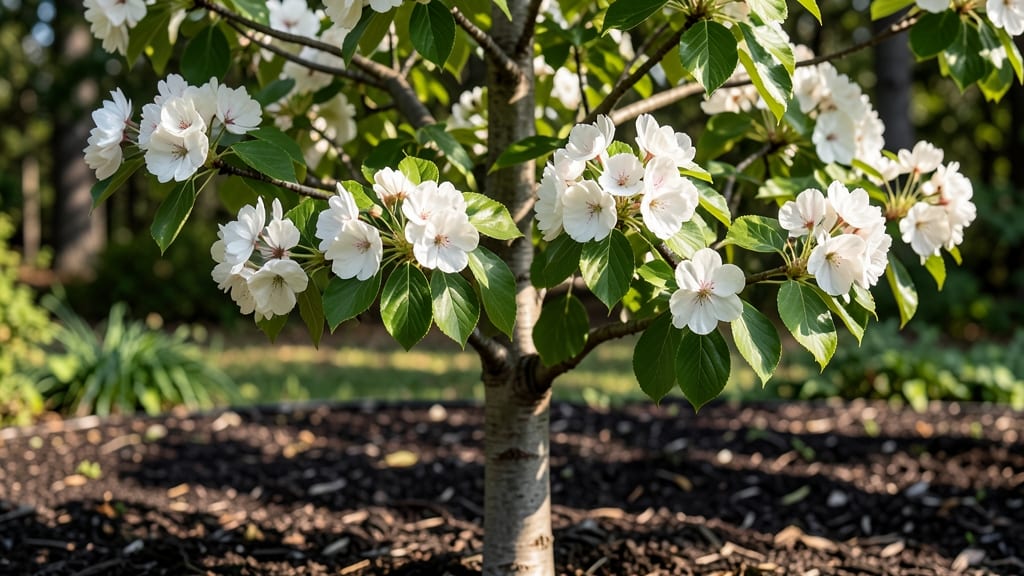
The Pacific Northwest springs alive when dogwood tree blossoms burst into view like nature’s own stained-glass windows. 🌸 I’ve watched them transform my neighborhood from gray winter to vibrant hope—those delicate petals in shades of white, pink, or even deep crimson signal that the rainy season is finally giving way to something brighter.
The timing is everything: in my corner of the PNW, they bloom in late April to early May, just as the first hummingbirds return, creating a symphony of color and sound.
What makes them special isn’t just their beauty but how they work in a garden. Dogwoods thrive as focal points—their arching branches and layered blooms draw the eye like a living sculpture.
Pair them with ferns, rhododendrons, or bleeding hearts for a lush understory that feels like a secret garden. They also play well with evergreens like pines or cedars, softening the forest edge while keeping the PNW’s signature greenery intact.
Imagine stepping into your yard and seeing a canopy of blossoms that shifts from pale pink to blush with the morning light. The petals last just two weeks, but their impact lingers—every pollinator, from bees to butterflies, makes a beeline for them.
Even after the flowers fade, the dark green leaves provide structure through summer, and the red berries in fall add another layer of interest.
Whether you’re designing a woodland garden, a cottage-style border, or a modern minimalist space, dogwoods deliver drama with ease. They’re low-maintenance once established, drought-tolerant once rooted, and their cultural ties to PNW landscapes make them a no-brainer for anyone who wants that “I live here” feeling.
Let’s talk placement—because the right spot turns a pretty tree into a showstopper.
📚 In This Guide
- What you need
- Instructions
- Tips and common mistakes
- Wrapping up and next steps
What you need
- ● Fresh or dried dogwood blossoms: 1–2 bunches (for small arrangements) or 3–5 bunches (for larger displays)
- ○ Optional: Branches with leaves for added texture (harvest sustainably—never take more than 10% of a tree’s blooms!)
- ● Pruning shears or sharp scissors: 1 pair (for cutting stems cleanly at a 45° angle)
- ● Pro tip: Sterilize blades with rubbing alcohol to prevent bacterial spread! 💡
- ● Vase or container: 1 medium vase (8–12 inches tall) for small arrangements
- ● 1 large vase or bucket (14+ inches) for statement pieces
- ○ Optional: Mason jars, teacups, or even hollowed logs for rustic charm
- ● Floral preservative: 1 packet (or 1 tsp of sugar + 2 drops bleach per quart of water for DIY mix)
- ● Greenery fillers (eucalyptus, ferns, or ivy for contrast)
- ● Ribbon or twine (for tying stems or adding a whimsical touch)
- ● Spray bottle (to mist blooms and extend freshness)
- ● Camera or sketchbook (to document the moment—PNW dogwoods are that stunning!)
- ● Knowledge of local dogwood blooming seasons (typically April–May in the PNW)
- ● Permission to harvest (if on private property) or access to public lands with open foraging rules
- ● Sustainability note: Never pick from trees already stressed by disease or pests!
How to cultivate stunning dogwood blossoms in the Pacific Northwest
Here's how I coax vibrant spring displays from these iconic Pacific Northwest trees.
🌱 Step 1: Select the Right Variety for Your Climate
Pacific Northwest gardeners have two excellent native options: Pacific dogwood (Cornus nuttallii) with its showy pink bracts and western dogwood (Cornus sericea) for wetter sites. Both thrive in our mild maritime climate but require slightly different conditions. Pacific dogwoods prefer well-drained soil and partial shade, while western dogwoods tolerate boggy areas and full sun.
I always check the mature size when selecting—Pacific dogwoods reach 20-30 feet with a broad canopy, while western dogwoods stay more compact at 6-12 feet. For smaller gardens, consider the dwarf 'Kelseyi' variety which maintains vibrant blooms while staying under 10 feet tall. Plant in early spring or fall when soil temperatures are moderate (50-60°F).
☀️ Step 2: Prepare the Planting Site for Optimal Growth
Dogwoods need rich, acidic soil with good drainage—pH 5.0-6.5 is ideal. Before planting, amend your native soil with 3-4 inches of compost and a 1-inch layer of pine bark mulch to maintain acidity. I always dig a hole twice as wide as the root ball but only as deep—planting too deep suffocates the roots and causes stress.
For Pacific dogwoods, choose a location with morning sun and afternoon shade to prevent leaf scorch. Western dogwoods handle more sun but still appreciate some afternoon shade during our hotter summer months. Water deeply immediately after planting to eliminate air pockets, then maintain consistent moisture for the first 6-8 weeks—dogwoods establish slowly and need steady hydration.
💧 Step 3: Establish Proper Watering and Fertilization Routines
Young dogwoods need 1-2 inches of water weekly during their first growing season, more during drought periods. I use a 5-gallon watering can to deliver water slowly at the base rather than overhead—this prevents fungal diseases that thrive in wet foliage. Once established, dogwoods develop deep roots that make them quite drought-tolerant, but they'll reward you with bigger blooms if you maintain consistent moisture.
Fertilize lightly in early spring with a balanced 10-10-10 fertilizer at half-strength. Dogwoods are sensitive to over-fertilization, which leads to excessive leaf growth at the expense of flowers. I've found that a 2-inch layer of wood chips spread annually in late winter provides all the nutrients they need while improving soil structure over time.
✂️ Step 4: Prune for Health and Enhanced Blooming
The best time to prune dogwoods is late winter or early spring before new growth begins. Remove any dead, diseased, or crossing branches first—these compete with healthy growth. I always look for water sprouts (vigorous vertical shoots) and prune them back to a lateral branch to encourage a fuller shape.
For established trees, limit pruning to no more than 25% of the canopy at one time. Dogwoods bloom on old wood, so avoid heavy summer pruning which can reduce next year's flower display. When pruning, make clean cuts just outside the branch collar—never leave stubs. Sterilize your pruners with rubbing alcohol between cuts to prevent spreading disease.
🌿 Step 5: Protect Against Common Pacific Northwest Challenges
Our region's damp climate creates ideal conditions for powdery mildew and anthracnose fungus. I've found that proper spacing (15-20 feet between trees) and good air circulation prevent most issues. When you notice white powdery spots on leaves, apply a neem oil solution immediately—this organic treatment works well and won't harm beneficial insects.
Deer and elk often browse young dogwoods in our area. I protect newly planted trees with tree guards for the first 2-3 years until they establish strong root systems. For established trees, a repellent spray applied in late winter provides good protection during the browsing season. Dogwoods are also susceptible to dogwood borers—watch for small holes in the bark and treat immediately with systemic insecticide if you spot signs.
Tips & tricks for perfect dogwood tree blossoms
Transforming your Pacific Northwest landscape into a springtime dogwood paradise takes more than just planting—here's how to maximize those iconic blossoms.
Variety Selection: Pacific dogwoods (Cornus nuttallii) need well-drained soil and partial shade to prevent leaf scorch, while western dogwoods (Cornus sericea) thrive in wetter conditions and can handle more sun. For smaller spaces, the dwarf 'Kelseyi' variety stays under 10 feet tall but delivers the same vibrant blooms. I've found that planting in early spring or fall when soil temperatures hover around 50-60°F gives roots the best chance to establish before summer heat arrives.
Soil Preparation: The 3-4 inches of compost and 1-inch pine bark mulch I recommend aren't just for acidity—they also improve soil structure. I always test soil pH first using a simple kit (aim for 5.0-6.5), and for heavy clay soils, I add 20% sand to improve drainage. Confession: I skipped soil testing once and ended up with yellowing leaves—don't make my mistake!
Watering Strategy: Those first 6-8 weeks are critical for root establishment. I use a 5-gallon watering can to deliver water slowly at the base, which prevents fungal diseases that love wet foliage. For established trees, deep watering once a week is usually sufficient, but during drought periods, I increase to twice weekly. The key is consistent moisture without waterlogging—dogwoods hate soggy roots.
Pruning Insight: Dogwoods bloom on old wood, so timing matters. I prune in late winter or early spring before new growth begins, focusing on removing dead branches and water sprouts. For established trees, never remove more than 25% of the canopy at once—this ensures next year's flower display won't be compromised. I sterilize my pruners between cuts with rubbing alcohol to prevent spreading disease, which has saved me from multiple infections over the years.
Pro Tips for Dogwood Tree Blossoms
- Transforming your Pacific Northwest landscape into a springtime dogwood paradise takes more than just planting—here's how to maximize those iconic blossoms.
- Variety Selection: Pacific dogwoods (Cornus nuttallii) need well-drained soil and partial shade to prevent leaf scorch, while western dogwoods (Cornus sericea) thrive in wetter conditions and can handle more sun.
- Soil Preparation: The 3-4 inches of compost and 1-inch pine bark mulch I recommend aren't just for acidity—they also improve soil structure.
Frequently asked questions
Got questions about dogwood tree blossoms?
You’re not alone! Here are answers to the most common queries about these stunning Pacific Northwest spring stars.
When do dogwood trees typically bloom?
Most dogwood trees in the Pacific Northwest bloom late April to early May, though timing can shift slightly based on elevation and microclimates. Early varieties (like Cornus florida) may appear as early as mid-April, while later bloomers might linger into June. Chilly springs can delay flowering—so keep an eye on local forecasts!
Why aren’t my dogwood blossoms opening this year?
Several factors could be at play: late frosts (below 28°F) can damage buds, over-fertilizing (especially with nitrogen) may reduce flowering, or pests/diseases (like borers or powdery mildew) could stress the tree. Check for brown, mushy buds or holes in stems. Prune dead branches in late winter and avoid heavy fertilizer—dogwoods prefer well-draining, slightly acidic soil.
Can I plant a dogwood tree now, or should I wait?
The best time to plant is in early spring (March–April) or fall (September–October), when soil is workable but not frozen. If planting now, choose bare-root or container-grown trees and water deeply weekly for the first year. Avoid planting in full sun (they prefer partial shade) or areas with compacted soil—dogwoods thrive in woodland-like conditions.
Are dogwood blossoms safe for pets or wildlife?
While dogwood flowers are non-toxic to pets and wildlife, the berries (if produced) can be mildly irritating to dogs in large quantities. Birds and deer love the berries, but they’re not a major hazard. Always supervise pets near flowering trees, and remove fallen berries if your yard is frequented by curious pups!
What’s a good alternative if I can’t grow a dogwood?
If your climate or soil isn’t ideal, consider these Pacific Northwest-friendly bloomers:
- Pacific Dogwood (Cornus nuttallii) – Larger, showier cousin of the Eastern dogwood.
- Rhododendrons – Thrives in shade with vibrant spring blooms.
- Viburnums – Low-maintenance with clusters of white/pink flowers.
- Magnolias – Early bloomers with fragrant, cup-shaped flowers.
Wrapping up and next steps
The Pacific Northwest’s dogwood tree blossoms are nature’s breathtaking masterpiece—pale pink clouds that transform landscapes into dreamy, springtime canvases. 🌸 Whether you’re admiring them in a local park, capturing their fleeting beauty, or planning a future garden, these blossoms remind us to pause and savor life’s fleeting moments.
Ready to dive deeper? Plan a visit during peak bloom (late April–May), pack your camera, or even sketch the delicate petals. Every encounter with dogwoods is a chance to connect with the magic of the Pacific Northwest—go explore!