
Pruning
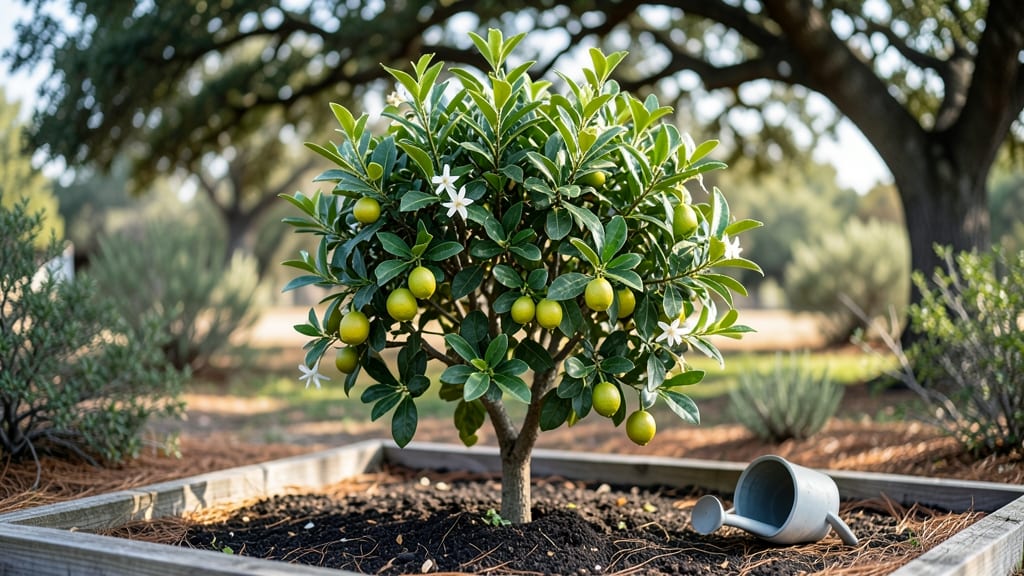
The Eustis limequat tree thrives in Florida’s heat but needs smart pruning to keep producing sweet, tangy fruit year after year. 🌱 I’ve grown mine for three seasons now, and the key is balancing shape, airflow, and fruit load—especially in our humid summers.
The wrong cuts can invite pests or reduce harvests, but the right approach turns this hybrid citrus into a low-maintenance superstar.
Start with a sunny spot—at least 6 hours of direct light daily—and well-draining soil mixed with compost. Florida’s clay-heavy soil? Amend it with sand or pine bark to prevent root rot.
Water deeply 2-3 times a week in summer, then taper off in winter when rains return. Fertilize lightly in spring with citrus-specific food, but skip heavy nitrogen—it’ll give you leaves, not fruit.
Pruning in late winter (before buds swell) is your secret weapon. Cut back 15-20% of old wood to encourage new growth, and thin crowded branches for better airflow—this cuts down on fungal risks like citrus greening.
When harvesting, pick fruit when it’s firm but yielding (usually late fall to early spring), and store it at room temp for up to 2 weeks before using.
Watch for scale insects and aphids—spray with neem oil if you spot them—and avoid overwatering, which invites root rot. With these tweaks, your Eustis limequat will reward you with harvests that last months, not just weeks. Ready to turn pruning day into fruit-picking season?
📚 In This Guide
- What you need
- Instructions
- Tips and common mistakes
- Wrapping up and next steps
What you need
- ● Pruning shears: Bypass pruners (sharp, clean, and sterilized with rubbing alcohol or bleach). Recommended: Felco F-2 or Corona 20300.
- ● Loppers: For thicker branches (1–2 inches in diameter). Size: 20–24 inches.
- ○ Pruning saw: For stubborn, large branches (optional but helpful). Type: Curved blade for clean cuts.
- ● Gloves: Heavy-duty, cut-resistant (e.g., Mechanix or leather gardening gloves).
- ● Disinfectant: 70% isopropyl alcohol or 10% bleach solution (1 part bleach to 9 parts water) to sterilize tools between cuts.
- ○ Sealing wax or pruning paint: (Optional) For larger cuts to prevent disease entry.
- ● Heavy-duty trash bags: For collecting pruned branches (2–3 bags, depending on tree size).
- ● Ladder or step stool: If your tree is taller than 6 feet. Safety first!
- ● Timing: Prune during dormant season (late winter/early spring, before buds swell) for cold-hardy Eustis limequats.
- ● Weather: Choose a dry, calm day (no rain or wind for 24 hours before/after pruning).
- ● Tree health: Inspect for diseased or dead branches (brown, mushy, or oozing sap) before starting.
- ● Safety gear: Long sleeves/pants to protect from thorns or sap.
- ● Local regulations: Check if your area requires permits for large-scale pruning (rare but possible!).
Step-by-step Pacific Northwest pruning for Eustis limequat trees
Master these seasonal cuts to protect your cold-hardy citrus and boost fruit production.
✂️ Step 1: Late Winter Dormant Pruning (February)
Start when temperatures stabilize above 25°F but before buds swell. Remove dead, crossing, or inward-growing branches first—they compete for energy and invite disease. I cut these back to the branch collar (the swollen area where the branch meets the trunk) using clean, sharp pruners. This prevents unsightly stubs that rot over time.
Next, thin the canopy to improve air circulation. Aim for an open center that lets sunlight reach all branches—this prevents fungal issues common in Pacific Northwest winters. I never remove more than 25% of the tree's foliage in one season, as Eustis limequats are slower to recover than tropical citrus varieties. Watch for suckers (shoots growing from the base) and remove them immediately—they drain energy from fruit production.
☀️ Step 2: Summer Light Pruning (June-July)
After the first flush of fruit sets, do a light shaping pass to maintain the tree's natural form. Focus on water sprouts (fast-growing vertical shoots) and overly dense growth—these shade the interior and reduce fruit quality. I use bypass pruners for branches under ½ inch thick and loppers for thicker stems, always cutting just outside the branch collar at a 45-degree angle to shed water.
Here's the thing—Eustis limequats produce best when they're slightly stressed but not overwhelmed. If you see leggy growth reaching toward the sun, your tree needs more shade during peak afternoon heat. Thin the outer canopy by 10-15% to let cooler morning light penetrate deeper. You'll notice fruit size improves the following season when branches aren't overburdened.
⏰ Step 3: Post-Harvest Cleanup (October)
After your last fruit harvest, remove all diseased leaves, mummified fruit, and branches with dieback. Burn or trash these—never compost citrus waste in the Pacific Northwest, as it can harbor citrus canker spores. I sterilize my pruners with 70% isopropyl alcohol between cuts to prevent cross-contamination. This step is critical for winter survival, as wet Pacific Northwest winters create perfect conditions for fungal spread.
Next, thin out overcrowded branches in the tree's lower third. Eustis limequats benefit from an open vase shape, which allows snow to slide off cleanly and prevents branch breakage. If you see weak crotches (where branches fork), support them with tree ties or branch spreaders—these are common failure points in heavy fruit loads. Water deeply after pruning to help the tree recover before winter dormancy.
🌿 Step 4: Winter Protection (December-February)
When hard freezes (below 20°F) are forecast, wrap the trunk and scaffold branches with burlap or tree wrap. I avoid plastic wrap—it traps moisture and can scald bark in sunny winter days. For young trees (under 5 years old), construct a mini hoop house with frost cloth to protect new growth. The goal is to moderate temperature swings, not eliminate cold entirely—Eustis limequats need chill hours to set fruit properly.
Here's what I do differently: I mulch the root zone with 4-6 inches of wood chips in early December, extending the mulch 2 feet beyond the drip line. This insulates roots while allowing winter rains to penetrate. Check mulch depth in spring—if it's broken down, add more to maintain consistent moisture retention. Avoid piling mulch against the trunk, as this invites rot and pests.
Tips & tricks for perfect Pacific Northwest limequat pruning
These proven techniques will help you protect your cold-hardy citrus and maximize fruit production year after year.
Timing is Everything: The February dormant pruning window is narrow—you want temperatures above 25°F but before buds begin to swell. I check the forecast daily and mark my calendar for the first warm spell after 20°F freezes. If you prune too early, you risk exposing the tree to late-season cold snaps; if you wait too long, new growth can be damaged by sudden freezes. A quick test: gently press a branch—if it bends without snapping, it's ready.
Tool Selection Matters: Never use dull pruners—they crush branches instead of making clean cuts. I keep a dedicated set of bypass pruners for ½-inch branches and loppers for thicker stems, both sharpened annually. For larger cuts, I use a hand saw. Sterilize tools between cuts with 70% isopropyl alcohol, especially when removing diseased branches. This prevents spreading fungal spores like citrus canker, which thrives in Pacific Northwest's damp climate.
Canopy Aeration Strategy: When thinning the canopy in Step 1, aim to create vertical "air shafts" through the center of the tree. This improves air circulation and reduces humidity in the foliage, which is critical for preventing fungal diseases. I visualize removing branches that would block sunlight from reaching the interior—think of it like opening a window in a stuffy room. The 10-15% reduction in Step 2 should focus on the outer canopy first, letting cooler morning light penetrate deeper while protecting the center from afternoon sunburn.
Winter Protection Hacks: For young trees, I've found that a mini hoop house made from PVC pipes and frost cloth works better than plastic wrap. The fabric allows some light penetration while moderating temperature swings. For mature trees, I bundle burlap wraps around scaffold branches before hard freezes and secure them with tree ties. The key is to avoid complete insulation—Eustis limequats need those chill hours to set fruit properly. I always check wraps after sunny winter days to prevent bark scalding from trapped heat.
Pro Tips for Eustis Limequat Tree
- These proven techniques will help you protect your cold-hardy citrus and maximize fruit production year after year.
- Timing is Everything: The February dormant pruning window is narrow—you want temperatures above 25°F but before buds begin to swell.
- Tool Selection Matters: Never use dull pruners—they crush branches instead of making clean cuts.
Frequently asked questions
Got questions about growing and pruning your Eustis limequat tree in the Pacific Northwest? You’re not alone! Here are some of the most common concerns—plus clear, actionable answers to keep your tree thriving in cooler climates.
How cold-hardy is the Eustis limequat tree?
The Eustis limequat is one of the most cold-resistant citrus varieties, surviving down to 15–20°F (-9 to -7°C) with proper care. In the PNW, protect young trees with frost cloth or a microclimate (like near a south-facing wall). Mature trees with thick bark handle winter better, but avoid heavy pruning in late fall—wait until early spring to stimulate new growth before cold snaps.
When should I prune my Eustis limequat in the PNW?
Prune your limequat late winter to early spring (February–March), just as new growth begins. This timing avoids frost damage and encourages vigorous spring blooms. Skip summer pruning—it stresses the tree. If you must shape lightly, do it after harvest (late summer) to avoid interfering with fruit development.
What’s the best pruning technique for a cold-resistant limequat?
Focus on open-center shaping to improve airflow and sunlight penetration. Remove:
- Dead or diseased branches (cut to the branch collar).
- Crossing/overlapping limbs (rubbing branches reduce fruit quality).
- Suckers at the base (they drain energy from fruit production).
Why isn’t my Eustis limequat producing fruit?
Common culprits include:
- Improper pruning (too aggressive = fewer blooms).
- Insufficient sunlight (PNW shade? Move it or prune nearby trees).
- Young age (limequats often take 3–5 years to bear fruit).
- Cold stress (protect flowers from late frosts with row covers).
Can I grow an Eustis limequat in a container in the PNW?
Yes! Use a large, wheelbarrow-sized pot (15+ gallons) with drainage holes and a fast-draining mix (50% potting soil, 30% perlite, 20% compost). Overwinter indoors near a sunny window or in a garage (keep temps above 40°F/4°C). Move outdoors in late spring after last frost. Watch for: Root-bound trees (repot every 2–3 years) and aphids (spray with neem oil if detected).
Wrapping up and next steps
Growing a cold-resistant Eustis limequat tree in the Pacific Northwest is a rewarding journey—one that blends patience, skill, and a little seasonal TLC. By mastering pruning techniques tailored to your region’s climate, you’re not just shaping a tree; you’re cultivating a future harvest of sweet, tangy fruit.
Whether you’re trimming for structure, health, or yield, remember: every cut is a step toward abundance.
Ready to take the next step? Start small—grab your pruners and review your tools—then observe your tree’s growth patterns. Happy pruning! 🌱✂️