
Trees
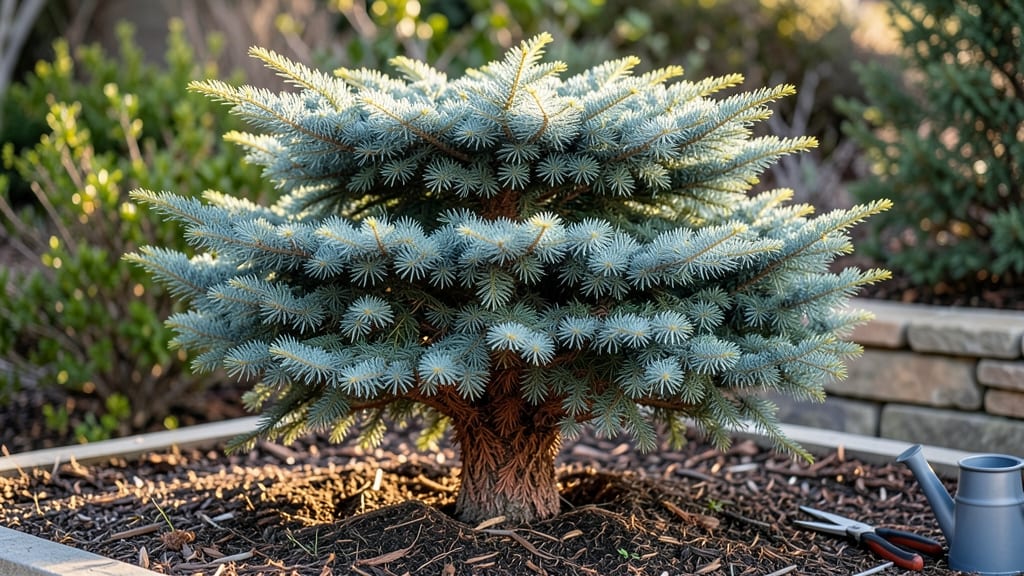
False cypress trees bring lush, evergreen beauty to Pacific Northwest gardens without the fuss of high-maintenance varieties. 🌲 I planted mine last spring, and now they stand tall, their feathery foliage softening our windy backyard while providing year-round privacy.
These trees thrive where others struggle—cool summers, damp winters, and acidic soils don’t faze them.
The secret to their success lies in their adaptability. They handle partial shade, prefer well-draining soil, and only need consistent moisture—not soggy roots. Whether you’re planting them in the ground or large containers, they’ll grow steadily, reaching heights of 30 to 60 feet over time.
Their golden or blue-green hues add texture and color that brightens any landscape.
With proper care, your false cypress will reward you with dense, vibrant growth that blocks noise and neighbors’ views. Pruning is minimal—just shape them lightly in early spring to encourage fuller branches.
They’re also deer-resistant, which is a bonus where I live. Let’s get yours established so you can enjoy their tranquil presence all year.
Perfect for hedges, focal points, or even as a single statement tree. Their versatility makes them a go-to for Pacific Northwest gardens, where they stand up to the region’s unique climate. Ready to add some evergreen elegance to your yard?
📚 In This Guide
- What you need
- Instructions
- Tips and common mistakes
- Wrapping up and next steps
What you need
- ● False cypress trees (Chamaecyparis lawsoniana) – Choose 3–5 mature plants (5–10 ft tall) for a full privacy screen, spaced 3–5 ft apart.
- ● High-quality soil – Mix native Pacific Northwest soil (or a blend of topsoil and compost) for optimal drainage.
- ● Organic mulch – 2–3 inches of cedar chips or pine bark to retain moisture and suppress weeds.
- ● Slow-release fertilizer – A balanced 10-10-10 or 20-20-20 formula (apply in early spring).
- ● Watering system – A soaker hose or drip irrigation (essential for deep root establishment).
- ● Shovel & spade – For digging planting holes (1.5x wider than the root ball).
- ● Wheelbarrow – To mix soil and carry materials.
- ● Pruning shears – For shaping and trimming (sterilize blades with rubbing alcohol).
- ● Measuring tape – To ensure proper spacing (3–5 ft between trees).
- ● Gloves & knee pads – For comfort during planting.
- ● Erosion control fabric – If planting on a slope.
- ● Tree stakes & ties – For young trees in windy areas.
- ● De-icer (for winter) – Calcium chloride to prevent salt damage if near roads.
- ● Soil pH test kit – False cypress thrives in acidic soil (pH 5.0–6.5).
Step-by-Step guide for planting false cypress trees
Here's how to establish a lush, evergreen privacy screen that thrives in Pacific Northwest conditions.
🌱 Step 1: Choose and Prepare Planting Locations
False cypress trees (Chamaecyparis lawsoniana) love moist, well-draining soil and partial shade to full sun. In the Pacific Northwest, most sites qualify—just avoid soggy, compacted ground. Mark your planting spots 6-8 feet apart for mature spacing (they'll reach 15-20 feet tall). Dig holes twice as wide as the root ball but only as deep.
I always loosen the sides of the hole with a shovel to encourage roots to spread outward. The reason we don't dig too deep is that false cypress roots prefer to sit just below the soil surface where oxygen levels are ideal. Add a handful of compost to the bottom of each hole for nutrients without disrupting drainage.
☀️ Step 2: Plant at the Right Time and Depth
Fall or early spring are your best planting windows—cooler temps reduce transplant shock. Remove the tree from its container and gently tease apart any circling roots. Place it in the hole so the top of the root ball sits 1 inch above ground level (false cypress hate having their trunks buried).
Backfill with native soil, tamping lightly every 6 inches to eliminate air pockets. Water deeply until moisture reaches 12 inches down—you'll see it pooling at the bottom of the hole. Don't skip this step; proper hydration right away prevents wilting and root stress. Mulch with 3 inches of wood chips in a 3-foot radius to retain moisture and suppress weeds.
💧 Step 3: Water Consistently for the First Year
False cypress need 1-2 inches of water weekly during their first growing season, more if your site is exposed or sandy. Water deeply twice a week until new growth appears—then taper to once a week. The key is keeping the root zone moist but not soggy; you'll know you're doing it right when the soil feels like a damp sponge 4 inches down.
I always water in the morning so foliage dries quickly, preventing fungal issues. Avoid overhead sprinklers—they can damage the soft, needle-like foliage. Instead, use a soaker hose or water at the base. After the first year, your trees will establish deeper roots and need less frequent watering.
✂️ Step 4: Prune for Shape and Health
False cypress grow naturally conical, but light pruning encourages fuller growth. Wait until spring to prune—never cut into old wood. Remove only dead or crossing branches with clean, sharp shears. For shaping, trim no more than 1/3 of any branch in a single season to avoid stress.
Here's the thing—false cypress respond well to pruning but don't overdo it. I like to step back and admire the natural shape first; these trees are already beautiful without heavy intervention. If you notice brown tips, it's often a sign of underwatering or winter burn—check your moisture levels and protect young trees from harsh winds.
Tips & tricks for perfect false cypress privacy screens
Here's what I've learned after planting dozens of these trees—simple tricks that make all the difference for long-term success.
Soil Prep Secret: Before planting, test your site's drainage by digging a small hole and filling it with water. If it doesn't drain within an hour, amend with 20% sand or perlite to the native soil mix. False cypress roots rot quickly in soggy conditions, and this simple test prevents years of frustration. In Step 1, when you're loosening the sides of the hole, focus extra attention on the bottom third—this is where drainage issues start.
Planting Depth Trick: The 1-inch above ground level rule in Step 2 is critical—never bury the trunk. I've seen too many trees develop cankers from buried stems. Use a level to check depth after planting, and if your hole is deeper than needed, add a layer of gravel at the bottom before placing the root ball. This creates a natural drainage layer while keeping the tree properly elevated.
Watering Hack: To check moisture at the 4-inch depth mentioned in Step 3, use a screwdriver instead of your finger. Push it into the soil—if it comes out clean, you're good. If it pulls up soil, water immediately. I keep a small bucket near each tree during the first year and water it first, then pour the remaining water around the base. This ensures even distribution without puddles that can cause root rot.
Pruning Insight: When pruning in spring (Step 4), focus on the inner third of the tree first—this opens up the center for better airflow and sunlight penetration. I always prune on a cloudy day when temperatures are mild; the trees handle stress better. For shaping cuts, make them just outside the branch collar (the swollen area where the branch meets the trunk) to promote faster healing.
Pro Tips for False Cypress Trees
- Here's what I've learned after planting dozens of these trees—simple tricks that make all the difference for long-term success.
- Soil Prep Secret: Before planting, test your site's drainage by digging a small hole and filling it with water.
- Planting Depth Trick: The 1-inch above ground level rule in Step 2 is critical—never bury the trunk.
Frequently asked questions
Got questions about growing and maintaining false cypress trees in your Pacific Northwest landscape? You’re not alone! Here are answers to the most common queries to help you make the best choices for your privacy screen.
Are false cypress trees really evergreen, or do they lose needles in winter?
False cypress trees (Chamaecyparis lawsoniana) are true evergreens—they retain their soft, feathery needles year-round in the PNW’s mild winters. Unlike some conifers, they won’t turn brown or drop foliage unless stressed by drought, poor soil, or extreme cold (<10°F). Choose cold-hardy cultivars like ‘Ellwoodii’ for extra resilience.
How fast do false cypress trees grow, and when can I expect privacy?
False cypress trees grow at a moderate pace: 12–24 inches per year under ideal conditions. A 6-foot-tall tree (common at nurseries) can reach 10–12 feet in 3–5 years. For faster privacy, plant them closer together (3–5 feet apart) or opt for faster-growing cultivars like ‘Lemon’ or ‘Pumilio’.
Do false cypress trees need a lot of water, or are they drought-tolerant?
While they prefer consistent moisture, false cypress trees are moderately drought-tolerant once established (after 2–3 years). In the PNW’s rainy climate, they thrive with weekly watering for the first year, then taper to monthly deep waterings during dry spells. Mulch heavily to retain soil moisture.
What’s the best alternative if I want a similar look but lower maintenance?
If false cypress feels high-maintenance, consider these low-fuss PNW-friendly alternatives:
- Leyland cypress (× Cupressocyparis leylandii): Faster-growing, salt-tolerant, but less disease-resistant.
- Western red cedar (Thuja plicata): Native, aromatic, and drought-tolerant but slower-growing.
- Emerald green arborvitae (Thuja occidentalis ‘Smaragd’): Compact, deer-resistant, and hardy.
Why are my false cypress needles turning brown, and how do I fix it?
Brown needles usually signal one of three issues:
- Overwatering or poor drainage: Yellow-brown needles + soggy soil = root rot. Solution: Improve drainage and water only when the top 2 inches of soil are dry.
- Spider mites or bagworms: Tiny webs or sawdust-like frass on branches. Solution: Spray with horticultural oil or neem oil in late spring/early summer.
- Winter burn: Crispy needle tips after harsh freezes. Solution: Mulch heavily and avoid pruning in late fall.
Wrapping up and next steps
False cypress trees are the perfect choice for Pacific Northwest gardeners seeking a low-maintenance, evergreen privacy screen that thrives year-round. 🌲 Their adaptability, drought tolerance, and stunning foliage make them a standout investment for both beauty and function.
Whether you're a seasoned landscaper or a DIY enthusiast, planting these trees is a rewarding way to elevate your outdoor space.
Ready to transform your yard? Start by selecting the right variety for your climate and space, then gather your tools and follow the step-by-step guide. With a little effort, you’ll enjoy a lush, private retreat for years to come! 🌿