
Pruning
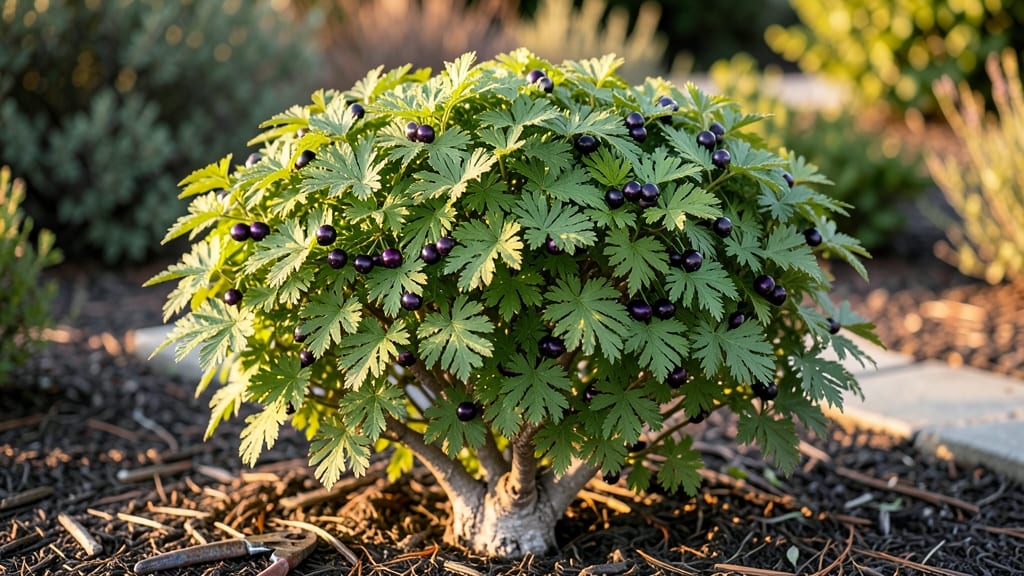
The fernleaf buckthorn tree thrives in the Pacific Northwest’s damp winters and mild summers, making it a frost-resistant landscape staple. I’ve grown mine for five years now, and its lush, fern-like foliage stays vibrant even after hard freezes—something most shrubs can’t handle.
The secret lies in its natural resilience and how we prune it to encourage that sturdy structure.
This tree loves partial shade and moist, well-draining soil—think of it as the low-maintenance workhorse of shade gardens. It handles everything from urban pollution to coastal winds, which is why it’s a favorite in city parks and private yards alike.
The key to keeping it healthy? Pruning in late winter or early spring to shape it while it’s still dormant, before new growth begins.
With the right approach, you’ll end up with a tree that stays compact, dense, and disease-resistant year-round. The foliage turns a soft bronze in winter, adding seasonal interest without requiring extra care. Plus, it’s deer-resistant, so you won’t have to worry about hungry critters nibbling it back to twigs.
Whether you’re planting one as a privacy screen, a foundation shrub, or a focal point in a woodland garden, this tree delivers long-term reliability with minimal fuss. Let’s get into how to prune it for that perfect Pacific Northwest look—no guesswork involved.
📚 In This Guide
- What you need
- Instructions
- Tips and common mistakes
- Wrapping up and next steps
What you need
- ● Pruning shears: Bypass pruners (sharp, clean, and not dull) for cuts up to ½-inch thick.
- ● Loppers: Bypass loppers (rated for 1–2 inches thick) for thicker branches.
- ● Pruning saw: A curved-tooth saw (for branches wider than 2 inches).
- ● Gloves: Heavy-duty, cut-resistant gloves (to protect from thorns and sap).
- ● Disinfectant: 70% isopropyl alcohol or a 10% bleach solution (to sterilize tools between cuts).
- ● Tarp or drop cloth: Large enough to catch debris (fernleaf buckthorn sheds aggressively!).
- ● Ladder: Sturdy, extendable ladder (if your tree is over 6 feet tall).
- ● Safety glasses: To shield eyes from flying debris.
- ● Rubbing alcohol wipes: For quick tool disinfection on the go.
- ● Tree wound sealant: (Controversial—skip if your tree is fernleaf buckthorn, as it’s not typically needed for this species.)
- ● Pruning paint: Only if sealing large cuts (consult a local expert first!).
- ● Garden twine or zip ties: To secure supports for heavy branches.
- ● Camera or phone: Document your tree’s structure before pruning (for reference!).
Step-by-Step Pacific Northwest pruning for fernleaf buckthorn trees
Here's how to shape resilient, frost-hardy buckthorn with minimal stress to the plant.
Time Your Pruning for Optimal Growth
Prune your fernleaf buckthorn in late winter or early spring, just as new growth begins but before buds swell. This timing ensures you remove dead wood while allowing the tree to recover before summer heat arrives. In the Pacific Northwest's cooler climate, avoid pruning in fall—it stimulates tender new growth that won't survive winter frosts.
Watch for first green buds on branches as your cue to start. If you prune too early, you'll cut healthy wood that could have supported next season's growth. If you wait too long, you risk removing flower buds that produce berries, though buckthorn isn't pruned primarily for fruit in landscape settings.
Remove Dead, Diseased, or Crossing Branches First
Start by eliminating any dead, broken, or diseased branches using clean, sharp pruners. Cut back to the branch collar—the swollen area where the branch meets the trunk—to prevent unsightly stubs. In buckthorn, diseased wood often appears as dark, mushy areas or branches with no leaves.
Next, remove branches that cross or rub against each other. These create wounds that invite disease and weaken the tree's structure. Look for branches growing inward at sharp angles—these are prime candidates for removal. I always step back to visualize the tree's natural shape after these cuts, as it helps guide the next steps.
Shape for Frost Resistance and Airflow
Thin the canopy to allow sunlight and air to penetrate to the center of the tree. Fernleaf buckthorn benefits from an open structure that reduces frost pockets where cold air collects. Remove up to 25% of the tree's branches, focusing on those that grow too densely or block light from reaching lower branches.
Prune back some of the longest branches by one-third to one-half to encourage bushier growth. Cut just above an outward-facing bud to promote growth in the direction you want. Avoid leaving stubs—always cut at a 45-degree angle just outside the branch collar. This prevents water from pooling and rotting the wound.
Clean Up and Protect the Tree
After pruning, collect and dispose of all clippings to prevent disease from spreading. Fernleaf buckthorn is generally disease-resistant, but removing debris reduces risks. Seal larger wounds (over ½ inch in diameter) with a tree wound sealant to protect against pests and rot.
Water the tree deeply after pruning to help it recover, especially if you've removed a significant portion of the canopy. Monitor the tree for new growth within 4-6 weeks—this is your sign that the pruning was successful. If no new growth appears, you may have pruned too aggressively or at the wrong time.
Tips & tricks for perfect fernleaf buckthorn pruning
Pruning buckthorn might seem intimidating, but these practical tips will help you shape a healthier, frost-hardier tree with confidence.
Timing is Everything: The late winter to early spring window is critical because it allows the tree to heal before summer's heat arrives. In the Pacific Northwest, this typically means pruning between late February and early April. If you miss this window, avoid pruning in fall—new growth won't survive our region's frosts. I've seen buckthorn trees struggle when pruned at the wrong time, so don't rush this step.
Visual Cues Matter: When looking for those first green buds in Step 1, focus on the brightest, freshest growth you see. These buds indicate the tree is waking up from dormancy and ready for pruning. If you're unsure, snap off a small branch—if the wood inside is still firm and green, it's too early. Wait until you see at least 10% of branches showing these green buds before starting.
Precision Cutting Technique: In Step 3, when pruning back branches by one-third to one-half, always make your cuts just above an outward-facing bud. This simple technique promotes growth in the direction you want, creating a more open, frost-resistant structure. I've made the mistake of cutting too close to buds or leaving stubs, which leads to poor healing and disease entry points.
Post-Pruning Care: After finishing Step 4, don't just walk away—monitor your tree closely. The 4-6 week window for new growth is your best indicator of success. If you see no new leaves after this time, you may have pruned too aggressively. In that case, focus on providing extra care through deep watering and avoiding any further pruning for at least a year.
Pro Tips for Fernleaf Buckthorn Tree
- Pruning buckthorn might seem intimidating, but these practical tips will help you shape a healthier, frost-hardier tree with confidence.
- Timing is Everything: The late winter to early spring window is critical because it allows the tree to heal before summer's heat arrives.
- Visual Cues Matter: When looking for those first green buds in Step 1, focus on the brightest, freshest growth you see.
Frequently asked questions
Got questions about pruning your fernleaf buckthorn tree in the Pacific Northwest? Here are some common ones—and their answers—to help you keep your tree thriving in frost-prone climates.
When is the best time to prune a fernleaf buckthorn tree?
The ideal time is late winter or early spring (February–March), just before new growth starts. This timing helps the tree recover quickly and avoids frost damage. Avoid pruning in fall, as new growth may not harden off before winter. Pro tip: If you must prune in summer, do it after flowering to prevent stress.
How do I protect my fernleaf buckthorn from frost damage?
Fernleaf buckthorns are frost-resistant, but young trees or tender new growth can still suffer. Prune lightly in late winter to reduce dense foliage and improve airflow. For extra protection, water deeply before frost and apply a light mulch around the base. Avoid heavy pruning in fall, as it can stimulate weak growth that’s more vulnerable to cold.
Should I remove dead branches, or can I wait?
Remove dead or diseased branches as soon as you spot them—even outside the main pruning season. Deadwood can harbor pests or diseases, and removing it anytime (except during extreme cold) keeps your tree healthy. Use sterilized pruners to prevent spreading pathogens. Pro tip: If a branch is more than 1/3 the size of the trunk, hire a pro for safe removal.
What’s the difference between pruning for shape vs. rejuvenation?
Pruning for shape involves light, regular trims to maintain the tree’s natural form, focusing on removing crossing or weak branches. Rejuvenation pruning is more aggressive—cutting back 1/3 of old wood in stages over 2–3 years to encourage new growth. Fernleaf buckthorns respond well to rejuvenation, but never prune more than 30% of the canopy in one year.
Can I prune after heavy rain or snow?
Wait until the ground is dry and stable—pruning after rain or snow can compact soil, stress the tree, or spread diseases. If you must prune wet branches, do so gently and sterilize tools to avoid fungal spread. Best practice: Schedule pruning for dry, sunny days with mild temperatures (40–60°F).
What if my fernleaf buckthorn isn’t recovering after pruning?
If your tree shows yellowing leaves, slow growth, or dieback, it may be over-pruned or stressed. Troubleshoot:
Pro tip: Fernleaf buckthorns are resilient—give it 1–2 seasons to recover before heavy pruning again.
Wrapping up and next steps
The fernleaf buckthorn tree is a stunning, frost-resistant addition to your Pacific Northwest landscape—when pruned with care! By mastering the right techniques, you’ll encourage a strong, healthy structure that thrives year after year.
Whether you’re trimming for shape, removing deadwood, or preparing for winter, these steps ensure your tree stays vibrant and resilient.
Ready to give your buckthorn the attention it deserves? Grab your tools, roll up your sleeves, and start pruning today! 🌿✂️ For even more expert tips, explore our guide on seasonal pruning schedules or connect with local arborists to elevate your green thumb game.