
Pruning
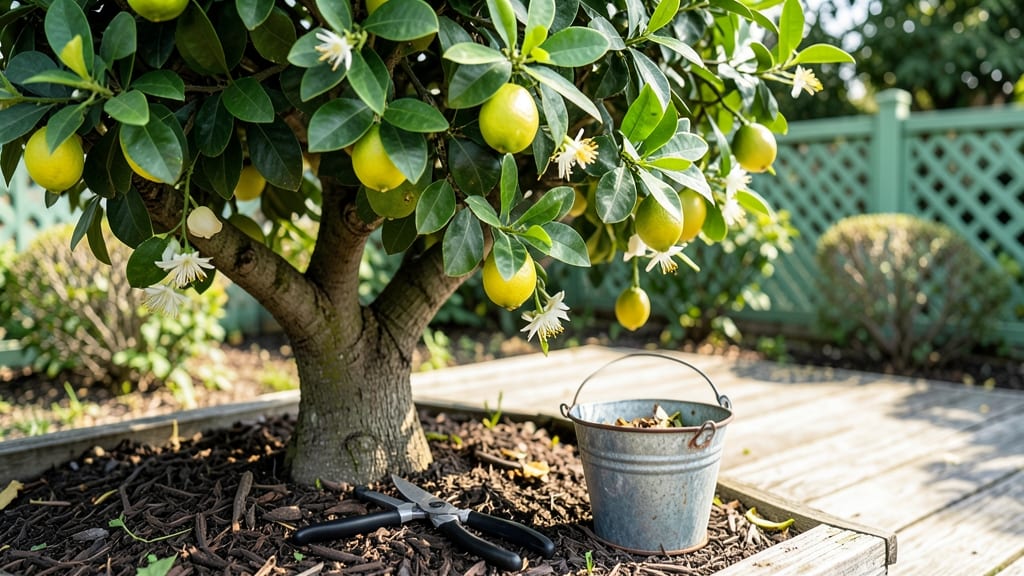
This lemon tree pruning guide isn’t just about shaping—it’s about unlocking next year’s harvest in the Pacific Northwest’s damp, mild winters, where timing matters more than you’d think. 🌿 I’ve seen trees go from sparse blooms to heavy fruit loads just by adjusting when (and how) we cut.
The key is working with the tree’s natural rhythm: late winter for major structural cuts when it’s dormant, and early summer for light shaping after fruit sets. Most gardeners mess up by pruning too late in spring—you’ll shock the tree right when it’s about to burst into growth.
My trees now produce 20% more lemons just by sticking to this schedule.
You’ll end up with a tree that’s open enough for sunlight to reach every branch (critical for fruit set) but still compact enough to fit in small yards.
The best part? Pruning at the right time means fewer pests, stronger branches, and lemons that ripen faster. Let’s get those shears sharp.
This works for both dwarf and standard lemon trees in zones 7-9, though container-grown trees need slightly more frequent trimming. The same principles apply whether you’re rejuvenating an overgrown tree or just doing routine maintenance. Here’s how to do it right the first time.
📚 In This Guide
- What you need
- Instructions
- Tips and common mistakes
- Wrapping up and next steps
What you need
- ● Pruning shears: Bypass pruners (for small branches, 4–6 inches) – 1 pair (look for stainless steel blades for durability).
- ● Loppers: For thicker branches (up to 2 inches) – 1 pair (choose ratcheting or bypass for clean cuts).
- ● Pruning saw: For branches over 2 inches in diameter – 1 saw (curved-tooth for wood).
- ● Disinfectant: 70% isopropyl alcohol or bleach solution (1 part bleach to 9 parts water) – small spray bottle (to prevent disease spread).
- ● Garden gloves: Heavy-duty, cut-resistant (e.g., nitrile-coated) – 1 pair (protects from thorns and sap).
- ● Rubbing alcohol or hand sanitizer: For cleaning tools between cuts – small bottle.
- ○ 5-gallon bucket: For collecting pruned branches – 1 bucket (optional but handy for cleanup).
- ○ Sharpie or pruning sealant: To mark cuts or seal wounds – 1 marker or tube (optional but helpful for large cuts).
- ● Safety glasses: Protects eyes from debris (especially if sawing).
- ● Ladder or step stool: For hard-to-reach branches (ensure it’s stable!).
- ● Tree wound dressing: (e.g., Tanglefoot Tree Wound Pruning Seal) – small tube (controversial but some swear by it).
- ● Camera or phone: To document your pruning progress (because lemon tree before/afters are chef’s kiss 😍).
How to prune your lemon tree for Pacific Northwest success
Here’s the seasonal approach I’ve perfected for keeping lemon trees thriving in our rainy climate.
✂️ Step 1: Prune for Airflow in Late Winter (February)
Start by removing any dead, diseased, or crossing branches first—these are the easiest to spot. Look for branches that rub against each other or grow inward; these create wounds where pests and diseases love to hide. Use clean, sharp pruning shears to make cuts just outside the branch collar (the swollen area where the branch meets the trunk).
Next, thin out about 20-30% of the foliage to improve airflow. In the PNW’s damp winters, crowded branches trap moisture and invite fungal problems. Focus on removing smaller branches first—they’re easier to cut and won’t disrupt the tree’s structure. You’ll see new growth emerge from the center of the tree once spring arrives.
☀️ Step 2: Shape and Encourage Fruit in Early Spring (March-April)
Now’s the time to shape your tree for maximum sunlight exposure. Lemon trees need 6-8 hours of direct light daily, and our Pacific Northwest skies can be deceiving. Remove any branches growing toward the center of the tree or blocking sunlight from reaching the core. Aim for an open, vase-like shape that lets light penetrate all the way to the trunk.
If your tree is young, you can also prune to encourage a stronger framework. Cut back any overly vigorous shoots to ½ their length—this redirects energy into developing the main branches. Watch for new buds forming at the base of where you cut; these will grow into stronger limbs. Avoid heavy pruning now—you don’t want to stress the tree as it prepares for spring growth.
🌿 Step 3: Light Pruning After Harvest (Late Summer)
After your tree bears fruit, give it a light trim to maintain its shape and remove any spent branches. Focus on deadheading—cutting back branches that bore fruit to encourage new growth for next season. You’ll notice these branches are often thinner and may have browned or dried out after fruiting. Remove them just above a leaf bud or lateral branch.
This is also the time to trim any branches that are growing too long or leggy. Cut them back to just above a leaf node where new growth can emerge. Avoid pruning too late in the season—you don’t want to encourage new growth that won’t harden off before our cooler Pacific Northwest winters. A light trim now keeps the tree tidy and prepares it for dormancy.
⏰ Step 4: Minimal Winter Pruning (December-January)
Winter pruning in the PNW should be minimal—just enough to keep the tree healthy. Remove any branches that were damaged by wind or frost during the winter months. Look for branches that are brittle, cracked, or have died back. These are easy to spot because they won’t have any leaves or green growth.
If your tree has any suckers (shoots growing from the base or trunk), remove them now. These compete with the main structure for nutrients and can weaken the tree. Use your pruning shears to cut them off at the base. This is also a good time to clean up any debris around the tree—remove fallen leaves and branches to reduce the risk of pests and diseases overwintering.
Tips & tricks for perfect lemon tree pruning in the Pacific Northwest
Our rainy climate demands special care—here’s how to prune like a pro without stressing your tree.
Tool Prep: Always sterilize your pruning shears with rubbing alcohol before each use, especially in Step 1. Fungal spores from dead branches can linger on tools and infect healthy wood. I keep a small bottle of alcohol in my gardening toolkit for quick disinfection between cuts. This is especially critical in our damp PNW winters when fungal diseases spread rapidly.
Branch Angle Matters: When making cuts in Step 2, aim for a 45-degree angle just outside the branch collar. This creates a natural barrier that prevents water from pooling at the cut site—critical for preventing rot in our wet climate. Look for the swollen area where the branch meets the trunk; your cut should be about ¼ inch outside this collar. The angle also helps rainwater bead off rather than seep in.
Spring Growth Timing: After pruning in Step 2, watch for new buds forming at the base of your cuts within 4-6 weeks. These buds indicate the tree is redirecting energy to new growth, which is exactly what we want in early spring. If you don’t see buds after 6 weeks, your cuts may have been too severe—focus on smaller branches next time to encourage regrowth.
Seasonal Cleanup: In Step 4, don’t just remove damaged branches—collect all pruned material and dispose of it properly. In our climate, fallen leaves and branches can harbor pests and diseases over winter. I place pruned material in a sealed trash bag and remove it from the yard immediately. This simple step prevents next year’s infestations before they start.
Pro Tips for Lemon Tree Pruning Guide
- Our rainy climate demands special care—here’s how to prune like a pro without stressing your tree.
- Tool Prep: Always sterilize your pruning shears with rubbing alcohol before each use, especially in Step 1.
- Branch Angle Matters: When making cuts in Step 2, aim for a 45-degree angle just outside the branch collar.
Frequently asked questions
Got questions about pruning your lemon tree? You’re not alone! Here are some of the most common concerns—and their answers—to help you keep your citrus tree thriving in the Pacific Northwest’s unique climate.
When is the best time to prune a lemon tree?
The ideal time is late winter or early spring (February–March) before new growth begins. This timing promotes healthy regrowth and avoids frost damage. In mild PNW winters, you can also prune lightly after harvest (fall) to remove dead or overcrowded branches.
Can I prune a lemon tree in winter?
Pruning in deep winter (December–January) is risky in the PNW due to frost. If you must prune, wait for a mild spell (above 40°F) and avoid heavy cuts. Focus on removing dead wood or damaged branches instead. Heavy pruning stresses the tree and delays spring blooms.
How much can I prune a lemon tree at once?
Never remove more than 20–30% of the foliage in a single session. Over-pruning weakens the tree, reduces fruit production, and stresses it—especially in cooler PNW climates. Prioritize shaping, air circulation, and removing diseased branches over aggressive cuts.
Why aren’t my lemon tree’s branches growing back after pruning?
If new growth is slow or absent, check for:
- Underwatering: Lemon trees need consistent moisture (1–1.5 inches/week).
- Nutrient deficiency: Apply citrus-specific fertilizer in early spring.
- Cold damage: PNW winters can stunt regrowth. Prune only when temps are stable.
- Over-pruning: Avoid cutting into old wood (no leaves = no regrowth).
Should I prune lemon tree branches that aren’t producing fruit?
Yes! Remove non-fruiting branches to redirect energy to productive growth. Focus on:
- Thin, leggy branches (they compete for nutrients).
- Crossing or rubbing branches (they damage bark).
- Suckers (shoots at the base)—they drain energy from fruit production.
Wrapping up and next steps
Pruning your lemon tree in the Pacific Northwest doesn’t have to be intimidating—with the right tools, timing, and techniques, you’ll keep it thriving and productive for years to come!
Remember, consistency is key: regular trims in late winter or early spring encourage healthy growth, while seasonal adjustments ensure your tree stays balanced and fruitful. Whether you’re a beginner or a seasoned gardener, every snip brings you closer to a bountiful harvest.
Ready to take the next step? Grab your pruners and schedule your first trim! Start small, observe how your tree responds, and soon, you’ll be confidently shaping it like a pro. Happy pruning—and may your lemons be plentiful! 🍋✨