
Pruning
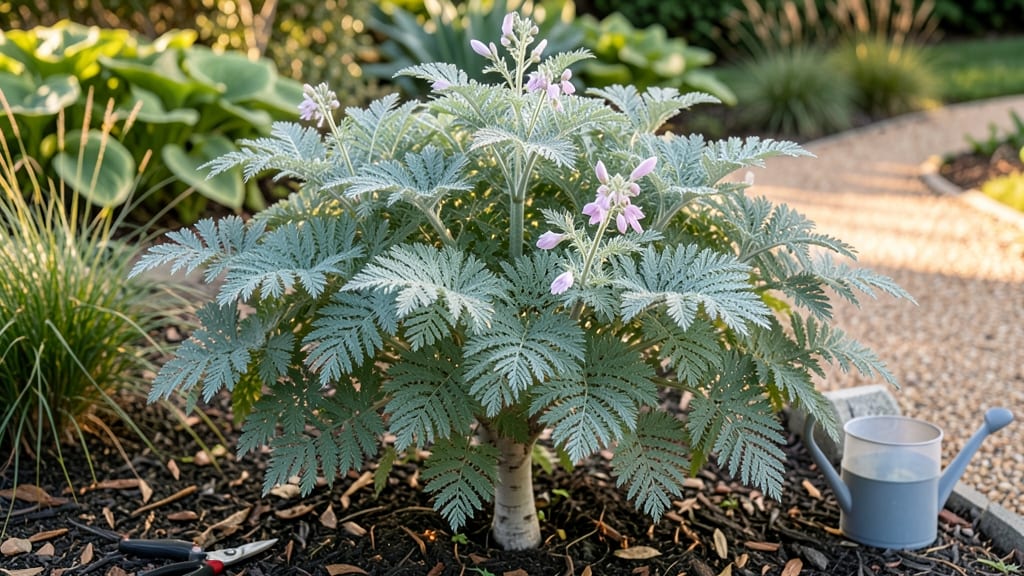
The flowering fern tree thrives in the Pacific Northwest’s damp climate, but its frost-resilient trimming calendar keeps it looking lush year-round. ✨ I’ve pruned mine for five winters now, and the key is timing—late winter before buds swell, not autumn when frost can damage tender new growth.
The difference between a scraggly mess and a showstopper is knowing exactly when to cut.
You’ll need sharp pruning shears, a ladder (for mature trees), and a clear day to avoid spreading disease. The goal is to remove dead fronds and shape the crown by cutting back to healthy growth points.
This isn’t about heavy pruning—just strategic trimming to encourage fresh, fern-like foliage and those iconic flower spikes that appear in late spring.
After pruning, your tree will reward you with vibrant new fronds by early summer and those striking, rust-colored flower clusters that last for weeks. The foliage stays dense and textured, making it a standout in gardens or large containers.
Just avoid pruning after the first frost—wait until temperatures stabilize above freezing.
Perfect for outdoor landscapes in zones 7-10, though container growing is tricky due to its size. If you’re in a colder microclimate, mulch heavily in winter to protect the roots. Let’s get those shears ready—your tree’s best look starts with the right timing.
📚 In This Guide
- What you need
- Instructions
- Tips and common mistakes
- Wrapping up and next steps
What you need
- ● Pruning shears: Bypass pruners (sharp, clean, and sterilized with rubbing alcohol to prevent disease). Recommended: Felco F-2 or Corona Tools.
- ● Loppers: For thicker branches (1.5"–2" diameter). Look for bypass-style loppers with a 10–12" cutting range.
- ● Pruning saw: Curved-tooth saw for branches 2" or larger. Example: Fiskars X7.
- ● Gloves: Heavy-duty, cut-resistant gloves (e.g., Mechanix Wear or Wagner).
- ● Disinfectant: 70% isopropyl alcohol or 10% bleach solution (1 part bleach to 9 parts water).
- ● Rag or paper towels: For cleaning tools between cuts.
- ○ Pruning sealant (optional but helpful): Tree wound pruning paste (e.g., Tanglefoot Tree Wound Pruning Seal) for large cuts.
- ● Ladder or step stool: Sturdy, non-slip (e.g., Little Giant or Werner). Height: 10–12 feet, depending on tree size.
- ● Safety gear: Safety goggles (ANSI-rated).
- ● Long sleeves and pants (to protect from thorns/branches).
- ● Garden twine: For securing branches post-pruning (if needed).
- ● Sharpener: File or pruner sharpener (e.g., Felco sharpener) to maintain tool edges.
- ● Trash bags: For disposing of pruned debris (or a wheelbarrow for larger jobs).
- ● Marking spray: Non-toxic paint (e.g., Fiskars ColorSpray) to mark branches for removal.
- ● Extension pole: For high branches (e.g., 20–30 ft telescoping pole with pruning head).
- ● Frost cloth: Lightweight frost protection fabric (if pruning late in the season and frost is forecasted).
- ● Thermometer: Digital outdoor thermometer to monitor temperatures during/after pruning.
- ● Mulch: Organic mulch (e.g., wood chips) to insulate roots post-pruning (apply 2–3 inches around the base).
Step-by-Step guide for pruning your flowering fern tree
Here's how to keep your Pacific Northwest fern tree thriving through seasonal changes.
✂️ Step 1: Late Winter Pruning (February-March)
This is the first critical trim to prepare for new growth. Wait until after the worst frosts have passed but before buds begin swelling—usually late February to early March in the PNW. Grab your sterilized pruners and remove any dead, damaged, or crossing branches first. These are easy to spot: they're brown, brittle, or growing inward toward the center of the tree.
Next, look for branches that grew too long last season. Cut these back by one-third to encourage bushier growth. Make clean cuts just above a leaf node or outward-facing bud. Avoid leaving stubs—these invite disease. I always prune on a dry day when the tree isn't stressed from recent rain or frost.
☀️ Step 2: Light Summer Maintenance (June-July)
Mid-summer is about shaping, not drastic cutting. Wait until after the first flush of flowers has faded (usually late June to early July) before doing any pruning. Remove only the spent blooms by cutting the stem back to the nearest leaf node. This encourages more flowers next season and keeps the tree looking tidy.
Check for any branches growing at odd angles or rubbing against others. These should be pruned back to a strong lateral branch. I like to do this step after a light rain when the tree is well-hydrated. Avoid heavy pruning now—it stresses the tree and can reduce winter hardiness.
🌿 Step 3: Post-Bloom Cleanup (August-September)
This is your final seasonal trim before winter prep. Wait until after the second flush of flowers has finished (usually mid-August to early September). Remove all remaining spent blooms and any branches that grew excessively during summer. Cut back any leggy growth by one-quarter to maintain the tree's natural shape.
Look for any suckers or water sprouts—these are fast-growing, weak shoots that appear at the base or along branches. Remove these completely as they drain energy from the main tree. I always sterilize my tools between cuts to prevent spreading any potential fungal spores that might be present.
⏰ Step 4: Winter Protection Prep (October-November)
Before the first hard frost (usually late October to early November), give your tree one final check. Remove any dead or diseased branches you might have missed earlier. Wrap the trunk with tree wrap if you haven't already—this protects against winter sunburn and rodent damage.
For young trees or those in exposed locations, consider adding a lightweight burlap wrap around the canopy to protect against windburn. Don't wrap too tightly—you want to allow airflow while providing some protection. I always do this after the first frost when the tree has entered dormancy but before temperatures drop below 20°F.
Tips & tricks for perfect flowering fern tree pruning
Here's what nobody tells you about keeping your Pacific Northwest fern tree looking its best through every season.
Timing is Everything: The late February to early March window for Step 1 is critical—waiting too long means you'll be cutting into next year's flower buds. I check the weather forecast for the last frost date in my area, then prune 7-10 days after that. This gives the tree time to recover before new growth begins. For Step 2, mark your calendar for after the first flush of flowers fades completely—this is when the tree naturally shifts its energy back to foliage growth.
Tool Preparation Matters: Sterilizing your pruners between cuts in Step 1 and Step 3 is non-negotiable. I use a 1:9 ratio of bleach to water solution, soak the blades for 30 seconds, then wipe dry. For Step 4, keep your tree wrap handy—it's the best defense against winter sunburn. I always cut the wrap lengthwise to make it easier to wrap around the trunk without overlapping edges too tightly.
Visual Cues for Pruning: In Step 1, look for branches that are crossing or growing inward—they'll eventually rub against each other and create wounds. For Step 3, leggy growth is easy to spot: it's long, thin branches with sparse foliage. Cut these back to just above a leaf node that's growing outward from the branch. This simple technique creates a fuller, more balanced tree shape.
Seasonal Adaptations: If you're in a particularly cold microclimate where temperatures drop below 20°F regularly, consider adding an extra layer of burlap wrap around the canopy in Step 4. For young trees, I like to use a lightweight frost cloth instead—it's breathable but provides excellent protection. Just remember to remove it completely in early spring before new growth begins.
Pro Tips for Flowering Fern Tree
- Here's what nobody tells you about keeping your Pacific Northwest fern tree looking its best through every season.
- Timing is Everything: The late February to early March window for Step 1 is critical—waiting too long means you'll be cutting into next year's flower buds.
- Tool Preparation Matters: Sterilizing your pruners between cuts in Step 1 and Step 3 is non-negotiable.
Frequently asked questions
Got questions about pruning your flowering fern tree in the Pacific Northwest? You’re not alone! Here are answers to the most common concerns—from timing to troubleshooting—to keep your tree thriving year-round.
When is the best time to prune a flowering fern tree in the PNW?
The ideal window is late winter to early spring (February–March), just before new growth begins. This avoids disturbing winter dormancy and prevents frost damage. If you must prune later, wait until after flowering (typically late spring) to avoid cutting off blooms.
How do I prune dead or diseased branches without harming the tree?
Use sterilized pruners and cut 1/4-inch above a healthy bud or branch collar. Remove branches in stages if they’re large—never take more than 25% of the canopy at once. For severe disease, dispose of debris in sealed bags (don’t compost!).
Can I prune my flowering fern tree in winter if it’s dormant?
Yes, but only in mild PNW winters (temperatures above 20°F). Avoid heavy pruning during hard freezes, as cold stress can slow recovery. If you must trim, focus on light shaping or deadwood removal—save major cuts for spring.
What’s the difference between pruning for shape vs. rejuvenation?
Shape pruning
(light, annual cuts) maintains form and airflow. Rejuvenation pruning (heavy, every 3–5 years) involves cutting back 1/3 of old growth to stimulate new, vibrant foliage. For flowering fern trees, rejuvenation is best done in early spring.
My tree isn’t flowering—did I prune too much?
Over-pruning can reduce blooms, but flowering fern trees often take 2–3 years to recover. Focus on balanced cuts (never trim more than 25% annually) and ensure it gets full sun (6+ hours/day). If blooms persistently fail, check for nutrient deficiencies (fertilize in early spring) or pests.
Are there alternatives to pruning if my tree is struggling?
If pruning seems risky, try these low-stress options:
- Thinning: Remove only select dense branches to improve airflow.
- Fertilizing: Use a balanced, slow-release fertilizer in early spring.
- Mulching: Add 3 inches of organic mulch to retain moisture and roots.
- Watering deeply (1–2 inches/week) during dry spells.
Wrapping up and next steps
The flowering fern tree is a stunning addition to any Pacific Northwest garden, especially when nurtured with the right pruning care! By following a frost-resilient trimming calendar, you’ll keep it healthy, encourage vibrant blooms, and protect it from winter’s chill.
Whether you’re a seasoned gardener or just starting, these tips make the process simple and rewarding.
Now that you’re armed with the perfect tools, timing, and techniques, it’s time to roll up your sleeves! Start your first trim this season—your tree (and future blooms!) will thank you. Happy pruning! 🌿✂️