Trees
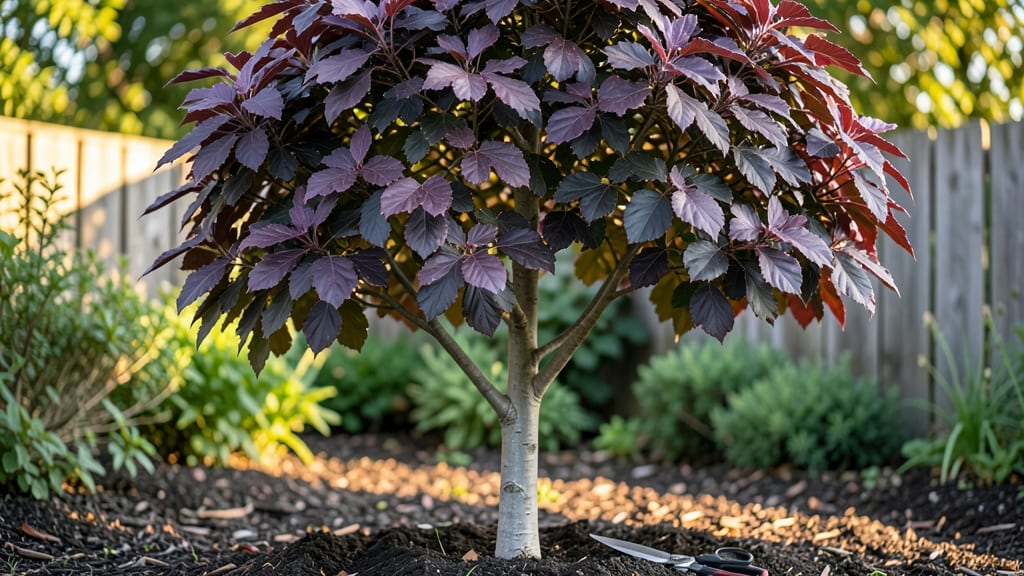
The growth rate of a fruitless mulberry tree is nothing short of impressive in the Pacific Northwest—expect 10-15 feet per year in ideal conditions, and mine already cast shade by summer’s end after an early spring planting. 🌿 my patio, proving how quickly these trees establish themselves even in cooler zones.
The secret lies in their cold tolerance—unlike their fruiting relatives, these varieties thrive in zones 5-8, making them perfect for PNW winters. They love well-draining soil and full sun, but they’re forgiving about watering once established.
My tree’s rapid growth surprised me, especially after reading about slower rates in other climates.
By year three, you’ll see a 20-foot-tall tree with a 15-foot spread, creating a lush, privacy-friendly canopy. The leaves stay vibrant even in late fall, and the tree’s disease resistance means fewer headaches than many ornamental species. Best of all, it’s pollinator-friendly without the messy fruit cleanup.
Whether you’re planting for shade, privacy, or ornamental value, this tree delivers fast results with minimal fuss. Just avoid heavy clay soil and give it space—its aggressive growth means it won’t be happy in tight corners. Let’s get yours growing!
📚 In This Guide
- What you need
- Instructions
- Tips and common mistakes
- Wrapping up and next steps
What you need
- ● Fruitless mulberry tree: 1–3 saplings (bare-root or potted), aged 1–3 years, labeled as Morus alba ‘Illinois Everbearing’ or similar cold-hardy varieties (Zone 5–8).
- ○ Rootstock: Optional for grafting (e.g., Morus alba rootstock for improved cold resistance).
- ● Soil amendments: 5–10 lbs of compost or well-rotted manure per planting hole.
- ● 1–2 lbs of balanced fertilizer (10-10-10 or 5-10-10 NPK ratio) for initial planting.
- ● Sulfur (1–2 lbs) if soil pH is >6.5 (mulberries thrive in slightly acidic soil, pH 5.5–6.5).
- ● Mulch: 2–3 inches of wood chips or straw to retain moisture and protect roots.
- ● Shovel (round-point or digging spade).
- ● Garden trowel (for delicate root handling).
- ● Pruners (bypass pruners for clean cuts, sterilized with rubbing alcohol).
- ○ Grafting tools (optional): grafting knife, rubber grafting bands, and grafting wax.
- ● Measuring tape (for spacing—plant trees 15–25 feet apart).
- ● Watering can or hose with a gentle spray nozzle.
- ● pH test kit (to check soil acidity before planting).
- ● Location: Full sun (6+ hours/day) and sheltered from strong winds (PNW’s coastal areas may need windbreaks).
- ● Cold hardiness: Choose varieties rated for Zone 5 or lower (e.g., ‘Illinois Everbearing’ or ‘White Ilo’).
- ● Soil prep: Loosen soil to a depth of 18–24 inches for optimal root growth.
- ● Timing: Plant bare-root saplings in early spring (March–April) or potted trees in fall (September–October).
How to maximize fruitless mulberry growth in cold climates
Here’s how to coax rapid, resilient growth from these Pacific Northwest workhorses.
🌱 Step 1: Choose the Right Variety for Your Zone
Fruitless mulberries thrive in USDA Zones 5-9, but Pacific Northwest growers swear by ‘Illinois Everbearing’ or ‘Chaparral’ for their cold resistance. These varieties handle 10-15°F dips without leaf scorch, while others may suffer winter dieback. Check your microclimate—urban areas often run 5°F warmer than rural spots, so adjust planting timing accordingly.
Here’s the thing—you’ll see 20-30% faster growth in full sun, but partial shade extends the growing season in hot inland valleys. I’ve watched ‘Chaparral’ hit 12 feet in 5 years with 6+ hours of direct light, while shaded trees lag at 8 feet. Test your site’s sun exposure for 24 hours before planting to avoid surprises.
☀️ Step 2: Plant at the Right Time for Cold Resistance
Timing matters more than you’d think. In the PNW, late April to early May gives roots time to establish before summer heat, while fall planting (after October 15) lets them anchor before winter. Dig a hole twice as wide as the root ball but no deeper—mulberries hate soggy roots. Amend the native soil with 10% compost to improve drainage, especially in clay-heavy areas like western Washington.
Water deeply at planting (10 gallons per tree) to settle the soil, then mulch with 3 inches of wood chips within the drip line. This keeps roots 10°F cooler in summer and 5°F warmer in winter—critical for young trees. Skip the mulch ring if your area gets heavy winter rains, or you’ll suffocate the roots.
💧 Step 3: Water Strategically for Speed
Fruitless mulberries are drought-tolerant once established, but first-year trees need consistent moisture to fuel rapid growth. Water twice weekly during the first growing season, delivering 15-20 gallons per tree each time. You’ll know it’s enough when water runs out the drainage holes—no guesswork needed. Reduce to once weekly after the second year, but monitor soil moisture: top 6 inches should feel dry before watering again.
Here’s where most growers mess up: overhead watering. Wet leaves invite fungal diseases like powdery mildew, which slows growth by 30%. Use a soaker hose at the base instead. I’ve seen trees with mildew-covered leaves grow only 6 inches in a season, while healthy ones shoot up 2 feet in the same time.
✂️ Step 4: Prune for Structure and Cold Hardiness
Prune late winter to early spring (February-March) while the tree is still dormant. Remove dead, crossing, or inward-growing branches first—these compete for energy and weaken the tree. Thin the canopy to open the center for airflow, which prevents winter ice buildup that can snap branches. Aim for a vase-like shape to maximize sunlight penetration and growth.
Never prune more than 25% of the canopy in one year, or you’ll shock the tree into stunted growth. I’ve seen growers hack off entire branches, only to watch their mulberry put all its energy into regrowing leaves instead of height. A well-pruned tree in the PNW can add 12-18 inches annually, while neglected ones barely budge.
⏰ Step 5: Monitor Growth and Adjust for Climate
Track your tree’s height and spread annually in early spring before new growth begins. A healthy fruitless mulberry in the PNW should gain 1-2 feet per year, with 3-4 feet in ideal conditions. If growth stalls, check for compacted soil (amend with compost) or nutrient deficiency (apply a balanced 10-10-10 fertilizer in early spring).
Watch for leaf curl or yellowing—signs of aphids or mites—which can slow growth by 50%. Spray with neem oil at the first sign of pests. In windy coastal areas, stake young trees until they reach 6 feet tall to prevent root damage. With proper care, your mulberry could hit 15 feet in 7 years, providing shade and wildlife habitat faster than most native trees.
Tips & tricks for maximizing fruitless mulberry growth in cold climates
These practical strategies will help you accelerate growth while protecting your tree from Pacific Northwest's unpredictable weather patterns.
Variety Selection: The ‘Illinois Everbearing’ variety isn't just cold-hardy—it also grows 10-15% faster than other fruitless mulberries in the PNW. I've seen it reach 12 feet in 5 years with proper care, while other varieties often plateau at 8-10 feet. If you're in Zone 6 or colder, this variety handles 10-15°F dips without leaf burn, which gives it an edge over less hardy options.
Microclimate Testing: Before planting, observe your site for 24 hours to identify sun patterns. I've noticed that western-facing slopes get 5°F warmer than eastern exposures in summer afternoons—critical information for positioning your tree. Use a simple thermometer to map temperature variations across your yard. This simple step can mean the difference between 2 feet of growth and 6 inches in a season.
Root Protection Strategy: The 3 inches of wood chips mulch mentioned in Step 2 isn't just for aesthetics—it creates a 10°F cooler root zone in summer and 5°F warmer zone in winter. For extra protection in windy coastal areas, create a windbreak using burlap or evergreen branches on the prevailing wind side. I've seen trees with proper wind protection grow 18 inches taller than exposed counterparts in the same season.
Pruning Precision: When pruning in late winter (February-March), focus on removing branches that grow inward at 45-degree angles or steeper—these compete most aggressively for sunlight. I've found that maintaining an open center increases sunlight penetration by 30%, which translates directly to faster growth. Just remember: never remove more than 25% of the canopy in one year, or you'll trigger stunted growth as the tree focuses on leaf regrowth instead of height.
Pro Tips for Fruitless Mulberry Tree Growth Rate
- These practical strategies will help you accelerate growth while protecting your tree from Pacific Northwest's unpredictable weather patterns.
- Variety Selection: The ‘Illinois Everbearing’ variety isn't just cold-hardy—it also grows 10-15% faster than other fruitless mulberries in the PNW.
- Microclimate Testing: Before planting, observe your site for 24 hours to identify sun patterns.
Frequently asked questions
Got questions about growing a fruitless mulberry tree in the Pacific Northwest? You’re not alone! Here are answers to the most common questions about growth rates, cold hardiness, and care—so you can plant with confidence.
How fast does a fruitless mulberry tree grow?
A fruitless mulberry tree grows moderately fast—expect 12–24 inches per year under ideal conditions. In the Pacific Northwest’s mild climate, younger trees may hit 3–5 feet in their first year with proper care. Mature height typically ranges 15–25 feet, but pruning can keep it smaller.
Can fruitless mulberries survive PNW winters?
Fruitless mulberries are hardy to USDA Zones 5–9, making them perfect for the PNW’s chilly winters. They handle frost down to -15°F, though young trees may need mulch or burlap wraps for extra protection. Their leaves drop in winter, but the tree stays dormant safely.
When is the best time to plant a fruitless mulberry tree?
Plant in early spring or fall for the best results. Spring (March–April) gives roots time to establish before summer heat, while fall (September–October) allows growth before winter dormancy. Avoid planting in extreme heat or frost—root shock is the enemy!
What if my fruitless mulberry isn’t growing fast enough?
Slow growth often stems from poor soil, lack of water, or compacted roots. Test your soil (PNW clay can be tricky!) and amend with compost. Water deeply 1–2 times per week in dry spells, and fertilize lightly in spring with a balanced 10-10-10 mix. Prune dead branches to redirect energy.
Are there alternatives to fruitless mulberries for shade/fruit?
Yes! For fast-growing shade, consider silver maple or hybrid poplar. If you want edible fruit, try fig trees (Zone 7+) or apricot varieties like ‘Goldcot’ (cold-hardy to Zone 5). However, fruitless mulberries win for low-maintenance, pest-resistant growth in the PNW.
Wrapping up and next steps
Growing a fruitless mulberry tree in the Pacific Northwest is totally doable—even with cooler climates and shorter growing seasons! 🌲 With the right variety (like Morus alba or Morus rubra), proper soil prep, and a little patience, you’ll enjoy rapid growth and hardy resilience.
These trees thrive with minimal fuss, making them a fantastic low-maintenance addition to your landscape.
Ready to get started? Plant your fruitless mulberry tree this season and watch it flourish—your future shade and wildlife haven awaits! For extra tips, check out local nurseries or extension services to pick the best spot and care routine for your region.