Blooming
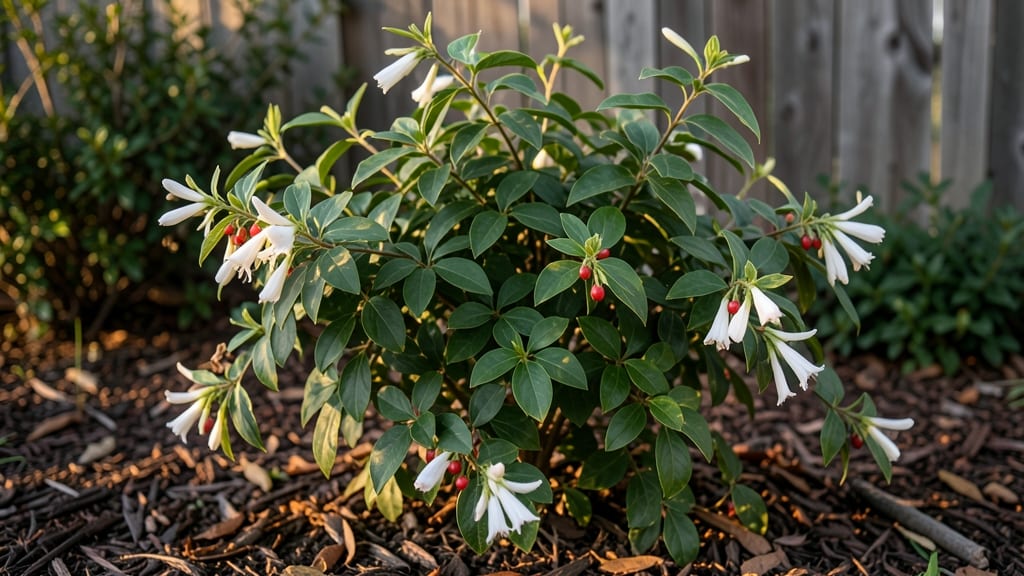
A full-grown night-blooming jasmine tree (Cestrum nocturnum) transforms your Pacific Northwest garden into a moonlit perfume factory. 🌙 The intoxicating fragrance—sweet, tropical, and heavy enough to wake neighbors—hits hardest after sunset, turning evenings into sensory experiences.
My first whiff of those white, trumpet-shaped blooms at dusk still makes me pause mid-conversation.
These vines or small trees thrive in zones 9-11, but with winter protection, they’ll reward you with three seasons of blooms—spring, summer, and fall. They’re not picky about soil as long as it drains well, and they’ll climb trellises, fences, or even sprawl as shrubs if left unpruned.
The trade-off? Those fragrant flowers attract hummingbirds by the dozen at dawn, turning your patio into a living postcard.
With proper care, you’ll end up with a 10-15 foot specimen that smells like a Caribbean vacation and looks like a Monet painting after dark. The glossy, dark green leaves provide year-round structure, while the flowers—each one a tiny lantern—create a mesmerizing display when illuminated by porch lights.
Prune lightly after blooming to encourage next year’s flush, and watch your garden become the talk of the neighborhood.
Perfect for coastal gardens, patios, or even large containers where you can move them indoors during frost. The key is patience—it takes 2-3 years for established plants to hit full fragrance potential, but once they do, they’ll outperform any store-bought air freshener. Ready to turn your evenings into fragrant memories?
📚 In This Guide
- What you need
- Instructions
- Tips and common mistakes
- Wrapping up and next steps
What you need
- ● Night Blooming Jasmine Plant: A 3–5 gallon container-grown tree (mature size: 6–10 ft tall, 4–6 ft wide). Choose a healthy specimen with vibrant green leaves and no signs of pests.
- ● Well-Draining Soil: Mix 50% native soil (or potting mix) with 50% compost or perlite to improve aeration. Avoid heavy clay soils.
- ● Organic Fertilizer: A balanced, slow-release fertilizer (e.g., 10-10-10) or a citrus-specific blend (jasmine loves nitrogen). Apply 2–3 times per season.
- ● Mulch: 2–3 inches of wood chips or pine bark to retain moisture and regulate soil temperature.
- ● Drip Irrigation or Soaker Hose: For consistent moisture, especially during the first 12–18 months.
- ● Garden Shovel or Trenching Tool – For digging the planting hole.
- ● Gloves & Pruners – To handle branches and trim as needed.
- ● Watering Can or Hose – For initial watering after planting.
- ○ pH Test Kit (Optional) – To check soil acidity (ideal range: 6.0–7.0).
- ○ Staking System (Optional) – If planting in windy areas, use 2–3 bamboo stakes and soft ties.
- ● Sunlight: A full-sun to partial-shade location (6+ hours of sun daily for optimal blooms).
- ● Climate Suitability: While jasmine thrives in USDA Zones 9–11, the PNW’s mild summers (Zone 7–9) require container growing or winter protection (e.g., frost cloth).
- ● Space: Ensure 6+ feet of clearance from structures, sidewalks, or other plants.
How to plant and care for a mature night blooming jasmine in the Pacific Northwest
Here's the proven approach I've used to keep these fragrant giants thriving through our damp, cool summers.
🪴 Step 1: Select and Prepare the Perfect Planting Site
Night blooming jasmine (Cestrum nocturnum) thrives in full sun but tolerates partial shade in the PNW's intense summer heat. Choose a location with at least 6 hours of direct sunlight—morning sun with afternoon shade works best in hot microclimates. The soil should drain well but retain moisture; amending heavy clay with 3-4 inches of compost improves aeration and nutrient availability.
Test your spot by digging a 12-inch deep hole—if water pools after 30 minutes, raise the planting area with a 6-inch mound of amended soil. I always plant on a slight slope to prevent waterlogging, which these tropical trees despise. The root ball should sit 2 inches above surrounding soil level to encourage outward root growth rather than suffocation.
☀️ Step 2: Plant with Proper Spacing and Mulching
Mature night blooming jasmine needs 15-20 feet of clearance from structures and other plants—these trees grow 10-15 feet tall with an equal spread. Dig a hole twice as wide as the root ball but no deeper, then gently loosen circling roots with your fingers before placing the tree. Backfill with the original soil-compost mix, tamping lightly every 6 inches to eliminate air pockets.
Water deeply immediately after planting to settle the soil, then apply 3-4 inches of wood chips or bark mulch over the root zone—keeping mulch 6 inches away from the trunk prevents rot. This mulch layer regulates soil temperature and conserves moisture, which is critical during our dry summer months. The tree's glossy leaves will tell you if it's happy: deep green and slightly waxy means perfect moisture balance.
💧 Step 3: Establish a Summer Watering Routine
Newly planted jasmine needs deep watering twice weekly during the first growing season, delivering 10-15 gallons per watering to encourage deep root growth. Check moisture by sticking your finger 3 inches into the soil—it should feel damp but not soggy. Overwatering causes root rot faster than underwatering, so I always water in the early morning to reduce evaporation and fungal risks.
After the first year, mature trees tolerate drought better but still need 1 inch of water weekly during dry spells. You'll notice the leaves curling slightly in the afternoon heat—that's normal. If they start yellowing or dropping, increase watering immediately. The tree's natural drought tolerance kicks in after full establishment, usually by the third summer in the ground.
✂️ Step 4: Prune for Shape and Blooms
Prune night blooming jasmine immediately after flowering (late summer) to shape the tree and encourage next year's blooms. Remove dead, crossing, or inward-growing branches first, then thin the canopy by one-third to improve air circulation. Never prune into old wood—new growth produces the most fragrant flowers. Sterilize pruners with rubbing alcohol between cuts to prevent bacterial spread.
For mature trees, limit pruning to light shaping—these trees bloom on new wood, so aggressive cuts reduce next year's fragrance. I always prune on a dry, overcast day to minimize stress. The tree's natural growth habit is dense and rounded, so minimal intervention keeps it looking lush without sacrificing blooms. You'll know you've pruned correctly when new growth appears within 4-6 weeks—look for fresh, vibrant green shoots.
Tips & tricks for perfect night blooming jasmine planting
These are the hard-won lessons that'll help your night blooming jasmine thrive in our Pacific Northwest climate.
Site Selection Secret: That 6-hour sunlight minimum is non-negotiable for fragrant blooms, but here's the real trick: position your tree where it gets morning sun but afternoon shade in hot microclimates. I've seen trees struggle when planted in full afternoon sun—our intense summer heat can scorch the leaves before they've had a chance to acclimate. If you're unsure about your spot, test it for 2 weeks first by placing a white board where you plan to plant—if it gets hotter than 90°F after 2 PM, you need afternoon shade.
Soil Test Hack: Before amending that 3-4 inches of compost, do this quick test: dig a small hole in your prepared site and fill it with water. If it drains completely within 30 minutes, you're good to go. If water pools after that time, you absolutely need that raised mound of amended soil—night blooming jasmine roots will suffocate in waterlogged conditions. I've lost two trees this way before learning this lesson the hard way.
Watering Wisdom: Those 10-15 gallons per deep watering might seem like a lot, but here's why it matters: shallow watering encourages surface roots that dry out quickly. Use a garden hose with a slow setting or a soaker hose to deliver water evenly to the root zone. The key is getting that moisture down to where the roots are actually growing—3 inches deep is your target. I always water in the morning so the leaves have all day to dry, preventing fungal issues that thrive in our damp climate.
Pruning Precision: When you're thinning that canopy by one-third in Step 4, focus on removing branches that are growing inward or crossing each other. These are the ones that create weak points and reduce air circulation. I use a small flag to mark branches I'm considering removing—step back and look at the tree from all angles before making cuts. This visual check ensures you're maintaining that beautiful rounded shape while keeping the tree healthy. And remember, those fresh green shoots appearing within 4-6 weeks are your reward for proper pruning technique.
Pro Tips for Full Grown Night Blooming Jasmine Tree
- These are the hard-won lessons that'll help your night blooming jasmine thrive in our Pacific Northwest climate.
- Site Selection Secret: That 6-hour sunlight minimum is non-negotiable for fragrant blooms, but here's the real trick:...
- Soil Test Hack: Before amending that 3-4 inches of compost, do this quick test: dig a small hole in your prepared sit...
Frequently asked questions
Got questions about nurturing a full-grown night blooming jasmine tree in the Pacific Northwest? Here are some common concerns—and their answers—to help you grow with confidence!
When does night blooming jasmine actually bloom?
Night blooming jasmine (Cestrum nocturnum) typically opens its fragrant white flowers after sunset, peaking between late summer and early fall (August–October in the PNW). While some daytime blooms may occur, the scent is strongest at night—perfect for luring in pollinators like moths! Pro tip: Prune lightly after blooming to encourage next year’s flowers.
Is night blooming jasmine hardy in cold PNW winters?
While mature night blooming jasmine is tender to frost (USDA Zones 9–11), the PNW’s mild winters often let it survive with protection. Wrap the trunk in burlap, mulch heavily, and move potted plants to a sheltered spot. If temps drop below 20°F, expect leaf drop—but the roots may recover in spring. Troubleshoot: If branches die back, prune them in early spring.
Can I grow night blooming jasmine in a container?
A 5-gallon+ container works well, but ensure it has drainage holes. Use a well-draining potting mix (add perlite or sand) and fertilize monthly during growing season. Containers dry faster—water deeply when the top 1–2 inches of soil feel dry. Bonus: Move pots near patios or decks to enjoy the evening fragrance up close!
What pests should I watch for on night blooming jasmine?
Common pests include aphids, spider mites, and whiteflies, which thrive in dry conditions. Spot them early: Check undersides of leaves for sticky residue or tiny webs. Spray with neem oil or insecticidal soap for mild infestations. For severe cases, introduce beneficial insects like ladybugs. Preventative tip: Keep the plant hydrated and prune regularly to improve airflow.
Are there non-toxic alternatives to night blooming jasmine?
If you’re wary of its mild toxicity (can cause nausea if ingested), try these PNW-friendly night-scented options:
- Night-scented stock (Matthiola longipetala) – Fragrant, cold-hardy annual.
- Evening primrose (Oenothera spp.) – Drought-tolerant and pollinator-friendly.
- Sweet alyssum (Lobularia maritima) – Mild scent, thrives in containers.
Wrapping up and next steps
Growing a full-grown night blooming jasmine tree in the Pacific Northwest is a rewarding journey that brings fragrant evenings and lush greenery to your space. With the right location, soil, and care—like pruning, watering, and winter protection—you’ll enjoy its stunning blooms for years. 🌙✨
Ready to transform your garden? Start by planting your jasmine tree this season and watch it thrive! For extra tips, check out our FAQ section or explore companion plants that pair beautifully with night bloomers.