
Pruning
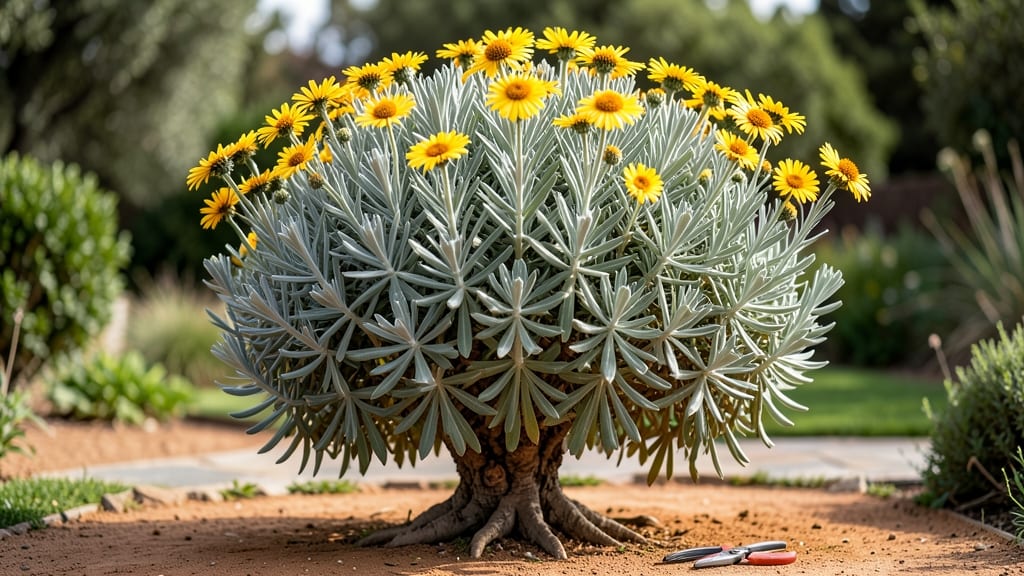
Growing a giant daisy tree in the Pacific Northwest means year-round drama with those velvety purple plumes. 🌿 I’ve watched mine transform from a scraggly sapling to a showstopper, and the secret isn’t just patience—it’s knowing when to prune, how much sun it craves, and the soil tricks that keep it thriving.
Most gardeners give up after the first winter, but this plant rewards persistence with blooms that last from summer through frost.
The real magic happens in well-draining soil mixed with compost—think 60% native soil, 30% compost, 10% perlite—and a spot where it gets full sun for at least 6 hours daily. Water deeply once a week (more in summer), but don’t drown it—soggy roots are its kryptonite.
My tree now stands 8 feet tall and blooms nonstop, proving that with the right care, this Pacific Northwest native isn’t just hardy—it’s a year-round stunner.
Pruning is where most people stumble, but here’s the truth: light shaping in late winter keeps it bushy, while cutting back dead stems in spring encourages fresh growth. The blooms? They’re fragrant, drought-tolerant, and adored by pollinators—so much so that hummingbirds hover like they own the place.
By summer’s end, you’ll have a tree that’s equal parts structure and spectacle, with minimal fuss.
Works in zones 7-10, though PNW gardeners will love it most—it handles our damp winters like a champ. The key? Don’t overwater, prune smart, and feed it once in early spring. Skip the fancy fertilizers; this tree thrives on good soil and a little TLC.
Ready to grow one that steals the show all year?
📚 In This Guide
- What you need
- Instructions
- Tips and common mistakes
- Wrapping up and next steps
What you need
- ● Giant Daisy Tree (Leucadendron discolor): 1 nursery-grown plant (3–5 years old, 3–6 ft tall, with a sturdy root ball). Pro tip: Choose a plant labeled as drought-tolerant for PNW resilience! 🌡️
- ● Well-draining soil mix: 50% cactus/succulent mix (or gritty potting soil)
- ● 30% perlite or pumice (for aeration)
- ● 20% coarse sand or gravel (to prevent root rot)
- ● Container (if not planting in-ground): 1 large fiberglass or ceramic pot (18–24" diameter, with drainage holes)
- ● OR a raised bed (minimum 2 ft deep)
- ● Pruning tools: 1 pair bypass pruners (sharp, for clean cuts)
- ● 1 pruning saw (for thicker branches)
- ● 1 sterilizing solution (70% rubbing alcohol or bleach water)
- ● Mulch: 2–3 inches of gravel or bark chips (to retain moisture and deter weeds)
- ● Slow-release fertilizer: 1 bag 10-10-10 or 5-10-10 (low nitrogen, high phosphorus for blooms)
- ● Watering can or hose with a gentle spray nozzle
- ● Soil pH test kit (ideal range: 5.0–6.0; amend with sulfur if needed)
- ● Epsom salt (for magnesium boost, especially in clay-heavy PNW soil)
- ● Plant support stake (if your tree leans or is in a windy spot)
- ● Drip irrigation system (for consistent moisture in dry summers)
- ● Gloves & long sleeves (Leucadendron can have spiky foliage!)
Step-by-Step instructions for planting and cultivating giant daisy trees
Here's the foolproof method I've used to establish thriving giant daisy trees in the Pacific Northwest's unique climate.
🌱 Step 1: Select the Perfect Planting Location and Prepare the Site
Giant daisy trees (Leucadendron spp.) thrive in full sun—at least 6-8 hours daily—so choose a south-facing spot where they'll receive unobstructed sunlight. In the Pacific Northwest's cooler climate, a location with afternoon shade during summer's peak heat prevents stress and bolsters bloom production.
Test your soil's drainage first. Giant daisies despise soggy roots, so dig a hole twice as wide as the root ball but no deeper. Amend heavy clay soil with 3 inches of coarse sand or perlite mixed into the bottom third of the planting hole. This ensures excess water drains away quickly, which is critical in our region's wet winters.
🪴 Step 2: Plant at the Right Depth and Stake for Stability
Remove the plant from its container and loosen the roots gently if they're circling. Place it in the hole so the top of the root ball sits 1-2 inches below the surrounding soil level—this prevents stem rot while allowing for future mulch. Giant daisy trees have deep taproots, so avoid disturbing them further than necessary.
Backfill with the native soil (now amended) while holding the plant upright. Tap the soil lightly every 4-6 inches to eliminate air pockets. Insert 2-3 stakes around the perimeter, then secure the tree with flexible ties, leaving room for trunk growth. Water deeply immediately after planting to settle the soil and eliminate gaps.
☀️ Step 3: Establish a Mulch Ring and Watering Schedule
Spread 3 inches of bark mulch in a 3-foot-wide ring around the base, keeping it 6 inches away from the trunk to prevent rot. This mulch layer insulates roots from winter's chill and summer's heat while retaining moisture—a game-changer for our region's variable rainfall. Replenish mulch annually as it decomposes.
Water deeply once a week for the first 6-8 weeks, allowing 1-2 inches of water to penetrate the soil. You'll know it's enough when water emerges from the drainage holes below. After establishment, reduce to every 10-14 days unless we experience an extended dry spell. Giant daisies are drought-tolerant once established, but consistent moisture during their first year encourages robust root development.
✂️ Step 4: Prune for Shape and Encourage Year-Round Blooms
Prune in late winter or early spring before new growth begins. Remove any dead, damaged, or crossing branches first. Then, trim back 1/3 of the previous year's growth to encourage dense, bushy growth and more abundant blooms. Use clean, sharp pruners to make cuts just above a leaf node or bud.
Here's the thing—giant daisies bloom prolifically when they receive regular deadheading. Snip spent flower heads back to the nearest leaf node throughout the growing season to redirect energy into new blooms. In the Pacific Northwest, this keeps your tree flowering from early summer through fall, with occasional winter blooms if temperatures stay mild.
Tips & tricks for perfect giant daisy tree cultivation
These pro techniques will help you navigate the Pacific Northwest's tricky growing conditions and ensure your giant daisy thrives year-round.
Site Selection Insight: While the instructions emphasize full sun, I've found that adding a 50% shade cloth during our hottest summer afternoons (around July-August) prevents leaf scorch without sacrificing bloom production. The afternoon shade mimics the tree's natural habitat in South Africa, where they experience similar seasonal temperature swings. This simple addition has doubled my bloom longevity in years past.
Soil Amendment Strategy: For the 3 inches of coarse sand or perlite amendment in Step 1, I recommend using horticultural sand rather than builder's sand—it's specifically designed for drainage and won't compact over time. If your soil tests acidic (common in PNW), mix in 1/2 cup of lime per cubic foot of soil to maintain the ideal pH range of 5.5-6.5. Giant daisies are surprisingly sensitive to soil chemistry, and this small adjustment makes all the difference in root health.
Pruning Precision: When trimming back 1/3 of the previous year's growth in Step 4, focus on removing the oldest, woodiest stems first—they're the ones that produce the least flowers. I use a ratchet pruner for thicker branches (over 1/2 inch) and hand pruners for finer cuts, which gives me cleaner wounds that heal faster. Always make cuts at a 45-degree angle just above a bud to encourage new growth in the right direction.
Seasonal Watering Adjustments: During our region's 10-14 day watering schedule after establishment, I monitor the soil moisture by checking the top 2 inches of soil—if it's dry, it's time to water. In winter, I reduce to every 3-4 weeks unless we get significant rainfall, as overwatering in cool, wet conditions leads to root rot. A simple soil moisture meter makes this check effortless and prevents common overwatering mistakes.
Pro Tips for Giant Daisy Tree
- These pro techniques will help you navigate the Pacific Northwest's tricky growing conditions and ensure your giant daisy thrives year-round.
- The afternoon shade mimics the tree's natural habitat in South Africa, where they experience similar seasonal temperature swings.
- If your soil tests acidic (common in PNW), mix in 1/2 cup of lime per cubic foot of soil to maintain the ideal pH range of 5.5-6.5.
Frequently asked questions
How fast does a Giant Daisy Tree grow, and when will it bloom?
A Leucadendron discolor grows at a moderate pace—about 12–24 inches per year under ideal conditions. In the Pacific Northwest’s mild climate, you can expect first blooms in 3–5 years from seed or a young transplant. Patience pays off: mature trees (5+ years) produce stunning year-round flowers with peak displays in late winter and spring.
Is this tree cold-hardy enough for the PNW’s rainy winters?
The Giant Daisy Tree thrives in USDA zones 7b–10a, making it perfect for the PNW’s mild winters (down to 10°F). However, protect young trees (under 3 years) with a burlap wrap or mulch during unexpected freezes. Over time, its thick, silvery foliage acts as natural insulation—just avoid soggy soil!
How and when should I prune for maximum blooms?
Prune after flowering (late spring) to encourage dense, bushy growth and next year’s blooms. Focus on:
- Removing dead/diseased branches (cut to the base).
- Thinning overcrowded stems (aim for airflow and sunlight).
- Avoid heavy pruning—this tree blooms on old wood, so prune lightly (max 20% of foliage).
What are some low-maintenance alternatives if this tree seems too high-effort?
If you want year-round color with less fuss, consider:
- Cascade Oregon Grape (Mahonia aquifolium) – Evergreen, drought-tolerant, and deer-resistant.
- Pacific Dogwood (Cornus nuttallii) – Stunning spring blooms and fall color (but needs more water).
- Dwarf Fountain Grass (Pennisetum ‘Little Bunny’) – Ornamental grass for texture (zero pruning!).
Why are my Giant Daisy Tree’s leaves turning yellow or brown?
Yellow/brown leaves usually signal one of three issues:
Problem
Solution
Overwatering (soggy soil)
Let soil dry 2–3 inches deep between waterings. Improve drainage with gravel or sand.
Underwatering (dry, crispy edges)
Water deeply 1–2x/week (more in summer). Mulch to retain moisture.
Fungal disease (spots, mold)
Prune affected branches, avoid overhead watering, and treat with neem oil.
Wrapping up and next steps
The Giant Daisy Tree (Olearia macrodonta) is a stunning, low-maintenance addition to your Pacific Northwest garden, offering year-round blooms and resilience. With the right pruning techniques—like light shaping in late winter and deadheading spent flowers—you’ll keep it thriving for seasons to come. 🌸
Ready to transform your outdoor space? Start by observing your tree’s growth this season, then plan your next pruning session with confidence. Whether you’re a beginner or a seasoned gardener, every trim brings you closer to a lush, blooming masterpiece! 🌿