
Size
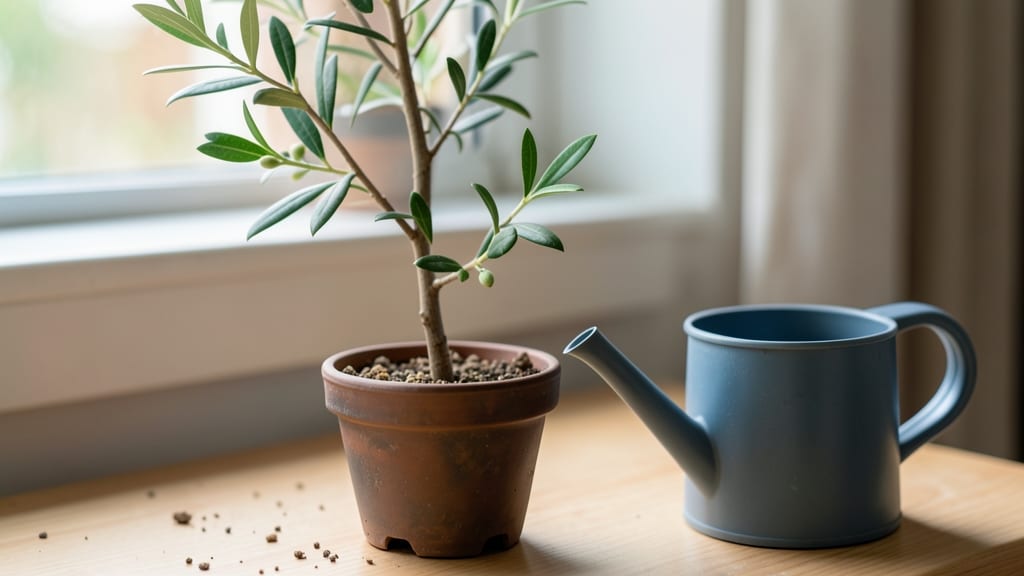
Growing an olive tree from a pit rewards you with a living piece of Mediterranean history—if you're willing to wait. 🌱 The journey starts with a simple pit from your grocery store table, but the real magic happens in the years of nurturing that follow.
I've watched my own olive sapling go from a stubborn sprout to a sturdy 18-inch plant, and the patience pays off in the silvery-green leaves and tiny, bitter olives that appear after years of care.
The trickiest part isn't the germination—it's the long game. Most people quit when nothing happens in the first few months, but olive pits can take 6 months to 2 years to sprout.
Once they do, you'll need well-draining soil, a sunny spot (think 6+ hours of direct light daily), and a watering routine that mimics the Mediterranean climate: deeply but infrequently. Overwatering is the #1 killer of young olive trees, so let the soil dry out completely between waterings.
By year three, you'll have a 3-foot sapling with the classic olive tree silhouette, though it won't bear fruit for another 5-10 years. The real payoff comes in the resilience—these trees thrive on neglect once established and can live for centuries.
Imagine sipping martinis under your own shade tree someday. That's the dream, and it starts with a single pit.
If you're in a colder climate, bring your sapling indoors before winter's first frost—olive trees hate cold snaps. The first few years are about building roots and structure, not fruit. Stick with it, and you'll have a living heirloom that outlasts you. Ready to start your olive tree journey?
📚 In This Guide
- What you need
- Instructions
- Tips and common mistakes
- Wrapping up and next steps
What you need
- ● Ready to turn that olive pit into a thriving tree? Here’s everything you’ll need to kickstart your green thumb adventure—from must-haves to nice-to-haves!
How to grow an olive tree from a pit: step-by-step guide
Here's how to transform a simple olive pit into a thriving young tree with patience and care.
🌱 Step 1: Prepare the Olive Pit for Germination
Start by selecting a fresh, plump olive pit from a ripe fruit. Rinse it thoroughly to remove any flesh, then place it between two paper towels. Fold the towels so the pit is snug but not crushed. This keeps moisture balanced—too wet and it rots, too dry and it won't sprout.
Put the wrapped pit in a sealed plastic bag and store it in a warm, dark place like your fridge's crisper drawer. Check it weekly for signs of mold or softness—if you see either, discard it immediately. Germination can take anywhere from 4-12 weeks, so don't rush it. You'll know it's ready when you see a tiny white root break through the paper towel.
💧 Step 2: Plant the Germinated Pit in Soil
Once the root appears, it's time to plant. Fill a small pot—at least 6 inches deep—with a well-draining mix of 50% potting soil and 50% perlite. Press the soil down lightly to create a firm base, then make a small hole about 1 inch deep in the center. Gently place the pit root-side down into the hole.
Cover the pit with soil, leaving just the top visible. Water lightly until moisture reaches the bottom of the pot, but avoid soggy soil. Place the pot in a sunny window or under a grow light for 12-14 hours daily. You'll see the first true leaves emerge in 2-4 weeks—this is your signal that the tree is actively growing.
☀️ Step 3: Care for the Sapling Through Its First Year
Keep the soil consistently moist but never waterlogged. Stick your finger 1 inch deep into the soil—if it feels dry, it's time to water. Olive trees thrive in full sun, so move your sapling outdoors once temperatures stay above 50°F at night. Start with 2-3 hours of sunlight daily, gradually increasing exposure over 7-10 days to avoid shock.
Fertilize lightly every 4-6 weeks during the growing season with a balanced, water-soluble fertilizer diluted to half strength. Prune any yellow or damaged leaves immediately to encourage healthy growth. By the end of the first year, your sapling should reach 12-18 inches tall with a sturdy stem.
✂️ Step 4: Transition to Year-Round Care
After the first year, repot your olive tree into a slightly larger container—8-10 inches deep—to accommodate its growing roots. Use the same well-draining mix and water thoroughly after transplanting. Reduce fertilization to every 8-12 weeks once the tree is established, as over-fertilizing can harm its development.
Olive trees are drought-tolerant once mature, but young trees need consistent moisture. In winter, reduce watering to every 2-3 weeks, letting the top 2 inches of soil dry out between waterings. Keep the tree in a cool, bright spot—50-60°F is ideal—until spring. With patience, your sapling will grow into a full-sized olive tree capable of producing fruit in 5-10 years.
Tips & tricks for perfect olive tree germination and growth
Transforming an olive pit into a thriving sapling takes patience, but these tricks will help you skip the common pitfalls and boost your success rate.
Germination Watch: The 4-12 week germination window can feel like forever, but consistency is key. Place your sealed bag in a warm spot—like the top of your fridge—where temperatures hover around 70°F. This warmth mimics Mediterranean spring conditions and speeds up the process. I’ve seen roots appear in as little as 3 weeks when kept consistently warm, so don’t give up if you don’t see immediate results.
Soil Mix Secret: While the 50/50 potting soil and perlite ratio works, I’ve found adding a handful of coarse sand to the mix improves drainage even more. Olive trees hate soggy roots, and this tweak prevents the common issue of mold or rot during the early planting stage. Press the soil firmly around the pit to eliminate air pockets—this creates a stable base for root development.
Lighting Strategy: Those critical 12-14 hours of daily light don’t have to come from direct sunlight. A simple LED grow light placed 6-8 inches above the pot works perfectly for indoor growing, especially in winter months when natural light is limited. If using a sunny window, rotate the pot daily so all sides get even exposure—this prevents lopsided growth as your sapling reaches for the light.
Outdoor Transition: When moving your sapling outdoors after the 50°F nighttime threshold, do it gradually over 7-10 days. Start with just 2-3 hours of morning sun to harden it off, then slowly increase exposure. I’ve seen saplings go into shock and drop leaves when moved too quickly—this gradual approach mimics natural seasonal changes and builds resilience.
Pro Tips for Grow An Olive Tree From A Pit
- Transforming an olive pit into a thriving sapling takes patience, but these tricks will help you skip the common pitfalls and boost your success rate.
- Germination Watch: The 4-12 week germination window can feel like forever, but consistency is key.
- Soil Mix Secret: While the 50/50 potting soil and perlite ratio works, I’ve found adding a handful of coarse sand to the mix improves drainage even more.
Frequently asked questions
Got questions about growing an olive tree from a pit? You’re not alone! Here are some of the most common queries—and their answers—to help you navigate this rewarding (but patient) process.
How long does it take for an olive pit to sprout?
Patience is key! Most olive pits take anywhere from 4 to 12 weeks to sprout, depending on moisture, temperature, and the pit’s viability. Some may even take months. Keep the soil consistently damp and warm (around 70–80°F) to speed things up.
Can I grow an olive tree indoors year-round?
Olive trees thrive indoors with bright, indirect light (a south-facing window or grow lights work best). Use a well-draining potting mix, and move it outside in spring/summer for stronger growth. Just avoid frost—olive trees are not cold-hardy until mature.
What if my olive pit never sprouts? Did I fail?
Not necessarily! Some pits are dormant or non-viable—olive pits have a low germination rate (often <10%). Try stratification (chilling the pit for 4–6 weeks) or test a few pits at once. If all fail, opt for a nursery-grown sapling instead!
How do I know if my young olive tree is healthy?
Healthy saplings show new growth, glossy leaves, and sturdy stems. Watch for yellowing leaves (overwatering), dry/brown tips (underwatering), or pests like spider mites. Prune leggy growth early to encourage a compact, bushy shape—critical for fruit production later!
Can I plant the olive tree outside in my climate?
Olive trees love USDA Zones 8–11 (mild winters). If you’re in a colder zone, grow it in a large container and bring it indoors for winter. In warmer areas, plant outdoors after the last frost, ensuring full sun (6+ hours/day) and well-draining soil.
Wrapping up and next steps
Growing an olive tree from a pit is a rewarding journey that blends patience with the joy of nurturing life!
With the right care—from proper soil preparation and watering routines to seasonal adjustments—your sapling can thrive and even bear fruit in time. 🌱 Whether you’re a beginner or a green thumb, every small step brings you closer to a lush, Mediterranean-inspired tree in your own backyard.
Ready to take the next step? Start by planting your first pit today and track its progress. Share your growth milestones with fellow gardeners—your success story might inspire others to try! For extra guidance, explore olive tree varieties or pruning tips to keep your tree healthy and happy.