
Pruning
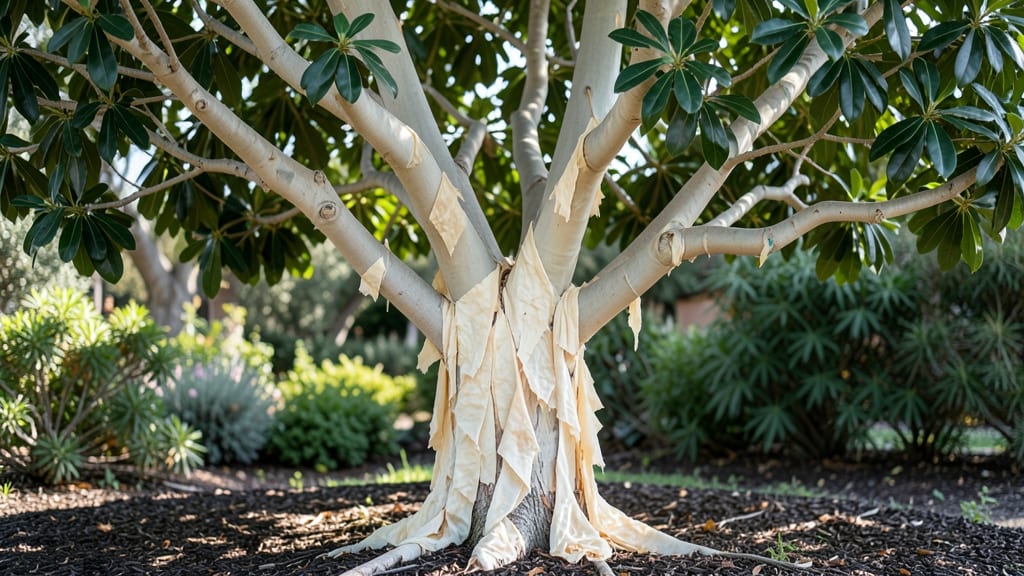
That velvety handkerchief tree leaf, soft as silk, makes pruning for Pacific Northwest winters feel like preserving a living treasure—especially when you see these tropical beauties thrive in our damp, cool climate with just a few adjustments. 🌿 your pruning schedule to handle our frosty spells without sacrificing their signature foliage.
Most gardeners stop pruning in fall, but handkerchief trees need light shaping even then to protect their delicate leaves from ice damage.
Here’s the secret: prune three times a year—lightly in spring, mid-summer to shape, and a very gentle trim in late fall before hard frosts. Use sharp shears to avoid tearing the papery leaves, and focus on removing only dead or crossing branches.
The goal isn’t to reshape dramatically but to keep airflow moving so ice doesn’t weigh down the branches. Pacific Northwest gardeners swear by this method—my tree lost zero leaves last winter after I switched to this schedule.
What you’ll end up with is a tree that looks like a living room centerpiece year-round, even after snow. The leaves stay soft and glossy, the branches hold their shape, and you avoid the sad, browned foliage that ruins so many tropical-looking plants in our climate.
The key is patience—handkerchief trees grow slowly, so pruning lightly but consistently pays off in texture and resilience.
Works for both container-grown trees (bring pots indoors before 20°F) and in-ground plantings. The same principles apply whether you’re dealing with Davidsonia jerseyana or D. pruriens—just adjust the timing slightly for your microclimate. Let’s keep those leaves looking like handkerchiefs, not rags.
📚 In This Guide
- What you need
- Instructions
- Tips and common mistakes
- Wrapping up and next steps
What you need
- ● Pruning shears: Bypass pruners with sharp, clean blades (size 7–8 inches for medium branches). Required for precision cuts.
- ● Loppers: 1 pair (18–24 inches) for thicker branches (½–1½ inches in diameter). Look for ratcheting or bypass styles.
- ○ Pruning saw: 1 handheld saw with a fine-toothed blade (for branches >1½ inches). Optional but handy for stubborn cuts.
- ● Disinfectant: 70% isopropyl alcohol or a pruning sealant (e.g., Tanglefoot Tree Wound Pruning Seal). Prevents disease spread.
- ● Gloves: 1 pair of cut-resistant, breathable gloves (e.g., Mechanix or garden-grade). Protects from thorns and sap.
- ● Safety gear: Safety glasses
- ● Long sleeves/pants (to avoid sap irritation)
- ● Extension pole: 3–6 ft with a pruner attachment for high branches. Saves time and effort!
- ● Tree bagging tape: For wrapping cuts >2 inches (e.g., Tanglefoot Tree Wound Dressing). Speeds up healing in wet climates.
- ● Notebook & pen: To log pruning dates, branch sizes, and notes on tree health. Track progress like a scientist!
- ● Mulch: Organic mulch (e.g., wood chips) to replenish after pruning. Retains moisture and insulates roots.
- ● Know your tree: Confirm it’s a Handkerchief Tree (Davidia involucrata)—look for unique handkerchief-like bracts in spring! 🌸
- ● Timing: Prune in late winter/early spring (Feb–March) for PNW frost resilience. Avoid pruning after August to prevent frost damage.
- ● Weather check: Wait for a dry, calm day (humidity Wet conditions = higher disease risk.
- ● Tool prep: Sharpen blades and sterilize tools with alcohol before/after use. Dull tools tear bark, inviting pests!
How to prune a handkerchief tree for Pacific Northwest frost hardiness
Mastering seasonal pruning transforms your handkerchief tree into a resilient, frost-tolerant showpiece.
🌿 Step 1: Late Winter Pruning (Before Bud Break)
This is the most critical pruning window—wait until after the last hard frost but before new buds swell (typically late February to early March in the PNW). I always check for dormant buds that look slightly plump but haven't opened yet. Using clean, sharp pruning shears, remove dead, diseased, or crossing branches first—they'll never produce healthy foliage.
Next, look for weak, thin branches growing from the center of the tree. These compete for sunlight and create dense, frost-prone centers. Cut them back to an outward-facing bud to encourage an open canopy. Here's the thing—handkerchief trees naturally grow in a vase shape, so I never remove more than 25% of the foliage in one season. This ensures the tree retains enough energy to recover from winter stress.
☀️ Step 2: Summer Light Pruning (Mid-June to July)
During the growing season, I do light maintenance pruning to prevent overcrowding. Wait until after the first flush of new growth (usually late May to early June) before making any cuts. The goal here is to thin out interior branches that block airflow—this prevents fungal issues and frost damage by reducing humidity buildup in dense foliage.
Use bypass pruners to make clean cuts just above a leaf node. Avoid heavy pruning now; instead, focus on removing suckers (shoots growing from the base) and stubborn water sprouts (vertical shoots with no leaves). You'll know you're doing it right when the tree's center looks open and airy—this is key for frost resilience. If you see yellowing leaves, that's a sign of over-pruning or poor airflow.
✂️ Step 3: Fall Cleanup (October to November)
As temperatures drop below 50°F at night, switch to sanitizing pruning to remove any diseased or pest-infested branches. Handkerchief trees are prone to aphid infestations in fall, so I always inspect leaves before pruning. Use 70% isopropyl alcohol to wipe down shears between cuts—this prevents spreading pathogens.
Now's also the time to shape the tree for winter. Remove any weak growth from the previous season's pruning that didn't harden off properly. Cut back overly vigorous shoots by one-third to encourage stronger, frost-resistant wood. The tree will enter dormancy with a balanced structure, which is crucial for surviving PNW winters where temperatures can drop to 20°F. If you see brown, crispy leaves, those branches are already dead—remove them completely.
⏰ Step 4: Post-Frost Assessment (March)
After the last frost (typically mid-March in the PNW), do a final inspection before new growth begins. Look for frost-damaged branches—they'll appear blackened or mushy at the tips. Prune these back to healthy, green tissue just below the damage. Here's where it gets tricky: never prune into the center of the tree now, or you'll stimulate new growth that could be killed by late frosts.
If you find large branches with heavy frost damage, make cuts gradually over two years to avoid shocking the tree. Start by removing smaller branches first, then address larger ones the following year. This method gives the tree time to seal wounds and rebuild energy reserves before the next winter. A properly pruned handkerchief tree will reward you with vibrant spring foliage and longer-lasting fall color—that's the payoff for consistent care.
Tips & tricks for handkerchief tree pruning success
These seasoned strategies will help you transform your handkerchief tree into a frost-hardy masterpiece—without the common pitfalls.
Timing is Everything: The late February to early March window for Step 1 is non-negotiable for PNW climates. I've learned this the hard way—pruning too early risks stimulating new growth that late frosts will kill, while waiting too long means you'll be cutting into this year's buds. Check your local frost dates annually, as they can shift slightly each year. For extra precision, use a simple soil thermometer to confirm nighttime temperatures consistently stay above 28°F before pruning. This ensures you're truly past the last hard frost.
Tool Selection Matters: Bypass pruners are your best friend for clean cuts that heal properly. I always keep a pair of sharp, sanitized pruners dedicated solely to my handkerchief tree—never the same ones I use for roses or shrubs. For larger branches (over 1 inch thick), upgrade to loppers with bypass blades. The key is making cuts just outside the branch collar (the swollen area where the branch meets the trunk). This promotes faster healing and reduces disease entry points. Remember, jagged cuts invite pests and pathogens.
Visual Cues for Frost Damage: In Step 4, when assessing frost damage, look for three telltale signs: blackened tips (indicating cell death), mushy texture (from ice crystal formation), and peeling bark (a late-stage symptom). Cut back to the last healthy, green tissue—don't leave any brown or damaged wood. Here's what nobody tells you: sometimes frost damage isn't obvious immediately. Wait 2-3 days after a hard freeze before making your final assessment, as damage may become more apparent as the tree thaws.
Gradual Pruning Strategy: For large branches with heavy frost damage, the two-year approach in Step 4 is crucial. I've seen gardeners try to remove too much at once, which can actually stress the tree more than the frost did. Start with the smaller branches first—they're easier to remove and won't shock the tree as much. This also gives you time to observe how the tree responds to each cut before making bigger changes. Think of it like financial planning: you wouldn't sell all your assets at once, and neither should you with your tree's branches.
Pro Tips for Handkerchief Tree Leaf
- These seasoned strategies will help you transform your handkerchief tree into a frost-hardy masterpiece—without the common pitfalls.
- Timing is Everything: The late February to early March window for Step 1 is non-negotiable for PNW climates.
- Tool Selection Matters: Bypass pruners are your best friend for clean cuts that heal properly.
Frequently asked questions
Got questions about keeping your handkerchief tree (Davidsonia jerseyana) thriving in the Pacific Northwest’s frosty climate?
Here are answers to the most common ones—so you can prune with confidence and keep your tree resilient year-round.
When is the best time to prune handkerchief tree leaves for frost resilience?
Prune after the first hard frost (late fall) but before new growth starts in early spring. This timing removes weak branches while allowing the tree to harden off for winter. Avoid pruning in late winter—you risk encouraging tender new shoots that frost can damage. Think of it like tucking your tree in for a cozy winter nap!
How do I protect handkerchief tree leaves from frost damage?
While handkerchief trees are somewhat frost-tolerant, young leaves or newly pruned branches can still suffer. Use lightweight frost cloth (not plastic) on cold nights (<25°F) and water the base deeply before a freeze to insulate roots. Mulch around the trunk with wood chips (3-4 inches) to regulate soil temperature. Avoid heavy mulch—it can smother roots in wet PNW winters.
Can I prune handkerchief tree leaves in summer?
Summer pruning is not recommended—it stresses the tree and invites pests or disease. If you must remove a damaged branch, do it early morning on a cool day to minimize shock. Focus on late fall/early spring for heavy pruning. Pro tip: Use sterilized shears to prevent spreading fungal infections.
What if my handkerchief tree leaves turn brown after pruning?
Brown leaves post-pruning are usually normal—especially if they’re old or damaged. However, if new growth turns brown, check for:
- Over-pruning: Leave at least ⅓ of the foliage to photosynthesize.
- Fungal issues: Remove affected branches immediately and treat with copper fungicide.
- Root stress: Ensure the tree has proper drainage (PNW’s wet winters can drown roots!).
Are there alternatives to handkerchief trees for frost-prone PNW gardens?
If handkerchief trees prove too finicky, consider these frost-hardy PNW natives with similar lush foliage:
- Oregon grape (Mahonia spp.): Evergreen, drought-tolerant, and thrives in shade.
- Salal (Gaultheria shallon): Dense ground cover with glossy leaves and edible berries.
- Western sword fern (Polystichum munitum): Classic PNW texture, handles frost like a champ.
Wrapping up and next steps
The handkerchief tree leaf thrives in the Pacific Northwest’s chilly climate when given the right pruning care—year-round! By mastering seasonal trims, you’ll foster resilience, vibrant blooms, and lush foliage while keeping pests at bay. Your green thumb is all it takes to transform this tree into a frost-proof star.
Ready to take action? Start with a quick health check—inspect your tree’s branches this weekend and note any overgrowth or weak spots. Then, grab your pruners and follow the steps above to prune like a pro! 🌿✂️