
Size
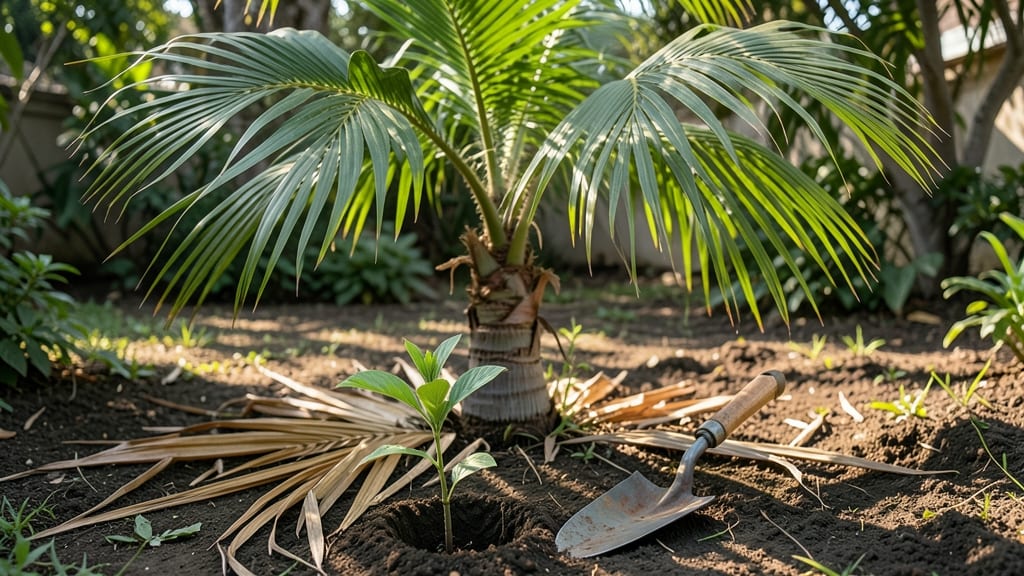
Growing a coconut tree from seed isn’t just possible—it’s the most rewarding way to bring a tropical canopy to your yard, no matter where you live. 🌴 I’ve grown mine from a store-bought coconut, and the first fronds unfurling after three years still give me chills.
The key? Patience, the right climate hacks, and knowing exactly when to move it outdoors.
You’ll need a warm spot—either a sunny patio, greenhouse, or frost-free zone—since coconut trees hate cold. Start indoors with a seed in a well-draining mix, keeping it moist but not soggy.
Once it’s 3–4 feet tall, transplant it outside in USDA Zones 10–12 or grow it as a container plant you bring in during winter. The slow start pays off: mature trees can reach 60+ feet and produce coconuts in 5–10 years.
Expect lush, feathery fronds and that unmistakable tropical vibe, even if you’re not in Hawaii. With proper care—regular watering, occasional fertilizer, and protection from wind—your tree will thrive. The biggest challenge?
Frost. One freeze can kill it, so plan ahead if you live north of Zone 9. But the payoff—a real coconut tree in your landscape—is worth every wait.
Whether you’re in Florida or California, this method works for both outdoor and indoor growers. Just remember: coconut trees grow like a dream when conditions are right, but they’re not a quick fix. Think of it as a 20-year investment in tropical beauty. Ready to start your seed?
📚 In This Guide
- What you need
- Instructions
- Tips and common mistakes
- Wrapping up and next steps
What you need
- ● Coconut seed (nut): A fresh, mature coconut with a green husk (not dried out). Look for one with a plump, firm shell and a white, moist interior.
- ● Well-draining soil mix: 50% potting soil (or garden soil if planting outdoors)
- ● 30% perlite or coarse sand (for aeration)
- ● 20% compost or coconut coir (for nutrients)
- ○ Container (optional but recommended for colder climates): Minimum 15-gallon pot (24" diameter) for young trees
- ● Drainage holes mandatory to prevent root rot
- ● Lightweight material (e.g., plastic or fabric) for easy mobility
- ● Watering can or hose with a gentle spray nozzle (to avoid damaging the seedling).
- ● Fertilizer (low-nitrogen, tropical blend): Start with a balanced 10-10-10 or 8-3-9 formula (diluted to half-strength)
- ○ Optional: Organic options like worm castings or fish emulsion
- ● Pruning shears (for trimming dead leaves or adjusting pots later).
- ● pH testing kit (ideal soil pH: 5.5–6.5).
- ○ Mulch (optional): Pine straw or shredded bark (2–3 inches thick) to retain moisture.
- ● Sunlight meter or grow lights (if indoors; coconut trees need 6+ hours of direct light daily).
- ○ Heat mat (optional for indoor growers): Helps maintain 75–85°F soil temps during germination.
- ● Warmth: Coconut trees thrive in USDA Zones 10–12 (or indoors with proper care). Minimum winter temp: 50°F (10°C).
- ● Humidity: 60%+ humidity (use a humidifier or pebble tray indoors).
- ● Wind protection: Young trees need shelter from strong winds (use stakes or a windbreak).
- ● Space: Mature trees can reach 100+ feet tall—plant outdoors only if you have ample yard space!
Step-by-Step instructions for cultivating a coconut tree indoors or outdoors
Here's how to grow a coconut tree from a nut—tropical beauty is within reach.
🌱 Step 1: Select and Prepare the Coconut Nut
Choose a fresh, unrefrigerated coconut with a firm husk and intact brown shell. The key is finding one that's already germinating—look for a small white sprout emerging from one of the three eyes (the circular indentations). This sprout signals the nut is ready for planting.
Remove the husk by carefully prying it away with a sharp knife, exposing the hard brown shell. Rinse the nut thoroughly under warm water to remove any remaining husk fibers. Here's the thing—don't skip this step. Residual husk can trap moisture and invite rot during germination.
💧 Step 2: Germinate the Nut in Water
Fill a shallow container with about 2-3 inches of water and place the coconut nut so that the sprout side is facing upward. The nut should float with about half submerged. Change the water every 3-4 days to prevent bacterial growth, and keep the container in a warm spot with indirect sunlight.
Germination takes 4-12 weeks, depending on temperature and humidity. You'll know it's ready when the sprout grows to about 6 inches long and the root system develops. The root will appear as a cluster of white tendrils emerging from the base. Don't rush this process—patience here ensures a strong, healthy start.
☀️ Step 3: Plant the Germinated Nut in Soil
Choose a container with drainage holes that's at least 12 inches deep and wide to accommodate the coconut's extensive root system. Use a well-draining potting mix designed for tropical plants. Fill the container to about 2 inches from the top and create a small hole in the center.
Remove the coconut from the water and gently plant it so that the root system is buried, but the sprout remains above soil level. Press the soil lightly around the nut to secure it. Water thoroughly until water drains freely from the bottom holes. Place the container in a location with bright, indirect light for the first few weeks.
🌿 Step 4: Provide Optimal Growing Conditions
Coconut trees thrive in warmth and humidity. Maintain soil moisture by watering when the top 1-2 inches feel dry. Avoid letting the soil become soggy, as this can lead to root rot. Increase humidity around the plant by placing the container on a tray filled with pebbles and water, or by using a humidifier.
Gradually introduce the tree to more direct sunlight over 2-3 weeks, starting with 2-3 hours per day and increasing to 6-8 hours as the plant matures. You'll see new leaves emerge within a few months, signaling healthy growth. Fertilize lightly with a balanced, water-soluble fertilizer every 2-3 months during the growing season.
⏰ Step 5: Transition to Outdoor Conditions (If Applicable)
If you're growing the coconut tree outdoors in a tropical or subtropical climate, wait until the plant is at least 2 feet tall and has developed several fronds before transplanting. Choose a location with full sun exposure and well-draining soil. Dig a hole twice as wide as the container and plant the coconut tree so that the root ball is level with the surrounding soil.
Water deeply after transplanting and mulch around the base to retain moisture. In cooler climates, keep the coconut tree in a container and bring it indoors during winter months. Real talk: coconut trees are sensitive to cold—temperatures below 50°F can damage or kill the plant, so plan accordingly.
Tips & tricks for growing a thriving coconut tree
Growing a coconut tree from a nut is a rewarding journey—here's what I've learned to ensure success.
The Sprout Check: In Step 1, that tiny white sprout you're looking for should be about the size of a pencil eraser when you start. If you can't find one, try soaking the coconut in warm water for 24 hours—sometimes dormant nuts will sprout faster with a little encouragement. The sprout's position (always facing upward) is crucial for proper germination.
Germination Environment: During the 4-12 week germination period in Step 2, maintain water temperature between 75-85°F for fastest results. I place my container on top of my refrigerator (not inside) where it stays warm and humid. Avoid direct sunlight during this phase—bright, indirect light is key to prevent overheating and bacterial growth in the water.
Soil Preparation Tip: When planting in Step 3, mix your well-draining potting soil with perlite or coarse sand (about 20% perlite) to improve aeration. Coconut roots need excellent drainage to prevent rot. I also add a handful of worm castings to the soil mix for natural nutrients that support early growth.
Light Transition Strategy: For the 2-3 week sunlight acclimation in Step 4, I recommend using a sheer curtain to diffuse sunlight during the first week. This prevents leaf scorch while still allowing plenty of light. Gradually remove the curtain each day to increase exposure—your plant will thank you with vibrant new fronds.
Pro Tips for How Do I Grow A Coconut Tree
- Growing a coconut tree from a nut is a rewarding journey—here's what I've learned to ensure success.
- The Sprout Check: In Step 1, that tiny white sprout you're looking for should be about the size of a pencil eraser when you start.
- Germination Environment: During the 4-12 week germination period in Step 2, maintain water temperature between 75-85°F for fastest results.
Frequently asked questions
Got questions about growing your own coconut tree? You’re not alone—many first-time growers have the same curiosities! Below, we’ve rounded up the most common questions and straightforward answers to help you succeed. Whether you’re dealing with climate challenges, patience testing, or space constraints, we’ve got you covered.
How long does it take for a coconut tree to grow from seed?
A coconut tree grown from seed can take 5–10 years to bear fruit, depending on the variety and growing conditions. Patience is key—young trees focus on root and trunk growth before flowering. For faster results, consider grafting or buying a young sapling from a nursery.
Can I grow a coconut tree in a cold climate?
Coconut trees (Arecaceae) thrive in USDA Zones 10–11 and need warm temperatures year-round. In colder climates, grow them in containers and move them indoors or to a greenhouse during winter. Some hardier varieties (like Cocos nucifera hybrids) tolerate brief cold snaps better, but frost will kill them.
Do coconut trees need a lot of space?
Mature coconut trees can reach 60–100 feet tall with a wide canopy, so they need plenty of space—at least 20 feet in diameter. If you’re short on yard space, opt for dwarf varieties (like ‘Malayan Dwarf’) or grow them in large containers (15+ gallons) on patios or balconies.
What are the most common pests or diseases affecting coconut trees?
Watch for coconut rhinoceros beetles, leaf-eating caterpillars, and root rot (from overwatering). Yellowing leaves may signal nutrient deficiencies (like potassium or magnesium). Use neem oil for pests and ensure well-draining soil to prevent fungal issues. Prune dead fronds regularly to improve airflow.
Can I grow a coconut tree indoors?
Yes, but with limitations! Young coconut trees can thrive indoors near bright, indirect sunlight (south-facing windows or grow lights). Use a large pot with drainage and keep humidity high (mist leaves or use a pebble tray). Expect slower growth—outdoor conditions are ideal for long-term health and fruiting.
Still stumped? Drop your question in the comments—we’re happy to help!
Wrapping up and next steps
Growing a coconut tree is a rewarding journey that brings a taste of the tropics to your backyard—even in cooler climates! 🌴 With the right variety, soil, and care, you can nurture a thriving palm that offers shade, beauty, and eventually, fresh coconuts.
Start small, stay patient, and don’t hesitate to experiment with containers or microclimates to find what works best for you.
Ready to take the next step? Pick your coconut variety, gather your supplies, and plant with confidence. Whether you’re dreaming of a lush patio oasis or a future harvest, your tropical canopy is just a seedling away! 🌱✨