
Propagation
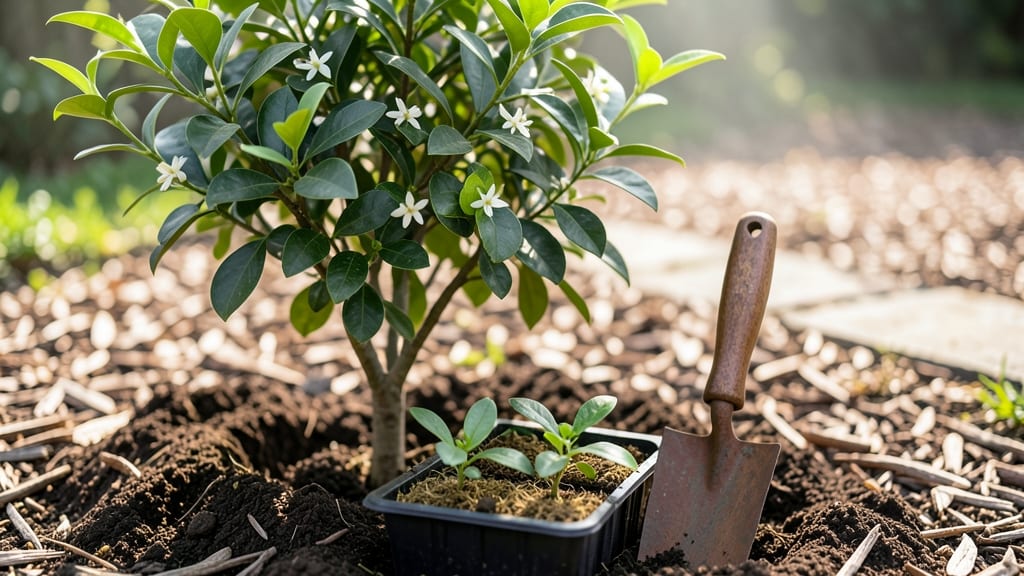
Growing a lime tree from seed is the ultimate patience test that pays off with a fragrant, sun-drenched canopy. 🌿 I still remember the first time I cracked open a lime seed and imagined the future tree—it took three years, but that first blossom was worth every wait.
The process isn’t just about propagation; it’s about creating a living piece of the tropics in your own yard.
You’ll need just a few supplies: lime seeds (from organic fruit, never store-bought), a small pot with drainage, well-draining potting mix, and a sunny windowsill or grow light. The key is consistency—keep the soil moist but never soggy, and expect germination to take anywhere from two weeks to two months.
Most people quit too soon, but with steady care, those first leaves will appear like magic.
By the time your seedling reaches 12 inches, you’ll have a sturdy little tree with a real chance of surviving outdoors in warmer climates.
It might take five to ten years before it bears fruit (if at all—seed-grown trees often prioritize growth over fruiting), but the glossy foliage and citrusy scent alone make it worth the journey. The real reward is watching it grow from a tiny sprout into a statement plant.
Even if you live in a cooler zone, this project teaches you how to nurture a tropical plant through its early stages. The lessons in patience and soil care apply to everything from avocados to citrus—so grab those seeds and let’s get started.
Your future shade tree is waiting in that little pit.
📚 In This Guide
- What you need
- Instructions
- Tips and common mistakes
- Wrapping up and next steps
What you need
- ● Lime seeds: 2–4 fresh, plump seeds (from a ripe lime—organic or seedless varieties work best). Pro tip: 💡 Save seeds from a Key lime or Persian lime for the best results!
- ● Well-draining potting mix: 1 small pot (4–6 inches in diameter) filled with a mix of 50% peat moss or coconut coir and 50% perlite or coarse sand.
- ● Plastic wrap or humidity dome: To create a mini greenhouse effect.
- ● Spray bottle: For gentle watering (avoid soaking the soil).
- ● Small plastic bag or container: With a lid (for seed stratification, if needed).
- ● Scissors or knife: For cutting plastic wrap or seed pods (if needed).
- ○ Heat mat (optional): Keeps soil warm (70–85°F) to speed up germination.
- ● Grow lights or sunny windowsill: A bright spot with 6+ hours of indirect light daily.
- ● Fertilizer (balanced, 10-10-10 or seaweed-based): Once seedlings sprout, dilute to half-strength.
- ● Larger pots (6–12 inches): For transplanting as the tree grows.
Step-by-Step instructions for growing a lime tree from seed
Here's how to turn a single lime seed into a thriving tropical tree.
🌱 Step 1: Extract and Prepare the Seeds
Start with fresh lime seeds—older seeds germinate poorly. Cut the lime in half and scoop out the seeds with a spoon, rinsing them gently to remove any pulp. Here's the thing—lime seeds have a hard outer shell that slows germination, so we'll soak them first to speed things up.
Place the seeds in a small bowl of lukewarm water and let them soak for 24-48 hours. You'll know they're ready when the outer coating softens and you can gently press your fingernail into the shell. Drain and let them sit uncovered for 1 hour to dry slightly before planting—this prevents rot.
🪴 Step 2: Plant the Seeds in a Moist Growing Medium
Fill a small pot (about 3-4 inches deep) with a mix of 50% potting soil and 50% perlite or sand—this ensures good drainage while keeping moisture. Press the soil down lightly so it's firm but not packed, then make a small hole about ½ inch deep with your finger.
Place 1-2 seeds in each hole (since germination rates vary) and cover them with a thin layer of soil, barely enough to hide them. Gently pat the soil down so the seeds stay in place. Water lightly until the soil feels evenly moist—like a damp sponge—not soggy. Place the pot in a warm spot (around 70-75°F) where it won't be disturbed.
💧 Step 3: Maintain Warmth and Moisture for Germination
Cover the pot with a clear plastic bag or humidity dome to trap warmth and moisture—lime seeds thrive in humid conditions. Check the soil daily and mist lightly if it feels dry to the touch. You'll see sprouts in 2-4 weeks, but don’t rush it: some seeds take longer, especially if your home runs cooler.
Once the seedlings emerge, remove the plastic immediately to prevent fungal growth. Place the pot near a bright window (south-facing is ideal) or under a grow light for 12-14 hours daily. If the soil dries out, water gently at the base—avoid wetting the leaves, which can cause rot.
☀️ Step 4: Transplant and Provide Proper Light
When the seedlings reach 4-6 inches tall and have 2-3 sets of true leaves, it’s time to transplant them into individual 6-inch pots. Use the same soil mix (potting soil + perlite) to avoid shocking the roots. Handle the seedlings carefully—they’re delicate at this stage.
Move the pots to a location with bright, indirect light for the first week to help them adjust. After that, gradually introduce more direct sunlight (up to 4-6 hours daily) to strengthen the stems. If you notice the leaves yellowing or the stems stretching too tall, your tree needs more light—adjust the position or add a grow light.
🌿 Step 5: Prune and Train for a Strong Structure
Once your lime tree reaches 12-18 inches tall, it’s time to shape it. Pinch off the top set of leaves to encourage bushier growth—this prevents the tree from growing too leggy. You’ll also want to trim any yellow or damaged leaves to redirect energy into healthy growth.
Real talk: Lime trees grow slowly, so be patient. Keep the soil consistently moist (but not waterlogged) and fertilize lightly every 2 months with a balanced, water-soluble fertilizer. By the time it’s a year old, you’ll start seeing the classic tropical canopy shape if you’ve been pruning regularly.
⏰ Step 6: Prepare for Outdoor Transition (If Desired)
If you live in a warm climate, you can eventually move your lime tree outdoors—but only after it’s at least 2 years old and has developed a sturdy trunk. Harden it off by placing it outside for 1-2 hours daily over 2 weeks, gradually increasing exposure to sun and wind.
Once outdoors, choose a spot with full sun (6+ hours daily) and well-draining soil. Mulch around the base to retain moisture and protect the roots. Even in containers, lime trees can grow quite large, so plan for a 15-gallon pot or larger within a few years. With care, your seedling could eventually produce fruit—though it may take 5-10 years!
Tips & tricks for growing a lime tree from seed
Here's what nobody tells you about growing a lime tree from scratch—these tricks make all the difference.
Soaking Strategy: Don't just soak your lime seeds for the full 24-48 hours if you're eager to see results. Check them at the 24-hour mark—if the outer shell feels soft enough to dent with your fingernail, you can plant them right away. This speeds up germination without compromising success. Just remember to drain and dry them for that crucial 1 hour before planting to prevent rot.
Germination Environment: The 70-75°F temperature range mentioned is ideal, but if your home runs cooler, consider using a seedling heat mat underneath the pot. These inexpensive tools provide consistent warmth and can cut your germination time significantly. Place the pot on the mat, cover it as directed, and you'll likely see sprouts within the 2-4 week window instead of waiting longer.
Light Transition: When moving your seedlings from bright indirect light to direct sunlight in Step 4, do it gradually over at least 5-7 days. Start with just 1-2 hours of direct sun per day, then increase by 1 hour every few days. This slow transition prevents sunburn on delicate young leaves. I've seen seedlings get crispy brown patches when moved too quickly—trust me, it's not pretty.
Pruning Insight: That first pruning at 12-18 inches isn't just about shaping—it's about encouraging your lime tree to develop a strong, bushy structure from the start. When you pinch off the top set of leaves, you're telling the plant to put energy into side branches rather than growing tall and leggy. This creates a more compact, productive tree in the long run. Think of it as giving your tree a good haircut to build confidence!
Pro Tips for Lime Tree From Seed
- Here's what nobody tells you about growing a lime tree from scratch—these tricks make all the difference.
- Soaking Strategy: Don't just soak your lime seeds for the full 24-48 hours if you're eager to see results.
- Germination Environment: The 70-75°F temperature range mentioned is ideal, but if your home runs cooler, consider using a seedling heat mat underneath the pot.
Frequently asked questions
Got questions about growing a lime tree from seed? You’re not alone—this tropical adventure comes with its own set of curiosities! Here are answers to the most common queries to help you navigate the process like a pro.
How long does it take for a lime tree seed to germinate?
A lime seed typically germinates in 1–3 weeks under ideal conditions (warmth, moisture, and indirect light). Keep the soil consistently damp but not soggy, and place the pot in a warm spot (around 70–85°F). Patience is key—some seeds may take up to a month!
Can I grow a lime tree indoors, or does it need outdoor conditions?
Start indoors in a sunny window or under grow lights for the first 6–12 months. Once your seedling is sturdy (about 1–2 feet tall), transplant it outdoors in a warm, frost-free climate (zones 9–11) or grow it in a large container year-round. Just ensure it gets 6+ hours of sunlight daily.
When will my lime tree from seed produce fruit?
Don’t expect limes overnight—most homegrown lime trees take 3–5 years to bear fruit, depending on care, variety, and growing conditions. Dwarf varieties (like ‘Mexican Lime’) may fruit sooner, but patience pays off! Prune regularly to encourage growth and pollinate by hand if needed (though lime trees are self-pollinating).
Why isn’t my lime seed sprouting? Troubleshooting tips?
If your seed isn’t germinating, check these common culprits:
- Cold soil: Lime seeds need warmth—try a heat mat or move the pot to a warmer spot.
- Too dry/wet: Keep soil consistently moist (not waterlogged). Mist lightly if needed.
- Low light: Place near a sunny window or use a grow light.
- Old/viable seed: Test freshness by floating the seed in water—if it sinks, it’s likely good!
Are there faster-growing lime tree alternatives?
If you’re eager for fruit, consider these shortcuts:
- Grafted trees: Nursery-bought lime trees (like ‘Bearss’ or ‘Key Lime’) grow faster and fruit sooner but cost more.
- Air-layering: Propagate a cutting from a mature lime tree for a genetically identical (and faster-growing) clone.
- Hybrid varieties: Some cold-hardy hybrids (e.g., ‘Swingle Citrumelo’) tolerate cooler climates better.
Wrapping up and next steps
Growing a lime tree from seed is a rewarding journey that connects you to nature’s tropical charm—right in your own backyard! 🌱 With patience, the right tools, and a little care, you’ll soon enjoy the sweet scent of blossoms and the tangy promise of homegrown limes. Ready to nurture your seedling further? Once your tree is thriving, consider transplanting it to a larger pot or garden spot, or even share the love by propagating more seeds.
The possibilities are as bright as your future harvest!
🌿 Next Steps:
- Monitor growth: Keep an eye on your seedling’s progress and adjust care as needed.
- Experiment: Try growing different citrus varieties to expand your tropical collection!
- Share tips: Inspire others by documenting your journey—post updates or photos online!