
Propagation
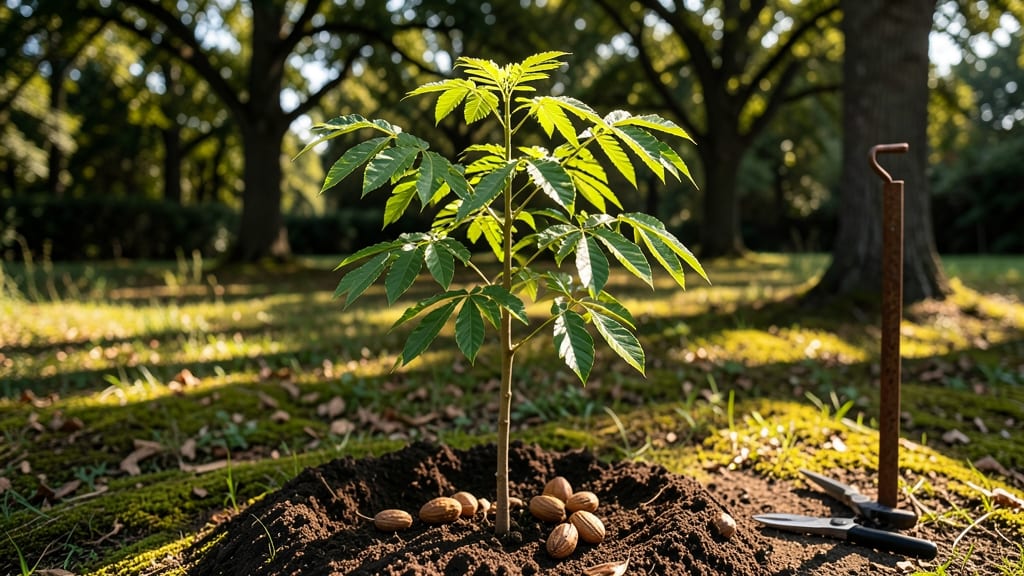
Growing pecan nut trees from seed is a five-year patience test that pays off with trees reaching 15 feet tall and producing your own nuts.
I planted my first pecan seeds after a neighbor’s tree dropped a bushel of them—now, three years later, I’ve got sturdy saplings that’ll eventually shade my backyard and feed my family.
The key isn’t rushing germination but creating the right conditions for those tiny seeds to wake up slowly and strong.
You’ll need raw pecan seeds (not store-bought, which are often treated), a seedling tray or small pots, and a moist, well-draining mix of sand and peat. The real trick? Stratification—mimicking winter’s cold to break dormancy.
After soaking seeds for 24 hours, I bury them in damp sand in the fridge for 60-90 days, checking monthly for sprouts. This step alone cuts germination time from years to months, and it’s where most beginners trip up.
Once sprouted, transplant seedlings into 5-gallon pots with full sun and deep watering twice a week. They’ll grow 6-12 inches their first year, but don’t expect nuts until year 5 or 6—that’s when roots dive deep enough to support heavy harvests.
The payoff? Trees that live centuries, produce hundreds of pounds of nuts per season, and become the centerpiece of your landscape.
Here’s the secret to success: space them 30 feet apart (they’re not shy about spreading), mulch heavily to retain moisture, and watch for aphids or borers—both love young pecans. With this approach, you’re not just growing a tree; you’re planting a legacy. Ready to start?
📚 In This Guide
- What you need
- Instructions
- Tips and common mistakes
- Wrapping up and next steps
What you need
- ● Fresh pecan seeds: 5–10 viable pecan nuts (ensure they’re not roasted or salted—raw, fresh seeds only!)
- ● Sharp pruning shears or knife: For cracking open the pecan shells (sterilize with rubbing alcohol first!)
- ● Well-draining potting mix: 1–2 bags of a blend designed for seed starting or nut trees (add perlite or sand for extra drainage)
- ● Small seed-starting trays or biodegradable pots: 4–6 inches deep, with drainage holes (or repurpose egg cartons for budget-friendly starts!)
- ● Plastic wrap or humidity dome: To create a mini greenhouse effect while seeds germinate
- ● Spray bottle with water: For gentle hydration (avoid overwatering—pecan seeds hate soggy soil!)
- ● Grow lights or sunny windowsill: Pecan seeds need warmth (75–85°F) and light (12+ hours/day) to germinate
- ● Patience and a notebook: Track germination dates, soil moisture, and growth milestones!
- ● Seed stratification kit: If your climate is cold, a refrigeration setup (40–50°F for 30–60 days) can boost germination rates
- ● Soil moisture meter: Pecan seeds need consistent moisture—don’t guess!
- ● Compost or worm castings: Mix into soil for nutrient-rich growth
- ● Tree guards or stakes: For transplanting young saplings outdoors (protect from critters and wind!)
- ● Fungicide (organic, like neem oil): Prevents mold or rot during the damp germination phase
Step-by-step guide to growing pecan trees from seed
Patience pays off with these hardy trees—here’s how to nurture them from seed to sapling.
Harvest and Stratify Fresh Pecan Seeds
Collect mature pecans in late fall after they’ve fallen naturally from the tree. The key is proper stratification to break dormancy—place seeds in a sealed container with slightly damp sand or peat moss, then refrigerate for 90-120 days at 35-40°F. Check monthly to ensure the mix stays moist but not soggy; soggy conditions invite mold.
Stratification mimics winter’s natural chilling period, tricking the seed into thinking spring has arrived. I like to label containers with the harvest date so I don’t lose track. Once the seeds show tiny root hairs (about 3-4 inches long), they’re ready for planting—usually around early spring.
Plant Seeds in Well-Draining Soil
Fill a 4-inch deep container with a mix of equal parts potting soil and coarse sand—this prevents root rot. Plant each seed 1 inch deep, spacing them 3-4 inches apart if using a tray. Water gently until the soil feels evenly moist but not waterlogged. A light misting with a spray bottle works best to avoid displacing seeds.
Place the container in a warm, bright spot (like a sunny windowsill) where temperatures stay between 70-75°F. Germination can take 2-4 weeks, but don’t rush it—pecan seeds are slow to sprout. If the soil surface dries out, add water, but avoid overwatering, which causes seeds to rot before they sprout.
Transplant Seedlings to Larger Pots
Once seedlings reach 6-8 inches tall with 4-5 true leaves, it’s time to upgrade. Choose 1-gallon pots with drainage holes and fill them with well-draining garden soil. Gently remove the seedling, keeping the root ball intact, and replant at the same depth it was growing before.
Water thoroughly after transplanting, then place the pots in partial sun (morning sun, afternoon shade) for the first 2 weeks to prevent shock. Gradually increase sunlight exposure over 10 days until seedlings are in full sun for 6-8 hours daily. This slow acclimation strengthens stems and prevents leaf scorch.
Harden Off and Plant Outdoors
When nighttime temperatures consistently stay above 50°F and there’s no frost forecast, it’s time to move outdoors. Start by placing seedlings in a sheltered, shaded spot for 2-3 hours the first day, then gradually increase exposure over 10-14 days. This process, called hardening off, prepares them for full sun and wind.
Choose a sunny, well-draining location in your yard with plenty of space—pecan trees grow 50-75 feet tall at maturity. Dig a hole twice as wide as the root ball but no deeper. Loosen the roots slightly before placing the seedling in, then backfill with native soil. Water deeply to settle the soil and remove any air pockets.
Maintain and Prune for Healthy Growth
Young pecan trees need 1-2 inches of water weekly during dry spells, but avoid overwatering—these trees are drought-tolerant once established. Mulch around the base with 2-3 inches of organic mulch (like wood chips) to retain moisture and suppress weeds, but keep mulch 6 inches away from the trunk to prevent rot.
Prune in late winter to remove dead or crossing branches. Focus on opening the canopy to improve airflow, which reduces disease risk. Pecan trees develop strong root systems, so avoid heavy pruning—this can stress the tree and delay nut production. With proper care, you’ll see first nuts in 5-7 years, but the real reward comes in 10-15 years when the tree reaches full productivity.
Tips & tricks for growing pecan trees from seed
A few key insights will help you navigate the patience required for cultivating these magnificent trees from seed.
Stratification Precision: The 90-120 day stratification period at 35-40°F is non-negotiable for breaking pecan seed dormancy. I've found using a clear container with a tight lid helps monitor moisture levels without opening it frequently. Place a small thermometer inside to ensure consistent temperature—fluctuations above 45°F can trigger premature sprouting. The tiny root hairs you're watching for should appear within the final 30 days of stratification, signaling readiness for planting.
Germination Environment: Maintaining that 70-75°F window during germination is crucial, but don't be tempted to use heat mats. Pecan seeds are sensitive to excessive heat, which can cause uneven sprouting or even seed death. A sunny windowsill works perfectly—just rotate your containers daily for even light exposure. The 2-4 week germination window is wide because each seed has its own internal clock; don't assume failure if some seeds take longer to sprout.
Transplanting Technique: When your seedlings reach 6-8 inches with 4-5 true leaves, handle them with care during the transplant to 1-gallon pots. The key is maintaining that same planting depth—any deeper and you risk suffocating the roots, any shallower and you'll expose them to drying. After transplanting, I like to give the soil a gentle squeeze to test moisture—it should feel like a wrung-out sponge, not a damp paper towel. This initial watering after transplanting helps settle the soil around delicate roots.
Harden Off Gradually: The 10-14 day hardening off period is where most beginners rush the process. Start with just 2-3 hours of shade on day one, then increase by 1-2 hours daily. Watch for wilting or yellowing leaves—this is your signal to slow down. I've seen trees that looked perfect indoors completely collapse when moved too quickly to full sun. Remember, pecan trees are native to hot climates, but they still need time to acclimate to direct sunlight and outdoor winds.
Pro Tips for Grow Pecan Nut Trees From Seed
- A few key insights will help you navigate the patience required for cultivating these magnificent trees from seed.
- Stratification Precision: The 90-120 day stratification period at 35-40°F is non-negotiable for breaking pecan seed dormancy.
- Germination Environment: Maintaining that 70-75°F window during germination is crucial, but don't be tempted to use heat mats.
Frequently asked questions
about growing pecan trees from seed—because patience and planning make all the difference!How long does it take for a pecan tree grown from seed to produce nuts?
A pecan tree grown from seed typically takes 5–10 years to bear nuts, with most varieties maturing around 7–8 years. Patience is key—young trees focus on root and trunk growth before flowering. If you need nuts sooner, consider grafting onto a mature rootstock instead!
Can I plant pecan seeds straight from the store-bought nuts?
No—store-bought pecans are often pasteurized or irradiated to prevent weevils, which kills the seed’s viability. Always use fresh, unprocessed pecans from a local tree or organic source. Look for plump nuts with intact shells and no cracks for the best germination chances.
What’s the best climate for growing pecan trees from seed?
Pecan trees thrive in USDA Zones 6–9, needing hot summers (80–100°F) and mild winters (avoid frost under 10°F). They’re drought-tolerant but grow best in well-draining soil with 6+ months of warm weather. If you’re in a cooler zone, plant near a south-facing wall or use black plastic mulch to extend the growing season.
Why aren’t my pecan seeds sprouting? Troubleshooting tips.
Common issues include:
- Improper stratification: Seeds need 60–90 days cold, moist treatment (don’t skip this!).
- Old or damaged seeds: Use only fresh, firm nuts (discard shriveled or moldy ones).
- Poor drainage: Overwatering can rot seeds—keep soil moist but not soggy.
- Patience: Germination can take 30–90 days; don’t give up after 4 weeks!
Should I grow pecans from seed or buy a nursery tree?
Growing from seed is cheap and rewarding but yields unpredictable varieties (nuts may differ from the parent tree). Nursery trees are faster, disease-resistant, and produce consistent nuts—ideal if you want a specific cultivar like ‘Pawnee’ or ‘Desirable.’ For homesteaders, seed-growing is fun; for orchards, nursery trees win.
Wrapping up and next steps
Growing pecan nut trees from seed is a rewarding journey that demands patience—but the sweet payoff is worth it! 🌱 From selecting fresh nuts to nurturing seedlings and waiting for those first harvests, every step builds toward a thriving tree.
Remember, consistency and care are your best tools, and even small efforts add up over time.
Ready to take the next step? Start by planting your first seedling this season and watch your pecan dream grow—literally! If you’re eager for faster results, consider grafting or buying young trees, but don’t rush the process. The magic of growing your own pecans is in the waiting.