
Trees
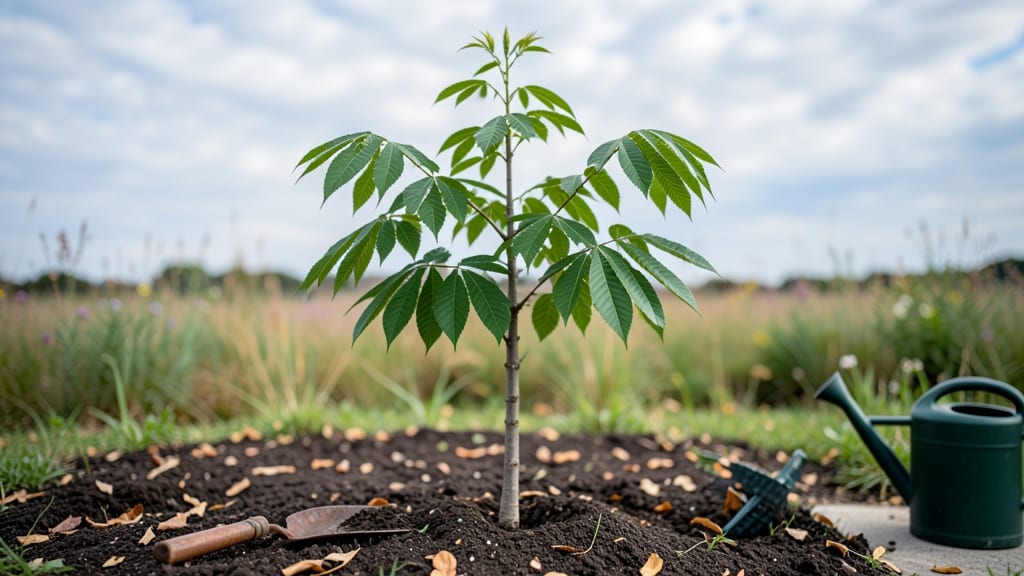
When your young pecan tree leaves start looking stressed—yellowing, curling, or spotted—it’s time to act before the whole tree suffers. 🌱 I’ve seen firsthand how quickly leaf issues can spiral if ignored, but the good news?
Most problems fix themselves with the right diagnosis and a little care. The key is catching signs early, whether it’s nutrient deficiency, pest damage, or fungal pressure.
Start by examining the leaves up close: check the undersides for tiny webs or bugs, the edges for browning, and the overall color for pale or dark patches. A simple water test (damp soil = overwatering; dry soil = underwatering) can rule out the most common culprits.
Once you identify the issue—whether it’s aphids, powdery mildew, or just too much shade—you’ll know exactly how to treat it, from organic sprays to pruning adjustments.
📚 In This Guide
- What you need
- Instructions
- Tips and common mistakes
- Wrapping up and next steps
What you need
- ● Garden gloves (1 pair) – Protect your hands from sap and rough bark.
- ● Hand lens or magnifying glass (5x–10x magnification) – For close-up inspections of leaf details.
- ● Pruning shears (bypass, sharp) – To trim damaged or diseased leaves branches.
- ● Watering can or hose with adjustable nozzle – For gentle hydration checks.
- ● pH testing kit (soil) – To monitor soil acidity (ideal: 6.0–7.0 for pecans).
- ● Moisture meter – Ensures soil isn’t too dry or waterlogged.
- ● Notebook & pen – Track symptoms, treatments, and progress over time.
- ● Leaf analysis kit – For lab testing if stress is severe or unexplained.
- ● Organic fungicide (e.g., neem oil) – Preemptive treatment for fungal threats.
- ● Mulch (wood chips or pine straw) – Retains moisture and regulates soil temp.
- ● Camera or smartphone – Document leaf conditions for comparison.
How to care for young pecan tree leaves and spot early stress
Here's what I check first when new pecan leaves start showing trouble.
🌿 Step 1: Examine Leaf Color for Hidden Clues
Start by looking at the top and bottom of each leaf. Healthy young pecan leaves should be a vibrant, glossy green. If you see yellowing between the veins while the veins stay green, that's classic iron deficiency—common in young trees with fast growth. Check the soil pH too; pecans prefer slightly acidic soil between 6.0 and 6.5.
For brown edges or crispy spots, you're likely dealing with either underwatering or environmental stress. Feel the soil 2-3 inches down—if it's dry, water deeply but not to the point of runoff. Pecan trees hate soggy feet, so always let the top inch dry between waterings.
💧 Step 2: Check Watering Patterns and Soil Moisture
Young pecan trees need 1-2 inches of water per week during their first growing season, but how you deliver it matters. Drip irrigation or soaker hoses work best—they keep water at the roots where it belongs. Overhead watering can lead to fungal issues, especially in humid climates.
Here's the trick: water in the early morning so leaves dry quickly. Wet leaves sitting in the sun for hours burn easily. You'll know you're doing it right when the soil stays consistently moist but not waterlogged, and new leaves emerge with a healthy sheen.
☀️ Step 3: Assess Light Exposure and Leaf Position
Pecan trees need full sun (6-8 hours daily), but young trees often struggle with sudden exposure. If leaves are pale or stretched out, they're reaching for more light. Gradually move the tree to sunnier spots over 2-3 weeks to avoid shock.
Watch for leaf scorch—brown, crispy edges on leaves that otherwise look healthy. This usually means afternoon sun is too intense. Try providing afternoon shade with a light cloth or moving the tree slightly to avoid the harshest sun hours. You'll see improvement within 1-2 weeks of adjustment.
✂️ Step 4: Inspect for Pest Damage and Leaf Texture
Run your fingers gently over the leaf surfaces. Healthy leaves feel firm and slightly leathery. If you feel tiny bumps or see tiny holes, you're likely dealing with aphids, mites, or pecan weevils. These pests love young, tender leaves and can stunt growth quickly.
For light infestations, a strong spray of water usually knocks them off. For persistent problems, use neem oil (mix 1 tablespoon per gallon of water) and apply in the early evening when bees aren't active. Always test a small area first—some young trees react sensitively to treatments.
🌱 Step 5: Fertilize Strategically Based on Leaf Signals
Yellow leaves with green veins? That's your iron deficiency signal. Use a chelated iron supplement applied directly to the soil. Avoid high-nitrogen fertilizers at this stage—they encourage leafy growth but weaken root development, which young pecans desperately need.
For slow growth with dark green leaves, you might need more nitrogen. Apply a balanced 10-10-10 fertilizer lightly around the drip line in early spring. Remember, young trees need feeding, but overdoing it burns roots. Always water before and after applying fertilizer to help distribute it evenly.
Tips & tricks for healthy young pecan tree leaves
Here's what nobody tells you about keeping those delicate new leaves thriving.
Soil pH is everything: The ideal 6.0-6.5 range isn't just a suggestion—it's critical for iron uptake. Test your soil annually using a simple kit from your garden center. If your pH drifts above 7.0, pecan trees struggle to access iron even when it's present in the soil. Lime applications can lock out this essential nutrient for years, so think twice before adjusting pH upward.
Morning watering is non-negotiable: Those 1-2 inches per week need to happen before 10 AM to prevent fungal growth. I've seen entire batches of young leaves develop brown spots from overnight moisture. Use a rain gauge to track weekly totals—many gardeners overestimate rainfall, thinking their trees are getting enough water when they're actually thirsty.
Leaf scorch recovery takes patience: If you notice crispy edges after moving a tree to full sun, don't expect overnight fixes. It typically takes 1-2 weeks of afternoon shade to see improvement. Try draping a lightweight shade cloth over the tree during peak afternoon sun (12 PM to 4 PM) for the first week, then gradually reduce coverage over the next week.
Neem oil application timing matters: That 1 tablespoon per gallon mix should go on in the evening when bees aren't active, but there's more to it. Apply when temperatures are below 85°F—hotter conditions can stress young trees further. I've found that applying neem oil right after watering helps it adhere better to leaves and prevents leaf burn.
Pro Tips for Young Pecan Tree Leaves
- Here's what nobody tells you about keeping those delicate new leaves thriving.
- Soil pH is everything: The ideal 6.0-6.5 range isn't just a suggestion—it's critical for iron uptake.
- Morning watering is non-negotiable: Those 1-2 inches per week need to happen before 10 AM to prevent fungal growth.
Frequently asked questions
about young pecan tree leaves—here’s what you need to know to keep your tree thriving!Why are my young pecan tree leaves turning yellow?
Yellowing leaves (chlorosis) often signal nutrient deficiencies, like iron or zinc, or overwatering. Test your soil and adjust watering—pecan trees prefer well-draining soil. Apply a balanced fertilizer (e.g., 10-10-10) in early spring if needed. Check soil pH too!
When should I prune young pecan tree leaves or branches?
Prune only during dormancy (late winter/early spring) to avoid stress. Remove dead, diseased, or crossing branches first. Avoid heavy pruning—young trees need their foliage to establish roots. Use sterilized tools to prevent infections. See our step-by-step guide!
Are there pests that target young pecan tree leaves?
Yes! Watch for aphids, mites, or pecan weevils, which chew leaves or lay eggs in buds. Use neem oil or insecticidal soap for mild infestations. For weevils, handpick larvae from nuts (if present) and monitor traps. Learn early signs!
How often should I water a young pecan tree with new leaves?
Water deeply 1–2 times per week (more in extreme heat/drought). Young trees need 1–2 inches of water per week, but avoid soggy soil. Mulch around the base (3 inches deep) to retain moisture. Adjust for clay vs. sandy soil!
Can I use young pecan tree leaves for cooking or tea?
While pecan leaves are edible and aromatic, they’re bitter and best used sparingly. Try them in tea blends (1 tsp dried leaves per cup) or as a culinary garnish. Avoid overharvesting—prioritize your tree’s health! Explore traditional uses!
Still stumped? Drop your question below—we’re happy to help!
Wrapping up and next steps
Caring for your young pecan tree starts with attention to detail—whether it’s spotting early stress signs or giving it the right tools to thrive. 🌱 From proper pruning to pest control, every step you take now sets the foundation for a healthy, productive tree down the road.
Don’t wait for problems to escalate; act early and watch your tree flourish!
Ready to take the next step? Schedule a quick check-in with a local arborist or grab your gardening gloves—your pecan tree’s future starts with your action today!