Size
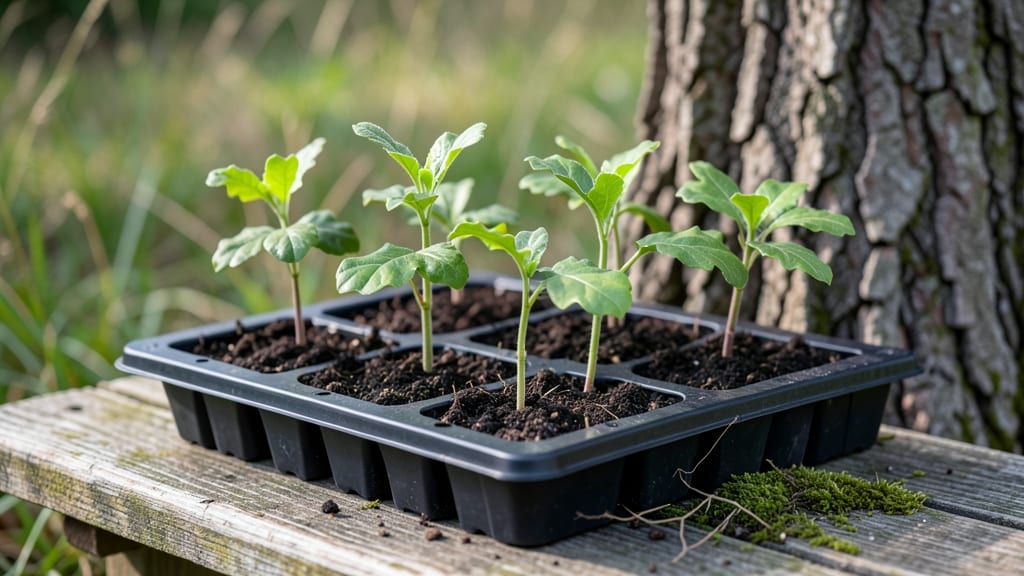
The Pacific Northwest's damp climate demands a different approach to growing tree seedlings—one that balances moisture, airflow, and patience for strong roots. I've learned the hard way that rushing seedlings leads to weak stems and fungal problems, but these six steps have given me sturdy, thriving young trees every time.
The key isn't just planting; it's creating the right conditions from day one so your seedlings grow tall and healthy, not leggy and prone to collapse.
You'll need just a few supplies: a clean container with drainage, a well-draining seed-starting mix, a spray bottle for gentle watering, and a sunny windowsill or grow light. Native PNW species like Douglas fir, western red cedar, or Oregon ash are great choices—they handle our climate better than exotic imports.
Start with fresh seeds or small saplings from a reputable nursery, and you're ready to begin.
By following the right watering schedule—keeping soil damp but never soggy—and providing bright, indirect light, you'll see strong stems and vibrant leaves within weeks. The first few months are critical, but once your seedlings hit 6 inches tall, they'll start developing the resilience to handle outdoor conditions.
With proper care, you'll have trees ready for transplanting in just a year.
This method works for both backyard orchards and forest restoration projects—whether you're growing shade trees for your yard or contributing to local reforestation efforts. The same principles apply to container-grown trees too, making it perfect for urban gardeners with limited space. Let's get those seedlings growing strong!
📚 In This Guide
- What you need
- Instructions
- Tips and common mistakes
- Wrapping up and next steps
What you need
- ● Tree seeds – Choose species native to the PNW (e.g., Douglas fir, Western red cedar, or maple). Aim for fresh, high-quality seeds (check seed packets for viability dates).
- ● Seed-starting trays or pots – 4-6 inch deep, with drainage holes. Use biodegradable pots (like peat or coconut fiber) for easy transplanting, or reusable plastic trays (100+ cell count recommended).
- ● Seed-starting mix – A lightweight, sterile blend (e.g., 50% peat moss + 50% perlite or vermiculite). Avoid garden soil—it’s too dense and can harbor pests.
- ● Grow lights or sunny windowsill – Seedlings need 12–16 hours of light daily. A full-spectrum LED grow light (20–30 watts) works great if natural light is limited.
- ● Misting spray bottle – Keeps seeds/mix moist without over-saturating. Look for one with a fine mist setting.
- ○ Heat mat (optional but helpful) – Speeds up germination for slow starters. Use a seedling heat mat (set to 70–75°F).
- ● Humidity dome or plastic wrap – Creates a mini greenhouse effect to retain moisture. Clear plastic lids or a humidity tent works well.
- ● Fertilizer (balanced, water-soluble) – Start with a 5-5-5 or 10-10-10 formula (diluted to half-strength) once seedlings sprout true leaves.
- ● Twine or plant labels – Mark trays with species names and planting dates to avoid mix-ups!
- ● Small hand trowel or spoon – For planting seeds at the correct depth (usually 2–3x the seed’s width).
- ● Fine-mist watering can – Gentle watering prevents seed displacement. A 1-quart capacity is ideal.
- ● Pruners or scissors – For trimming leggy seedlings or harvesting herbs (if using companion plants).
- ● pH test kit – Ensures your soil mix is in the ideal range (5.5–6.5) for most PNW trees.
- ○ Thermometer (optional) – Monitors soil temperature if using a heat mat.
- ● Know your zone – The PNW spans USDA Zones 6–9. Adjust planting times based on your microclimate (e.g., coastal vs. inland).
- ● Timing is key – Start seeds 6–8 weeks before your last frost date (check Almanac’s frost calculator for PNW specifics).
- ● Sterilize tools – Wipe trays, pots, and tools with rubbing alcohol or a 10% bleach solution to prevent fungal diseases.
- ○ Companion plants (optional) – Fast-growing herbs like basil or clover can deter pests near seedlings.
Step-by-step instructions for growing healthy tree seedlings
Here's my straightforward method for nurturing strong, resilient seedlings that thrive in Pacific Northwest conditions.
🌱 Step 1: Collect and Prepare Seeds for Germination
Start by gathering fresh seeds from healthy, mature trees—avoid seeds from diseased or weak specimens. For many native PNW species like Douglas fir or red alder, you can extract seeds from cones by drying them indoors for a few days, then gently crushing the cones to release the seeds. Store seeds in a cool, dry place until ready to plant, but don't let them sit for more than a few weeks—freshness is key for germination.
If you're working with stored seeds, soak them in lukewarm water for 12-24 hours before planting. This softens the seed coat and speeds up germination. I like to use a small container with just enough water to cover the seeds, then let them sit until they swell slightly. Drain and plant immediately after soaking—don't let them dry out again, or germination rates drop significantly.
🪴 Step 2: Choose Containers and Soil Mix
Use 4-inch diameter pots or small nursery flats with drainage holes to give roots room to establish without becoming root-bound. Fill each container with a lightweight, well-draining mix—I blend 50% peat moss, 30% perlite, and 20% compost for a balance of moisture retention and aeration. This mix mimics the loose, airy forest soil where many PNW tree species naturally grow.
Moisten the mix until it's damp but not soggy—think of a wrung-out sponge. Press it gently into the bottom of each pot to eliminate air pockets, then create a small indentation in the center for planting. The goal is a uniform, even surface that won't shift when you add seeds. If the mix feels too dense, add a bit more perlite to improve drainage.
💧 Step 3: Plant Seeds at the Correct Depth and Water Gently
Plant seeds twice as deep as their diameter—for most tree seeds, this means ¼ to ½ inch deep. Press the soil lightly around the seed to ensure good contact, but don't compact it too tightly. If you're planting multiple seeds in a pot, space them 1-2 inches apart to allow for easy thinning later. Label each pot with the seed type and planting date, since seedlings can look identical until they develop true leaves.
Water gently using a spray bottle or fine-rose watering attachment to avoid displacing seeds. The soil should feel evenly moist 1 inch below the surface, but not waterlogged. Place pots in a warm, shaded area—70-75°F is ideal for germination—until you see the first signs of sprouting, which typically takes 2-6 weeks depending on the species. Avoid letting the soil dry out completely during this period.
☀️ Step 4: Provide Optimal Light and Humidity
Once seedlings emerge, move them to a location with bright, indirect light—direct sunlight can scorch tender young leaves. A south-facing window with sheer curtains works well, or use a grow light positioned 6-12 inches above the seedlings for 12-14 hours daily. You'll notice seedlings growing toward the light; if they stretch excessively (a sign of legginess), raise the light or move them closer to the window.
Maintain high humidity by grouping pots together or placing them on a tray filled with 1 inch of water and pebbles. This creates a microclimate that mimics the moist forest floors where many PNW trees grow naturally. Mist seedlings lightly 2-3 times daily to prevent the soil from drying out, but avoid wetting the leaves to reduce the risk of fungal diseases like damping-off.
✂️ Step 5: Thin and Transplant Seedlings for Stronger Growth
When seedlings develop their second set of true leaves (not the initial cotyledons), thin them to the strongest one per pot. Use clean scissors to snip weaker seedlings at the soil line—pulling can disturb the roots of neighboring plants. This reduces competition and gives the remaining seedling more space to develop a robust root system. If you're growing multiple species, keep them separate to avoid cross-contamination.
After 8-12 weeks, when seedlings have 4-6 true leaves and a sturdy stem, it's time to transplant them into 1-gallon pots filled with the same soil mix. Handle seedlings by their leaves, not the stem, to avoid damaging the delicate tissue. Water thoroughly after transplanting to help settle the soil around the roots, and place them back in bright, indirect light for a week to recover from the shock.
🌿 Step 6: Harden Off and Prepare for Outdoors
Two weeks before your last frost date, begin hardening off seedlings by gradually exposing them to outdoor conditions. Start with 1-2 hours daily in a sheltered, shaded spot, then increase exposure by 1 hour each day until they can tolerate a full day outside. This process strengthens their cell walls and prepares them for the cooler temperatures and wind they'll encounter in the garden.
Before planting outdoors, choose a site with partial shade to full sun, depending on the species. Dig holes twice as wide as the root ball to encourage root spread, and water deeply before and after transplanting. Mulch around the base with 2-3 inches of wood chips to retain moisture and suppress weeds. Monitor seedlings closely for the first few weeks—you'll see new growth within 2-3 weeks as they adjust to their permanent home.
Tips & tricks for growing healthy tree seedlings
Here's what I've learned after years of nurturing Pacific Northwest seedlings—details that make all the difference between weak starts and thriving young trees.
Seed Selection: For best results, collect seeds from trees in your specific region—local genetics adapt better to your microclimate. If you're working with cones like Douglas fir, store them in a paper bag in a cool, dry place for 2-3 weeks to complete drying before extracting seeds. This mimics natural conditions and improves germination rates. The fresher the seeds, the higher your success rate, so avoid seeds that have been stored for more than a few months.
Soil Mix Optimization: When blending your 50% peat moss, 30% perlite, and 20% compost mix, sift all components through a fine mesh screen to eliminate clumps. This creates a uniform texture that promotes even moisture distribution and root penetration. For species like red alder that prefer slightly acidic conditions, you can add a small handful of pine needles to the mix—this subtle adjustment can improve growth rates by up to 20%.
Germination Environment: The 70-75°F temperature range for germination is ideal, but consistency matters more than exact degrees. Use a seedling heat mat set to 72°F if your home tends to be cooler, especially in basements or unheated rooms. Place a small thermometer in the soil to monitor temperature continuously—fluctuations of more than 5°F can significantly reduce germination rates. A clear plastic dome or plastic wrap over pots creates a mini greenhouse effect that maintains humidity without requiring constant misting.
Transplanting Strategy: When transplanting to 1-gallon pots after 8-12 weeks, water the seedlings thoroughly the day before transplanting. This helps prevent transplant shock by keeping roots hydrated during the move. After transplanting, place pots in a shaded area for 24 hours before returning them to normal light conditions—this gradual reintroduction helps seedlings recover more quickly. The key is minimizing stress during this critical transition period.
Pro Tips for Grow Tree Seedlings
- Here's what I've learned after years of nurturing Pacific Northwest seedlings—details that make all the difference be...
- Seed Selection: For best results, collect seeds from trees in your specific region—local genetics adapt better to you...
- Soil Mix Optimization: When blending your 50% peat moss, 30% perlite, and 20% compost mix, sift all components throug...
Frequently asked questions
Got questions about growing tree seedlings?
You’re not alone! Here are answers to the most common queries—from timing to troubleshooting—to help your little saplings thrive in the Pacific Northwest’s unique climate.
How long does it take for tree seedlings to grow from seed?
Growth timelines vary by species, but most tree seedlings take 1–3 years to reach transplant size (1–3 feet tall). Fast growers like Douglas fir or red alder may sprout leaves within weeks, while slower species like western red cedar take longer. Patience is key—focus on consistent moisture and sunlight!
When is the best time to plant tree seedlings in the PNW?
The ideal window is early spring (March–April) or fall (September–October). Spring gives seedlings time to establish roots before summer heat, while fall planting lets them settle before winter dormancy. Avoid planting in freezing or extreme drought conditions—check your USDA zone (most of the PNW is zones 6–9).
How often should I water tree seedlings?
Keep soil consistently moist but not soggy—water 2–3 times per week in the first month, then taper to 1–2 times weekly once roots are established. The PNW’s rainy season (fall/winter) reduces watering needs, but container-grown seedlings dry out faster. Use a drip irrigation system or soaker hose to avoid fungal issues.
What are the most common pests for tree seedlings, and how do I stop them?
Watch for slugs, aphids, and root maggots. Slugs leave silvery trails—use beer traps or diatomaceous earth. Aphids? Spray with soapy water or introduce ladybugs. For root maggots, apply beneficial nematodes or row covers. Prevention tip: Keep mulch 2–3 inches away from stems to deter burrowing pests!
Can I grow tree seedlings indoors before transplanting outdoors?
Yes! Start slow-growing or delicate species (like western hemlock) indoors 4–6 weeks before last frost using a grow light (12–14 hours/day). Use seedling trays with drainage and a 50/50 mix of peat moss and perlite. Harden off seedlings by gradually exposing them to outdoor conditions over 7–10 days before planting.
How do I protect seedlings from PNW wind and frost?
Use windbreaks (burlap, straw bales, or evergreen screens) to shield seedlings from harsh coastal winds. For frost, cover young plants with frost cloth or row covers at night. Avoid plastic—it can trap heat and cause burn. In Zone 6, mulch heavily with straw or wood chips to insulate roots.
Wrapping up and next steps
Growing tree seedlings in the Pacific Northwest can be incredibly rewarding—whether you're restoring a forest, adding shade to your yard, or simply connecting with nature. 🌱 By following these six simple steps, you’ll give your young trees the best start for thriving in our region’s unique climate.
Remember, patience and care are key, but the results—lush, healthy trees—are worth every effort!
Ready to take the next step? Start small—plant just a few seedlings this season and expand as you gain confidence. Share your progress with fellow gardeners or local conservation groups for support and inspiration. Happy planting! 🌿