
Trees
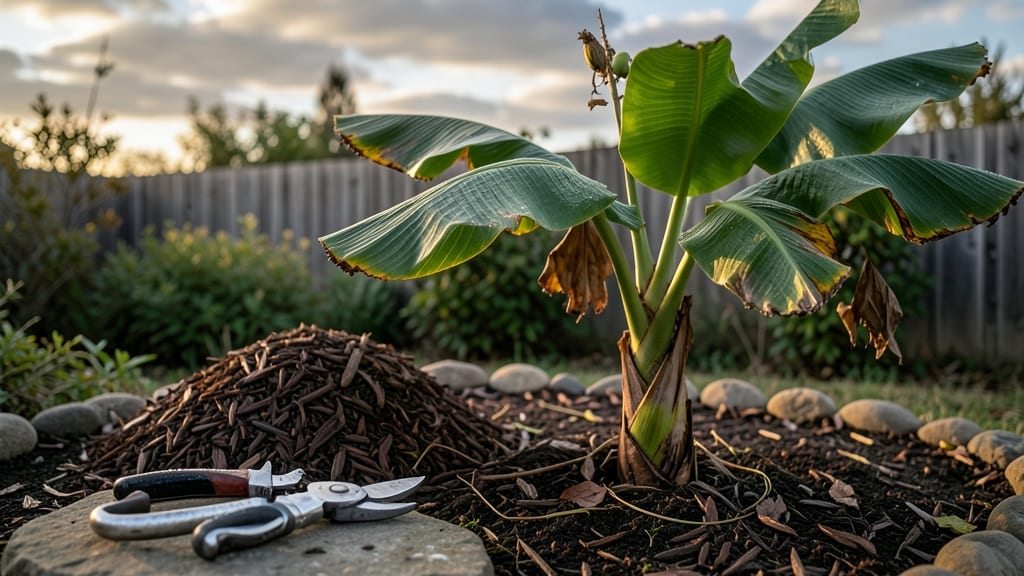
Preparing banana trees for winter in the Pacific Northwest means saving your tropical beauty from frost—something I learned the hard way after my first winter left my plants looking like crispy brown sticks. 🌿 The key isn’t just covering them up; it’s understanding their unique needs when temperatures drop below 30°F. Unlike hardy fruit trees, banana plants are frost-sensitive, but with the right steps, you can bring them through winter and back to life come spring.
You’ll need a few simple supplies: thick mulch (straw or pine needles work best), frost cloth or burlap, and possibly a small greenhouse or cold frame if your winters get harsh.
Pruning is also critical—cut back any dead or damaged leaves before the first frost, but leave the pseudostem intact to protect the growing point. The goal is to mimic their natural tropical environment as closely as possible, even in cooler climates.
What you’ll end up with is a banana tree that survives the winter with minimal damage, ready to burst back into growth when temperatures rise. The leaves may look ragged, but the crown stays alive, and with proper care, you’ll see new fronds emerging by early spring.
It’s not just about survival—it’s about setting your plant up for a stronger, more productive season ahead.
This method works for USDA zones 7-10, where frost is a real threat but not a death sentence. If you’re in a colder zone, you may need to move potted banana trees indoors or into a heated garage.
The principles stay the same: protect the growing point, insulate the roots, and avoid sudden temperature swings. Let’s get your banana tree through winter like a pro.
📚 In This Guide
- What you need
- Instructions
- Tips and common mistakes
- Wrapping up and next steps
What you need
- ● Pruning shears or loppers – Sharp, clean tools to trim dead or damaged leaves (look for bypass-style for precision cuts).
- ● Garden gloves – Heavy-duty, nitrile-coated gloves (size medium or large) to protect your hands from thorns and sap.
- ● Mulch (straw, pine needles, or wood chips) – At least 4–6 inches of organic mulch to insulate the root zone.
- ● Burlap or frost cloth – Breathable, 30–50 lb test fabric (enough to wrap the entire trunk and canopy).
- ● Twine or plant ties – Jute or plastic-coated twine (50–100 ft roll) to secure frost cloth.
- ○ Plastic wrap or clear plastic sheeting – 6–10 mil thickness, large enough to create a mini greenhouse over the tree (optional but helpful for extreme cold snaps).
- ● Stakes or metal rods – 4–6 ft tall, 4–6 stakes to support the frost cloth or plastic wrap.
- ● Garden hose with spray nozzle – For gentle watering (avoid soaking the tree before frost).
- ● Compost or well-rotted manure – 5–10 gallons to enrich the soil before mulching.
- ● Anti-desiccant spray – Like Wilt-Pruf to protect leaves from drying out.
- ● Heating mat or heat lamp – For container-grown banana trees in freezing zones.
- ● Thermometer (soil & air) – To monitor temperatures (below 28°F is critical for PNW banana trees).
- ● Epsom salt or banana fertilizer – 1 tbsp per gallon of water for a post-winter boost.
Step-by-Step instructions for protecting banana trees in cold climates
Here’s how I’ve kept my banana trees thriving through Pacific Northwest winters—no frost damage in sight.
🌱 Step 1: Assess Your Tree’s Cold Hardiness and Choose Protection Levels
Start by checking your banana tree’s variety—some like Musa acuminata handle 25°F better than others. If you’re in the PNW, where temps can dip below 20°F, you’ll need active protection. Look for signs of stress like yellowing leaves or slow growth—these trees need extra care before winter hits.
I always wrap my trees in burlap or frost cloth by late October, but only after the first light frost warning. This gives the tree time to harden off naturally. If your tree is young or small, it’s more vulnerable—cover the entire plant, not just the trunk. Older trees with thick trunks can handle partial covering.
☀️ Step 2: Prune and Mulch for Insulation
Cut back dead or yellowing leaves with clean sterilized pruners, leaving only the healthiest fronds. This reduces moisture retention, which can freeze and damage the plant. I prune in stages—first the outer leaves, then the inner ones closer to the trunk. Never cut into the pseudostem (the thick, false trunk)—this is where new growth emerges in spring.
Spread 4-6 inches of straw mulch around the base, piling it higher against the trunk. This acts like a blanket, trapping heat and shielding roots from freezing. Avoid using wood chips—they can compact and trap moisture, leading to rot. Water the base lightly before mulching to help the soil retain warmth.
🪴 Step 3: Build a Protective Barrier Against Frost
Construct a frame around the tree using sturdy stakes and frost cloth (or a large cardboard box wrapped in plastic). The frame should be 2-3 feet taller than the tree to trap heat rising from the ground. Secure the cloth tightly with twine or clips—loose fabric won’t insulate properly. Leave the top open slightly for airflow to prevent mold.
For extra protection, I add a clear plastic sheet over the frost cloth on the coldest nights (below 25°F). This creates a mini greenhouse effect, but remove it during the day to avoid overheating. Watch for condensation—if the inside of the plastic fogs up, the tree is getting too much moisture. Ventilate by lifting the plastic for 10-15 minutes if needed.
⏰ Step 4: Monitor and Adjust Through Winter
Check your banana tree weekly during frost alerts. If the ground feels firm when pressed (a sign of freezing), add an extra layer of straw or bubble wrap around the base. I also keep a thermometer near the tree—if temps drop below 20°F for more than 2 hours, it’s time to cover the entire structure with a thick tarp secured with bricks.
Don’t forget to water lightly every 2-3 weeks if the ground isn’t frozen. Dry soil conducts cold better than moist soil, so a slightly damp base helps insulate roots. Avoid heavy watering—soggy soil freezes faster. In spring, remove protective layers gradually over 2-3 weeks to let the tree acclimate to sunlight and warmer temps.
Tips & tricks for protecting banana trees in winter
Real talk: I’ve lost banana trees to winter before—don’t make my mistake. These small adjustments make all the difference between a thriving tree and a sad, frozen stump.
Timing is Everything: That first light frost warning in late October is your cue to act. I can’t stress this enough—waiting until after the first frost means your tree hasn’t had time to harden off properly. The 2-3 weeks before frost is when the tree builds natural cold resistance. If you’re in a microclimate that gets early frosts, start wrapping with frost cloth a week before the official warning.
Layer Like a Pro: When constructing your protective barrier in Step 3, think of it like putting on winter clothes—layers matter! Start with the frost cloth frame, then add that clear plastic sheet only when temperatures drop below 25°F for those coldest nights. The key is that 10-15 minute ventilation window—this prevents condensation buildup that can lead to mold or rot. I keep a small fan nearby on extra cold nights to circulate air slightly when I can't lift the plastic.
Soil Prep Matters: Before you spread that 4-6 inches of straw mulch in Step 2, give your soil a quick check. Press your finger about an inch into the ground—if it feels bone dry, give it a light watering first. The goal is slightly damp soil, not soggy. I’ve seen people skip this and end up with mulch that actually conducts cold better because the dry soil pulls heat away from the roots. Think of it like wearing wet socks in winter—it makes things worse!
Visual Cues for Monitoring: During those weekly checks in Step 4, look for three key signs: first, the ground should give slightly when pressed (not rock hard)—that’s your sign to add more insulation. Second, check the frost cloth for ice crystals—if you see them, it’s time for that extra tarp. Third, watch the tree itself—healthy fronds should stay slightly pliable, not brittle. I keep a small notebook by my thermometer to track these visual cues alongside the temperature readings.
Pro Tips for Prepare Banana Trees For Winter
- Real talk: I’ve lost banana trees to winter before—don’t make my mistake.
- Timing is Everything: That first light frost warning in late October is your cue to act.
- Layer Like a Pro: When constructing your protective barrier in Step 3, think of it like putting on winter clothes—layers matter!
Frequently asked questions
Got questions about winterizing banana trees in the Pacific Northwest? You’re not alone—banana trees are tropical divas that need extra TLC when frost rolls in! Here are answers to the most common concerns to keep your plants happy and healthy through the cold months.
When should I start preparing my banana tree for winter?
Start 4–6 weeks before the first frost (typically late September to early October in the PNW). This gives your tree time to adjust to cooler temps, mulch can settle, and protective measures (like wrapping or covering) can be applied gradually. Rushing can stress the plant—think of it like helping a tropical friend move into a cozy sweater!
Can banana trees survive winter in the Pacific Northwest?
Yes, but they need proper prep! While mature banana trees can tolerate brief dips to 20°F (-7°C), younger plants or extreme cold (below 15°F/-9°C) may suffer damage. The PNW’s mild winters make it doable with heavy mulching, protective covers, and strategic pruning. Think of it like layering a down comforter for your leafy friend!
What if my banana tree’s leaves turn brown or crispy in winter?
Brown, crispy leaves are often a sign of cold stress or frost damage. Don’t panic—it’s common! Trim back damaged fronds in early spring (after the last frost) to encourage new growth. Avoid pruning in winter, as the tree is dormant. If the pseudostem (trunk) splits, it’s a red flag—wrap it with burlap or frost cloth for extra protection.
Do I need to move my banana tree indoors for winter?
Only if you’re in Zone 7 or colder (e.g., parts of Eastern WA/OR) or your tree is very young. Most PNW growers leave mature trees outdoors with proper mulching and covering. If moving indoors, acclimate it slowly to indoor light/temp (60–70°F) to avoid shock. A sunny patio or greenhouse is a great middle-ground option!
Will my banana tree produce fruit next year if I winterize it?
Winterizing protects the rhizome (root system), which is key for next year’s growth and flowering. Focus on mulching deeply (12+ inches) and reducing but not stopping water in late fall. With good care, your tree can bounce back stronger—just like a well-rested athlete ready for the season!
What’s the difference between winterizing a banana tree and a regular tree?
Banana trees are tender perennials, not hardy like oaks or maples, so they need extra insulation. Regular trees rely on bark and wood structure for protection, but banana trees store energy in their rhizomes. That’s why mulching, covering, and pruning are non-negotiable. Think of it like dressing a banana tree in a thermal onesie!
Wrapping up and next steps
Preparing your banana trees for winter in the Pacific Northwest doesn’t have to be daunting—just a few thoughtful steps can keep them thriving! By pruning, mulching, and protecting your plants, you’re giving them the best chance to bounce back stronger when spring arrives. 🌱✨
Now that you’re armed with the know-how, take action before the first frost hits. Start with a quick inspection of your banana trees this weekend—you’ve got this! For extra peace of mind, bookmark this guide or save it to your phone so you’re ready whenever winter rolls in.