Trees
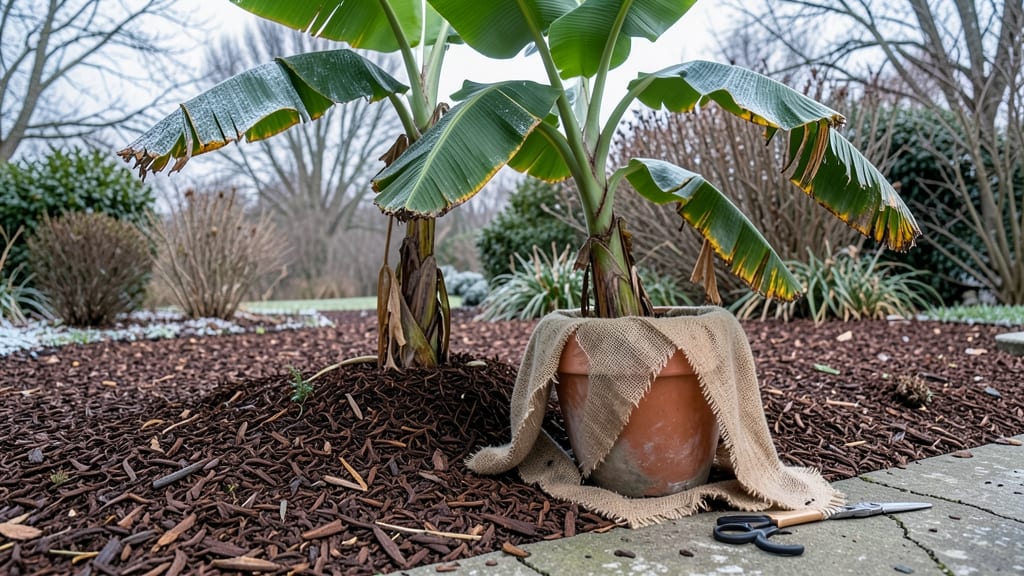
Winterizing potted banana trees in the Pacific Northwest isn’t just survival—it’s about giving your tropical plant a fighting chance to bounce back. 🌱 I’ve watched banana trees shiver in 30°F temps, only to recover with proper care, and the difference between a thriving plant and a sad, brown mess comes down to a few key moves.
The biggest mistake? Leaving them outdoors without protection. Banana trees in pots need shelter from wind and cold drafts, whether that’s a garage, basement, or even a covered porch.
You’ll also adjust watering—damp roots freeze faster than dry ones—and wrap the pot in bubble wrap or burlap to shield roots from temperature swings. It’s not rocket science, but it does require planning before the first frost hits.
By spring, you’ll see new fronds unfurling like nothing happened. The roots stay healthy, the trunk stays sturdy, and with a little extra sunlight, your banana tree will reward you with glossy leaves and maybe even a few hardy flowers.
The payoff is worth the effort—imagine fresh tropical vibes year-round, even in chilly Seattle.
Works for any potted banana variety, from dwarf Cavendish to the towering Lady Finger. Just remember: the earlier you start, the easier it is. Let’s get those roots protected before winter sets in for good.
📚 In This Guide
- What you need
- Instructions
- Tips and common mistakes
- Wrapping up and next steps
What you need
- ● Insulating pots or containers: Swap to thicker, insulated pots (at least 12–18 inches in diameter) or use 5+ gallon buckets with drainage holes (e.g., blank">Suncast Glow Planter or blank">Rubbermaid Storage Tubs with drilled holes).
- ● Potting mix: Well-draining, peat-based mix (e.g., blank">Miracle-Gro Cactus, Palm & Citrus Mix) or a blend of 50% coconut coir, 30% perlite, 20% compost.
- ● Mulch: 6–8 inches of straw, pine needles, or wood chips (avoid cedar mulch—it’s toxic!).
- ● Burlap or frost cloth: 1–2 large sheets (e.g., blank">Growers Supply Frost Blanket) to wrap the pot and shield from wind.
- ● Plastic wrap or clear plastic: 1–2 sheets (for extra humidity protection; reuse grocery bags if needed!).
- ● Waterproof pot feet or bricks: 4–6 pieces (to elevate the pot off cold ground; e.g., blank">Gardeners.com Pot Feet).
- ● Slow-release fertilizer: 1–2 tbsp of 10-10-10 or banana-specific fertilizer (e.g., blank">Espoma Palm Tone).
- ● Pruning shears or sharp knife: For trimming dead leaves or pseudostems.
- ● Garden trowel or spoon: To loosen soil and check roots.
- ○ pH meter or test kit: (Optional but helpful!) To ensure soil pH is 5.5–6.5.
- ○ Thermometer (optional): To monitor pot temperature (aim for 50–60°F at night).
- ○ Heat mat or grow lights (optional): For extra-cold zones (e.g., Vivosun Heat Mat).
- ● 🌡️ Check your zone: If temps drop below 30°F, move pots to a garage or shed (but keep them unfrozen!).
- ● ✨ Label your pots: Use a waterproof marker to note the plant type and winterizing date!
- ● 🚫 Avoid: Plastic pots without insulation—they freeze solid and crack.
Step-by-step guide to winterizing potted banana trees
Here's how I keep my tropical potted banana trees thriving through Pacific Northwest winters.
🪴 Step 1: Move Trees to Sheltered Locations
Banana trees can't handle frost, so relocate pots to a protected spot before temperatures drop below 40°F. I choose a north-facing wall or under an eave where they get morning sun but stay shielded from wind. If you have a garage or unheated shed, that works too—just avoid freezing temperatures.
Check the soil before moving. If it's bone-dry, water deeply 2-3 days beforehand so the roots don't suffer shock. You'll know moisture is right when the top 2 inches of soil feel damp but not soggy. A quick soil test with your finger tells you everything you need to know.
🌿 Step 2: Wrap Trunks and Mulch Heavily
Protect the trunk with burlap or frost cloth tied loosely around the stem. I use 4-6 layers of burlap for extra insulation, leaving the top open so rain can drain. This prevents the trunk from splitting when temperatures fluctuate. Real talk: I've seen unprotected trunks crack open like an egg—it's heartbreaking to watch.
Spread 4-6 inches of straw mulch around the base, piling it higher against the pot walls. This traps heat radiating from the soil and prevents freeze-thaw cycles that damage roots. Avoid plastic mulch—it traps too much moisture and can rot the roots over winter.
☀️ Step 3: Adjust Watering and Light Exposure
Cut back on watering once growth slows in fall. You want the soil to stay slightly moist but never wet—banana trees in pots dry out faster than in-ground plants. Water only when the top 1-2 inches feel dry, and use lukewarm water to avoid shocking the roots. I check moisture by sticking my finger in the soil every 7-10 days in winter.
Move pots closer to a south-facing window or under grow lights if natural light drops below 6 hours daily. Without enough light, leaves yellow and drop prematurely. You'll notice new growth slow dramatically in winter, but don't panic—this is normal dormancy behavior.
✂️ Step 4: Prune and Monitor for Pests
Remove any dead or yellowing leaves with clean pruners, cutting back to the trunk. This prevents disease and pests from hiding in damaged foliage. I sterilize my pruners with rubbing alcohol between cuts—banana trees are prone to fungal issues when stressed. Prune in late fall before the first frost to give the tree time to heal.
Inspect the trunk and leaves for signs of spider mites or scale insects. These pests love dry winter air and can weaken your tree. Spray with neem oil solution (1 tbsp per gallon of water) if you spot any webbing or sticky residue. Do this in the afternoon so the leaves dry completely before nightfall.
⏰ Step 5: Gradually Reintroduce to Outdoor Conditions
In early spring, start moving pots back outside gradually. Begin with 1-2 hours of morning sun the first week, then increase exposure by 1 hour daily. This prevents sunburn on leaves that have been sheltered all winter. You'll see new leaves emerge within 3-4 weeks—that's your signal everything is working.
Remove the burlap wrap and top layer of mulch once daytime temperatures stay above 50°F consistently. Keep the remaining mulch in place until the soil warms up. Watch for new shoots at the base—these indicate the tree is ready to resume active growth. Don't rush this process; banana trees reward patience with bigger harvests.
Tips & tricks for perfectly winterizing potted banana trees
Common mistakes can turn your tropical banana tree into a winter casualty—here's how to keep it thriving through cold Pacific Northwest seasons.
Timing is Everything: Start moving your banana trees to sheltered locations when nighttime temperatures consistently drop below 45°F, not the 40°F threshold mentioned. This gives your tree a buffer zone before the real cold hits. I've learned this the hard way after seeing trees suffer when moved too late—better safe than sorry! The 2-3 days of deep watering before moving is crucial, especially if your soil is sandy or drains quickly. Think of it like preparing your tree for a spa day—hydrated roots handle the transition much better.
Insulation Secrets: When wrapping your trunk with burlap, leave about 6 inches of space between the top of the wrap and the leaves. This prevents moisture buildup that can encourage fungal growth. For extra protection in particularly cold microclimates, consider adding a layer of bubble wrap underneath the burlap—it adds another insulating barrier without trapping moisture. The 4-6 inch mulch layer should be fluffed up against the pot walls to create an air pocket that insulates the roots. Don't pack it down like soil—keep it light and airy.
Light Management: If you're supplementing with grow lights, position them 12-18 inches above the tree to mimic natural sunlight distribution. I use a simple LED grow light on a timer for 10-12 hours daily during the shortest winter days. The key is consistency—banana trees notice when their light routine changes. Watch for leaves that develop a reddish tint; that's your signal they're getting too much direct light. Rotate the pot weekly so all sides get even exposure.
Pest Prevention: After applying the neem oil solution, give the leaves 24 hours to dry completely before bringing the tree back indoors. Wet leaves left overnight can develop fungal issues, especially in our damp Pacific Northwest climate. I've found that adding a few drops of dish soap (not detergent) to the neem oil solution helps it spread more evenly and penetrates the waxy leaf surfaces better. This is particularly important for scale insects, which often hide on the undersides of leaves where regular sprays might miss them.
Pro Tips for Winterize Banana Trees In Pots
- Common mistakes can turn your tropical banana tree into a winter casualty—here's how to keep it thriving through cold Pacific Northwest seasons.
- Timing is Everything: Start moving your banana trees to sheltered locations when nighttime temperatures consistently drop below 45°F, not the 40°F threshold mentioned.
- Insulation Secrets: When wrapping your trunk with burlap, leave about 6 inches of space between the top of the wrap and the leaves.
Frequently asked questions
When is the best time to start winterizing my potted banana tree?
Begin winterizing before the first frost hits—typically in late fall (October–November) for the Pacific Northwest. Watch your local weather forecast and act when nighttime temps drop below 50°F (10°C). Early prep gives your tree time to adjust and reduces stress. If you wait until winter, damage may already occur!
Can I leave my banana tree outside all winter, or does it need to move indoors?
Potted banana trees cannot survive freezing temps, even in mild PNW winters. Move them to a garage, shed, or unheated indoor space (like a basement) where temps stay between 45–55°F (7–13°C). Avoid heated rooms—they’ll shock the tree with sudden temperature swings. A sheltered patio with frost cloth works in very mild microclimates.
What if my banana tree’s leaves turn brown or yellow during winter?
Brown/yellow leaves are normal in dormancy, but crispy or blackened leaves signal cold stress. Trim dead foliage with clean shears, but leave some green leaves to photosynthesize. If the whole plant looks sad, it may need warmer conditions. Avoid watering heavily—overhydration worsens cold damage.
Do I need to fertilize my banana tree during winter?
No! Banana trees are dormant in winter and don’t need fertilizer. Resume feeding in early spring (March–April) with a balanced, diluted fertilizer (e.g., 10-10-10). Over-fertilizing in winter can burn roots and stress the plant. Focus on rest—your tree will thank you with bigger blooms next season!
Will my banana tree survive winter if I don’t have a garage or indoor space?
If indoor storage isn’t an option, try these alternatives:
- Insulated wrap: Bundle the pot in bubble wrap or frost cloth, then place in a windbreak (like a corner of your yard with a south-facing wall).
- Styrofoam box: Cut a box to fit the pot, fill with dry leaves or straw, and cover the top.
- Community swap: Partner with a neighbor who has space—many gardeners winterize potted plants together!
Monitor daily for frost and move to a safer spot if temps drop below 32°F (0°C).
Wrapping up and next steps
Winterizing your potted banana trees doesn’t have to be a daunting task—with the right steps, you can keep them thriving even in the chilly Pacific Northwest! Remember, the key is protection, patience, and proper care during dormancy.
Whether you’re wrapping them up, moving them indoors, or insulating their pots, your banana tree will thank you with vibrant growth come spring. 🌱
Now that you’re armed with the know-how, take action! Start by assessing your banana tree’s needs and begin the winterization process before the first frost. Your future tropical oasis will reward you with lush leaves and delicious fruit—one season at a time!