
Pruning
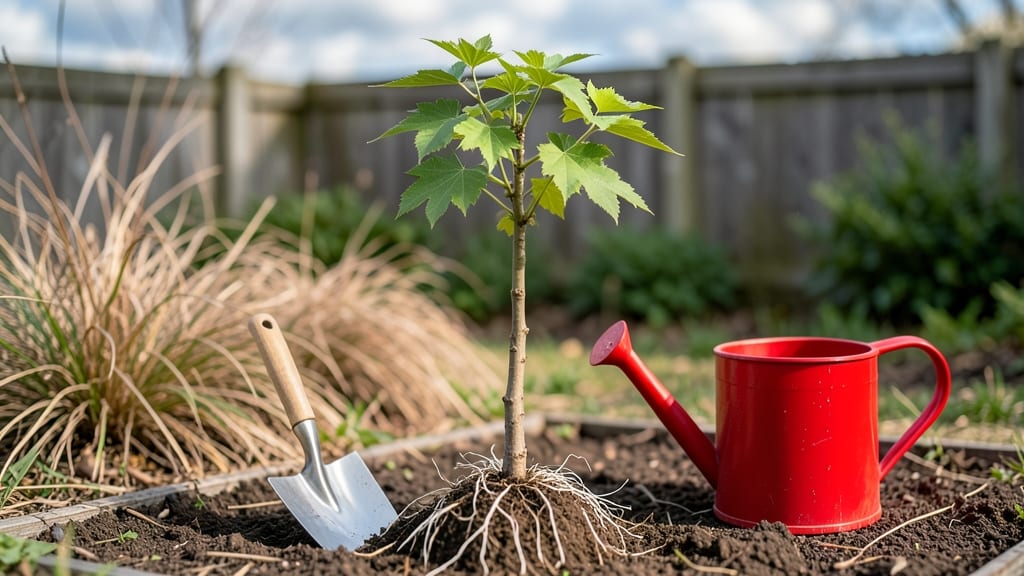
Replanting a maple tree the right way means the difference between a thriving shade giant and a slow-death struggle. 🌳 I’ve watched too many trees decline from poor transplanting, and the key is timing, roots, and patience—not brute force.
The best time is late fall or early spring when the tree’s dormant, but young maples can handle replanting even in summer with extra care.
You’ll need a few essentials: a sharp shovel, root stimulator, mulch, and a sturdy stake if the tree’s tall. The prep work matters most—inspect those roots for damage, trim any circling roots gently, and amend the soil with compost for better drainage.
My biggest mistake was rushing the root inspection, which led to poor growth for years.
Once you’re ready, dig a hole twice as wide as the root ball but no deeper, then place the tree so the top of the root ball sits just above ground level.
Backfill with native soil, water deeply, and stake only if necessary—over-staking can strangle roots over time. Within a year, you’ll see new shoots if you’ve done it right.
After replanting, water deeply once a week unless it rains, and avoid heavy pruning for the first year. Maple trees are tough but sensitive to stress, so keep the soil moist but not soggy.
With these steps, even mature trees recover well—just give them time to settle into their new home.
📚 In This Guide
- What you need
- Instructions
- Tips and common mistakes
- Wrapping up and next steps
What you need
- ● Shovel or spade – A sturdy digging tool (preferably a flat-bladed shovel for precision).
- ● Pruning shears or handsaw – For trimming roots or branches if needed (ensure blades are sharp and clean to avoid damage).
- ● Root stimulator or mycorrhizal fungi – A powder or gel to encourage root growth (e.g., Rootone or MycoApply).
- ● High-quality potting soil or native soil mix – A blend of topsoil, compost, and perlite (or peat moss for sandy soils).
- ● Garden hose or watering can – For thorough watering before and after replanting.
- ● Burlap or tree sack – To protect roots during transport (if moving a larger tree).
- ● Stakes and soft ties – 3-4 wooden stakes (2–3 ft long) and nylon straps or old T-shirts for temporary support.
- ● Mulch (wood chips or straw) – 2–3 inches of organic mulch to retain moisture and regulate soil temperature.
- ● Tree fertilizer – A balanced, slow-release fertilizer (e.g., 10-10-10) to boost recovery.
- ● Soil moisture meter – To monitor root zone hydration post-planting.
- ● Anti-transpirant spray – Helps reduce stress on leaves during transplantation.
- ● Wheelbarrow or tarp – For hauling soil or protecting the root ball.
- ● Gloves and knee pads – Because comfort matters when digging!
Step-by-step guide for replanting a maple tree safely
Here's how I've successfully replanted maples without shocking the roots or stunting growth.
🌱 Step 1: Dig the New Hole at the Right Size and Depth
The hole should be twice as wide as the tree's root ball but only as deep as the root system—not deeper. This prevents the tree from settling too low in the soil, which can suffocate roots. I use a shovel to loosen the sides of the hole so roots can spread easily into surrounding soil.
Test the depth by placing the root ball in the hole. The top of the root ball should sit 1-2 inches above the surrounding soil level. This slight elevation helps prevent water pooling around the trunk. If the hole feels rocky or compacted, mix in some of the native soil with the backfill material to improve drainage.
🌿 Step 2: Handle the Root Ball with Care
If the tree came with a root ball wrapped in burlap or wire basket, remove the basket immediately—it can girdle the roots as they grow. For burlap, leave it on if it's natural fiber, but cut away any synthetic materials that could degrade and harm the tree. Gently tease the outer roots away from the root ball if they're circling tightly.
Here's the thing—never let the root ball dry out during this process. If it's been sitting exposed, soak it thoroughly before planting. You'll know it's ready when water runs freely from the bottom for 5-10 minutes. This ensures the roots don't go into shock when you replant.
💧 Step 3: Plant and Backfill with Proper Support
Lower the tree into the hole while keeping the root ball level. Use a helper to hold the tree upright so you can backfill evenly. Fill the hole with the original soil mixed with 20% compost (if available) to improve fertility. Tamp down the soil gently in layers to eliminate air pockets but don't compact it too firmly.
Create a 6-inch wide berm around the outer edge of the hole to catch water during irrigation. This helps direct moisture toward the roots instead of running off. Once the hole is filled, water deeply to settle the soil and eliminate any remaining air gaps around the roots.
☀️ Step 4: Provide Immediate Aftercare for Stability
Stake the tree only if it's top-heavy or in a windy location. Use two sturdy stakes placed 12-18 inches from the trunk and tie the tree loosely with soft fabric strips—never wire, which can cut into the bark. The goal is to stabilize the tree without restricting root growth or trunk movement.
Water the tree every other day for the first two weeks to keep the soil consistently moist but not soggy. You'll see the soil surface dry slightly between waterings—that's your signal to water again. Mulch around the base with 2-3 inches of organic mulch, keeping it 6 inches away from the trunk to prevent rot.
⏰ Step 5: Monitor and Adjust for Long-Term Success
Watch the tree closely for the first 30 days for signs of stress like wilting leaves or yellowing. If leaves droop in the afternoon but perk up after watering, the tree is thirsty—water more frequently. If leaves turn yellow and crispy, it's getting too much sun; provide afternoon shade temporarily.
After the first growing season, fertilize lightly with a balanced, slow-release fertilizer to support root establishment. Avoid heavy feeding in the first year—you're not growing leaves, you're growing roots. Prune only to remove any broken or crossing branches, and never prune more than 25% of the canopy in the first year.
Tips & tricks for perfect maple tree replanting
These simple but game-changing tips will help your newly replanted maple thrive from day one.
Root Ball Prep: The 5-10 minutes you spend soaking that root ball before planting is absolutely critical. I've seen trees struggle when roots dry out during this transition. For extra insurance, wrap the soaked root ball in a damp burlap sack during transport to your planting site—this keeps moisture locked in until you're ready to plant.
Soil Mixing Strategy: When you mix in that 20% compost during backfilling, don't just dump it all in at once. Spread it evenly in layers as you tamp down the soil. This creates a gradual transition that helps roots spread more naturally into the surrounding soil. I also recommend adding a handful of mycorrhizal fungi to the mix if available—it helps the roots establish beneficial relationships with soil microbes.
Watering Wisdom: That 6-inch berm you create around the hole isn't just decoration—it's your secret weapon for efficient watering. Fill it halfway with water before planting, then top it off after you've finished backfilling. This creates a moisture reservoir that slowly releases water to the roots over time. During those first two weeks, I check the berm's moisture level rather than the soil surface—it gives me a more accurate reading of what the roots are experiencing.
Staking Secrets: If you do need to stake your tree, use the "V" method with stakes placed at a 45-degree angle rather than straight up and down. This creates a more stable triangle support system. And here's what nobody tells you—leave the ties loose enough that you can slide two fingers between the trunk and the fabric. Too tight, and you'll strangle the tree's growth as it tries to thicken its trunk.
Pro Tips for Replant A Maple Tree
- These simple but game-changing tips will help your newly replanted maple thrive from day one.
- Root Ball Prep: The 5-10 minutes you spend soaking that root ball before planting is absolutely critical.
- Soil Mixing Strategy: When you mix in that 20% compost during backfilling, don't just dump it all in at once.
Frequently asked questions
Got questions about replanting your maple tree?
You’re not alone—this process can feel tricky! Below, we’ve answered the most common questions to help you replant with confidence and avoid common pitfalls.
When is the best time to replant a maple tree?
The ideal window is late fall to early spring (before buds swell or after leaves drop). This minimizes stress on the tree, as cooler temps and dormancy help roots establish. Avoid replanting during extreme heat or drought—maples are sensitive to transplant shock!
How long does it take for a replanted maple tree to recover?
Recovery varies by size and species, but most maples show signs of stabilization in 1–2 years. Smaller trees (under 10 feet) adapt faster, while larger specimens may take 3+ years. Watch for new leaf growth in spring—a strong sign roots are regaining strength!
Can I replant a maple tree in summer?
While possible, summer replanting is risky due to heat and drought stress. If you must replant in summer, choose overcast days, keep the root ball moist, and provide daily shade for 4–6 weeks. Mulch heavily to retain moisture—maples hate dry roots!
What if my maple tree’s leaves turn yellow after replanting?
Yellowing leaves often signal transplant shock or root damage. Check for:
- Underwatering (soil should stay moist but not soggy).
- Over-pruning (avoid heavy cuts during replanting).
- Poor soil drainage (amend with compost if needed).
Are there alternatives if replanting seems too difficult?
If replanting feels overwhelming, consider:
- Grafting a new branch onto an existing rootstock.
- Planting a new sapling nearby (maples spread via suckers!).
- Hiring a certified arborist for large or mature trees.
Wrapping up and next steps
Replanting a maple tree is a rewarding task that can breathe new life into your landscape—and with the right care, your tree will thrive for decades! 🌳 By following these steps—from choosing the perfect location to nurturing strong root growth—you’ve set the stage for a healthy, vibrant tree.
Now, all you need is patience and a little TLC as it settles into its new home.
Your next step? Monitor and maintain! Keep an eye on soil moisture, prune wisely, and protect your tree from pests. Over time, you’ll enjoy the beauty of your maple’s lush foliage and the shade it provides. Happy replanting—your green thumb is making a difference! 🌱