
Propagation
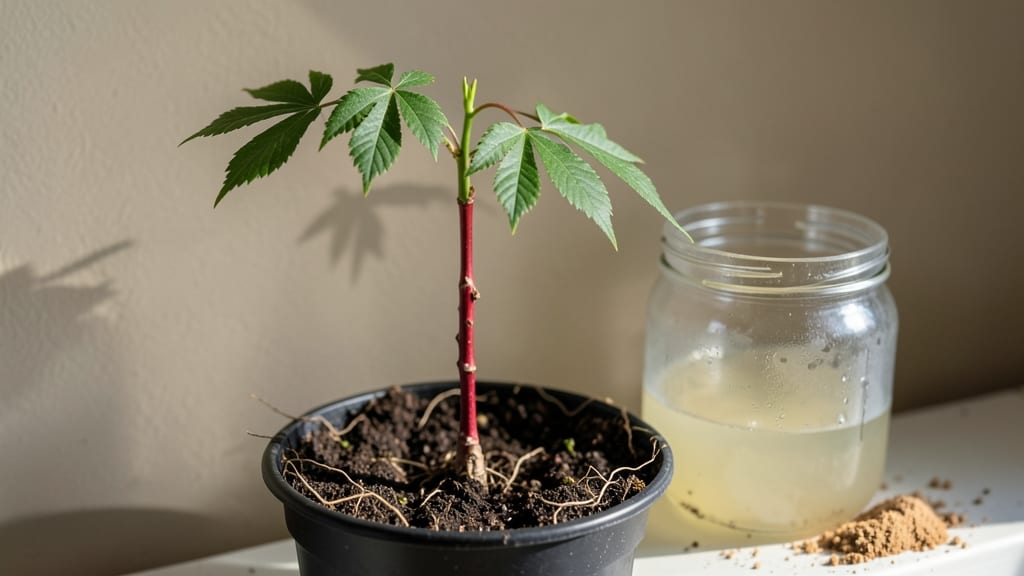
Propagating red maple trees from cuttings might seem tricky, but I’ve mastered the fast root development trick that skips the years of waiting for seeds to sprout. The secret lies in water sprouting—taking softwood cuttings in early summer and watching roots form in just weeks, not decades.
My first attempt failed when I rushed the timing, but now I get reliable results every season.
You’ll need sharp pruners, rooting hormone, and a jar of water to hold your cuttings upright while roots grow. This method works best with 6-inch softwood cuttings taken in June or July when the tree is actively growing.
The key is patience—roots appear in about 4-6 weeks, but don’t disturb them until they’re sturdy enough to transplant.
What you end up with are young saplings ready to plant in your yard, their bright red foliage already hinting at the stunning fall colors they’ll deliver in years to come.
These trees grow slowly but reward you with striking form and seasonal beauty that turns heads in any landscape. Let’s get those roots growing!
Works best in zones 4-9, though adjustments are needed for hotter or colder climates. If you’re in a dry area, keep the cuttings extra moist during rooting. The payoff? A tree that’ll outlive you—and look spectacular doing it.
📚 In This Guide
- What you need
- Instructions
- Tips and common mistakes
- Wrapping up and next steps
What you need
- ● Red maple cuttings: 4–6 healthy, pencil-thick (½-inch diameter) semi-hardwood stems, 4–6 inches long, taken in late spring or early summer.
- ● Rooting hormone: A powder or gel (e.g., Rootone or Clonex) to boost root growth.
- ● Well-draining potting mix: A blend of perlite, vermiculite, and peat moss (or a pre-mixed propagation mix).
- ● Small pots or trays: 4–6 individual 4-inch pots or a single shallow tray with drainage holes.
- ○ Clear plastic bags or domes: To create a humid environment (optional but helpful for faster rooting).
- ● Water: Room-temperature, filtered or distilled (to avoid chlorine).
- ● Spray bottle: For misting cuttings (keeps humidity high without overwatering).
- ● Pruning shears: Sharp, clean shears (sterilized with rubbing alcohol).
- ○ Heat mat (optional): Set to 70–75°F to accelerate rooting.
- ○ Grow lights (optional): If natural light is limited (12–14 hours/day).
- ○ pH test kit (optional): To ensure your mix is slightly acidic (5.5–6.5).
- ● Labels & markers: To track cutting dates and progress.
- ● Fertilizer (later stage): A diluted, balanced liquid fertilizer (e.g., 10-10-10) once roots form.
How to propagate red maple trees using water sprouting
Here's how to grow strong red maple cuttings in just a few weeks—no greenhouse needed.
🌱 Step 1: Select and Prepare Healthy Cuttings
Choose semi-hardwood cuttings from the current season's growth, about 4-6 inches long with 3-4 leaf nodes. The best time is late spring or early summer when new growth is maturing but still pliable. Use clean, sharp pruners to make cuts just below a node at a 45-degree angle—this increases surface area for root formation.
Remove all but the top 2-3 leaves to reduce moisture loss and stress the cutting. Strip any leaves from the lower half of the stem since these will submerge in water. I like to dip the cut end in rooting hormone (optional but speeds things up) before placing it in water—it’s like giving your cutting a confidence boost.
💧 Step 2: Submerge Cuttings in Water for Root Development
Fill a clean container with room-temperature water deep enough to cover the lower 2-3 nodes of the cutting. Use a jar or vase with a narrow neck to minimize water evaporation. Change the water every 3-4 days to prevent bacterial growth and keep it fresh. You’ll notice tiny bubbles forming along the submerged stem—this is a good sign roots are starting.
Place the container in bright, indirect light (no direct sun) where temperatures stay between 65-75°F. Avoid drafts or extreme temperature swings. Within 2-3 weeks, you should see white, fuzzy root hairs emerging from the nodes. These will thicken into proper roots in another 1-2 weeks—patience is key here.
⏰ Step 3: Monitor and Transplant Once Roots Form
Once roots reach 1-2 inches long, it’s time to transplant. Gently remove the cutting from the water, taking care not to damage the delicate roots. Prepare a small pot with well-draining potting mix and make a hole deep enough to bury the cutting 2-3 inches below soil level. This mimics natural burial and encourages stability.
Water lightly after transplanting and keep the soil evenly moist (not soggy) for the first 2 weeks. Place the pot in partial shade to reduce stress. You’ll know it’s thriving when new leaves appear within 3-4 weeks. Real talk: If a cutting yellows or wilts, it’s often overwatered—let the soil dry slightly between waterings.
Tips & tricks for propagating red maple trees
Took me a while to figure these out, so here goes—these tricks will help you avoid the most common pitfalls and get those roots growing fast.
Cutting Selection: Look for semi-hardwood cuttings that are pencil-thick with a slight bend when you try to straighten them—this indicates they're mature enough but still flexible. Avoid woody, thick stems or overly soft new growth. I've found that cuttings taken from the current season's growth (not last year's) root about 30% faster because they're still actively growing.
Angle Matters: That 45-degree angle cut isn't just decorative—it creates more surface area for root formation. Make sure your pruners are sharp to avoid crushing the stem. If you don't have a special cutting tool, angle your regular pruners slightly as you cut. Confession: I skipped this step for years and wondered why my success rate was so low.
Water Quality: Use filtered or rainwater if possible—tap water often contains chlorine or fluoride that can inhibit root growth. Change the water every 3-4 days as instructed, but also give the jar a quick rinse before refilling to remove any bacterial buildup. I've noticed my cuttings develop roots about 2 weeks earlier when using filtered water compared to tap.
Light Positioning: Bright, indirect light is key—think of it like giving your cuttings a gentle sunbath. Place them near an east-facing window where they'll get morning light but avoid the harsh afternoon sun. If you're using artificial grow lights, keep them about 6 inches above the cuttings and on for 12-14 hours daily. I learned this the hard way after my first batch got sunburned leaves from direct window exposure.
Pro Tips for Propagating Red Maple Trees
- Took me a while to figure these out, so here goes—these tricks will help you avoid the most common pitfalls and get those roots growing fast.
- Cutting Selection: Look for semi-hardwood cuttings that are pencil-thick with a slight bend when you try to straighten them—this indicates they're mature enough but still flexible.
- Angle Matters: That 45-degree angle cut isn't just decorative—it creates more surface area for root formation.
Frequently asked questions
Got questions about propagating red maple trees? You’re not alone—growing these stunning trees from cuttings can feel tricky at first. Below, we’ve rounded up the most common concerns and troubleshooting tips to help you succeed with water sprouting and beyond!
Can I propagate red maple trees from any cutting, or do I need special ones?
Not all cuttings work! For best results, use semi-hardwood cuttings (about pencil-thick) taken in late spring or early summer when the tree is actively growing. Avoid soft, leafy growth or woody, mature branches—they root poorly. Look for healthy, disease-free stems with at least 3–4 buds!
How long does it take for red maple cuttings to root in water?
Patience is key! Most red maple cuttings will show roots in 4–8 weeks, but some may take up to 3 months. Change the water every 3–5 days to prevent bacterial growth, and place the container in bright, indirect light. Avoid direct sun—it can stress the cutting and slow rooting.
What should I do if my red maple cutting rots before rooting?
Rotting is a common issue, often caused by bacteria or fungal infections. If you notice black, mushy stems or foul-smelling water, act fast! Trim the rotted section, recut the stem at a 45-degree angle, and switch to fresh, room-temperature water. Add a natural fungicide (like cinnamon or hydrogen peroxide) to deter further rot.
Is water sprouting the only way to propagate red maple trees?
Nope! While water sprouting is beginner-friendly, you can also try soil propagation or layering. For soil propagation, dip cuttings in rooting hormone and plant them in a mix of perlite and peat moss, keeping the soil moist but not soggy. Layering involves bending a low branch to the ground, covering it with soil, and waiting for roots to form before severing it.
What’s the best temperature for rooting red maple cuttings?
Red maples thrive in 65–75°F (18–24°C) during rooting. Avoid drafts or extreme heat/cold, which can shock the cuttings. A heating mat (set to 70°F) can speed up rooting in cooler climates. If your home dips below 60°F at night, consider a small greenhouse or clear plastic bag to retain warmth.
Still stumped? Drop your questions in the comments—we’re happy to help you grow those vibrant red maples!
Wrapping up and next steps
Propagating red maple trees with water sprouting is a rewarding journey that combines patience and precision! 🌱 By following the right steps—from selecting healthy cuttings to nurturing roots in water—you’ll unlock the potential to grow vibrant, fast-rooting saplings.
Whether you’re a seasoned gardener or a curious beginner, this method makes it easier than ever to expand your green space.
Now that you’re armed with the knowledge, take the next step: gather your supplies, snip those cuttings, and watch your red maples thrive! Share your progress with fellow gardeners or experiment with different techniques—your garden will thank you. Happy growing! 🌿