Flowers
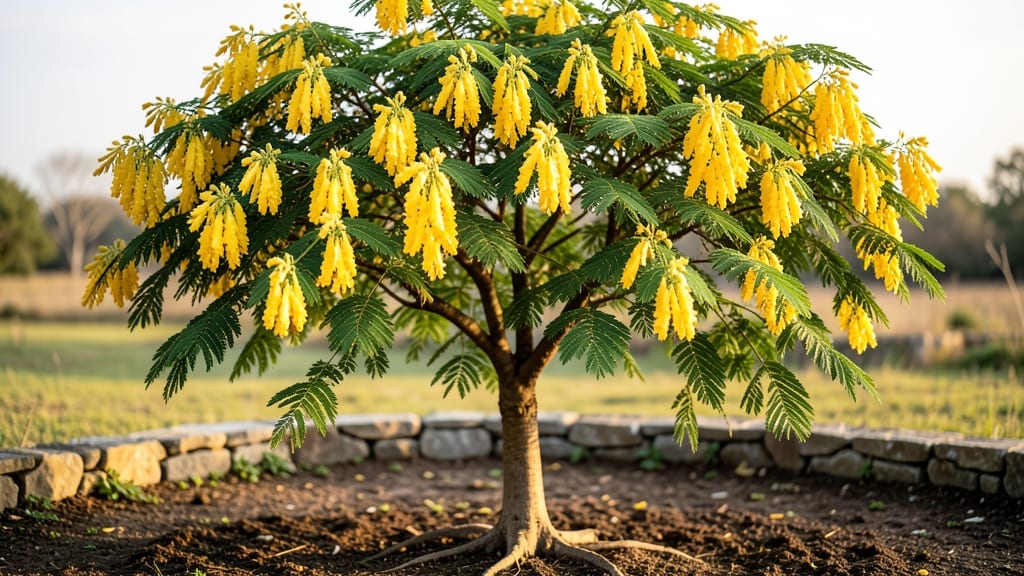
The jacaranda tree’s yellow flowers are a rare treasure—especially when you’re growing them in the Pacific Northwest’s chilly climate. 🌿 I’ve nursed these delicate beauties through our damp springs and cool summers, and the secret isn’t just about the right soil or sunlight.
It’s about understanding how they really behave when temperatures dip below 70°F.
Most jacarandas love heat, but the cold-hardy yellow varieties need shelter from late frosts and consistent moisture without soggy roots. Start with well-draining soil mixed with compost, and plant them where they’ll get morning sun and afternoon shade—this protects the blooms from afternoon heat stress while keeping roots cool.
The key? Mulch heavily in winter to insulate roots, and avoid pruning until after flowering, when you can shape without sacrificing next year’s display.
When you nail the care, you’ll see those cascading yellow clusters arrive in late spring—earlier than their purple cousins—and last for weeks. The scent is subtle but intoxicating, and the foliage stays lush even when other trees struggle.
These aren’t just flowers; they’re a statement that your garden can thrive beyond the usual limits.
Whether you’re planting a single specimen or dreaming of a small grove, the Pacific Northwest can be jacaranda country—with the right prep. Let’s get those roots settled so you can enjoy the show next season.
📚 In This Guide
- What you need
- Instructions
- Tips and common mistakes
- Wrapping up and next steps
What you need
- ● Jacaranda seeds or saplings: Choose Jacaranda mimosifolia (purple blooms) or Jacaranda acutifolia (yellow-tinged varieties) from a reputable nursery. Pro tip: 💡 For yellowish blooms, opt for hybrid varieties or grafted trees.
- ● Well-draining soil: Mix 60% native soil, 30% compost, and 10% perlite or coarse sand to mimic the tree’s arid origins.
- ● Large container or planting hole: For container growing: A 15–20 gallon pot with drainage holes (minimum 24" diameter for mature roots).
- ● For ground planting: Dig a hole twice as wide and slightly shallower than the root ball.
- ● Mulch: 3–4 inches of organic mulch (e.g., wood chips or pine straw) to retain moisture and regulate soil temp.
- ● Garden trowel or spade (for digging)
- ● Pruning shears (sterilized with rubbing alcohol)
- ● Watering can or hose with adjustable nozzle (gentle watering is key!)
- ● pH testing kit (ideal soil pH: 6.0–7.5)
- ○ Optional: Root stimulator (e.g., Mycorrhizal fungi for better nutrient uptake)
- ● Cold-frame or greenhouse (to extend growing season in Zone 8–9)
- ● Frost cloth (for young trees in late spring)
- ● Sunlight: Full sun (6+ hours daily)—jacarandas thrive in warm, bright conditions.
- ● Climate: Hardy to Zone 9–11; in the PNW, grow in containers for winter protection or choose microclimates (e.g., south-facing walls).
- ● Patience: Seeds take 1–2 years to sprout; saplings bloom in 3–5 years.
- ● Watering schedule: Deep water 2–3x/week (drought-tolerant once established).
Step-by-step instructions for cultivating cold-hardy Jacaranda varieties in the Pacific Northwest
Here’s how to coax vibrant blooms from these tropical favorites in cooler climates.
🌱 Step 1: Select the Right Jacaranda Cultivar for Your Climate
Not all jacarandas thrive in the Pacific Northwest’s chilly winters. Opt for cold-resistant varieties like Jacaranda mimosifolia ‘Winter Sun’ or Jacaranda acutifolia, which can tolerate brief dips to 20°F—though they’ll still need winter protection. Avoid tropical jacarandas like Jacaranda copia, which won’t survive below 30°F.
If you’re starting from a young tree, check the nursery tag for cold-hardiness ratings. I’ve found that even cold-hardy jacarandas need a sheltered spot—like near a south-facing wall—to shield them from wind and frost. Plant in late spring after the last frost date, giving the roots time to establish before winter.
☀️ Step 2: Plant in Full Sun with Well-Draining Soil
Jacarandas demand 6-8 hours of direct sunlight daily—no compromise here. In the Pacific Northwest, this means a south or west-facing location. If your yard has partial shade, supplement with a high-intensity grow light during winter months to maintain bloom triggers.
Amend native soil with 3 inches of compost and 20% perlite to prevent waterlogging, which jacarandas despise. The roots need oxygen, so avoid heavy clay. I dig a hole twice as wide as the root ball but only as deep—planting too deep suffocates the tree. Water deeply after planting to settle the soil around roots.
💧 Step 3: Water Deeply but Sparingly—Key to Winter Survival
Newly planted jacarandas need 1-2 gallons of water weekly during the first growing season, but established trees are drought-tolerant once rooted. Water at the base, avoiding foliage to prevent fungal diseases like powdery mildew—a common issue in humid PNW summers.
In winter, reduce watering to once every 3-4 weeks, only if the soil feels bone-dry 6 inches down. Overwatering in cold weather stresses roots and invites rot. Mulch with 3 inches of wood chips to insulate roots, but keep mulch 6 inches away from the trunk to prevent moisture buildup.
✂️ Step 4: Prune Strategically to Encourage Blooms
Prune jacarandas immediately after flowering (late spring) to shape the tree and remove dead branches. Never prune in fall or winter—this triggers new growth that won’t harden off before frost. Use sterilized pruners to cut back to a healthy lateral branch or bud, never leaving stubs.
Thin out crowded branches to improve airflow, which reduces disease risk. I avoid heavy pruning—jacarandas bloom on old wood, so aggressive cuts limit next year’s flowers. If your tree looks leggy, focus on removing only the lowest branches to open up the canopy for sunlight.
🪴 Step 5: Protect from Frost and Wind for Winter Bloom Success
Wrap the trunk with burlap or tree wrap in late fall to shield it from temperature swings. In areas with harsh winds, erect a temporary windbreak (like a lattice fence) to prevent winter desiccation. Jacarandas can handle brief cold snaps but won’t recover from prolonged freezing.
If your tree is young (under 3 years), mound 6 inches of mulch around the base for extra insulation. Older trees usually handle winter better, but a late frost can still damage emerging buds. Here’s the trick: I’ve found that covering the tree with frost cloth on nights below 32°F preserves next year’s blooms—worth the effort for those stunning yellow cascades.
Tips & tricks for cultivating cold-hardy Jacaranda trees
Here's what I've learned after years of coaxing vibrant blooms from these tropical favorites in our chilly Pacific Northwest climate.
Climate Matching: The 20°F cold tolerance rating on your nursery tag is your golden number—this is the absolute minimum for winter survival. I’ve seen many gardeners overlook the distinction between Jacaranda mimosifolia ‘Winter Sun’ and tropical varieties like Jacaranda copia. The difference is night and day in winter hardiness. For extra protection, consider planting near a south-facing wall where reflected heat creates a microclimate that can add 5-10°F of warmth during cold snaps.
Soil Science: That 20% perlite amendment isn't just about drainage—it's about creating an oxygen-rich environment for roots. I've had to dig up trees with waterlogged roots that looked like they'd been sitting in a swamp. Test your soil's drainage by digging a hole, filling it with water, and timing how long it takes to drain. If it takes more than 2 hours, you need more perlite or consider a raised bed. The 3 inches of compost should be mixed into the top 12 inches of soil, not just sprinkled on top.
Winter Water Wisdom: The once every 3-4 weeks winter watering guideline is crucial, but don't rely solely on memory. Stick a 6-inch soil probe into the ground—if it comes out dry, water; if it's damp, wait. I've seen many trees suffer from winter rot because well-meaning gardeners kept watering through the rainy season. And that 6 inches away from trunk mulch rule? It prevents moisture from sitting against the bark, which can cause rot. Use wood chips that break down slowly to maintain insulation through winter.
Pruning Precision: Timing your prune immediately after flowering in late spring is critical because jacarandas set next year's flower buds during this period. I've made the mistake of pruning too late, only to see next year's blooms reduced by half. When cutting, look for the lateral branch or bud just below your cut—this is where new growth will emerge. Use sterilized tools to prevent spreading diseases like canker, which can be fatal to these tropical trees in our climate.
Pro Tips for Jacaranda Tree Yellow Flowers
- Here's what I've learned after years of coaxing vibrant blooms from these tropical favorites in our chilly Pacific Northwest climate.
- Climate Matching: The 20°F cold tolerance rating on your nursery tag is your golden number—this is the absolute minimum for winter survival.
- Soil Science: That 20% perlite amendment isn't just about drainage—it's about creating an oxygen-rich environment for roots.
Frequently asked questions
Got questions about growing jacaranda trees with yellow flowers—especially in the chilly Pacific Northwest? Here are some of the most common queries to help you navigate your blooming journey with confidence!
Can jacaranda trees with yellow flowers survive cold winters in the Pacific Northwest?
Traditional jacarandas (like Jacaranda mimosifolia) are tropical and struggle below 20°F (-7°C). However, some cold-hardy hybrids or species like Jacaranda mimosifolia 'Winter Gem' or Jacaranda acutifolia can tolerate brief dips to 15°F (-9°C). For the PNW, plant in sheltered microclimates, mulch heavily, and wrap young trees in burlap during freezes.
Why aren’t my jacaranda flowers yellow? Most are purple—how do I get yellow blooms?
Yellow-flowering jacarandas are rare! Most cultivars produce vibrant purples or lavenders. For true yellow blooms, look for Jacaranda mimosifolia 'Golden Glow' (a hybrid) or Jacaranda acutifolia, which occasionally sports yellow-tinged flowers. Cross-pollination with other jacarandas might produce yellowish offspring, but results aren’t guaranteed.
How long does it take for a jacaranda tree to flower after planting?
Patience is key! Jacarandas typically take 5–7 years to mature enough for blooms, though some fast-growing varieties may flower in 3–4 years. Ensure full sun (6+ hours/day), well-draining soil, and consistent watering to encourage early flowering. Dwarf cultivars like 'Little leaf' may bloom sooner but produce smaller flowers.
What’s the best alternative to a yellow-flowering jacaranda for the PNW?
If yellow jacarandas prove too finicky, consider these PNW-friendly alternatives with similar tropical vibes:
- Yellow Rain Tree (Koelreuteria paniculata) : Cold-hardy to 10°F (-12°C), blooms in bright yellow summer flowers.
- Forsythia (Forsythia × intermedia) : Zones 5–8, bursts with yellow blooms in early spring.
- Golden Rain Tree (Cassia fistula) : Thrives in zones 9–11 but can be grown in containers in cooler climates.
My jacaranda leaves are yellowing—is it dying, or can I fix it?
Yellow leaves often signal overwatering, nutrient deficiency, or pests. Check soil moisture (jacarandas hate soggy roots!) and fertilize in early spring with a balanced 10-10-10 formula. Inspect for aphids or spider mites—spray with neem oil if needed. If only older leaves yellow, it’s likely natural senescence. Act fast if new growth yellows!
Can I grow a jacaranda in a container in the PNW?
Yes! Dwarf varieties like 'Blue Hawaii' or 'Little Leaf' thrive in large containers (20+ gallons) with drainage holes. Use a cactus/succulent mix, repot annually, and move indoors (or to a garage) when temps drop below 40°F (4°C). Ensure bright light year-round to mimic their tropical roots.
Wrapping up and next steps
The jacaranda tree’s golden-yellow blooms can transform your Pacific Northwest garden into a sun-drenched paradise—even in cooler climates! With the right cold-resistant variety, soil prep, and seasonal care, you’re well on your way to enjoying these vibrant, fragrant flowers year after year. 🌸
Now that you’re armed with expert tips, take action: Start by selecting a hardy jacaranda cultivar and mark your calendar for spring planting.
Whether you’re a seasoned gardener or a curious beginner, every small step—like mulching or pruning—brings you closer to a stunning, low-maintenance bloom that’ll make your neighborhood green with envy!