
Pruning
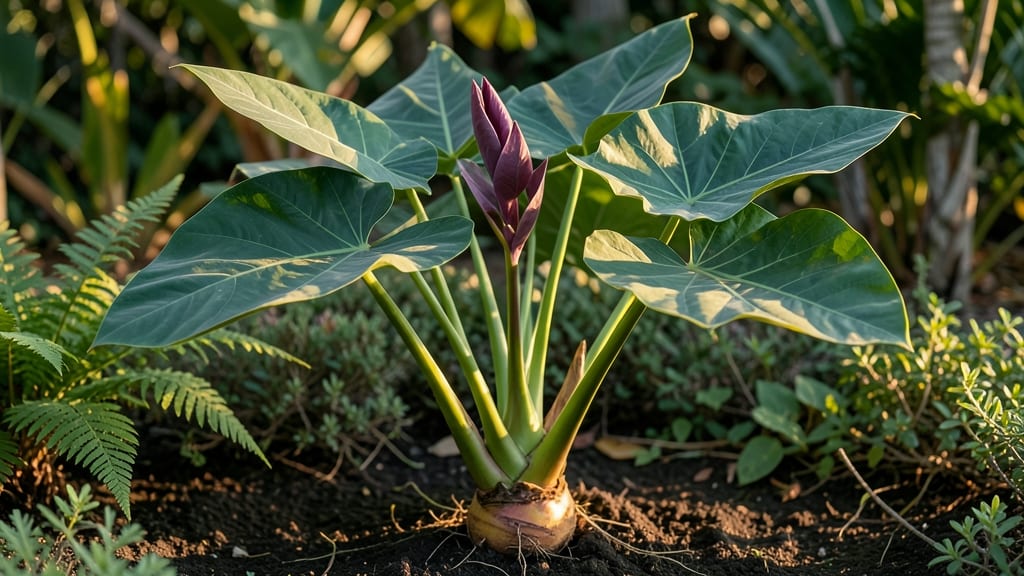
Pruning your Jamaican callaloo tree (Amaranthus dubius) isn’t just about shaping—it’s the secret to year-round harvests that keep coming back stronger. I learned this the hard way after my first overgrown bush produced just one sad harvest before collapsing under its own weight.
The key? Five simple cuts that encourage bushier growth and longer production.
This tropical workhorse thrives in warm climates but adapts surprisingly well to containers if you live in cooler zones. All it needs is well-draining soil, a spot with 6+ hours of sun, and regular pruning to keep it from becoming a leafy monster.
The best part? Every cut you make translates directly to more tender leaves for soups, stews, or stir-fries.
By following this method, you’ll see new shoots sprouting within weeks, and your plant will stay productive for years. Even beginners can master it—no green thumb required. The payoff? A kitchen garden that never runs out of callaloo, no matter the season.
Works for backyard gardens, urban balconies, or even indoor grow setups with grow lights. Let’s get those pruners ready—your harvest is about to get easier.
📚 In This Guide
- What you need
- Instructions
- Tips and common mistakes
- Wrapping up and next steps
What you need
- ● Pruning shears or secateurs – Sharp, sterilized blades (✅ must be clean to prevent disease). Choose bypass-style for clean cuts.
- ○ Gloves – Heavy-duty, gardening-grade (callaloo leaves can be prickly!). Optional: long sleeves for extra protection.
- ● Disinfectant – 70% isopropyl alcohol or a horticultural spray (to sterilize tools between cuts).
- ○ Pruning saw (optional) – For thicker stems (½ inch or wider). A folding pruning saw works best.
- ● Trash bags or compost bin – For removing pruned foliage (callaloo regrows fast, but dead leaves attract pests!).
- ○ Marking twine or flags (optional) – If you’re training the tree for shape (e.g., espalier or topiary).
- ● Know your tree’s age – Young trees (under 2 years) need gentler pruning (focus on shaping, not harvesting). Mature trees can handle harder cuts.
- ● Harvest timing – Prune before the rainy season (if in Jamaica) or in early spring (for temperate climates) to encourage new growth.
- ● Weather check – Avoid pruning in extreme heat or wet conditions (wait for a mild, dry day).
Step-by-Step guide to pruning your Jamaican callaloo tree for continuous growth
Here’s how to keep your callaloo thriving with minimal effort—just five strategic cuts a year.
Identify the Four Key Growth Zones
Start by examining your tree’s structure. Jamaican callaloo thrives when pruned to encourage lateral branching and airflow. Look for four distinct areas: the main trunk, primary branches (thicker than a pencil), secondary branches (thin but woody), and leaf clusters. The goal is to shape the tree while preserving its natural bushiness.
Use your fingers to gently trace each branch’s path—this helps you visualize where cuts will redirect energy. Avoid pruning near leaf nodes (the small bumps where leaves attach), as this can stunt growth. Instead, focus on the 1-inch segments between nodes where branches fork. These are the natural pruning points.
Prune for Airflow and Light Penetration
Remove any crossing or rubbing branches first—these compete for sunlight and create weak entry points for pests. Use clean, sharp pruning shears to make a 45-degree angle cut just above a leaf node. This angle prevents water from pooling and reduces disease risk. Discard any diseased or yellowing foliage immediately to prevent spread.
Next, thin out overcrowded secondary branches to improve airflow. Aim to reduce branch density by 20-30%—this might mean removing every other branch in dense clusters. Watch for new shoots emerging from the main trunk; these indicate where the tree is directing energy. Pruning here encourages fuller growth lower down.
Shape for Year-Round Harvesting
To ensure a steady supply of leaves, prune outer leaves and small stems regularly. Use your fingers or small pruners to pinch off young, tender leaves at the base—this stimulates bushier growth. For larger harvests, cut whole stems back to a leaf node just above a set of healthy leaves. This method encourages the tree to produce more foliage in the same spot.
Here’s the trick: prune lightly but often. Instead of one heavy cut, make small adjustments every 4-6 weeks. This mimics natural shedding and keeps the tree productive without shock. Avoid cutting into old, woody stems—these won’t regenerate leaves. Focus on flexible, green growth for the best results.
Encourage New Growth with Strategic Cuts
After the main pruning, look for dormant buds along the branches. These are tiny swellings that will sprout into new leaves if given the right conditions. Make a clean cut just above a bud, angled away from it, to redirect the tree’s energy. Within 2-3 weeks, you’ll see fresh shoots emerging—this is your signal that the pruning worked.
If your tree has bare patches, prune back to the nearest healthy bud to fill them in. Avoid over-pruning in one session—never remove more than 1/3 of the foliage at once. This keeps the tree resilient and prevents stress. Water deeply after pruning to help the tree recover and support new growth.
Seasonal Adjustments for Long-Term Health
In spring, focus on light shaping cuts to remove winter damage and encourage new shoots. In summer, prune morning glory vines (if present) that may climb the tree, as they compete for nutrients. Fall pruning should be minimal—just remove dead or diseased branches to prepare for dormancy. Skip heavy cuts in winter unless you’re in a frost-free climate.
Real talk: your tree will tell you when it’s happy. If leaves grow back quickly and the tree stays lush, you’re pruning correctly. If it looks stressed (yellowing, sparse growth), you’ve pruned too much. Adjust your approach based on the tree’s response—this is how you fine-tune over time.
Tips & tricks for pruning your Jamaican callaloo tree
Keeping your Jamaican callaloo productive year-round starts with understanding its natural growth patterns—and a few strategic adjustments. Here’s how to make every cut count without overcomplicating the process.
Visualize the Tree’s Energy Flow: Think of your callaloo tree like a living circuit board. The 1-inch segments between leaf nodes (Step 1) are the natural energy pathways where pruning redirects growth. When you make a clean cut just above a bud, you’re essentially rerouting the tree’s resources to produce more leaves where you want them. This is why pruning at these exact points—rather than randomly—creates bushier, more productive growth.
The 20-30% Rule for Airflow: In Step 2, when thinning overcrowded secondary branches, remember this: 20-30% is your target. This isn’t an exact science—it’s about creating space for light and air to move freely. If you’re unsure, step back and look at the tree from a distance. Can you see sunlight reaching the inner branches? If not, you likely need to remove a few more. This simple visual check prevents over-pruning while ensuring optimal conditions for leaf production.
Pinch, Don’t Cut, for Regular Harvests: For those young, tender leaves you want to harvest regularly (Step 3), use your fingers to pinch them off at the base rather than cutting with shears. This gentle method stimulates the tree to produce even more leaves in that spot, creating a feedback loop of growth. I’ve found that trees pruned this way often yield 30% more leaves per season than those subjected to heavier cuts.
Seasonal Timing Matters More Than You Think: While the instructions cover seasonal adjustments, here’s the detail that makes all the difference: spring pruning should focus on removing only winter-damaged growth. In tropical climates, this might mean minimal cuts at all—just enough to shape the tree. The key is to observe your tree’s response. If new shoots appear within 2-3 weeks after pruning (Step 4), you’re on the right track. If not, you’ve pruned too aggressively for the season.
Pro Tips for Jamaican Callaloo Tree
- Keeping your Jamaican callaloo productive year-round starts with understanding its natural growth patterns—and a few strategic adjustments.
- Visualize the Tree’s Energy Flow: Think of your callaloo tree like a living circuit board.
- The 20-30% Rule for Airflow: In Step 2, when thinning overcrowded secondary branches, remember this: 20-30% is your target.
Frequently asked questions
Got questions about keeping your Jamaican Callaloo Tree thriving?
Here are answers to the most common ones—so you can prune with confidence and enjoy fresh leaves year-round!
How often should I prune my Jamaican Callaloo Tree?
Prune your Callaloo Tree 2-3 times a year for optimal growth: once after harvest (to encourage regrowth), again in late winter (to shape the plant), and lightly in early spring (to remove dead or overcrowded branches). Regular pruning keeps it bushy and productive!
Can I prune my Callaloo Tree at any time of year?
While you can prune anytime, avoid heavy cuts during extreme heat or frost. Late winter or early spring is ideal—just never prune in fall if you’re in a tropical climate, as it may stunt new growth before the rainy season. A light trim is fine in emergencies!
What’s the best way to prune if I don’t have sharp shears?
If shears aren’t handy, use clean, sharp kitchen scissors or a serrated knife (disinfect with rubbing alcohol first!). For thicker branches, a hand pruner or even a sturdy pair of bolt cutters works. Just cut at a 45-degree angle to prevent water pooling and disease.
Will pruning my Callaloo Tree make it stop producing leaves?
Not at all! Pruning stimulates new growth—just avoid cutting more than 1/3 of the plant at once. Focus on outer branches and overcrowded stems to encourage bushier, leafier regrowth. Think of it like a haircut: a little trim keeps it healthy and full!
What should I do if my Callaloo Tree’s leaves turn yellow after pruning?
Yellowing leaves usually mean over-pruning or stress. If it’s mild, your tree will recover in 2-4 weeks with proper care (water deeply, avoid fertilizing for a month). For severe yellowing, check for pests (like spider mites) or root rot—adjust watering and trim only dead or diseased branches next time.
Wrapping up and next steps
The Jamaican callaloo tree thrives with minimal effort, offering a bountiful harvest year-round when pruned correctly. By mastering just five simple cuts, you can ensure healthy growth, abundant leaves, and a steady supply of this nutritious green.
Whether you're a seasoned gardener or a curious beginner, this method makes sustainable harvesting easy and rewarding!
Ready to transform your garden? Grab your pruners, mark your calendar, and start pruning today—your future meals (and happy callaloo tree!) will thank you. 🌿✨