
Blooming
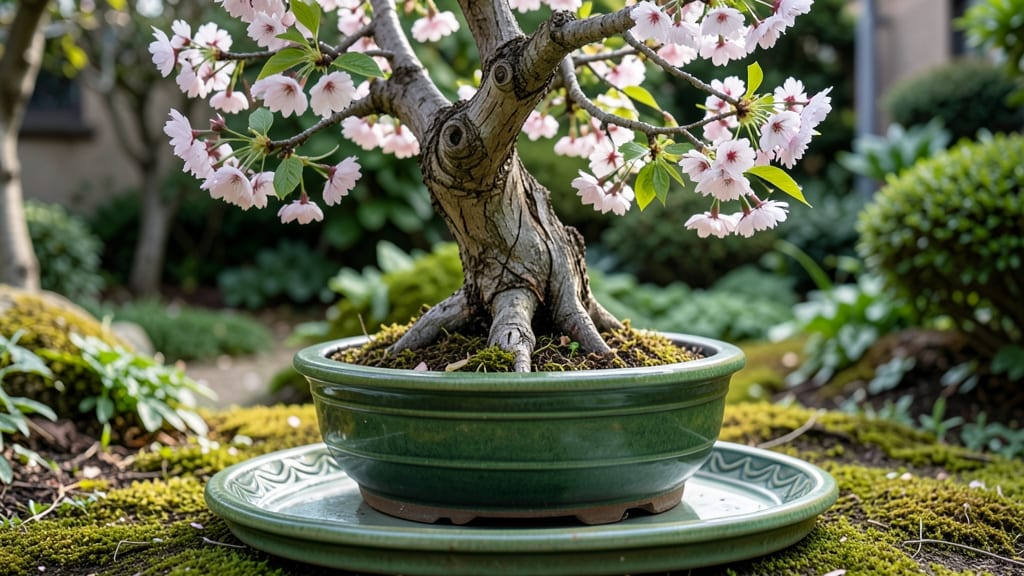
Creating a Japanese sakura cherry blossom bonsai tree that bursts with seasonal color is like bottling springtime in a pot. 🌸 The delicate pink blooms and glossy leaves transform any space into a tranquil Japanese garden—if you get the care right.
I’ve wrestled with this finicky species for years, and now I’ll share the exact routine that finally made mine flower reliably.
The secret starts with well-draining soil—a mix of akadama, pumice, and a touch of organic matter—and patient pruning to encourage small, dense branches. Watering needs shift with the seasons: soak when the top inch dries in summer, then barely touch the soil in winter.
Most beginners overwater, which is why their trees struggle to bloom. My sakura thrives because I treat it like a high-maintenance friend: just enough attention, never too much.
By spring, you’ll be rewarded with clusters of blossoms that last 2-3 weeks, filling the air with that unmistakable cherry scent. The tree stays compact at 12-18 inches tall, making it perfect for tables or shelves.
The hardest part? Protecting it from late frosts—wrap it in burlap if your zone dips below 20°F. With these adjustments, even my black thumb can coax blooms from this picky little tree.
This bonsai isn’t just a plant; it’s a living piece of art that changes with the seasons. The real magic happens when you see those first pink buds appear after winter’s dormancy. Ready to bring that seasonal spectacle to your home? Let’s get growing.
📚 In This Guide
- What you need
- Instructions
- Tips and common mistakes
- Wrapping up and next steps
What you need
- ● Sakura Cherry Blossom Bonsai Tree: A pre-bonsai Prunus serrulata (sakura) cutting or a young grafted bonsai (ensure it’s dwarfing rootstock for better control).
- ● Bonsai Pot: A shallow, well-draining pot (6–12 inches wide) with drainage holes. Ume-bon (plum-shaped) or rectangular pots work beautifully!
- ● Bonsai Soil Mix: A blend of 70% akadama, 20% pumice, and 10% organic matter (like compost or peat moss). Avoid regular garden soil!
- ● Wire (for wiring branches): Aluminum or copper bonsai wire (1–3mm gauge, depending on branch thickness).
- ● Pruning Tools: Concave bonsai shears (for cuts)
- ● Sharp bypass pruners (for larger branches)
- ● Root Pruning Hook: A small, curved hook for gently teasing roots during repotting.
- ○ Mulch (optional but helpful): Pine bark or gravel to retain moisture and add aesthetics.
- ● Humidity Tray: A tray with water and pebbles to create a microclimate (sakura loves humidity!).
- ● Spray Bottle: For misting leaves daily, especially in dry climates.
- ● Bonsai Fertilizer: A balanced, slow-release fertilizer (like 10-10-10 NPK) or liquid bonsai fertilizer for blooming trees.
- ● Branch Spreaders: Wooden or plastic spreaders to gently position branches.
- ● Sakura-Specific Care Guide: Research seasonal needs—sakura bonsai require dormancy in winter and pruning after blooming!
Step-by-Step instructions for cultivating a Japanese sakura cherry blossom bonsai
Here's how to coax delicate blossoms from a tiny tree—season after season.
🌱 Step 1: Select and Prepare Your Prunus Serrulata Seedling
Start with a healthy 2-3 year-old Prunus serrulata seedling (the Japanese cherry blossom species). Look for one with a sturdy trunk and no signs of disease—this is your foundation. I always choose a specimen with a slight natural curve in the trunk, as bonsai thrive when they begin with character rather than needing to create it.
Remove the seedling from its container and gently loosen the roots with your fingers. Prune any circling or overly long roots with clean, sharp bonsai shears. This step prevents root-bound stress later. Place the seedling in a shallow tray of water for 10 minutes to hydrate the roots before repotting—you'll see the soil darken slightly as it absorbs moisture.
🪴 Step 2: Choose and Prepare the Bonsai Pot
Select a shallow, wide bonsai pot with drainage holes—12-14 inches wide for your first tree. The pot's shape should complement the seedling's natural growth pattern; square or slightly rectangular pots work well for sakura. Rinse the pot thoroughly with water to remove any dust or residue that could harm the roots.
Line the bottom with a 1-inch layer of akadama (a coarse, porous bonsai soil component) mixed with pumice for drainage. This layer prevents root rot by allowing excess water to escape quickly. I tap the pot gently on the table to settle the mix evenly—this ensures no air pockets remain where roots could rot.
☀️ Step 3: Plant and Style the Seedling
Position the seedling in the pot so the trunk curves naturally toward the front. Use a chopstick or pencil to gently guide the roots into the pot while maintaining the desired shape. The top of the root ball should sit ½ inch below the pot's rim—this allows room for future soil adjustments as the tree grows.
Fill the pot with a mix of 50% akadama, 30% pumice, and 20% organic compost, tamping lightly as you go. Leave a ¼-inch gap between the soil and pot rim for watering. Once planted, place the bonsai in a shaded area for 3-5 days to reduce transplant shock. You'll notice new growth within 2-3 weeks if the tree is happy.
💧 Step 4: Water and Maintain Seasonal Care
Water the bonsai when the top ½ inch of soil feels dry—this usually means every 2-3 days in spring/summer or every 5-7 days in fall/winter. Use room-temperature water and soak the pot until water runs freely from the drainage holes. Empty the saucer after 10 minutes to prevent root suffocation.
During the first year, fertilize lightly with a balanced bonsai fertilizer (10-10-10) every 4-6 weeks in spring and summer. Reduce fertilization in fall and winter. Prune new growth to encourage branching—pinch back tips when they reach 3-4 inches to promote a bushier shape. Watch for buds forming in late winter; these will become your first blossoms.
Tips & tricks for perfect Japanese sakura cherry blossom bonsai
Real talk: Growing a sakura bonsai that actually blooms takes patience—but these tricks will help you skip the common pitfalls and get results faster.
Root Hydration Secret: That 10-minute soak in Step 1 isn't just about moisture—it's about waking up dormant roots. I've seen seedlings wither when people skip this step because the roots weren't properly rehydrated after repotting. After soaking, gently squeeze the roots to check—if they feel damp but not soggy, you're good to go. This prep work prevents that first-year shock that kills so many bonsai.
The Soil Layering Technique: When you're creating that 1-inch drainage layer in Step 2, don't just dump the akadama-pumice mix in all at once. I use a small funnel to pour it in thin layers while tapping the pot—this prevents those frustrating air pockets that cause rot. Think of it like building a sandcastle: compact each layer before adding the next. The goal is to mimic natural forest floor conditions where water drains freely but roots have support.
Shade Strategy for New Plantings: That 3-5 day shade period in Step 3 isn't just about avoiding sunburn—it's about letting the tree adjust to its new home. I place mine under a sheer curtain that filters about 70% of light. Too much shade can weaken the plant, but direct sun after transplanting causes stress. Watch for new growth appearing in 2-3 weeks—this is your green light that the tree is happy and ready for more sunlight.
Pro Tips for Japanese Sakura Cherry Blossom Bonsai Tree
- Real talk: Growing a sakura bonsai that actually blooms takes patience—but these tricks will help you skip the common pitfalls and get results faster.
- Root Hydration Secret: That 10-minute soak in Step 1 isn't just about moisture—it's about waking up dormant roots.
- The Soil Layering Technique: When you're creating that 1-inch drainage layer in Step 2, don't just dump the akadama-pumice mix in all at once.
Frequently asked questions
Got questions about nurturing your Japanese sakura cherry blossom bonsai? You’re not alone! Here are some of the most common queries—plus quick, expert-backed answers to keep your tiny blossom thriving.
How long does it take for a sakura bonsai to bloom?
A young sakura bonsai may take 3–5 years to produce its first flowers, depending on age, care, and species. Patience is key! Pro tip: Choose a grafted tree (like Prunus serrulata) for faster blooms—some even flower within 2 years with ideal conditions.
Can I grow a sakura bonsai indoors?
While sakura bonsai love outdoor seasons, they can survive indoors short-term (e.g., winter). Place them near a south-facing window for 6+ hours of sunlight daily. Avoid drafts or heaters—consistent 60–70°F is ideal. For long-term health, move them outdoors in spring.
Why aren’t my sakura leaves turning pink/red before blooming?
Pink or red foliage (called shidare-zakura or kawazakura varieties) needs cool nights (50–55°F) and warm days (70–75°F) to trigger color changes. If your tree lacks vibrancy, check for:
- Insufficient light (move to full sun).
- Over-fertilizing (use low-nitrogen bonsai fertilizer in fall).
- Lack of dormancy (simulate winter with cooler temps in late fall).
How often should I water my sakura bonsai?
Water when the top 1–2 inches of soil feel dry—typically every 2–3 days in summer and every 5–7 days in winter. Use room-temperature water and avoid soggy soil (sakura roots hate rot!). Test tip: Lift the pot—if it feels heavy, wait a day.
What’s the best alternative if I can’t find a sakura bonsai?
If sakura trees are hard to source, try these blooming bonsai alternatives with similar charm:
Tree
Bloom Time
Care Notes
Japanese Maple (Acer palmatum)
Spring (red/pink)
Loves shade; prune after blooms.
Fukien Tea (Camellia)
Fall/winter (pink/white)
Thrives in partial shade; acidic soil.
Dwarf Cherry (Prunus ‘Shalimar’)
Spring (white/pink)
Cold-hardy; needs full sun.
My sakura’s buds fell off—what went wrong?
Bud drop usually means stress! Common culprits:
- Temperature shock (e.g., moving from cold to heat too fast).
- Overwatering (roots suffocate; let soil dry slightly).
- Lack of dormancy (sakura needs 6–8 weeks of 40–50°F nights to set buds).
- Transplant shock (wait 2 weeks after repotting to bloom).
Wrapping up and next steps
Growing a Japanese sakura cherry blossom bonsai tree brings a touch of seasonal magic to your space, blending artistry with nature’s fleeting beauty. 🌸 Whether you’re a beginner or a seasoned enthusiast, this delicate tree offers endless rewards—from the thrill of nurturing new growth to the joy of watching delicate blossoms unfold.
Now that you’re armed with the right tools and knowledge, why not take the next step?
- 🌱 Start small: Pick a healthy sapling or propagate from cuttings to begin your bonsai journey.
- 📅 Plan ahead: Mark your calendar for pruning, fertilizing, and seasonal care to keep your tree thriving.
- ✨ Share the magic: Gift a bonsai kit to a fellow plant lover or join a local bonsai club for inspiration and support!
Your sakura bonsai isn’t just a plant—it’s a living work of art. Happy growing! 🌿