
Pruning
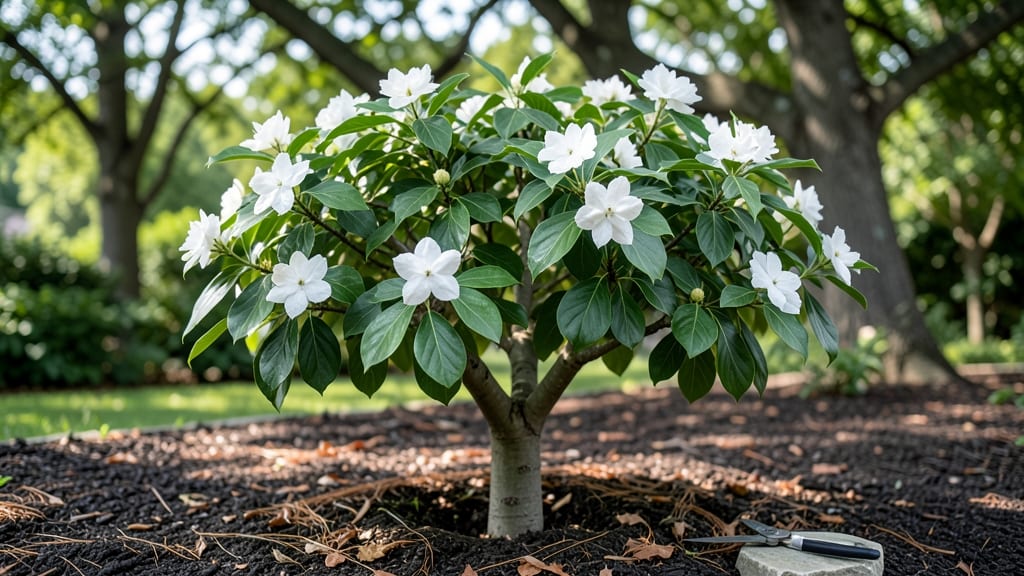
The kousa dogwood tree flower thrives in Pacific Northwest winters with the right pruning—its frost-resistant blooms reward patience with showstopping spring displays.
I’ve learned the hard way that aggressive cuts turn those delicate pink blossoms into leggy shadows, but the right timing and technique unlock three weeks of fragrant flowers that hummingbirds adore. The key?
Pruning after blooms fade but before summer heat sets in, when the tree’s energy shifts from flowers to next year’s buds.
You’ll need just a few tools—a sharp pair of pruners, rubbing alcohol for sterilizing cuts, and a 10-foot ladder if your tree’s over 6 feet tall.
The real secret isn’t fancy equipment but understanding which branches to keep: always prioritize last year’s growth where flowers form, and thin crowded areas to improve airflow. My first pruning attempt left bare spots—now I mark branches with flagging tape to track their growth patterns year-round.
What you’ll end up with is a tree that bursts into bloom earlier than neighbors’ dogwoods, with larger, more abundant flowers that resist powdery mildew better. The fragrance alone—like vanilla and honey—draws pollinators for weeks, and the deep red fall berries add another season of interest.
Even in rainy PNW winters, these trees stay disease-resistant when pruned correctly, proving their worth as a low-maintenance showstopper.
This method works for established trees and new plantings alike, though young kousa dogwoods need minimal pruning until they’re 3–4 years old. The same principles apply whether you’re shaping a specimen tree or restoring an overgrown hedge. Let’s get those blooms back on track—your future spring will thank you.
📚 In This Guide
- What you need
- Instructions
- Tips and common mistakes
- Wrapping up and next steps
What you need
- ● Pruning shears – Sharp, bypass-style (for clean cuts on small branches). Example: Felco F-2 or Corona Tools.
- ● Loppers – 20-24 inch reach, for thicker branches (up to 1.5 inches in diameter). Example: Fiskars X27.
- ● Pruning saw – Curved-tooth for branches too thick for loppers (1.5+ inches). Example: Bahco Laplander.
- ● Gloves – Heavy-duty, cut-resistant (e.g., Mechanix Wear or garden-specific gloves).
- ○ Disinfectant (optional but recommended) – 70% isopropyl alcohol or bleach solution (1 part bleach:9 parts water) to sterilize tools between cuts.
- ○ Pruning sealant – Optional, for large cuts (e.g., Tanglefoot Tree Wound Pruning Sealer).
- ● Ladder or step stool – Sturdy, 6-8 ft tall (if your tree is mature).
- ● Trash bags or bucket – For collecting pruned branches.
- ● Timing – Prune late winter to early spring (before buds swell) or summer after flowering (avoid pruning in fall/winter in PNW’s frost-prone zones).
- ● Weather – Choose a dry, overcast day (avoid pruning in wet or freezing conditions).
- ● Safety gear – Eye protection (safety goggles) and long sleeves/pants to avoid scratches.
- ● Tree health check – Inspect for disease or pests (e.g., powdery mildew, borers) before pruning. Pro tip: 💡 If you spot issues, treat them before pruning!
- ● Handheld leaf blower – For cleaning up debris quickly.
- ○ Tree paint – Optional, for sealing cuts on large branches (e.g., Tree Seal Tape).
- ● Notebook & pen – To sketch a pruning plan or mark branches to remove.
- ● Extension pole pruners – For high branches (e.g., Gorilla Pods).
Step-by-Step pruning for Kousa dogwood bloom success
Here’s how to prune your Kousa dogwood for maximum frost-resistant blooms in the Pacific Northwest.
Time Your Pruning for Optimal Bloom
The best time to prune your Kousa dogwood is late winter to early spring, just as new growth begins but before buds swell. This timing ensures you don’t remove next year’s flower buds, which form on old wood. In the Pacific Northwest, aim for February to March when frost risk has passed but before the tree breaks dormancy.
If you must prune later in the season, do so immediately after flowering to avoid cutting off next year’s blooms. Kousa dogwoods are more forgiving than other dogwoods, but precision timing still matters. Watch for the first signs of bud swell—tiny green bumps on the branches—as your cue to stop pruning for the season.
Remove Dead, Diseased, or Crossing Branches
Start by inspecting the tree for dead, diseased, or damaged branches. These are easy to spot—they’ll be brittle, discolored, or lacking leaves. Use clean, sharp pruners to make cuts just outside the branch collar, the swollen area where the branch meets the trunk. Avoid leaving stubs, as they invite decay.
Next, look for branches that cross or rub against each other. These compete for energy and can create wounds where pests or diseases enter. Remove the smaller of the two branches at its point of origin. Thin the canopy this way to improve airflow, which is critical for frost resistance. A well-pruned Kousa dogwood recovers quickly, so don’t hesitate to be decisive.
Shape for Frost Resistance and Airflow
Kousa dogwoods thrive with an open, vase-like shape that allows cold air to move through the branches. Focus on lightening the canopy by selectively removing up to 20% of the total foliage if needed. Prioritize branches growing inward or downward, as these block sunlight and airflow.
Make cuts just above an outward-facing bud to encourage new growth in the right direction. Avoid over-pruning—this stress-sensitive tree responds poorly to aggressive cuts. Step back frequently to visualize the tree’s structure. The goal is a balanced silhouette that sheds snow and ice easily, reducing frost damage to vulnerable blooms.
Clean Up and Monitor for Recovery
After pruning, sterilize your tools with rubbing alcohol to prevent spreading disease. Collect and dispose of debris immediately, as fallen branches can harbor pests. Water the base of the tree deeply to help it recover, especially if you’ve made significant cuts.
Monitor the tree over the next 4-6 weeks for signs of stress, like wilting leaves or oozing sap. If you see these, the cuts may have been too severe. Kousa dogwoods are resilient, but they reward careful pruning with vibrant, frost-hardy blooms the following spring. Avoid fertilizing immediately after pruning—let the tree focus on healing before pushing new growth.
Tips & tricks for perfect Kousa dogwood pruning
Precision timing and careful technique make all the difference with these frost-resistant bloomers.
Timing is Everything: The February to March window is critical because Kousa dogwoods form flower buds on old wood. If you prune too early, you risk removing next year's blooms before they even develop. I always check for bud swell—those tiny green bumps on branches—before stopping. In the Pacific Northwest's unpredictable climate, this visual cue is more reliable than calendar dates alone.
Branch Selection Strategy: When removing crossing branches in Step 2, focus on removing the smaller branch at its point of origin. This technique maintains the tree's natural structure while improving airflow. I've found that leaving stubs creates entry points for disease, so always cut just outside the branch collar. For larger branches, consider using a three-cut method to prevent bark tearing, which can stress the tree further.
Canopy Lightening Technique: The 20% foliage reduction guideline in Step 3 is a safe maximum, but don't be afraid to go lighter if needed. I often visualize the tree's silhouette from multiple angles to ensure balanced light distribution. Prioritize removing branches that grow inward or downward first—they block sunlight and airflow most significantly. Remember, Kousa dogwoods respond better to gradual pruning than aggressive cuts.
Post-Pruning Recovery Care: The 4-6 week monitoring period is essential for catching stress signs early. I always keep a small bottle of rubbing alcohol in my pruning kit for immediate tool sterilization between cuts. If you notice wilting leaves or sap oozing, reduce watering temporarily—this helps the tree focus its energy on healing rather than processing excess moisture. Avoid fertilizing right after pruning, as new growth will compete with the tree's recovery process.
Pro Tips for Kousa Dogwood Tree Flower
- Precision timing and careful technique make all the difference with these frost-resistant bloomers.
- Timing is Everything: The February to March window is critical because Kousa dogwoods form flower buds on old wood.
- Branch Selection Strategy: When removing crossing branches in Step 2, focus on removing the smaller branch at its point of origin.
Frequently asked questions
When is the best time to prune kousa dogwood flowers?
The ideal window is late winter to early spring (February–March), just before buds swell but before new growth starts. This timing ensures you don’t accidentally remove next year’s flower buds, which form on old wood. Avoid pruning after blooms appear—you’ll cut off next season’s show!
How do I protect kousa dogwood flowers from late frosts?
Kousa dogwoods are frost-hardy, but late spring frosts can still damage blooms. Use frost cloth or a lightweight row cover over clusters when temps dip below 28°F. Water trees deeply the day before a frost to boost cold resistance. Prune strategically to open the canopy, improving airflow and reducing frost pockets.
Can I prune kousa dogwood in summer? What about dead branches?
Summer pruning is not recommended—it stresses the tree and can invite pests. However, remove dead, diseased, or crossing branches anytime. For summer maintenance, focus on light thinning (never more than 25% of foliage) to improve air circulation. Always sterilize tools with rubbing alcohol to prevent spreading disease.
Are there alternatives to kousa dogwood for frost-resistant blooms?
Yes! If you love frost-tolerant flowers, consider:
- Serviceberry (Amelanchier): White blooms, edible berries, and zone 3 hardiness.
- Osoberry (Symphoricarpos): Pink flowers, purple berries, and drought-resistant.
- Pacific Dogwood (Cornus nuttallii): Larger flowers but slightly less frost-proof than kousa.
My kousa dogwood isn’t blooming—what’s wrong?
Common culprits include:
- Over-pruning: Too many cuts remove flower buds (prune only to shape or remove deadwood).
- Poor sunlight: Needs full sun to partial shade (6+ hours/day).
- Stress from drought or pests: Check for borers or powdery mildew; mulch and water deeply during dry spells.
Wrapping up and next steps
The Kousa dogwood tree isn’t just a frost-resistant beauty—it’s a showstopper that thrives in the Pacific Northwest with the right care. By mastering proper pruning techniques, you’ll unlock vibrant blooms year after year while keeping your tree healthy and resilient.
Whether you’re trimming for shape, removing deadwood, or encouraging new growth, every snip brings you closer to a stunning, low-maintenance landscape centerpiece.
Ready to transform your garden? Grab your pruners, mark your calendar for late winter or early spring, and give your Kousa dogwood the attention it deserves. Your future blooms will thank you! 🌸✂️