
Trees
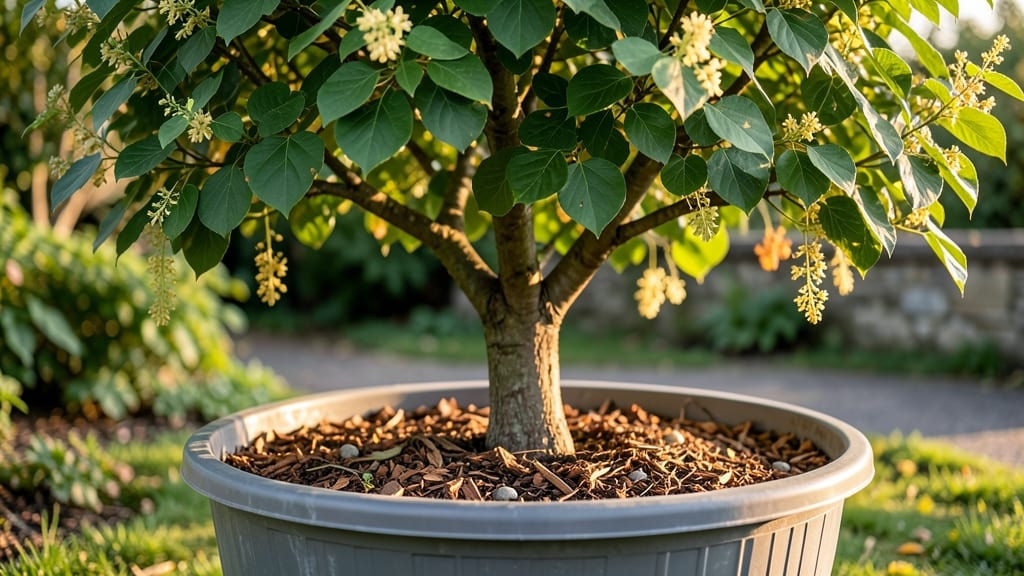
Large plastic planters for trees let you grow mature specimens without digging up your yard—perfect for urban spaces, patios, or renters who want long-term greenery. I’ve used them to transform a concrete courtyard into a lush mini-forest, and the results are shockingly stable even in high winds.
The key is choosing planters with reinforced bases and thick walls that won’t crack under root pressure over time.
These containers aren’t just functional—they’re surprisingly versatile. You can paint them to match your decor, stack them for vertical gardens, or even hide them behind decorative screens for a seamless look.
Most importantly, they solve the drainage and soil-compaction problems that plague in-ground planting, giving your tree a healthier start and longer lifespan. Just avoid cheap, thin-walled models—they’ll split within a year.
Once you pick the right planter, maintenance becomes almost effortless. Watering is less frequent than in-ground trees, and you can easily monitor soil moisture without digging. My Japanese maple in a 25-gallon planter thrives year-round, with roots growing strong enough to support its branches through winter.
The only trade-off? You’ll need to fertilize more often to replace nutrients lost in the contained soil.
Whether you’re reviving a tired patio or adding greenery to a small balcony, these planters let you design with trees like a pro. Start with a species suited to container life—dwarf varieties or those with non-invasive roots work best—and watch your space transform.
The best part? You can move them if your needs change, giving you flexibility most permanent plantings can’t match.
📚 In This Guide
- What you need
- Instructions
- Tips and common mistakes
- Wrapping up and next steps
What you need
- ● Large plastic planters: Size: Minimum 18" deep (bigger for mature trees—aim for 24"+ depth and 30"+ diameter for large specimens).
- ● Material: High-density polyethylene (HDPE) or UV-resistant plastic (lifespan: 5–10+ years).
- ● Quantity: 1 per tree (or more for multiple trees).
- ● Drainage system: Drainage holes: Pre-drilled or DIY-drilled (1–2" diameter, spaced 6–12" apart).
- ● Gravel or drainage media: 2–3" layer of #4–#8 washed gravel or plastic pot feet.
- ● Soil blend: 60% high-quality topsoil (sandy loam ideal).
- ● 30% organic matter (compost, coconut coir, or peat moss).
- ● 10% perlite/vermiculite (for aeration).
- ● Quantity: ~1 cubic yard per planter (adjust for size).
- ● Tree support: Stakes (2–4) (if needed for young/small trees).
- ● Tree ties or soft straps (to secure stakes without girdling).
- ● Tools: Drill with hole saw bit (1–2") (if modifying planters).
- ● Wheelbarrow or soil bag mover.
- ● Garden trowel or shovel.
- ● Level (to ensure even placement).
- ● Measuring tape.
- ● Planters with built-in saucers (to catch runoff and protect surfaces).
- ● Self-watering planter kits (for low-maintenance hydration).
- ● Mulch (2–3" layer) (pine bark or shredded leaves to retain moisture).
- ● Planters with handles or wheels (for easy moving if needed).
- ● Fertilizer spikes or slow-release granules (for nutrient boosts).
- ● Planters with locking lids (if protecting from pets/wildlife).
How to select and set up heavy-duty plastic planters for mature trees
Here’s how I’ve learned to choose and install large plastic containers that actually support tree roots long-term.
Calculate Container Size Based on Tree Mature Height
For every 1 foot of mature tree height, provide at least 1 gallon of container volume. A 20-foot oak needs a 20-gallon minimum—but that’s just the starting point. I always round up to the next standard size because roots expand beyond the trunk’s shadow. Check the manufacturer’s specs for usable volume; many "20-gallon" planters only hold 12-15 gallons after accounting for drainage space.
Depth matters just as much as width. Roots need 12-18 inches of soil depth to establish stability. Shallow containers force roots to circle the bottom, creating a weak, girdling mass. If your tree’s roots extend 24 inches deep at maturity, choose a container that’s at least 2 feet deep. Measure twice—you’ll regret buying a container that’s too small after the first windstorm.
Verify Structural Integrity and Drainage
Not all plastic planters are created equal. Look for high-density polyethylene (HDPE) or reinforced polypropylene—these materials resist cracking under root pressure. I’ve seen cheaper containers split at the seams within a year when planted with 10-foot trees. Test by pressing firmly on the sides; if the plastic flexes more than ¼ inch, move to a sturdier model.
Drainage is non-negotiable. A minimum of 4 drainage holes is required, but larger trees need 6-8 holes spaced evenly around the base. Place a 2-inch layer of coarse gravel or tree-specific drainage media at the bottom before adding soil. This prevents clogging and ensures water flows freely. I always install a drainage sock over the holes to keep soil from washing out while allowing water to escape.
Prepare the Base and Soil Mix for Root Stability
Before adding soil, create a stable base to prevent tipping. For containers over 15 gallons, bury the bottom 6-8 inches into the ground or anchor it with concrete footings at each corner. Even with heavy planters, wind can topple them—especially if filled with moist soil. I’ve seen 30-gallon containers flip during storms because they weren’t secured properly.
Use a custom soil mix designed for container trees. A 50/50 blend of high-quality potting soil and compost works, but add 20% perlite or vermiculite for aeration. Avoid garden soil—it compacts and suffocates roots. For trees over 15 feet tall, incorporate slow-release fertilizer (like osmocote) at planting to support early growth. Water the mix thoroughly before adding the tree to eliminate air pockets.
Plant and Stake for Wind Resistance
Dig a hole twice as wide as the root ball but no deeper than the container’s base. Loosen the root ball’s edges with your fingers to encourage outward growth—don’t sever roots, just tease them gently. Place the tree in the center of the container and backfill with soil, tamping lightly every 2 inches to remove air gaps. The top of the root ball should sit 1 inch below the container’s rim to allow for settling.
Staking is critical for young trees in containers. Use three sturdy stakes placed 12 inches from the trunk at a 45-degree angle, tied with soft tree ties (never wire). The goal is to limit movement without restricting growth. Check ties every 4-6 weeks—they tighten as the tree grows and can girdle the trunk. Once the tree’s roots fill 50% of the container, you can remove stakes to encourage natural strength.
Water and Monitor for Long-Term Health
Water deeply immediately after planting, then again every 2-3 days until the soil is 6 inches deep. Containers dry out 3-5 times faster than in-ground plantings. Use a moisture meter to check—if the soil feels dry at 4 inches, it’s time to water. Overwatering is just as deadly; ensure excess water drains completely within 30 minutes of watering.
Fertilize every 6-8 weeks with a balanced, slow-release formula (like 10-10-10) during the growing season. Container trees deplete nutrients faster than in-ground trees. Watch for yellowing leaves—this often signals either overwatering or nutrient deficiency. If leaves curl or drop, move the container to a shadier spot and reduce watering frequency. With proper care, a well-chosen plastic planter can support a tree for 10+ years.
Tips & tricks for heavy-duty tree planters that actually last
Here's what I've learned after years of watching trees thrive—and fail—in container setups.
Material Matters: When selecting your planter, prioritize HDPE or reinforced polypropylene over standard plastic. I’ve seen lightweight containers crack under the pressure of a 10-foot tree’s roots within months. Look for containers with thick walls (at least 1/4 inch) and reinforced seams. Carry the planter yourself to the store—if it’s too light to lift comfortably, it won’t hold up long-term. For trees over 15 feet, consider planters with double-walled construction for extra durability.
Drainage System Upgrade: The instructions mention 4-8 drainage holes, but I recommend adding a secondary drainage layer beneath the gravel. Use a landscape fabric or a commercial root barrier to prevent soil from clogging the holes over time. This simple addition extends the life of your drainage system by years. Also, position the container on a slight angle (1-2 degrees) to encourage water flow toward the drainage holes—flat-bottomed containers often develop waterlogged pockets.
Soil Mix Strategy: While the 50/50 potting soil and compost blend works, I’ve found that adding mycorrhizal fungi to the mix significantly improves root development for container trees. These beneficial fungi form symbiotic relationships with roots, enhancing nutrient uptake and stability. For larger trees, consider incorporating hydrogel crystals (2-3% by volume) to retain moisture without overwatering. This is especially helpful during the first critical growing season when roots are establishing.
Staking Technique: The three-stake method is solid, but I’ve refined it further. Use adjustable stakes that can grow with your tree—this eliminates the need for frequent tie adjustments. Position the stakes at 45-degree angles but bury them 6-8 inches deep in the soil for maximum stability. For trees in exposed locations, consider adding a fourth stake on the windward side. The key is to mimic natural wind resistance while allowing the tree to develop its own strength over time.
Pro Tips for Large Plastic Planters For Trees
- Here's what I've learned after years of watching trees thrive—and fail—in container setups.
- Material Matters: When selecting your planter, prioritize HDPE or reinforced polypropylene over standard plastic.
- Drainage System Upgrade: The instructions mention 4-8 drainage holes, but I recommend adding a secondary drainage layer beneath the gravel.
Frequently asked questions
Got questions about using large plastic planters for trees?
You’re not alone! Here are answers to the most common concerns—from setup to long-term care—so you can plant with confidence.
What’s the best size for a large plastic planter to support a mature tree?
Rule of thumb: Aim for a planter at least 3x wider and deeper than the tree’s root ball. For example, a 12-inch sapling needs a 36-inch (3-foot) diameter planter. Depth matters too—roots need 12–18 inches of soil below the root flare. Oversizing prevents root binding and ensures stability during storms.
How do I keep a large plastic planter from tipping over in wind or heavy rain?
Anchor it! Bury the planter 10–12 inches deep or use concrete footings (like sonotubes) at the base. For extra security, add weighted sandbags or stakes with guy wires tied to a nearby post. Avoid placing it on slopes or near high-traffic areas where accidental bumps could topple it.
Can I leave a tree in a large plastic planter over winter?
Yes, but with precautions! Plastic retains cold, so insulate the base with mulch (4–6 inches) and wrap the planter in bubble wrap or frost cloth if temps drop below 20°F. Avoid letting soil freeze solid—water before hard frosts to reduce ice damage. Drainage holes are critical to prevent soggy roots.
Are large plastic planters cheaper than wood or ceramic alternatives?
Plastic planters cost $50–$300 for heavy-duty sizes (vs. $500+ for cedar or ceramic). They’re lightweight yet durable, resist rot, and won’t crack in freezing temps. Plus, they’re easy to move if you need to relocate the tree later. Just budget for drainage systems (pebbles, saucers) and anchoring materials.
What should I do if my tree’s roots are circling or binding in the planter?
Act fast! Gently loosen the root ball with a knife or your hands during repotting. If roots are tightly coiled, prune the outer 1/3 and refresh the soil. For severe cases, consider transplanting into the ground if space allows. Never force roots into tight spaces—this can strangle growth.
Can I grow fruit trees (like apples or citrus) in large plastic planters?
Yes, but choose self-pollinating varieties (e.g., ‘Anna’ apple or ‘Calamondin’ orange) and ensure the planter is at least 5 gallons per year of tree age. Citrus needs full sun and winter protection; apples thrive in well-draining soil with regular pruning. Monitor for pests—containerized trees can attract aphids faster.
Wrapping up and next steps
Choosing the right large plastic planters for trees is a game-changer for your garden’s health and longevity! 🌳 These sturdy containers offer durability, mobility, and year-round stability—perfect for nurturing deep-rooted trees while protecting your landscape.
Whether you're tackling erosion, urban gardening, or simply elevating your outdoor space, the right planter sets the stage for thriving greenery.
Now that you’re armed with the what, why, and how, it’s time to take action!
Measure your space, pick a planter that matches your tree’s needs, and watch your green companion flourish. Ready to plant? Grab your tools and get growing—your future tree (and your curb appeal) will thank you!