
Pests and Diseases
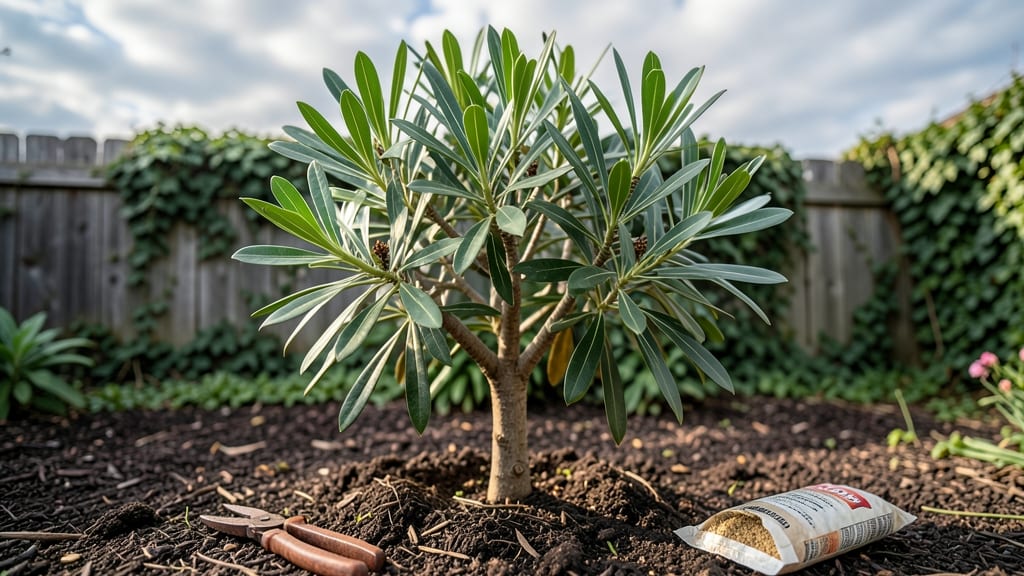
The oleander tree leaves may look stunning in your garden, but when they start browning or yellowing, it’s a sign of pests, disease, or care mistakes—and quick action can save your plant.
I've seen oleanders go from lush and glossy to sad and sparse in just weeks, and the key to turning things around is knowing what you're dealing with before grabbing the wrong solution.
Start by checking the undersides of leaves for sticky residue (aphids), waxy bumps (scale), or black sooty mold—those are your biggest red flags. Overwatering or poor drainage often shows up as yellowing at the leaf edges, while under-watering causes crispy brown tips.
Once you identify the issue, you can tackle it with targeted fixes: neem oil for pests, proper watering routines, or adjusting soil pH if needed.
📚 In This Guide
- What you need
- Instructions
- Tips and common mistakes
- Wrapping up and next steps
What you need
- ● Nitrile or latex gloves (2–3 pairs) – Thick, chemical-resistant gloves (at least 14 mil) to prevent skin contact with toxic sap.
- ● Safety goggles (1 pair) – Protects eyes from sap splashes or debris.
- ● Long-sleeved shirt and pants – Cover as much skin as possible to minimize exposure.
- ● Respirator mask (N95 or better) – Filters dust and sap particles when handling large quantities of leaves.
- ○ Disposable coveralls or apron (optional but recommended) – Prevents sap from sticking to clothing.
- ● Pruning shears or loppers – For cutting larger branches (bypass pruners work best for clean cuts).
- ● Heavy-duty trash bags (2–3, 30-gallon size) – For containing leaves and debris securely.
- ● Garden rake or leaf blower – Helps gather fallen leaves without direct handling.
- ● Shovel or trowel – For digging up roots or buried debris if needed.
- ● Bleach or commercial cleaner (e.g., 1 part bleach to 10 parts water) – For sanitizing tools and surfaces after contact.
- ● Paper towels or rags – For wiping down tools and accidental spills.
- ○ Plastic containers with lids (optional) – For soaking tools in bleach solution if heavily contaminated.
- ● Local hazardous waste disposal guidelines – Check if oleander leaves require special disposal (often treated as toxic waste).
- ● 🌡️ Work on a dry day – Wet leaves release more sap, increasing toxicity risks.
- ● ✨ Wet the leaves first – Spraying them with water can reduce sap aerosolization when raking.
- ● 🎯 Double-bag waste – Seal trash bags tightly and label them as "toxic plant waste."
How to identify and safely remove oleander tree leaves
Here's how to spot dangerous oleander leaves and handle them without risking exposure.
Confirm Oleander Leaf Identification
Oleander leaves are long, narrow, and leathery with smooth edges—typically 3-8 inches long and 1-2 inches wide. They grow in whorls of three along the stem. The key visual clue is their dark green, glossy surface that feels slightly waxy when touched. If you see small clusters of pink, white, or yellow flowers at the stem tips, that's a strong indicator you're dealing with oleander.
Real talk: Never rely on leaf shape alone. If you suspect oleander, cross-check with the plant's habit—oleanders grow as shrubs or small trees with thick, woody stems. The leaves should have a faint, bitter almond scent when crushed, though not all varieties produce this smell.
Assess the Toxic Risk Level
All parts of the oleander plant are toxic, but leaves contain the highest concentration of cardiac glycosides, which can cause severe poisoning if ingested or even absorbed through skin contact. If you're removing leaves from a fallen branch or pruned limbs, wear nitrile gloves—latex won't protect you from oleander's toxins. The gloves should extend at least 12 inches up your forearm to prevent accidental skin contact.
Here's the thing—if you're dealing with a large oleander tree, consider calling a professional arborist. These plants grow 10-20 feet tall and can produce thousands of leaves during pruning season. Disturbing them improperly can spread toxins to your yard or even your home if leaves get carried indoors on clothing or tools.
Collect and Contain the Leaves
Use a heavy-duty contractor bag rated for sharp debris to gather the leaves. Avoid shaking branches—this can release toxic pollen into the air. Instead, cut branches at the base with pruning shears and lower them directly into the bag. If you must handle individual leaves, use tongs or a grabber tool to avoid direct contact.
Once collected, seal the bag tightly and label it "TOXIC OLEANDER" with a permanent marker. Store it in a locked trash bin or designated hazardous waste area. Never compost oleander leaves—their toxins persist even after decomposition. If you're unsure about disposal regulations, check with your local waste management authority.
Clean Up and Decontaminate
After removal, thoroughly wash all tools, gloves, and clothing with hot, soapy water. Rinse with a 10% bleach solution (1 part bleach to 9 parts water) to neutralize any residual toxins. Wear gloves when handling bleach and work in a well-ventilated area. This step is critical—oleander toxins can linger on surfaces and tools for days.
If you or anyone in your household experiences dizziness, nausea, or skin irritation after handling oleander, seek medical attention immediately. Even small amounts of sap can cause reactions. Keep pets and children away from the work area until cleanup is complete—oleander toxins are particularly dangerous to animals.
Tips & tricks for handling oleander tree leaves safely
Dealing with oleander leaves requires extra caution—here’s how to handle them without putting yourself at risk.
Visual Identification Double-Check: In Step 1, when verifying oleander leaves, pay extra attention to the leaf arrangement. Oleander leaves grow in whorls of three, but some other plants mimic this pattern. Look for the combination of 3-8 inch length, dark green glossy surface, and thick, waxy texture—this trio is your best confirmation. If you're still unsure, snap a photo and compare it to trusted plant identification resources before proceeding.
Gloves Are Non-Negotiable: The instructions emphasize nitrile gloves, but here’s the critical detail: ensure they’re thick enough (at least 14-gauge) and extend past your wrists. I once learned this the hard way when a glove tore during removal, exposing my forearm to the sap. If you’re working with large quantities, consider double-gloving—wear a second pair of gloves over the first for added protection. Also, avoid touching your face or eyes while wearing gloves, as toxins can transfer even through intact gloves.
Tool Selection Matters: For Step 3, when collecting leaves, avoid using regular gardening shears—they might not be sharp enough to cut through oleander’s tough stems cleanly. Instead, use heavy-duty pruning shears or a hand pruner with a long handle to keep your hands farther from the plant. If you’re dealing with a large tree, consider using a pole saw to avoid climbing or reaching too far. Always clean your tools immediately after use with the bleach solution mentioned in Step 4.
Disposal is More Than Just Trash: While the instructions mention locking the trash bin, here’s what nobody tells you—some municipalities require oleander waste to be taken to a hazardous waste facility rather than regular trash. Before disposal, check your local regulations, as fines can apply for improper disposal. If you’re unsure, take a photo of the labeled bag and call your waste management department for guidance. Also, never burn oleander leaves—the toxins release into the air as smoke, posing a severe inhalation risk.
Pro Tips for Oleander Tree Leaves
- Dealing with oleander leaves requires extra caution—here’s how to handle them without putting yourself at risk.
- Visual Identification Double-Check: In Step 1, when verifying oleander leaves, pay extra attention to the leaf arrangement.
- Gloves Are Non-Negotiable: The instructions emphasize nitrile gloves, but here’s the critical detail: ensure they’re thick enough (at least 14-gauge) and extend past your wrists.
Frequently asked questions
Got questions about oleander tree leaves?
You’re not alone! Here are answers to the most common concerns—from safety to removal—so you can handle this toxic threat with confidence.
Are oleander tree leaves toxic to humans and pets?
Yes! All parts of the oleander tree—leaves, flowers, seeds, and stems—contain cardiac glycosides, which are deadly if ingested. Even touching broken leaves can irritate skin or cause allergic reactions. Keep pets and kids away and wear gloves when handling them.
What are the symptoms of oleander poisoning?
Symptoms vary but include nausea, vomiting, diarrhea, dizziness, irregular heartbeat, and seizures. Severe cases can be fatal. If you suspect poisoning, call Poison Control (1-800-222-1222) immediately—do not induce vomiting without professional guidance.
When is the best time to remove oleander leaves safely?
The ideal time is late fall or early winter when the tree is dormant. This minimizes sap flow, reduces toxicity risks, and makes disposal easier. Never burn oleander—toxic fumes can be released. Instead, double-bag leaves in sealed trash for municipal pickup.
Can I replace oleander with a non-toxic alternative?
Consider non-toxic, drought-resistant alternatives like:
- Texas Sage (Leucophyllum frutesens) – Hardy and low-maintenance.
- Jasmine (Trachelospermum jasminoides) – Fragrant and pet-safe.
- Crape Myrtle (Lagerstroemia) – Beautiful blooms, no toxicity.
Why do my oleander leaves keep turning yellow or brown?
Yellowing or browning leaves often signal overwatering, underwatering, or pests (like aphids or scale insects). Check soil moisture—oleanders prefer well-draining soil—and inspect leaves for bugs. Prune affected branches and treat with neem oil if pests are present.
Wrapping up and next steps
Understanding the dangers of oleander tree leaves is the first step toward keeping your yard—and your loved ones—safe. From identifying their toxic traits to safely removing them, you now have the tools to act with confidence. 🌿✨
Ready to take action? Start by inspecting your outdoor space for oleander trees, and if found, follow the removal steps outlined above. Stay vigilant, stay safe, and protect your home’s beauty without the risks!