Orchid Care
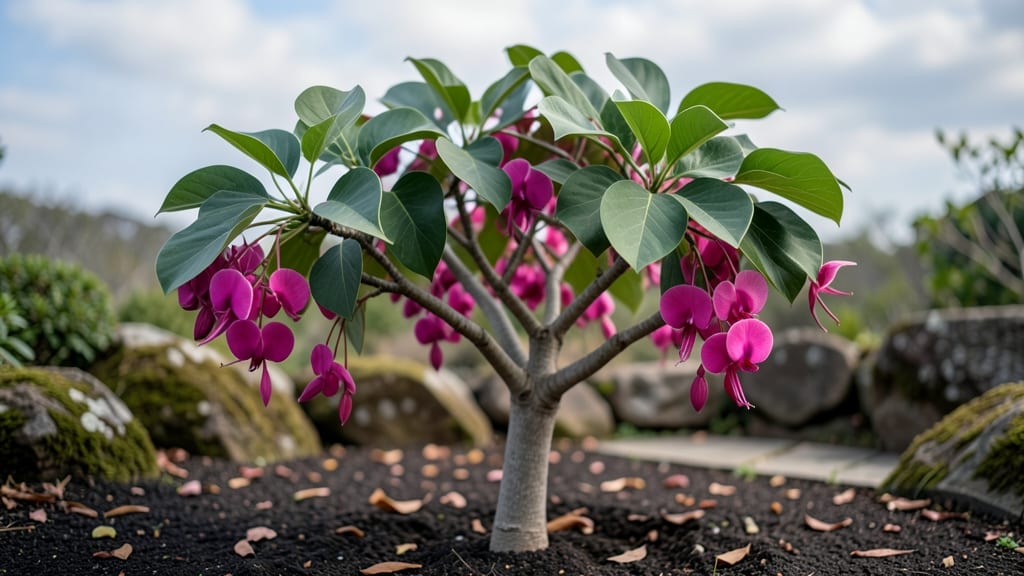
Growing orchid trees in Hawaii means bringing that sun-drenched tropical vibe to your garden—even when you're in the Pacific Northwest. 🌺 I've learned firsthand that these showstopping trees (like Bauhinia or Plumeria) thrive with the right balance of heat, humidity, and coastal resilience, whether you're near the beach or inland.
The key isn't just mimicking Hawaii's climate but adapting its natural growing conditions to your local microclimate.
You'll need well-draining soil with a mix of sand and organic matter—think 50% native soil, 30% sand, 20% compost—to prevent root rot, which is a common pitfall in our wetter zones.
These trees love full sun (6+ hours daily) but can handle light shade in afternoon heat, making them versatile for both coastal breezes and inland heat. Watering should mimic Hawaii's trade winds: deep but infrequent, letting the top inch dry between sessions.
What you end up with is a tree that bursts with fragrant blooms in spring and summer, its papery flowers swaying like they're right off a Hawaiian beach. The foliage stays lush and glossy, and with proper pruning after flowering, you encourage even more dramatic displays next season.
The best part? These trees are surprisingly low-maintenance once established.
For Pacific Northwest gardeners, focus on salt-tolerant varieties like Bauhinia variegata for coastal spots and Plumeria rubra for heat-loving inland gardens. The Hawaii Department of Agriculture's guidelines on tropical plant care are a great reference—just adapt their watering tips for our cooler, wetter climate.
With these adjustments, you'll have a piece of Hawaii thriving in your own backyard.
📚 In This Guide
- What you need
- Instructions
- Tips and common mistakes
- Wrapping up and next steps
What you need
- ● Orchid Tree (Bauhinia blakeana): 1 seedling or young tree (3–5 ft tall, available at specialty nurseries or online)
- ● OR 5–10 seeds (soaked in warm water for 24 hours before planting)
- ● Well-draining soil mix: 50% cactus/succulent mix
- ● 30% perlite or pumice (for aeration)
- ● 20% compost or coconut coir (for nutrients)
- ● Container or planting site: For containers: 1–2 large pots (12–18" diameter) with drainage holes
- ● For in-ground: A sunny, sheltered spot with 6+ hours of sunlight and protection from strong winds
- ● Fertilizer: Balanced 10-10-10 fertilizer (apply lightly every 4–6 weeks during growing season)
- ○ Optional: Slow-release orchid-specific fertilizer for seed-started trees
- ● Basic tools: Trowel or small shovel
- ● Garden gloves (to protect from thorns!)
- ● Watering can or hose with a gentle spray nozzle
- ● Pruning shears (for shaping and maintenance)
- ● Climate readiness: Hardiness zones 9–11 (Pacific Northwest growers: treat as a tender perennial—bring indoors or mulch heavily in winter)
- ● Minimum winter temps: 30°F (–1°C) (use frost cloth if needed)
- ○ Optional (but helpful!): Mulch (straw or bark chips to retain moisture)
- ● Humidity tray (for seed-started trees)
- ● Support stake (if planting in windy areas)
Step-by-Step instructions for cultivating orchid trees in Pacific Northwest climates
Here's how I've learned to coax these tropical stunners into thriving specimens—even when they'd rather be in Hawaii.
🌱 Step 1: Select the Right Variety and Prepare Your Plant
Bauhinia blakeana (the orchid tree) thrives in USDA Zones 10-12, but with proper care, you can push it into Zone 9b in the Pacific Northwest. Start with a 1-2 year old potted specimen from a reputable nursery—younger plants struggle with our cooler winters. Look for a plant with multiple sturdy branches and at least 3-4 sets of leaves—this ensures it has the energy reserves to handle transplant shock.
Before bringing it home, inspect the roots. Healthy roots should be white to light tan and firm to the touch. If you see blackened or mushy roots, soak the plant in a 1:10 hydrogen peroxide solution (1 part 3% hydrogen peroxide to 10 parts water) for 10 minutes to sterilize before repotting. This is critical—root rot will kill your orchid tree faster than cold snaps will.
☀️ Step 2: Position for Maximum Sunlight and Shelter
Orchid trees demand full sun exposure (6+ hours daily)—place yours in the sheltered southern or western side of your home or patio. A south-facing wall works best because it captures afternoon warmth while protecting from cold night winds. If your location gets strong afternoon sun, provide partial afternoon shade during summer to prevent leaf scorch—you'll notice leaves curling or turning yellow if it's too intense.
For winter protection, move the plant to a garage, sunroom, or covered porch where temperatures stay above 40°F. If you must leave it outside, wrap the pot in bubble wrap and cover the canopy with frost cloth once nighttime temps drop below 50°F. The goal is to mimic Hawaii's mild winters—no sudden temperature swings.
💧 Step 3: Master the Watering Balance for Year-Round Success
Overwatering is the #1 killer of orchid trees in cooler climates. Water only when the top 2 inches of soil feel completely dry—stick your finger in to check. During spring and summer, this typically means watering every 5-7 days, but adjust based on your microclimate. In winter, reduce watering to every 10-14 days unless your home has low humidity (below 40%), in which case you may need to water more frequently.
Use room-temperature water and water deeply until it drains freely from the bottom. Empty the saucer after 10 minutes to prevent root suffocation. I've found that morning watering prevents fungal issues—wet leaves sitting overnight invite problems. If you notice yellowing leaves with crisp edges, you're overwatering. If leaves curl inward and feel dry, it's time to water.
🪴 Step 4: Fertilize Strategically for Lush Growth
Feed your orchid tree with a balanced, water-soluble fertilizer (10-10-10 or 20-20-20) diluted to half-strength every 4 weeks during active growth (April-October). The key is consistency—never let it sit without nutrients for more than 6 weeks. In winter, switch to a low-nitrogen formula (5-10-10) every 8 weeks to encourage dormancy and prepare for spring.
Here's the trick I've learned: Flush the soil every 3 months with plain water to prevent salt buildup from fertilizers. You'll know it's time when you see white crusty deposits on the soil surface or when new growth stops suddenly. Always water thoroughly after fertilizing to wash excess nutrients away from the roots.
✂️ Step 5: Prune and Train for Strong Structure
Prune only after flowering to avoid removing next year's buds. Use clean, sharp pruners to cut back 1/3 of the oldest stems to encourage new growth. This is where most gardeners go wrong—they prune too late or too aggressively. Look for woody stems that have already bloomed; these are safe to trim. Newer growth should stay untouched until it flowers.
To shape the tree, pinch back the tips of new shoots when they reach 6-8 inches to encourage bushier growth. If your orchid tree starts to lean toward the light, gently twist the pot to adjust its position—don't force the branches. The goal is a balanced, open canopy that allows sunlight to reach all leaves. Mulch around the base with 2-3 inches of organic mulch to retain moisture and regulate soil temperature.
Tips & tricks for thriving orchid trees in Pacific Northwest climates
Real talk: Growing orchid trees in our cool, damp climate takes extra finesse. Here's what I've learned after watching mine survive (and sometimes nearly expire) through PNW winters.
Root Health Inspection: That 10-minute hydrogen peroxide soak in Step 1 isn't just about sterilization—it's your first line of defense against root rot. If you're unsure about root health, take a photo before soaking and compare it to after. Healthy roots should look like firm spaghetti, not soggy noodles. I've seen blackened roots turn white and firm after this treatment, giving the plant a second chance. Confession: I skipped this step for years and wondered why my trees kept struggling.
Sunlight Strategy: The 6+ hours of full sun in Step 2 is non-negotiable, but here's the secret: Use a sun calculator for your specific location to track sunlight hours. In Seattle, for example, winter sun is weak—supplement with a grow light for 4-6 hours daily if natural light drops below 4 hours. I place mine near a south-facing window with sheer curtains to diffuse harsh summer rays while still maximizing light penetration.
Winter Survival Hacks: That 40°F minimum in Step 2 is your target, but here's how to push it slightly: Place a thermometer in the pot's soil during winter. If it drops below 40°F, move the plant to a warmer spot immediately. I've had success keeping mine in an unheated garage with a space heater on low—just monitor closely to avoid temperature swings. The key is consistency: orchid trees hate sudden cold snaps more than they hate steady cold.
Pruning Precision: When cutting back those woody stems in Step 5, make your cuts at a 45-degree angle just above a leaf node—this encourages new growth. I use sterilized pruners (wiped with rubbing alcohol) and make clean cuts to prevent disease. After pruning, give your tree a light fertilizer application—this jumpstarts recovery. The first time I pruned incorrectly, my tree took months to bounce back. Don't make my mistake!
Pro Tips for Orchid Tree Hawaii
- Real talk: Growing orchid trees in our cool, damp climate takes extra finesse.
- Root Health Inspection: That 10-minute hydrogen peroxide soak in Step 1 isn't just about sterilization—it's your first line of defense against root rot.
- Sunlight Strategy: The 6+ hours of full sun in Step 2 is non-negotiable, but here's the secret: Use a sun calculator for your specific location to track sunlight hours.
Frequently asked questions
Can the orchid tree survive winters in Seattle or Portland?
The orchid tree (Bauhinia blakeana) is not cold-hardy—it thrives in USDA Zones 10-11. In PNW winters (Zones 7-9), grow it as a container plant and bring it indoors (or to a garage) when temps drop below 40°F (4°C). Use a well-draining mix and avoid drafts. Pro tip: Wrap the pot in bubble wrap for extra insulation!
How long does it take for an orchid tree to bloom?
Patience is key! With ideal care, your orchid tree may produce its signature pink, orchid-like flowers within 2–3 years of planting. Factors like sunlight (full sun!), balanced fertilizer (spring/summer), and pruning dead blooms speed up the process. Bonus: Mature trees (5+ years) can bloom year-round in Hawaii’s climate—but PNW growers should expect seasonal bursts, especially spring/summer.
Why are my orchid tree leaves yellowing or dropping?
Yellow leaves usually signal overwatering or poor drainage. Let the top 2–3 inches of soil dry out between waterings, and ensure your pot has drainage holes. Brown edges? Underwatering or low humidity (common in PNW winters). Mist leaves occasionally or place the pot on a pebble tray to boost moisture. Check for pests too—aphids or spider mites love stressed trees!
What are good alternatives if the orchid tree is too high-maintenance?
If you love the orchid tree’s dramatic blooms but want lower-maintenance options, try these PNW-friendly tropicals:
- Plumeria (Frangipani): Drought-tolerant, fragrant, and cold-sensitive (Zone 10). Grow in containers!
- Jacaranda: Purple blooms in spring, handles Zone 9 with protection.
- Bougainvillea: Thrives in containers, blooms year-round in warm climates.
- Hibiscus (Tropical): Hardy to Zone 8 with winter care, loves humidity.
For evergreen foliage, consider Ficus microcarpa (Ginseng Fig) or Schefflera—both tolerate PNW winters outdoors.
How much sunlight does an orchid tree need daily?
This tropical diva craves sunlight! Aim for 6–8 hours of direct sun daily for optimal blooming. In PNW’s shorter days, supplement with a grow light (12–14 hours) during winter. Watch out: Too little light = leggy growth and few flowers. A south-facing window or sunny patio is ideal when indoors.
When and how should I prune my orchid tree?
Prune after flowering to shape the tree and encourage bushiness. Use sterilized shears to trim back 1/3 of the stem just above a leaf node. Remove dead or crossing branches year-round. Pro tip: Pruning in late winter (before new growth) helps prep for spring blooms. Never prune in fall—it stresses the tree before winter dormancy.
Wrapping up and next steps
Growing an orchid tree (Bauhinia) in Hawaii—or even in the Pacific Northwest’s milder zones—is a rewarding journey that brings a splash of tropical beauty to your space. With the right soil, sunlight, and care, these stunning trees can thrive and flourish, adding elegance and vibrancy to your garden. 🌺
Ready to take the next step? Start by selecting a healthy sapling or young tree, and give it the love it deserves. Whether you’re a seasoned gardener or a beginner, your orchid tree will thank you with breathtaking blooms and lush foliage. Happy growing! 🌿