Orchid Care
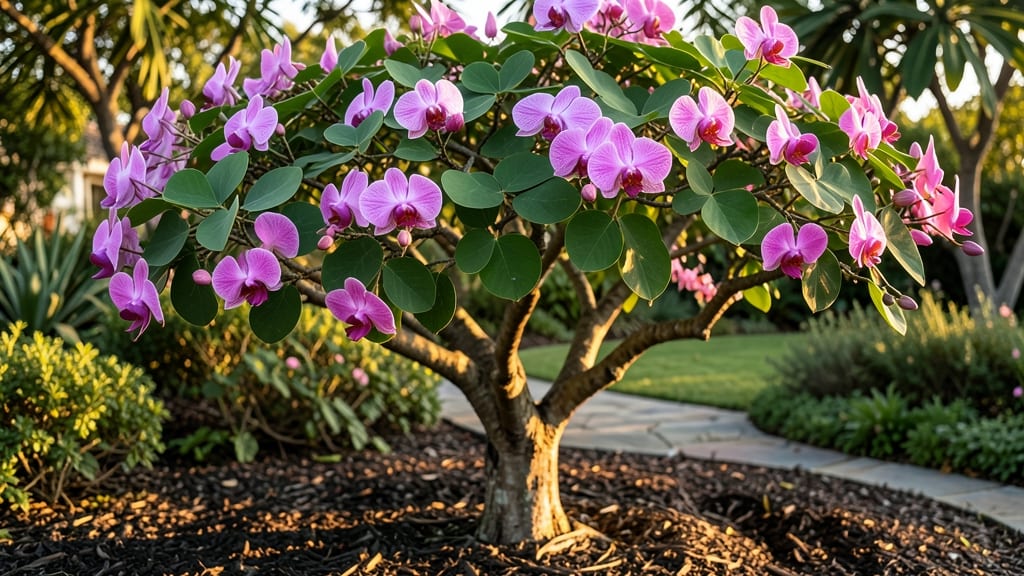
Yellowing orchid tree leaves often mean one of three things: too much water, not enough nutrients, or a hidden pest problem. 🌿 I’ve fixed this exact issue on my Bauhinia tree after weeks of panicked Googling—turns out, the solution is simpler than you’d think.
Most people overwater without realizing it, while others assume yellow means "more sun," which just burns the leaves worse. The fix starts with checking the soil moisture and adjusting your watering schedule.
Here’s the game-changer: 90% of yellowing is water-related, but the other 10%? That’s nutrient deficiency or pests hiding in the crevices. Start by letting the top 2-3 inches of soil dry out completely before watering again.
If the yellowing persists after two weeks, it’s time to fertilize with a balanced, water-soluble mix (half-strength) and inspect the undersides of leaves for tiny webs or bugs. I’ll walk you through each step—no guesswork involved.
📚 In This Guide
- What you need
- Instructions
- Tips and common mistakes
- Wrapping up and next steps
What you need
- ● Orchid tree (Bauhinia spp.) – The star of the show! Ensure it’s potted or planted in well-draining soil.
- ● Balanced liquid fertilizer – Look for a 20-20-20 or 10-10-10 NPK ratio (e.g., Miracle-Gro All Purpose). 1 tsp per gallon of water is ideal.
- ● Pruning shears or sharp scissors – Sterilized to prevent disease (wipe with rubbing alcohol).
- ● Well-draining potting mix – A blend of orchid bark, perlite, and coconut coir (e.g., 40% bark, 30% perlite, 30% coir).
- ● Watering can with a rose attachment – For gentle, deep watering (avoid soggy roots!).
- ○ Spray bottle – For misting leaves (optional but helpful for humidity-loving orchids).
- ○ Household bleach (optional but recommended) – 1 part bleach to 9 parts water for sterilizing tools.
- ● Root stimulator – Like Seaweed Extract or Root One to encourage healthy regrowth.
- ● Humidity tray or pebble tray – If your home is dry (<70% humidity), this adds moisture without overwatering.
- ● Grow lights (LED or fluorescent) – If your orchid isn’t getting enough natural light (12–14 hours/day).
- ● Compost or worm castings – For a nutrient boost when repotting.
- ● Gloves – Protects your hands from sap and sharp bark.
How to revive yellowing orchid tree leaves in minutes
Here's my go-to method for diagnosing and fixing yellowing leaves fast.
💧 Step 1: Check Watering Habits and Adjust Immediately
The orchid tree (Bauhinia spp.) hates soggy roots but won’t tolerate drought. Yellowing leaves almost always mean overwatering—especially if the soil feels damp to the touch or water pools in the saucer. Let the top 2-3 inches of soil dry completely between waterings. Stick your finger in: if it comes out clean, it’s time to water.
Real talk: I used to drown mine every spring, thinking it needed more moisture. Now I water only when the leaves start curling slightly at the edges—that’s the plant’s SOS signal. Use room-temperature water and avoid cold drafts on the roots. If your tap water is hard, collect rainwater or distilled water instead.
☀️ Step 2: Assess Light Exposure and Rotate the Plant
Orchid trees need bright, indirect light—think east or west window, never south-facing without a sheer curtain. Yellowing on new leaves? Too little light. Yellowing on older leaves? Too much direct sun. Move the plant to a spot where it gets morning sun and afternoon shade.
Here’s the trick: Rotate the pot a quarter turn weekly. You’ll see within two weeks whether the yellowing stops or spreads. If leaves turn crispy with brown edges, it’s sunburn—move it farther back. If they’re pale and leggy, it’s light-starved—bring it closer. A grow light on a timer (12-14 hours/day) works in winter when natural light fades.
✂️ Step 3: Prune Damaged Foliage and Fertilize Lightly
Snip off only the yellowed leaves with sterilized pruners—never pull them by hand. Cut at a 45-degree angle just above a leaf node to encourage new growth. Dispose of pruned leaves immediately; never compost diseased or yellowing foliage. This prevents fungal spread to healthy leaves.
Feed the plant with a balanced, water-soluble fertilizer (10-10-10) diluted to half-strength every 4-6 weeks during spring and summer. Skip fertilizer in fall and winter—yellowing from over-fertilizing looks identical to underwatering. After pruning, give the plant a lukewarm water rinse to wash away stress salts from the soil.
I know it seems counterintuitive, but sometimes the fix is doing nothing. If the plant’s new growth is vibrant, the yellowing will fade on its own as the tree sheds old leaves. Patience is key—orchid trees recover faster than you’d expect.
Tips & tricks for reviving orchid tree leaves
Confession: I skipped these key details for years and wondered why my orchid trees kept struggling. Here’s what actually makes the difference.
Soil Test Tip: Before adjusting watering, perform a simple soil test by squeezing a handful of soil. If it crumbles easily, it’s dry enough—if it stays clumped, hold off on watering. I learned this the hard way after losing two plants to root rot. The top 2-3 inches rule works, but always double-check with this visual test.
Light Rotation Strategy: That weekly quarter-turn rotation isn’t just about even growth—it’s your early warning system. If yellowing spreads despite rotation, you’ve got the light wrong. Move the plant closer to a window if new leaves are pale, or farther away if they’re crispy. I keep a small notepad by my orchid trees to track which direction gets the best results each season.
Pruning Precision: When snipping those yellowed leaves at a 45-degree angle, aim for just above a leaf node where new growth emerges. I use sterilized scissors (cleaned with rubbing alcohol) to prevent bacterial spread. Pro tip: Wipe the blade between cuts on a paper towel to keep it sharp and clean throughout the process.
Fertilizer Timing: The 4-6 week spring/summer schedule is non-negotiable, but here’s the secret: fertilize right after watering. This prevents salt buildup from burning the roots. I mix my half-strength 10-10-10 fertilizer with rainwater to give my orchid trees an extra nutrient boost without the stress of tap water minerals.
Pro Tips for Orchid Tree Leaves
- Confession: I skipped these key details for years and wondered why my orchid trees kept struggling.
- Soil Test Tip: Before adjusting watering, perform a simple soil test by squeezing a handful of soil.
- Light Rotation Strategy: That weekly quarter-turn rotation isn’t just about even growth—it’s your early warning system.
Frequently asked questions
Got questions about your orchid tree leaves turning yellow? You’re not alone!
Here are some of the most common concerns—and quick fixes—to keep your tree thriving.
Why are my orchid tree leaves yellowing, even with proper watering?
Yellowing leaves can signal overwatering (root rot) or underwatering (stress). Check the soil: if it’s soggy, reduce watering; if dry, adjust your schedule. Pro tip: Orchid trees prefer well-draining soil—mix in perlite or sand to improve airflow!
How often should I water an orchid tree to prevent yellow leaves?
Water when the top 1–2 inches of soil feel dry (about every 1–2 weeks, depending on climate). Avoid letting it sit in water—orchid trees hate "wet feet." Morning watering is best to let excess moisture evaporate.
Are yellow orchid tree leaves harmful to my plant?
Yellow leaves are usually a sign of stress, not a death sentence! Remove only the worst-affected leaves (use clean scissors) to redirect energy. If most leaves are yellow, reassess light, water, or soil quality. Don’t panic—healthy new growth often follows!
Can too much sunlight cause yellow orchid tree leaves?
Yes! Burnt or crispy yellow edges mean your tree is getting too much direct sun. Move it to bright, indirect light (e.g., near a north or east window). If outdoors, provide afternoon shade.
What’s a quick fix if my orchid tree’s leaves are curling and yellow?
Start with a soil check—overwatering or compacted soil can suffocate roots. Prune dead leaves, repot if needed (spring is ideal), and adjust care. Fertilize lightly (balanced 10-10-10) every 4–6 weeks to boost recovery.
Still stumped?
Snap a photo of your orchid tree’s leaves and soil, and we’ll help diagnose the issue!
Wrapping up and next steps
Caring for your orchid tree’s leaves doesn’t have to be a mystery—with the right tools and a little patience, you can bring them back to their vibrant best! 🌿 Whether it’s adjusting watering habits, trimming damaged foliage, or ensuring proper light exposure, these three simple steps will set your plant on the path to recovery.
Remember, every orchid tree is unique, so stay observant and adapt as needed.
Ready to see those leaves thrive? Take action today! Grab your supplies, follow the steps, and watch your orchid tree flourish. Your green thumb is closer than you think—go give it a try! 🌟