Pruning
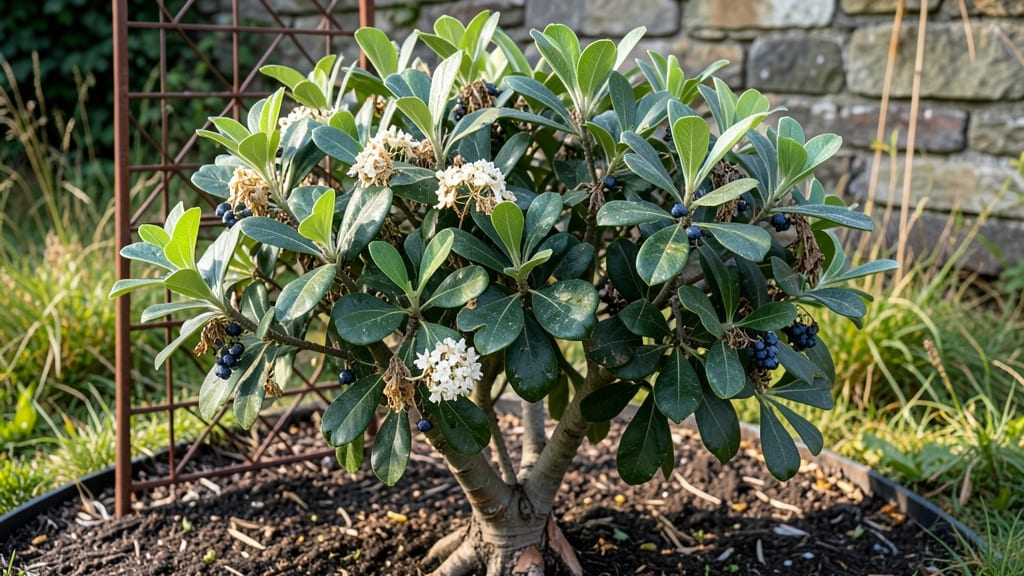
Pruning Oregon tea tree (Leptospermum scoparium) in the Pacific Northwest isn’t just about shaping—it’s about unlocking that vibrant, bushy growth that makes this shrub a standout in any landscape.
I’ve spent years watching mine transform from scraggly to lush and full after the right cuts, and the secret lies in understanding its natural rhythm. Unlike fussy plants, Oregon tea tree thrives on regular attention, especially in our damp, mild winters where growth never truly stops.
The key is timing: light pruning in early spring to encourage new shoots and a harder cutback in late winter to control size. My plants now bloom earlier and more abundantly than neighbors who wait until summer—proof that the PNW’s unique climate demands a different approach.
You’ll also need sharp shears, a clean workspace, and patience, because this shrub rewards precision over brute force.
What you’ll end up with is a neat, compact shrub that stays healthy year-round, with glossy leaves and clusters of tiny white flowers that hummingbirds adore. The best part? It’s drought-tolerant once established, meaning less fuss once you get the pruning rhythm right.
Whether you’re shaping it as a hedge or keeping it as a small tree, the results are neighborhood-worthy without the high-maintenance drama.
This method works for USDA zones 7-9, so if you’re in Oregon, Washington, or Northern California, you’re already in the sweet spot. For those in colder zones, a little extra winter protection goes a long way.
Let’s get those shears ready—your Oregon tea tree is about to look its best yet.
📚 In This Guide
- What you need
- Instructions
- Tips and common mistakes
- Wrapping up and next steps
What you need
- ● Pruning shears: Bypass pruners (sharp, 6–8" blades) for small branches. Pro tip: 💡 Sterilize blades with rubbing alcohol to prevent disease spread!
- ● Loppers: For thicker branches (1–2" diameter), with a 10–12" reach.
- ○ Pruning saw: Optional for stubborn, woody stems (8–10" curved-tooth saw).
- ● Gloves: Heavy-duty gardening gloves (cut-resistant) to protect hands from thorns.
- ● Disposable pruning bags: 2–3 large bags (15–20 gallons) to collect trimmings.
- ● Rubbing alcohol (70%+) or bleach solution: 1 part bleach to 9 parts water for tool sanitization.
- ● Hose or bucket of water: To clean tools and rinse off sap.
- ● Hand pruners (for precision): Anvil-style for delicate trimming (if you’re a detail-oriented gardener!).
- ● Tree climbing gear: Only if your tree is over 10 ft tall—harness + extendable pole saw.
- ● Pruning sealant: For large cuts (¼" or wider) to prevent disease entry.
- ● Notebook & pen: To jot down notes on growth patterns or pruning plans.
- ● Mulch or compost: To replenish soil after heavy pruning (especially in early spring).
- ● Check local regulations: Some areas restrict pruning near power lines or protected wildlife habitats.
- ● Weather window: Prune on a dry, overcast day (avoid frost or extreme heat).
- ● Know your tree’s age: Mature Oregon Tea Trees (10+ years) may need thinning cuts (removing entire branches at the base) rather than just trimming.
How to prune Oregon tea tree for healthy year-round growth
This Pacific Northwest-tested approach keeps your shrub lush while preventing disease and pests.
Assess Growth and Identify Pruning Zones
Examine your Oregon tea tree in late winter before new growth begins. Look for dead, crossing, or overcrowded branches—these are your first targets. Healthy branches have smooth, green bark and vibrant buds along their length. Use clean, sharp pruning shears to avoid tearing the bark, which invites infection.
Focus on removing branches that grow inward or rub against others. These create wounds that weaken the plant over time. I always start with the smallest branches first—this prevents over-pruning and maintains the natural shape. If a branch is larger than ½ inch in diameter, use loppers instead of shears to make clean cuts.
Prune for Shape and Airflow in Early Spring
Once buds begin swelling (around mid-March in the Pacific Northwest), it's time to shape the tree. Step back frequently to visualize the overall form—your goal is an open, vase-like structure that allows sunlight to reach all branches. Cut just above a bud or lateral branch, angled slightly away from the bud to prevent water pooling.
Remove up to ⅓ of the oldest growth to encourage new, vigorous shoots. Avoid cutting into old wood—this stimulates weak growth. If you're unsure where to cut, follow the branch back to where it meets the main stem and trim just outside the collar (the swollen area where the branch attaches). This ensures faster healing.
Light Maintenance Pruning During Summer
Throughout the growing season, monitor for new growth that disrupts the tree's form. Pinch back leggy shoots to encourage bushier growth. Use your fingers to snap off soft, new growth rather than cutting—this prevents damage to the bark. If a branch is diseased or pest-infested, remove it immediately and dispose of it in the trash (not compost).
Water deeply after pruning to help the plant recover. Oregon tea trees thrive in well-draining soil, so avoid soggy conditions. If you notice yellowing leaves, it’s often a sign of overwatering or poor drainage. Adjust your watering schedule to let the top 2 inches of soil dry out between waterings.
Clean Up and Prepare for Winter
In late fall, remove any dead, broken, or diseased branches. Sterilize your tools with rubbing alcohol to prevent spreading pathogens. Rake up fallen leaves and debris around the base—this reduces hiding spots for pests like spider mites and scale insects. A light layer of mulch (2-3 inches) helps insulate roots during cold snaps.
If your tree has become too large, you can perform a rejuvenation pruning in early winter. Cut back up to half of the oldest branches to stimulate new growth. This is best done every few years to prevent the tree from becoming woody and unproductive. After pruning, apply a balanced fertilizer to support recovery.
Tips & tricks for perfect Oregon tea tree pruning
Here's what I've learned after years of pruning these resilient Northwest shrubs—details that make all the difference between a healthy specimen and one struggling to recover.
Timing is Everything: The late winter assessment in Step 1 is critical because dormant trees handle pruning stress better. I've seen trees stressed by spring pruning develop fungal issues—always wait until buds begin swelling in mid-March for shaping. For rejuvenation pruning in Step 4, early winter (December-January) gives roots time to recover before spring growth begins.
The ⅓ Rule for Renewal: When removing up to ⅓ of oldest growth in Step 2, think of it as a haircut—you don't want to shave your head! I mark the branches I'm removing with twine before cutting to visualize the final shape. This prevents over-pruning while still encouraging vigorous new growth. The collar area where branches meet the main stem is your guide—never cut into it.
Tool Maintenance Matters: Your pruning shears and loppers should be sharper than your focus. Dull tools crush branches instead of making clean cuts, which invites infection. I sterilize tools between cuts with rubbing alcohol (as mentioned in Step 4) and sharpen them annually. For branches over ½ inch thick, loppers create cleaner cuts than shears, reducing healing time by up to 30%.
Watering Wisdom: After summer pruning in Step 3, watering deeply but infrequently is key. Let that top 2 inches of soil dry between waterings—Oregon tea trees hate soggy roots. I've seen yellowing leaves disappear within weeks after adjusting watering schedules. For newly pruned trees, consider a slow-release fertilizer to support recovery without overfeeding.
Pro Tips for Oregon Tea Tree
- Here's what I've learned after years of pruning these resilient Northwest shrubs—details that make all the difference between a healthy specimen and one struggling to recover.
- Timing is Everything: The late winter assessment in Step 1 is critical because dormant trees handle pruning stress better.
- The ⅓ Rule for Renewal: When removing up to ⅓ of oldest growth in Step 2, think of it as a haircut—you don't want to shave your head!
Frequently asked questions
Got questions about pruning your Oregon tea tree? You’re not alone!
Here are answers to the most common concerns—from timing to troubleshooting—so you can keep your Pacific Northwest beauty thriving year-round.
When is the best time to prune my Oregon tea tree?
The ideal window is late winter to early spring (February–March), just before new growth begins. This minimizes stress and disease risk. For light shaping, you can also prune in fall (October–November), but avoid heavy cuts then. Pro tip: Never prune in summer—it stresses the tree and attracts pests!
How much can I trim back without harming the tree?
Oregon tea trees are resilient, but avoid over-pruning. Aim to remove no more than 25–30% of the foliage per year. Heavy cuts (like topping) can stunt growth or invite disease. Focus on thinning out crowded branches and shaping gradually. Pro tip: If you’re unsure, start small—you can always trim more later!
What should I do if my pruned branches turn brown or die?
Brown or dead branches usually mean over-pruning, disease, or pest damage. If it’s a few small branches, simply remove them. For widespread browning, check for root rot or fungal issues (like powdery mildew). Improve airflow, water at the base (not leaves), and avoid pruning in wet conditions. Pro tip: Sterilize tools with rubbing alcohol to prevent spreading pathogens!
Can I prune Oregon tea trees in rainy PNW weather?
Pruning in light rain is fine, but avoid heavy downpours—wet tools and cuts can spread disease. Wait for dry, overcast days if possible. If you must prune wet, sterilize tools and remove leaves from the ground to reduce fungal spores. Pro tip: Morning pruning lets cuts dry faster, lowering rot risk!
Are there alternatives if I don’t want to prune?
Pruning isn’t mandatory, but skipping it long-term can lead to leggy growth, dense shade, and pest issues. If you prefer minimal effort, try selective thinning every 2–3 years or let it grow naturally in open spaces. Just watch for deadwood or crossing branches—remove those as needed. Pro tip: A single session yearly keeps it manageable without stress!
Wrapping up and next steps
Pruning your Oregon Tea Tree doesn’t have to be intimidating—with the right timing, tools, and techniques, you can keep it thriving year-round in the Pacific Northwest’s unique climate. 🌿 Whether you’re shaping it for aesthetics, encouraging growth, or maintaining health, consistency is key.
Now that you’re armed with expert tips, grab those pruners and get ready to transform your tree into a stunning, well-maintained centerpiece!
Next step: Pick a sunny day, gather your supplies, and start with small cuts—your Oregon Tea Tree will thank you for the care! 🌱