
Pruning
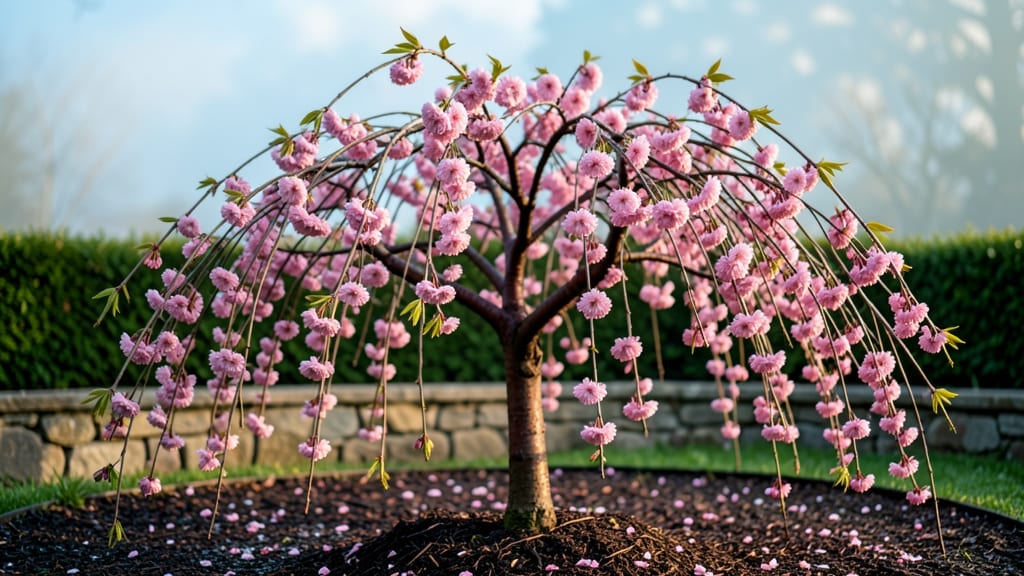
Weeping ornamental cherry trees create living sculptures that steal every show in the garden. 🌿 Their elegant, cascading branches transform any space into a serene retreat, whether you're designing a small courtyard or framing a grand entrance.
The secret lies in their natural arch shape—when trained properly, they become the centerpiece that draws eyes upward and softens harsh lines in the landscape.
These trees thrive with just six hours of sunlight daily and adapt to most well-draining soils, making them surprisingly versatile for different climates. Pair them with low-growing perennials like hostas or ferns to highlight their graceful form, or let them stand alone as a dramatic statement piece.
In spring, their delicate blossoms create a cloud of pink, while autumn brings fiery foliage that lasts well into winter.
You'll love how they anchor garden rooms while adding movement—even on still days, the branches sway gently in the breeze. For small spaces, choose dwarf varieties that top out at 10-15 feet; for grander designs, the full-sized trees reach 20 feet with proper pruning.
The key is planting them where their natural shape can unfold without obstruction, creating that magical "under-the-tree" experience.
Seasonal interest is their greatest asset: spring flowers, summer shade, autumn color, and winter structure all wrapped into one plant. Whether you're framing a patio, softening a fence line, or creating a romantic arbor effect, these trees deliver year-round drama with minimal effort.
Let's explore how to make yours the star of your landscape.
📚 In This Guide
- What you need
- Instructions
- Tips and common mistakes
- Wrapping up and next steps
What you need
- ● Weeping cherry tree sapling (choose a Prunus subhirtella or Prunus serrulata cultivar, 3–5 years old for best results).
- ● High-quality potting soil (or native soil amended with compost—aim for 60% organic matter for optimal drainage).
- ● Organic mulch (wood chips or shredded bark, 2–3 inches deep to retain moisture and suppress weeds).
- ● Slow-release fertilizer (balanced 10-10-10 or acid-loving plant fertilizer like 8-3-9).
- ● Pruning tools: Bypass pruners (sharp, bypass-style for clean cuts).
- ● Loppers (for thicker branches, 20–24 inches).
- ● Hand saw (for stubborn branches, 14–18 inches).
- ● Disinfectant (70% isopropyl alcohol or pruning sealant to prevent disease).
- ● Support stakes (2–3 5-foot wooden or bamboo stakes + soft tree ties for young trees).
- ● Tree guard or wire mesh (to protect from deer or pets).
- ● Slow-release watering system (drip irrigation or soaker hoses for deep root hydration).
- ● Epsom salt (1 tbsp/month in water for magnesium boost during growing season).
- ● Reflective mulch (dark brown or black to warm roots in early spring).
- ● Garden gloves (nitrile-coated for grip and protection).
How to design a stunning weeping ornamental cherry tree arch
This elegant structure transforms any space into a living work of art.
🪴 Step 1: Choose Your Planting Site and Prepare the Base Structure
Pick a location with full sun exposure (6+ hours daily) and space for the arch to grow—weeping cherries need 15-20 feet of horizontal clearance when mature. I always check soil drainage first; these trees hate soggy roots. Dig a hole twice as wide as the root ball but only as deep—planting too deep suffocates the trunk.
Construct your arch frame using 4-foot sections of galvanized steel pipe (2-inch diameter), bending them into a graceful curve. Secure the base with concrete footings at each end. The arch should be 8-10 feet wide at the base and 6-8 feet tall at the center. Here's the thing—don't rush this step. A crooked arch will make the tree grow unevenly, and you'll spend years correcting it.
🌱 Step 2: Plant the Trees Along the Arch Frame
Space your 4 weeping cherry trees (1 per footing) evenly along the arch base, about 12-18 inches apart. The trees will grow toward each other naturally, creating that dreamy canopy. Dig holes just deep enough so the top of the root ball sits 2 inches above ground level—this prevents water pooling around the trunk.
Remove each tree from its container and gently loosen the roots if they're circling. Place the tree in the hole, backfill with native soil, and water deeply to settle everything. I like to add 2 cups of slow-release fertilizer around each base—this gives them a strong start before they begin their dramatic growth toward each other. Watch for the first signs of new leaves; that's when you know they're happy and ready to take off.
☀️ Step 3: Train and Support the Branches as They Grow
As the trees grow, their branches will naturally weave together. Gently guide them along the arch frame using soft tree ties or flexible wire. Don't force anything—let them grow toward each other organically. The goal is a seamless, flowing canopy that looks like it's been there forever. I check the ties every 2-3 months and loosen them as the branches thicken.
Real talk: You'll need to prune occasionally to maintain the arch shape. In late winter or early spring, remove any branches growing outward or downward. Cut just above a bud that faces the center of the arch. This keeps the structure clean and encourages more upward growth. You'll see the difference within a season—thicker, fuller branches filling in beautifully.
✂️ Step 4: Maintain Year-Round Beauty and Health
Water deeply once a week during the first growing season, then taper to every 2 weeks once established. Weeping cherries are drought-tolerant once mature, but young trees need consistent moisture. I always water at the base, not overhead—this prevents fungal diseases that can ruin the delicate foliage.
Fertilize lightly in early spring with ½ cup of balanced 10-10-10 fertilizer per tree. Too much nitrogen makes the leaves grow fast but weak, and you'll end up with a floppy, sad arch. Mulch around the base with 2 inches of organic mulch to retain moisture and regulate soil temperature. Watch for pests like aphids or spider mites—spray with neem oil if you see any, but usually, these trees stay healthy with minimal intervention.
Tips & tricks for perfect weeping ornamental cherry tree arches
Here's what nobody tells you—these small details make all the difference between a charming arch and a frustrating garden project.
The Foundation Factor: Before you even think about planting, test your soil drainage. Fill a hole with water and time how long it takes to drain—if it takes more than 6 hours, amend with sand or gravel. Poor drainage is the #1 reason weeping cherry arches fail. I've seen beautiful arches turn into sad, soggy messes because the roots couldn't breathe.
Tree Spacing Secret: That 12-18 inch spacing between your 4 trees might seem tight, but it's perfect for encouraging that dramatic weeping effect. The closer they are, the faster they'll intertwine naturally. Pro tip: Plant them slightly closer (12 inches) if you want a denser, quicker canopy—just be ready for more pruning as they mature.
Pruning Precision: When you're pruning in late winter, look for those little buds facing the center of the arch. Cutting just above them ensures new growth will point where you want it. I always make my cuts at a 45-degree angle about ¼ inch above the bud—this prevents water from pooling on the cut and causing rot. The first year, you might not see much pruning needed, but be patient—those early cuts pay off in years 3-5.
Watering Wisdom: That first growing season watering schedule is non-negotiable. I've seen people skip the weekly watering and wonder why their trees look stressed. Use a rain gauge or tuna can to measure—you need about 1 inch of water per week. Watering at the base (not overhead) prevents those pesky fungal issues that can turn your beautiful foliage brown and crispy.
Pro Tips for Ornamental Cherry Tree Weeping
- Here's what nobody tells you—these small details make all the difference between a charming arch and a frustrating garden project.
- The Foundation Factor: Before you even think about planting, test your soil drainage.
- Tree Spacing Secret: That 12-18 inch spacing between your 4 trees might seem tight, but it's perfect for encouraging that dramatic weeping effect.
Frequently asked questions
Got questions about cultivating or caring for your ornamental weeping cherry tree? You’re not alone! Here are some of the most common queries—plus expert answers to keep your tree thriving.
How do I prune a weeping cherry tree to maintain its shape?
Prune in late winter or early spring (before buds swell) to encourage new growth. Focus on removing dead, crossing, or overcrowded branches while preserving the graceful arch. Use clean, sharp tools and avoid heavy pruning—weeping cherries respond best to light, strategic cuts.
How long does it take for a weeping cherry tree to mature?
Patience is key! Most weeping cherries grow 12–24 inches per year and reach their full, dramatic form in 10–15 years. Early pruning (like pinching back young branches) can speed up the weeping effect by encouraging a bushier, cascading habit.
When do weeping cherry trees bloom, and how can I extend the display?
Blooms typically appear in early spring, but timing varies by variety (e.g., ‘Kanzan’ vs. ‘Shidare Yoshino’). For a longer show, plant multiple varieties with staggered bloom times. Deadheading spent flowers can redirect energy to foliage, keeping the tree lush year-round.
What pests or diseases should I watch for in a weeping cherry?
Common issues include aphids, borers, and fungal diseases like powdery mildew. Monitor for yellowing leaves, holes in bark, or black spots. Treat aphids with a hose spray and borers with neem oil or pruning out infested branches. Ensure good airflow to prevent mildew.
Can I grow a weeping cherry tree in a container or small yard?
Yes! Dwarf varieties like ‘Crane’ or ‘Snow Fountain’ thrive in 15–20 gallon containers with well-draining soil. Place in full sun and water consistently. For small yards, choose spreading rootstock or espalier training to save space while keeping the weeping drama.
Wrapping up and next steps
Transforming your space with a weeping ornamental cherry tree is a rewarding project that blends artistry with horticulture! 🌸 Whether you’re drawn to their elegant arches or vibrant blooms, these trees bring timeless beauty to any garden.
With the right tools, techniques, and patience, you can cultivate a stunning centerpiece that evolves with the seasons.
Ready to take the next step? Start small—sketch your design, gather your materials, and begin pruning with confidence. Watch as your weeping cherry tree unfolds into a breathtaking masterpiece, offering year-round drama and joy. Happy pruning! ✂️🌿