Pruning
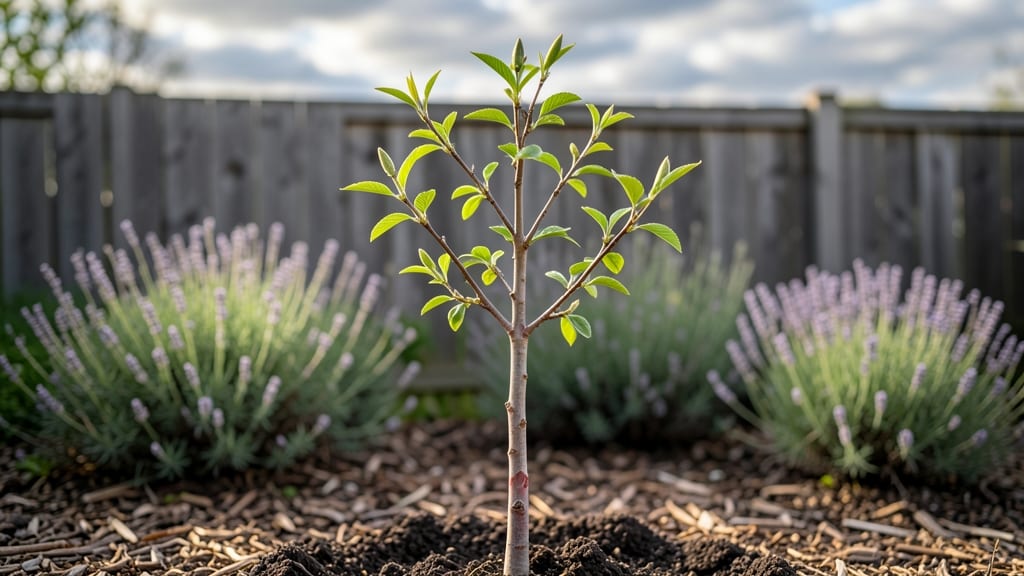
Planting an almond tree sapling in the Pacific Northwest means you're betting on a future of fragrant spring blooms and crunchy harvests—if you nail the winter prep. 🌱 I learned the hard way that skipping this step leaves young trees vulnerable to frost damage and weak growth.
The key is understanding how our cooler, wetter winters demand different pruning than California's dry climate.
Start with the right tools: sharp bypass pruners, rubbing alcohol for sterilization, and a 3-foot ladder to reach higher branches. Your goal is to shape the tree into an open-center form, letting sunlight and air circulate through the center.
This isn't about cutting back hard—it's about strategic cuts that encourage strong branch development before spring arrives.
What you'll end up with is a sturdy, disease-resistant tree that survives our winters and bursts into bloom come spring. The branches will develop a natural vase shape, letting sunlight reach all the way to the center where new growth emerges.
Plus, you'll avoid the common mistake of over-pruning, which stresses young trees and invites pests.
This method works for both non-bearing and bearing varieties, though non-bearing types like 'Texas' or 'Fountain' handle our climate better. The same principles apply whether you're working with a 1-year-old sapling or a 3-year-old tree. Let's get those branches shaped for success!
📚 In This Guide
- What you need
- Instructions
- Tips and common mistakes
- Wrapping up and next steps
What you need
- ● Almond tree sapling (1–3 years old, ideally 4–6 feet tall for manageable pruning)
- ● Pruning shears (bypass-type, sharp, and sterilized to prevent disease 🦠)
- ● Loppers (for thicker branches, 1.5–2.5 inches in diameter)
- ● Hand saw (for stubborn branches, with a fine-toothed blade)
- ● Disinfectant (70% isopropyl alcohol or bleach solution for tools)
- ○ Pruning sealant (optional but helpful for larger cuts to prevent sap loss)
- ● Garden gloves (thick, cut-resistant for safety)
- ● Heavy-duty trash bags (for collecting pruned branches)
- ● Marking twine or flags (to label branches for future reference)
- ● Extension pole saw (for taller saplings or hard-to-reach branches)
- ● Pruning paint (to seal cuts on older wood)
- ● Notebook or app (to sketch your pruning plan before starting)
- ● Mulch (2–3 inches of wood chips or straw to protect roots post-pruning)
- ● Tree tie or zip ties (if you need to support weak branches temporarily)
Step-by-step Pacific Northwest almond tree pruning for winter resilience
Winterizing your almond sapling isn’t just about trimming—it’s about setting up next year’s harvest.
✂️ Step 1: Assess and Remove Damaged Wood First
Start by examining your sapling for any branches with dead, cracked, or diseased wood. These are easy to spot—they’ll be brittle, discolored, or oozing sap. Use sharp, sterilized pruners to make clean cuts just outside the branch collar, where the branch meets the trunk. This prevents unsightly stubs that invite pests.
I always work with the sun at my back so I can see the branch structure clearly. If a branch is larger than ½ inch in diameter, make the cut at a slight angle to help water run off. For smaller branches, a straight cut is fine. Remove any crossing branches too—they’ll compete for energy and create weak crotches.
🌿 Step 2: Thin the Canopy for Air Circulation
Almond trees need good airflow to prevent fungal diseases like peach leaf curl, which thrives in the damp Pacific Northwest winters. Step back and look for branches that are growing inward or rubbing against others. These should go first—they’re the ones blocking light and air.
I aim to keep the center of the tree open, like an umbrella with space between ribs. Remove about 20-25% of the total foliage in this step. If your sapling is still young (under 3 years old), you can be more aggressive with thinning. For older trees, be more selective to avoid stressing the plant.
☀️ Step 3: Shape for Light Penetration and Winter Exposure
Pacific Northwest winters can be wet and gray, so your goal is to maximize light exposure to the inner branches. Focus on raising the lower branches to create a natural vase shape. Remove any branches growing below the 3-foot mark unless they’re part of a scaffold branch you’re intentionally developing.
For each branch you keep, look for the strongest upward-growing shoot and encourage it by removing competing vertical branches. This creates a strong framework that won’t break under winter ice or snow. I like to step back every few cuts to visualize the tree’s silhouette—it should look balanced from all sides.
⏰ Step 4: Final Winter Pruning and Protection
Wait until late winter—just before bud break—to do your final light pruning. At this stage, focus on removing any water sprouts (fast-growing vertical shoots) and any branches that are growing too close together. These cuts stimulate new growth that will harden off before summer heat arrives.
After pruning, apply a thin layer of mulch around the base (but not touching the trunk) to protect roots from freezing temperatures. I also wrap the trunk of young saplings with tree guard to prevent rodent damage. This is especially important in the PNW, where deer and voles love tender young bark.
Tips & tricks for Pacific Northwest almond tree pruning
Here's what nobody tells you about pruning your almond sapling—details that make all the difference between a healthy tree and one struggling to survive our damp winters.
Pruning Tool Precision: Sterilize your pruners between cuts with rubbing alcohol to prevent spreading disease between branches. I learned this the hard way after losing a branch to bacterial canker. For branches larger than ½ inch, use a sharp bypass pruner—dull tools crush wood, which invites infection. A clean cut heals faster and looks professional.
Canopy Thinning Strategy: When removing 20-25% of foliage in Step 2, prioritize branches that are growing toward the center. These create dense shade where moisture lingers—perfect conditions for fungal diseases like peach leaf curl. Think of it like creating an open lattice that lets sunlight and air circulate freely through the tree's structure.
Branch Angle Awareness: In Step 3, pay attention to branch angles when shaping your tree. Branches growing at a 45-60 degree angle from the trunk are strongest. If you find branches growing straight up or down, cut them back to a lateral branch that forms this ideal angle. This structural integrity prevents winter storm damage when ice accumulates.
Late Winter Timing: The "just before bud break" window in Step 4 is critical—it gives new growth time to harden off before summer heat arrives. In the PNW, this typically means pruning between late February and early March. Watch for swollen buds as your cue to finish pruning before they open.
Pro Tips for Almond Tree Sapling
- Here's what nobody tells you about pruning your almond sapling—details that make all the difference between a healthy tree and one struggling to survive our damp winters.
- Pruning Tool Precision: Sterilize your pruners between cuts with rubbing alcohol to prevent spreading disease between branches.
- Canopy Thinning Strategy: When removing 20-25% of foliage in Step 2, prioritize branches that are growing toward the center.
Frequently asked questions
Got questions about nurturing your almond tree sapling in the Pacific Northwest? You’re not alone! Here are answers to the most common concerns—from timing to troubleshooting—to help your young tree thrive for winter hardiness and spring blooms.
When is the best time to prune my almond tree sapling for winter hardiness?
Prune your almond tree sapling late winter to early spring (February–March in the PNW), before buds swell. This timing minimizes stress, promotes strong growth, and prevents disease. Avoid pruning in fall—it can expose fresh cuts to winter cold and pests. Aim for 10–15% of the tree’s canopy to avoid over-pruning.
How do I protect my young almond tree sapling from harsh PNW winters?
Almond trees are moderately cold-hardy (USDA Zones 6–9), but saplings benefit from extra care.
- Mulch heavily (3–4 inches) with wood chips or straw to insulate roots.
- Wrap the trunk with tree guard or burlap to prevent sunscald.
- Avoid pruning in late fall—wait until dormancy breaks in spring.
- Water deeply before the ground freezes to hydrate roots.
Can I grow an almond tree sapling from a store-bought nut, or should I buy a grafted one?
Store-bought almonds won’t grow true trees—they’re hybridized for flavor, not propagation. For reliable results, buy a grafted sapling from a nursery. Grafting ensures the tree produces nuts (vs. wild shoots) and resists disease. Look for ‘Nonpareil’ or ‘Butte’ varieties, which thrive in the PNW’s mild winters.
Why are my almond tree sapling’s leaves yellowing or dropping?
Yellow leaves often signal overwatering, nutrient deficiency, or pests. Check these fixes:
- Watering: Almond trees hate soggy roots. Water deeply 1–2x/week (less in winter).
- Nutrients: Test soil for zinc or boron (critical for almonds). Amend with compost or a balanced fertilizer (10-10-10) in early spring.
- Pests: Inspect for aphids or spider mites. Spray with neem oil if needed.
How fast will my almond tree sapling grow, and when can I expect blooms?
Saplings grow 12–24 inches/year in ideal conditions (full sun, well-drained soil). Blooms typically appear in 3–5 years, but heavy pruning or poor soil can delay this. Cross-pollination is key: Plant a second variety nearby (e.g., ‘Nonpareil’ + ‘Butte’) for nut production. Be patient—almond trees mature slowly but reward you with decades of harvests!
Wrapping up and next steps
Growing a hardy almond tree sapling in the Pacific Northwest is entirely within your reach—with the right pruning techniques, you’ll set the stage for stunning spring blooms and winter resilience.
Remember, patience and precision are key: focus on open-center shaping, disease prevention, and seasonal timing to nurture a thriving tree. 🌱
Ready to take the next step? Mark your calendar for early spring—when those delicate buds begin to swell—and give your sapling the care it deserves. With each strategic cut, you’re not just pruning branches; you’re crafting a future harvest of sweet, golden almonds!