
Pruning
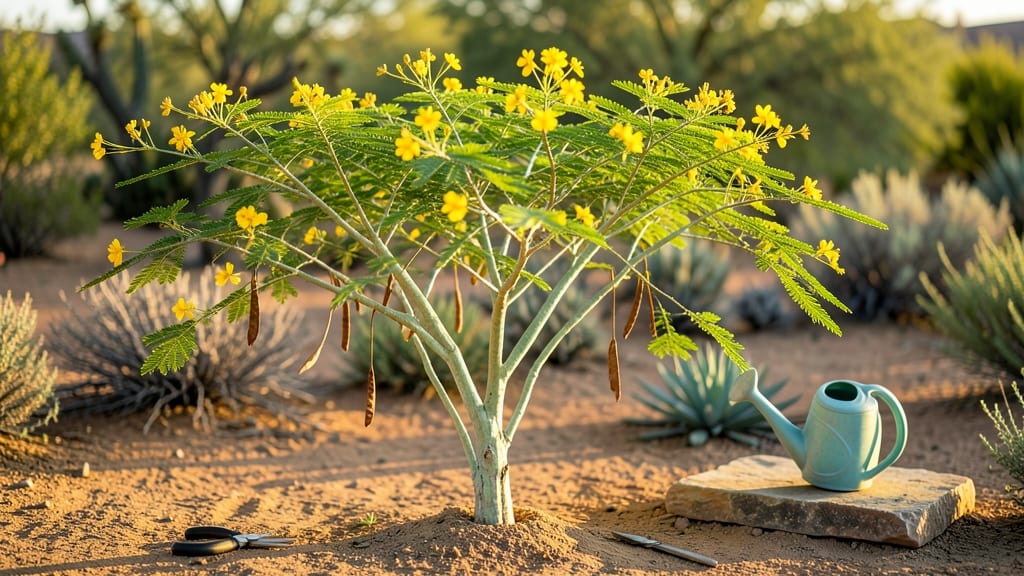
Pruning your Palo Verde Desert Museum tree in the Pacific Northwest isn’t just about shaping—it’s about survival. This desert native thrives where others freeze, but it needs your help to handle our wet winters and cool summers.
The key? Timing cuts to protect its frost-sensitive roots while encouraging that iconic, sun-loving growth. I’ve learned the hard way that pruning too early or too late can leave it vulnerable to rot or weak branches.
The tree’s natural resilience comes from its ability to shed leaves in drought, but our Pacific Northwest climate adds a twist. You’ll want to prune after the last frost—typically mid-April or May—when new growth signals the tree’s ready for a trim.
Use sharp shears to make clean cuts just above a leaf node, and avoid heavy pruning in fall, which can stress the tree before winter. The goal is to open the canopy for airflow, reducing humidity-related diseases that plague our region.
What you’ll end up with is a tree that looks like it belongs in the Sonoran Desert, not your backyard—velvety green bark, bright yellow blooms in spring, and a sturdy structure that handles our unpredictable weather. The best part?
It uses half the water of most trees, making it a standout for drought-tolerant landscapes. Just be patient; it takes a few years for the tree to fully adapt to our climate, but once it does, it’s nearly indestructible.
For those chilly Pacific Northwest winters, mulch heavily around the base to insulate roots, and avoid pruning until the threat of frost has passed. If you’re in a colder microclimate, consider a windbreak to shield young trees.
The tree’s adaptability is its superpower—with the right care, it’ll reward you with decades of low-maintenance beauty and that signature desert charm.
📚 In This Guide
- What you need
- Instructions
- Tips and common mistakes
- Wrapping up and next steps
What you need
- ● Pruning shears: Bypass shears (for clean cuts on small branches, ¼”–½” thick)
- ● Loppers: 1 pair (for branches ½”–1½” thick)
- ● Pruning saw: 1 (for thicker branches 1½”+ thick)
- ● Rubbing alcohol (70%+) or bleach solution: 1 small bottle (for sterilizing tools)
- ● Garden gloves: 1 pair (cut-resistant, nitrile or leather)
- ● Disposable pruning bags or bucket: 1 (for collecting debris)
- ○ Tree wound dressing (optional): 1 tube (e.g., Tanglefoot Tree Seal)
- ● Timing: Prune in late winter or early spring (before new growth starts)
- ● Weather: Choose a dry, frost-free day (Pacific Northwest mornings can be chilly!)
- ● Safety gear: Safety glasses (if sawing large branches)
- ○ Extension pole: 1 (optional, for high branches 6’+)
Step-by-step pruning guide for Pacific Northwest Palo Verde trees
Here’s how to shape your desert museum tree for resilience against Pacific Northwest frosts—without sacrificing its iconic beauty.
Time Your Pruning for Frost Protection
Prune your Palo Verde late winter to early spring, just as new growth begins but before hard frosts return. In the Pacific Northwest, aim for February through March when temperatures consistently stay above 32°F. Pruning too early risks exposing fresh cuts to winter cold, while waiting too long delays the tree’s ability to harden off for frost.
Watch for bud swell—tiny green bumps forming at the branch tips—as your cue. This signals the tree’s readiness to heal quickly after cuts. If you prune during dormancy, wounds take longer to seal, making the tree vulnerable to disease or frost damage. A sharp pair of bypass pruners (not shears) ensures clean cuts that heal faster.
Remove Dead or Damaged Wood First
Start by identifying and removing dead, diseased, or broken branches—these are the weak points that can’t withstand frost stress. Look for brittle wood that snaps easily or branches with peeling bark or blackened areas. In Palo Verde trees, dead wood often appears grayish-brown rather than the tree’s usual greenish-gray.
Cut back to the main trunk or a healthy lateral branch, making the cut just outside the branch collar (the swollen area where the branch meets the trunk). Avoid leaving stubs—these invite rot and pests. If a branch is larger than 2 inches in diameter, use a pruning saw for a clean cut. This step reduces the tree’s overall stress load, helping it focus energy on frost-resistant growth.
Thin the Canopy for Airflow and Light
Palo Verde trees thrive with open, airy canopies—this prevents moisture buildup in dense foliage, which can freeze and damage branches during cold snaps. Focus on removing crossing branches (where two limbs rub together) and suckers (sprouts growing from the trunk or roots). These compete for nutrients and weaken the tree’s frost resilience.
For thicker branches, use the third-cut method: First, make an undercut about 6 inches out from the trunk, then a top cut just beyond it, and finally remove the branch by cutting flush with the trunk. This prevents tearing. Step back after each cut—you’ll see how the canopy opens up, allowing sunlight to reach inner branches and preventing frost pockets where cold air gets trapped.
Shape for Structural Strength
Palo Verde trees naturally grow with a multi-trunk or vase-like shape, but Pacific Northwest winds and frosts can distort this. Prune to maintain a balanced silhouette by removing weak, leaning branches that drag the tree’s center of gravity. Aim to keep the strongest, most upright branches—these handle frost and wind better.
If your tree has overly long branches, shorten them by cutting back to a lateral bud facing the direction you want growth to continue. Avoid heading cuts (cutting back to a stub)—this encourages weak, frost-sensitive regrowth. After pruning, water deeply to help the tree recover, especially if the soil feels dry to the touch.
Post-Pruning Care for Frost Readiness
Apply a thin layer of mulch (2–3 inches) around the base of the tree, keeping it 6 inches away from the trunk to prevent rot. This insulates roots from soil temperature fluctuations, which can stress the tree during frost. In the Pacific Northwest, where frosts can be sudden, avoid heavy mulch—it can hold too much moisture and harm roots in wet winters.
Finally, monitor the tree’s response over the next month. Healthy new growth should appear within 4–6 weeks, indicating the tree is recovering well. If you see yellowing leaves or stunted growth, the pruning was too aggressive—scale back next time. With proper pruning, your Palo Verde will develop a stronger, frost-hardier structure year after year.
Tips & tricks for perfect Palo Verde pruning
These simple strategies will help your desert museum tree thrive through Pacific Northwest winters.
Timing Secret: The February through March window is critical because Palo Verde trees need time to heal before the next frost hits. I’ve seen trees pruned too early develop frost cracks—wait for those tiny green buds to appear at the branch tips. That’s your signal the tree is ready to handle cuts without stress. If you’re unsure about your local frost dates, check with your local extension office for precise timing.
Branch Identification: Dead wood can be tricky to spot on Palo Verde trees since their bark is naturally grayish-brown. Run your fingers along the branch—healthy wood feels firm, while dead wood crumbles or snaps easily. Another test: scrape a small area with your fingernail. Healthy bark has a slight greenish tint underneath, while dead wood reveals dry, brown layers. This step is especially important in Step 2 where we remove weak branches that can’t handle frost stress.
Pruning Tool Strategy: Don’t use regular garden shears—they crush the branch instead of making clean cuts. Bypass pruners create smooth cuts that heal faster, which is crucial for frost resilience. For branches larger than 2 inches, a pruning saw gives you the leverage needed without tearing the bark. I keep a small toolkit with both in my gardening bag so I’m always prepared for any size branch.
Post-Pruning Recovery: After shaping your tree, give it a deep watering to help it recover, especially if your soil feels dry. The 4-6 week recovery period mentioned in Step 5 is when the tree builds new growth that will be more frost-resistant. I’ve noticed that trees pruned in late February tend to show new growth by mid-April, just in time for the spring growing season in the Pacific Northwest.
Pro Tips for Palo Verde Desert Museum Tree
- These simple strategies will help your desert museum tree thrive through Pacific Northwest winters.
- Timing Secret: The February through March window is critical because Palo Verde trees need time to heal before the next frost hits.
- Branch Identification: Dead wood can be tricky to spot on Palo Verde trees since their bark is naturally grayish-brown.
Frequently asked questions
Got questions about pruning your Palo Verde Desert Museum Tree in the Pacific Northwest? You’re not alone! Here are answers to the most common concerns—from timing to troubleshooting—so you can keep your tree thriving even in chilly climates.
When is the best time to prune a Palo Verde Desert Museum Tree in the PNW?
Prune in late winter or early spring (February–March) to avoid frost damage. This timing encourages new growth before summer heat arrives. Never prune in fall or winter—cold snaps can stress the tree. If you must prune later, wait until after the last frost date for your area.
How do I protect my Palo Verde from frost if I prune too late?
If pruning is unavoidable after frost risk, cover cuts with tree wound dressing (like pruning sealant) and avoid heavy pruning. Water the tree deeply before frost to reduce stress. For extreme cold (<20°F), wrap young trees with burlap or frost cloth—but mature Palo Verdes are generally hardy once established.
Should I remove dead branches now, or wait for spring?
Remove dead, diseased, or broken branches anytime—they won’t regrow. However, structural pruning (shaping, thinning) should wait for late winter/early spring. Dead branches are easy to spot year-round, but fresh cuts heal better in warmer months.
Can I prune a Palo Verde Desert Museum Tree in containers or small yards?
Yes! Prune lightly and strategically to maintain shape and airflow. Avoid over-pruning—these trees thrive on minimal trimming. In containers, prune roots too (every 2–3 years) to prevent circling. Use dwarf varieties (like ‘Little Palo Verde’) if space is limited.
My Palo Verde’s leaves are yellowing—is it pruning-related?
Yellow leaves often signal overwatering, nutrient deficiency, or root stress—not pruning. Check soil moisture (they hate soggy roots!) and fertilize with low-nitrogen, high-phosphorus mix in spring. If pruning was recent, yellowing could mean transplant shock—keep it well-watered and avoid heavy cuts next time.
Wrapping up and next steps
The Palo Verde Desert Museum Tree thrives in the Pacific Northwest with the right pruning care—especially when frost is on the horizon! 🌿 By mastering selective thinning, structural shaping, and protective layering, you’ll ensure its resilience while keeping it vibrant.
Remember, patience and consistency are key, so don’t rush the process.
Ready to give your tree the TLC it deserves? Grab your tools, schedule a pruning session this fall, and watch your Palo Verde flourish! 🌳✨