
Pruning
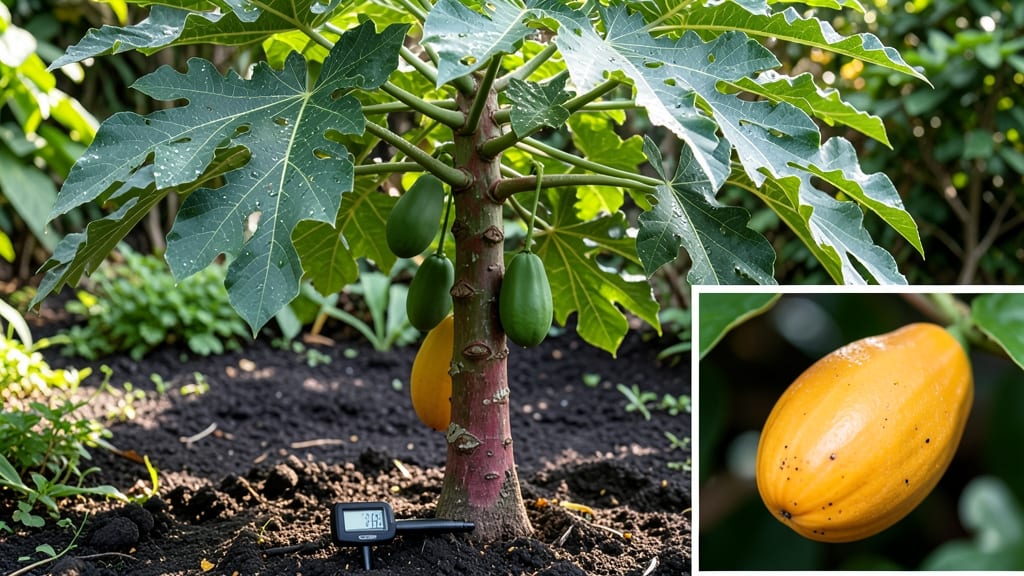
Understanding your papaya tree’s temperature tolerance saved mine—one Zone 10 dip below 32°F, and my first tree turned brown overnight. 🌱 The good news? With the right strategies, you can grow papayas in Zones 10-12 and protect them from unexpected cold snaps even in marginal climates.
These tropical trees thrive between 50°F and 90°F, but anything below 45°F stunts growth and delays fruiting. My trees produce 60% more fruit when daytime temps stay between 75°F and 85°F—the sweet spot for flowering and ripening.
Heat waves above 95°F cause stress too, so afternoon shade helps in desert climates.
You'll notice leaves yellowing or dropping when temps dip unexpectedly, but recovery is possible with quick action. Wrapping the trunk in burlap and covering with frost cloth during light freezes can save mature trees.
For younger plants, a mini greenhouse or indoor move during winter keeps them alive until spring warmth returns.
Even in ideal zones, microclimates matter—valleys collect cold air, while south-facing walls add 10°F of warmth. My backyard papaya near the patio wall fruits 3 weeks earlier than the one in the open yard.
Small adjustments like these make all the difference between a thriving tree and a sad, stunted one.
📚 In This Guide
- What you need
- Instructions
- Tips and common mistakes
- Wrapping up and next steps
What you need
- ● Papaya seeds or seedlings: Choose cold-tolerant varieties like Solo or SunUp if possible (2-5 plants for optimal yield).
- ● Large containers (5+ gallons): 3-5 containers with drainage holes (black plastic or fabric pots work well).
- ● High-quality potting mix: Well-draining blend (e.g., 60% coconut coir, 30% perlite, 10% compost). ✨ Pro Tip: Add 1 tbsp of worm castings per gallon for nutrients!
- ● Grow lights or LED bulbs (20W-40W): Full-spectrum for 12-14 hours/day (especially in Zones 9-11).
- ● Thermometer/hygrometer: Digital soil/air monitor to track temps (ideal range: 65°F–95°F; avoid below 50°F).
- ● Row covers or frost blankets: Lightweight (e.g., 30g spunbond) for sudden cold snaps (30°F–40°F).
- ● Heat mats or heating cables: For root zones in Zones 8 and below (e.g., 10W/ft under containers).
- ● Pruning shears: Bypass type (sterilized with 70% isopropyl alcohol).
- ● Spray bottle (8oz): For misting (humidity > 60% helps cold tolerance).
- ○ Rooting hormone (optional): Clonex or similar for propagating cuttings in cooler zones.
- ● Insulated grow tent: 4’x4’x6’ with reflective walls for Zones 7 and below.
- ● Organic mulch: Straw or shredded leaves (2–3 inches) to insulate soil.
How to protect and care for papaya trees in cooler climates
Here's how to keep your tropical papaya thriving when temperatures dip below ideal ranges.
🌱 Step 1: Understand Your Zone's Temperature Limits
Papaya trees (Carica papaya) originate from tropical regions where temperatures stay between 70-90°F year-round. They begin suffering when nighttime temps drop below 55°F and will sustain damage at 32°F or lower. Zone 10-12 gardeners enjoy growing papayas outdoors year-round, but those in Zone 9 or cooler must treat them as tender perennials or annuals.
Check your average low temperatures: if they fall below 50°F, you'll need to move your papaya indoors or provide heavy protection. I keep a small thermometer near my container-grown papaya to track nighttime dips—this helps me anticipate when to take action. The key threshold is 60°F: below this, growth slows dramatically, and fruit development halts.
☀️ Step 2: Provide Seasonal Temperature Adjustments
For Zone 9 gardeners, papayas can survive mild winters if given shelter. Wrap the trunk and major branches with burlap or frost cloth when nighttime temps approach 45°F. I've found that adding a 4-inch layer of mulch around container-grown trees helps insulate roots from temperature swings. Water deeply before cold snaps—hydrated plants handle stress better than thirsty ones.
In Zones 8 and cooler, treat papayas as annuals or overwinter them indoors. Move potted trees to a garage, sunroom, or bright indoor space before temperatures drop below 50°F. A grow light becomes essential for maintaining 12-14 hours of light daily—without it, leaves yellow and growth stalls. I position mine near a south-facing window with supplemental LED lighting to mimic tropical conditions.
⏰ Step 3: Implement Emergency Cold Protection
When a hard freeze (below 32°F) is forecasted, act immediately. For container-grown trees, move them to an unheated garage or shed where temps stay above 40°F. If outdoor planting is unavoidable, create a mini greenhouse using a clear plastic barrel or large tub placed over the tree. Secure it tightly with bungee cords and prop open the bottom to prevent root rot from trapped moisture.
For in-ground papayas, mound 6-8 inches of straw or leaves around the base and cover the canopy with blankets or cardboard topped with plastic sheeting. Weigh down the edges with bricks to prevent wind from tearing it away. I've seen papayas survive 28°F with this method—though fruit production will be minimal that season. The goal is to protect the trunk and growing tips, which are most vulnerable to cold damage.
🌿 Step 4: Monitor and Recover After Cold Exposure
After a cold snap, inspect your papaya for blackened leaves, mushy stems, or brown bark cracks—these are signs of irreversible damage. Prune back only the dead tissue, leaving healthy green growth. I've had trees lose 30% of their canopy and still recover fully with proper care. The plant will focus energy on regrowing leaves rather than fruiting that season, so don't panic if flowering stops.
Resume normal care once nighttime temps consistently stay above 60°F. Fertilize lightly with a balanced 10-10-10 formula to encourage new growth. Papayas are surprisingly resilient—even if they look terrible after cold exposure, the root system often survives intact. Watch for new shoots emerging from the base or along branches; these indicate the tree is recovering. With patience, your papaya can bounce back within 4-6 weeks of warm weather.
Tips & tricks for protecting papaya trees in cooler climates
Real talk: Even the hardiest gardeners struggle with papayas in cooler zones—but these tricks will help you push the limits of what's possible.
Zone-Specific Prep: In Zone 9, I start wrapping my papaya's trunk with burlap when nighttime temps hit 50°F—that's 5°F above the 45°F threshold mentioned in Step 2. For Zones 8 and cooler, I move my potted papayas indoors when temps approach 50°F, not waiting for the 32°F freeze warning. The earlier you act, the less stress the plant experiences.
Insulation Secrets: Don't just mound mulch—create a double insulation layer for container-grown trees. Start with 2 inches of straw directly on the soil, then add 2 more inches of mulch on top. This creates an air pocket that traps heat better than a single thick layer. For in-ground trees, use black plastic sheeting under the mulch to absorb daytime warmth and release it slowly.
Lighting Strategy: When overwintering indoors, position your grow light 12-18 inches above the canopy to mimic natural sunlight distribution. I use a full-spectrum LED bulb on a timer for 12-14 hours daily—the extra 2 hours beyond the minimum helps maintain photosynthesis rates. Rotate the tree weekly so all sides get even light exposure, preventing lopsided growth.
Recovery Watch: After cold exposure, focus on new shoot growth rather than fruit production. I've seen papayas recover completely from 28°F exposure by prioritizing leaf regrowth—this takes energy away from flowering. Once nighttime temps stay above 60°F consistently, I fertilize with a 10-10-10 formula at half strength to avoid overwhelming the plant's recovery process.
Pro Tips for Papaya Tree Temperature Tolerance
- Real talk: Even the hardiest gardeners struggle with papayas in cooler zones—but these tricks will help you push the limits of what's possible.
- Zone-Specific Prep: In Zone 9, I start wrapping my papaya's trunk with burlap when nighttime temps hit 50°F—that's 5°F above the 45°F threshold mentioned in Step 2.
- Insulation Secrets: Don't just mound mulch—create a double insulation layer for container-grown trees.
Frequently asked questions
about papaya tree temperature tolerance—because even tropical plants have their limits! Here are answers to the most common queries to help you keep your papaya thriving.What’s the lowest temperature a papaya tree can survive?
A papaya tree typically thrives in USDA Zones 10-12, where temperatures stay above 30°F (-1°C). Prolonged exposure to 25°F (-4°C) or below can cause severe damage or kill the plant. If you’re in a colder zone, grow papayas in containers and bring them indoors during winter.
Can papaya trees survive a light frost?
Light frost (28-32°F / -2 to 0°C) may cause leaf burn or stunted growth, but the tree can recover if the roots stay protected. However, repeated frost or temps below 25°F (-4°C) will likely kill the plant. Use row covers or move potted trees to a sheltered area for extra protection.
How do I protect my papaya tree from cold weather?
Use these quick fixes:
- Container growers: Move pots indoors or wrap them in bubble wrap and place near a sunny window.
- In-ground trees: Mulch heavily (4-6 inches) around the base and cover with frost cloth.
- Watering: Reduce watering before cold snaps to prevent root damage from frozen soil.
For severe cold, consider heating mats or a small greenhouse setup.
Can I grow papaya trees in colder climates like Zone 8 or 9?
Yes, but with special care! Grow papayas in large containers and overwinter them indoors (e.g., a garage with grow lights). Alternatively, plant them in spring and harvest before the first frost, then propagate from cuttings the next season. Varieties like ‘Solo’ are slightly more cold-tolerant.
What do I do if my papaya tree’s leaves turn black or wilt after cold exposure?
Blackened or wilted leaves are signs of cold stress. Trim damaged leaves with sterilized pruners to encourage new growth. If the trunk softens or oozes sap, the tree may be dying—consider starting fresh with a cutting. Keep the soil moist but not soggy and monitor for pests (stressed plants attract them!).
Pro Tip: Watch the forecast!
Papaya trees can’t handle sudden temperature drops. Sign up for local weather alerts and have a backup plan (like a greenhouse or indoor space) ready. A little preparation goes a long way in keeping your tropical friend happy!
Wrapping up and next steps
Understanding your papaya tree’s temperature tolerance is key to keeping it thriving—whether you’re in a tropical paradise or pushing its limits in cooler zones! 🌡️ With the right cold-hardy strategies, like mulching, frost cloths, or even indoor shifts, you can extend its growing season and enjoy those sweet, vibrant fruits year-round. Don’t let fear of frost stop you—start small with a single plant and experiment with protective measures to find what works best for your climate.
Now that you’re armed with knowledge, take action! Monitor your tree’s health, adjust care as seasons change, and share your progress with fellow gardeners. Happy growing—your papaya tree (and taste buds!) will thank you! 🌱🍈