Pruning
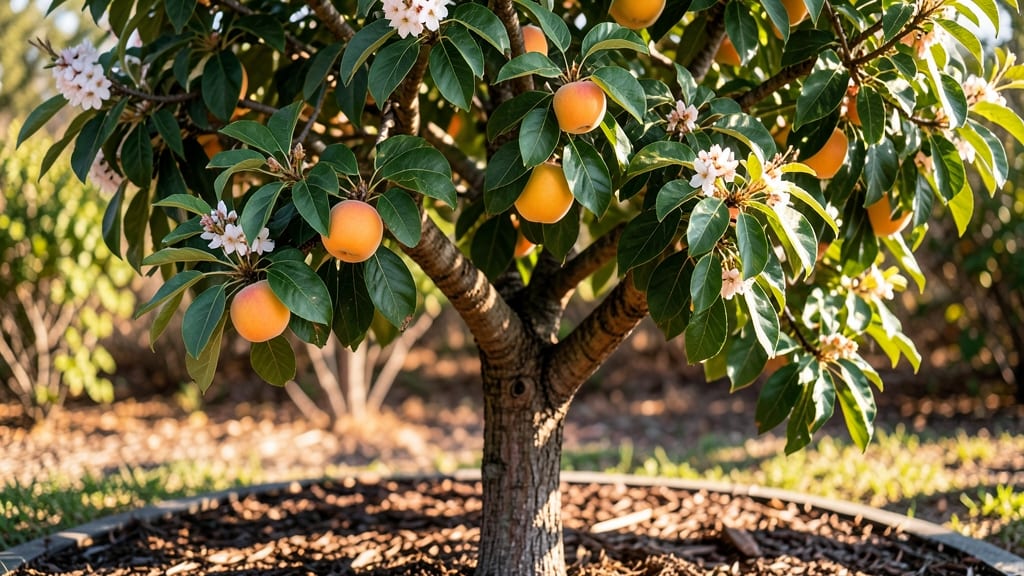
Growing peach trees in Florida means you can harvest sweet, juicy fruit almost year-round—if you know the secrets to beating humidity and pests. 🌱 The key is choosing the right varieties, planting at the perfect time, and mastering Florida-specific care that keeps your tree thriving when others fail.
Most peach trees struggle here because gardeners don’t account for our long, hot summers and relentless pests like peach tree borers. But with the right soil prep—well-draining, slightly acidic, and rich in organic matter—your tree gets the strong start it needs.
And don’t skip the winter protection, even in mild zones.
By pruning strategically after harvest and monitoring for pests year-round, you’ll end up with a tree that produces consistent, high-quality fruit through spring and fall. The first harvest might be small, but each season gets better as your tree matures.
Whether you’re planting a dwarf variety in a container or a standard tree in your yard, Florida’s climate can work in your favor—with the right approach. Let’s get your peach tree off to the best possible start.
📚 In This Guide
- What you need
- Instructions
- Tips and common mistakes
- Wrapping up and next steps
What you need
- ● Peach Tree Variety: Florida-friendly varieties like Bonanza, Redhaven, or Elberta (dwarf or semi-dwarf for easier pruning). Note: Ensure it’s resistant to peach leaf curl (common in Florida).
- ● Well-Draining Soil: Mix of topsoil (50%), compost (30%), and sand or perlite (20%) for optimal drainage (avoid clay-heavy soil). Test pH: Aim for 6.0–6.5.
- ● Pruning Tools: Bypass pruners (for cuts up to ½ inch)
- ● Loppers (for branches ½–2 inches)
- ● Pruning saw (for thick branches 2+ inches)
- ● Fungicide: Copper-based or sulfur-based (e.g., Daconil) to prevent leaf curl and brown rot.
- ● Mulch: 3–4 inches of organic mulch (pine bark or wood chips) to retain moisture and regulate soil temp.
- ○ Drip Irrigation System: Optional but critical for Florida’s heat—ensure slow, deep watering (1–1.5 inches/week).
- ● Handheld Leaf Blower: For quick cleanup after pruning (saves time and effort!).
- ● Tree Wrap: Protects young bark from sun scorch (especially for newly planted trees).
- ● Soil Moisture Meter: Monitors hydration levels—critical during Florida’s dry spells.
- ● Organic Fertilizer: Balanced NPK (e.g., 10-10-10) or citrus-specific blend (apply in early spring).
- ● Bird Netting: Protects ripe peaches from mockingbirds and squirrels (a Florida gardener’s nemesis!).
Step-by-step guide for planting and caring for peach trees in Florida
Florida’s heat and humidity demand a few smart adjustments—but peaches thrive here with the right approach.
🌱 Step 1: Choose the Right Variety and Plant at the Right Time
Florida’s long growing season lets you plant peach trees year-round, but timing matters. Opt for low-chill varieties like ‘Redhaven’, ‘Elberta’, or ‘Flordagold’—these need 200-400 chill hours, perfect for Florida’s cooler winters. Plant in late winter or early spring (February-March) to avoid summer heat stress.
Pick a sunny spot with 6+ hours of direct sun daily—peaches crave warmth. Avoid low-lying areas where cold air settles, as even Florida’s mild winters can drop temps dangerously low. Dig a hole twice as wide as the root ball but no deeper—planting too deep suffocates roots.
☀️ Step 2: Prepare the Soil and Plant Properly
Peaches love well-draining, slightly acidic soil (pH 6.0-6.5). Mix 2-3 inches of compost into the native soil before planting to boost fertility. Florida’s sandy soils often need extra organic matter to retain moisture without compacting. Avoid heavy clay—peach roots rot easily in waterlogged conditions.
Place the tree so the graft union (the bump near the base) sits 2-3 inches above soil level. This prevents root rot while keeping the tree stable. Backfill with native soil, tamp gently, and create a watering basin around the base. Water deeply immediately after planting—this settles soil and eliminates air pockets around roots.
💧 Step 3: Water and Mulch for Florida’s Humid Climate
Peach trees need deep, infrequent watering—1-2 inches per week—but Florida’s humidity means you’ll water less than in drier climates. Use drip irrigation to keep leaves dry, preventing fungal diseases like brown rot. Water at the base only, never overhead, especially when fruit is ripening.
Apply 3-4 inches of organic mulch (like pine bark or wood chips) around the tree, keeping it 6 inches away from the trunk. Mulch locks in moisture and regulates soil temperature. Replenish mulch annually—Florida’s summer rains wash it away quickly. Avoid plastic mulch, which traps heat and suffocates roots.
✂️ Step 4: Prune and Fertilize for Year-Round Growth
Prune in late winter (before buds swell) to remove dead, crossing, or diseased branches. Open the canopy to improve airflow—critical in Florida’s damp air. Thin out suckers (shoots from the base) and water sprouts (vertical growth) to focus energy on fruit production. Use clean, sharp shears to avoid tearing bark.
Fertilize twice a year: in early spring (when new growth starts) and late summer (to prepare for winter). Use a balanced 10-10-10 fertilizer or a citrus/peach-specific blend. Florida’s sandy soil leaches nutrients fast, so side-dress with compost tea monthly during fruiting season. Avoid over-fertilizing—peaches are sensitive to excess nitrogen, which leads to leafy growth at the expense of fruit.
🪴 Step 5: Protect Against Florida-Specific Pests and Diseases
Florida’s heat and humidity invite peach tree borers and aphids. Inspect leaves weekly for chewed edges or sticky residue (aphid honeydew). Spray with neem oil at the first sign of pests—it’s organic and safe for bees. For borers, apply systemic insecticide to the trunk in early spring before they emerge.
Watch for brown rot (a fungal disease causing dark spots on fruit). Remove infected fruit immediately and prune for airflow. Space trees 15-20 feet apart to reduce humidity buildup in the canopy. If brown rot persists, apply copper fungicide in late winter as a preventive measure. Florida’s wet springs make this a yearly battle—stay proactive!
Tips & tricks for perfect peach tree care in Florida's climate
Florida’s unique growing conditions can make or break your peach tree—here’s how to give yours the best shot at success.
Variety Selection: While ‘Redhaven’, ‘Elberta’, and ‘Flordagold’ are excellent choices for Florida, consider ‘Tropic Beauty’ if you live in the southernmost regions where winters are especially mild. These varieties thrive with Florida’s 200-400 chill hours, but even within that range, some years may be warmer than others. If you notice your tree struggling after a particularly warm winter, it might need a few extra hours of cold exposure—you can create this by temporarily moving young trees to a cooler microclimate during winter months.
Soil Preparation: Florida’s sandy soils often need extra attention to retain moisture and nutrients. Beyond the 2-3 inches of compost mentioned, consider adding a layer of peat moss to improve water retention without compacting the soil. Test your soil’s pH before planting—if it’s outside the 6.0-6.5 range, adjust with lime (to raise pH) or sulfur (to lower it). This small step can prevent nutrient deficiencies that show up as yellow leaves or poor fruit set later on.
Watering Strategy: The 1-2 inches of water per week guideline works well, but Florida’s unpredictable rain patterns mean you’ll need to stay vigilant. Install a rain gauge near your tree to track rainfall accurately. During dry spells, supplement with your drip irrigation system, but be careful not to overwater—soggy soil leads to root rot, especially in Florida’s heat. A good rule of thumb is to water when the top 2 inches of soil feel dry to the touch.
Pest Prevention: Florida’s humidity creates the perfect environment for pests like peach tree borers and aphids. While the instructions recommend neem oil, I’ve found that a garlic and chili spray (made from blended garlic, chili peppers, and water) works even better as a preventive measure. Spray this mixture on your tree every 2 weeks during the growing season. The strong scent repels pests without harming beneficial insects. For borers, wrap the trunk with sticky tree bands in early spring—these trap adult borers before they can lay eggs.
Pro Tips for Peach Tree Florida
- Florida’s unique growing conditions can make or break your peach tree—here’s how to give yours the best shot at success.
- Variety Selection: While ‘Redhaven’, ‘Elberta’, and ‘Flordagold’ are excellent choices for Florida, consider ‘Tropic Beauty’ if you live in the southernmost regions where winters are especially mild.
- Soil Preparation: Florida’s sandy soils often need extra attention to retain moisture and nutrients.
Frequently asked questions
Got questions about growing peach trees in Florida’s humid climate?
You’re not alone! Here are answers to the most common queries to help you cultivate a thriving peach orchard—even in the heat and humidity.
What’s the best time to plant a peach tree in Florida?
Plant your peach tree in late winter or early spring (January–March) when the soil is workable but frost isn’t a threat. Florida’s warm winters allow for year-round planting, but cooler months give roots time to establish before summer’s heat. Avoid planting in peak summer to reduce stress on young trees.
How often should I prune a peach tree in Florida’s humid climate?
Prune twice a year for Florida peach trees: late winter (dormant season) to shape the tree and remove dead wood, and summer (June–July) to thin out dense foliage and improve airflow—critical in humid conditions to prevent fungal diseases like brown rot. Light pruning in spring can also encourage fruiting.
What pests or diseases should I watch for with peach trees in Florida?
Florida’s humidity makes peach trees vulnerable to brown rot (fungus), peach tree borers, and aphids. Monitor for leaf spots, wilting, or sawdust-like frass (borer sign). Use copper fungicides for brown rot and beneficial nematodes or neem oil for borers. Keep the orchard clean and prune for airflow to minimize risks.
Can I grow peach trees in containers in Florida?
Yes! Dwarf or semi-dwarf varieties like ‘Redhaven’ or ‘Elberta’ thrive in large containers (15+ gallons) with well-draining soil. Place them in full sun and water deeply when the top inch of soil is dry. Container-grown trees need regular fertilizing (balanced 10-10-10) and may produce fewer fruits than in-ground trees. Move pots to a sheltered spot during hurricanes!
Why aren’t my peach trees fruiting in Florida?
Low fruit production often stems from poor pollination, nutrient deficiencies, or stress. Florida’s heat can reduce pollinator activity, so plant two compatible varieties nearby. Check for nitrogen deficiency (yellow leaves) and zinc deficiency (small leaves). Ensure 6–8 hours of sunlight daily and mulch to retain moisture. If trees are young (<3 years), they may still be establishing!
Wrapping up and next steps
Growing a thriving peach tree in Florida’s humid climate is absolutely doable with the right care—especially when it comes to pruning! By mastering techniques like summer pruning to combat fungal risks and winter shaping for airflow, you’ll set your tree up for year-round harvests and healthier fruit.
Remember, patience and consistency are key—your peach tree will reward you with juicy, Florida-grown sweetness in no time!
Ready to take the next step? Start small: pick one pruning session this month, and observe how your tree responds. Over time, you’ll build confidence—and soon, you’ll be sharing fresh peaches with neighbors (or freezing them for winter treats!). 🌱✨