
Pruning
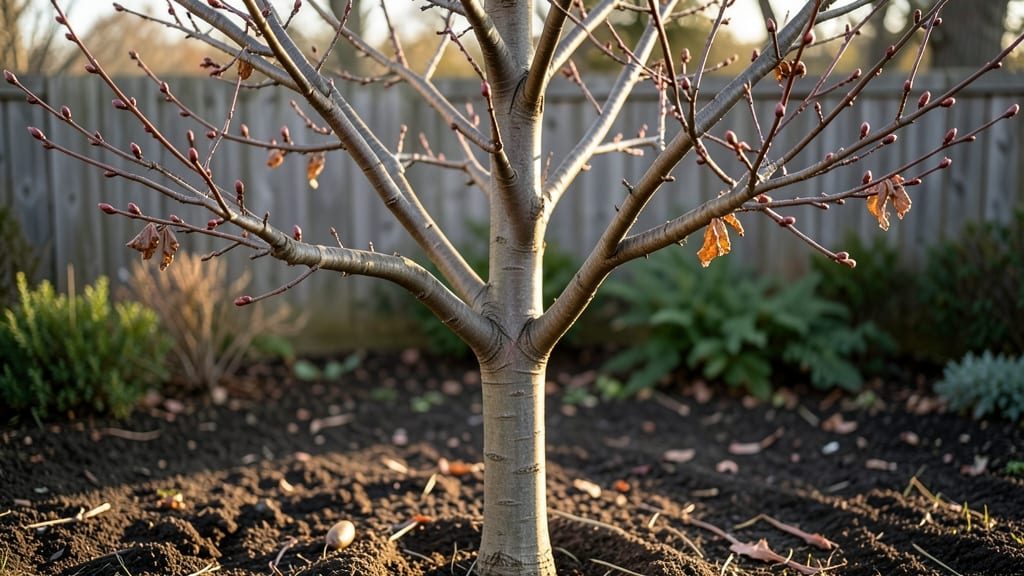
Winterizing your peach tree isn’t just about survival—it’s about setting up next summer’s bounty while protecting it from Pacific Northwest’s damp, chilly winds. ✨ I’ve watched peach trees struggle with winter dieback, only to rebound spectacularly when pruned and cared for the right way.
The key is timing, technique, and a few tricks to shield tender wood from late frosts.
You’ll need sharp pruning shears, a ladder (for taller trees), and a thick layer of mulch—plus a clear understanding of where to cut. Most gardeners focus only on removing dead wood, but the real magic happens in shaping the tree to let sunlight and air circulate.
This prevents rot and makes spring growth stronger than ever.
By late winter, you’ll have a peach tree that’s not just alive but thriving—with fewer branches competing for energy, so every bloom next spring turns into fruit.
The tree’s structure will be open enough to dry quickly after rain, cutting down on fungal risks. Plus, the mulch keeps roots cozy through those unpredictable PNW freezes.
Works for both young trees and established ones, though the approach shifts slightly with age. Whether you’re a first-time pruner or refining your skills, this method works for peaches, nectarines, and even plums in similar climates. Let’s get those branches shaped for success.
📚 In This Guide
- What you need
- Instructions
- Tips and common mistakes
- Wrapping up and next steps
What you need
- ● Pruning shears – Bypass pruners (sharp, 6–8" blades) for clean cuts on small branches.
- ● Loppers – 18–24" bypass loppers for thicker branches (½–1.5" diameter).
- ● Pruning saw – Hand saw with curved blade for branches >1.5" thick.
- ● Rubbing alcohol (70%+) – Small bottle for sterilizing tools between cuts.
- ● Garden gloves – Heavy-duty, cut-resistant (PNW thorns are no joke!).
- ○ Pruning sealant – Optional but helpful (e.g., Tanglefoot Tree Wound Pruning Sealer) for large cuts.
- ● Disposable pruning bags – 5–10 gallon capacity to collect debris (or a tarp + wheelbarrow).
- ● Marking twine or flags – For tagging branches to remove (if pruning in stages).
- ● Extension pole – For high branches (10–15 ft, with pruner attachment).
- ● Tree wrap or frost cloth – For young/sensitive trees in harsh PNW winters.
- ● Notebook + pencil – To sketch your tree’s structure before pruning.
Step-by-step guide for pruning peach trees in winter
Here's the method I've used for years to keep Pacific Northwest peaches thriving through harsh winters.
✂️ Step 1: Time Your Pruning for Cold-Resistant Success
Prune your peach tree in late winter, just as buds begin to swell but before new growth starts—typically February to early March in the Pacific Northwest. This timing lets the tree heal before spring's rapid growth. Cold snaps after pruning can damage fresh cuts, so avoid pruning if frost is forecasted within a week.
Look for plump, swollen buds along the branches as your signal. These buds indicate the tree is breaking dormancy and preparing for spring growth. If you prune too early, the tree remains vulnerable to winter dieback. If you wait too late, you risk encouraging early growth that can't survive late frosts.
🌿 Step 2: Remove Damaged or Diseased Wood First
Start by cutting out any branches that died over winter—they're usually brown, brittle, and easily snap when bent. Use clean, sharp pruning shears to make 45-degree cuts just outside the branch collar (the swollen area where the branch meets the trunk). This prevents water from pooling and rotting the wound.
Next, remove any branches infected with brown rot or other fungal diseases. Sterilize your tools between cuts with rubbing alcohol or a 10% bleach solution to prevent spreading pathogens. You'll know you're on the right track when your tool glides through dead wood with minimal resistance.
✂️ Step 3: Thin the Canopy for Air Circulation
Selectively remove branches that cross or rub against each other—these create wounds where diseases enter. Aim to create an open center with 6-8 main scaffold branches spaced evenly around the trunk. This open structure allows sunlight to penetrate and air to circulate, reducing winter moisture buildup.
Focus on branches growing inward or downward, as these rarely produce fruit and compete with stronger, outward-growing branches. Cut back to a bud facing outward to encourage future growth in the right direction. You'll see a more balanced, vase-shaped tree within a season.
☀️ Step 4: Shape for Sunlight Exposure and Winter Protection
Prune to maintain a rounded, dome shape that allows sunlight to reach the center of the tree. This prevents the development of weak, shaded branches that produce poor-quality fruit. Remove any "water sprouts"—fast-growing, vertical shoots that appear along the trunk or branches.
Leave 3-4 strong, well-spaced branches near the trunk's base to form the tree's primary structure. These will bear the most fruit. After pruning, apply a wound dressing to large cuts over 2 inches in diameter to protect against bark borers and winter winds.
Tips & tricks for perfect winter pruning of peach trees
Here's what I've learned after years of pruning Pacific Northwest peaches—these tricks make all the difference in winter survival.
Timing Secret: If you're unsure about the February to early March window, check your tree's buds daily. They should be plump but not yet cracked open—this is your exact cue. I've seen trees pruned too early suffer dieback when cold snaps hit fresh cuts, and late pruning can encourage vulnerable new growth that gets nipped by late frosts. Between us, I once pruned too late and lost half my harvest to frost damage.
Tool Technique: Your pruning shears are your most important tool—keep them razor sharp for clean cuts. I sterilize mine between every diseased branch using rubbing alcohol, and I always make my 45-degree cuts just outside the branch collar. This little detail prevents water pooling that leads to rot. Pro tip: Test your shears on a small branch first—if they don't cut cleanly, sharpen them before starting.
Shape Strategy: When creating that open center with 6-8 scaffold branches, think about sunlight paths. I like to visualize the sun's arc across the sky and position branches to catch morning and afternoon light. Leave those 3-4 strong base branches—they'll carry your fruit load next season. And remember, water sprouts are the enemy—they steal energy from fruit production.
Winter Protection: For cuts over 2 inches, that wound dressing isn't optional—it's your tree's armor against bark borers and winter winds. I use a high-quality pruning sealant and apply it immediately after cutting. The goal is to create a protective barrier while still allowing the wound to heal naturally. Don't skip this step if you want your tree to thrive through our wet Pacific Northwest winters.
Pro Tips for Peach Tree In Winter
- Here's what I've learned after years of pruning Pacific Northwest peaches—these tricks make all the difference in winter survival.
- Timing Secret: If you're unsure about the February to early March window, check your tree's buds daily.
- Tool Technique: Your pruning shears are your most important tool—keep them razor sharp for clean cuts.
Frequently asked questions
Got questions about keeping your peach tree thriving in the chilly Pacific Northwest winters? You’re not alone! Here are some of the most common concerns—and straightforward answers—to help you prune with confidence.
When is the best time to prune a peach tree in winter?
The ideal window is late winter to early spring (February to March in the PNW), before buds swell but after the coldest snaps. This timing balances frost protection with early-season growth. Avoid pruning in deep freeze (<15°F) or during active blooming—both stress the tree.
Can peach trees survive PNW winters without extra care?
Many cold-hardy varieties (like ‘Redhaven’ or ‘Elberta’) tolerate winters down to -10°F, but young trees or tender varieties need protection. Mulch the base with 4–6 inches of straw or wood chips and wrap the trunk with burlap or tree wrap to prevent sunscald and cracking. Water deeply before freeze if soil is dry!
How do I know if I’m pruning too much?
Peach trees are light pruners—never remove more than 20–25% of the canopy in one season. Signs of over-pruning: bare branches, weak regrowth, or excessive water sprouts. Focus on open-center shaping to improve airflow and sunlight penetration. Pro tip: Step back often to visualize the tree’s “skeleton” branches!
What if my peach tree loses all its leaves in winter?
Don’t panic! Leaf drop is normal in dormancy, but check for pests or disease if browning persists into spring. Healthy trees regrow leaves by April. To boost resilience, apply a balanced fertilizer (10-10-10) in early spring and ensure the tree gets 6+ hours of sunlight daily. Avoid heavy pruning if leaves are already sparse.
Are there winter alternatives if I can’t prune now?
If bad weather delays pruning, focus on protective tasks first:
- Mulch the root zone to insulate roots.
- Wrap the trunk to prevent frost cracks.
- Remove competing weeds within the drip line.
Wrapping up and next steps
Winter is the perfect time to give your Pacific Northwest peach tree the care it needs to thrive—pruning isn’t just maintenance, it’s an investment in next year’s harvest! 🌿 By following this cold-resistant blueprint, you’ll encourage stronger growth, better fruit production, and a healthier tree.
Now that you’re armed with the right tools, techniques, and answers, there’s no better time to roll up your sleeves and get pruning!
Ready to take action? Mark your calendar for late winter (when the tree is still dormant but before buds swell) and grab your pruners—your peach tree’s future starts with you! 🌱