
Pruning
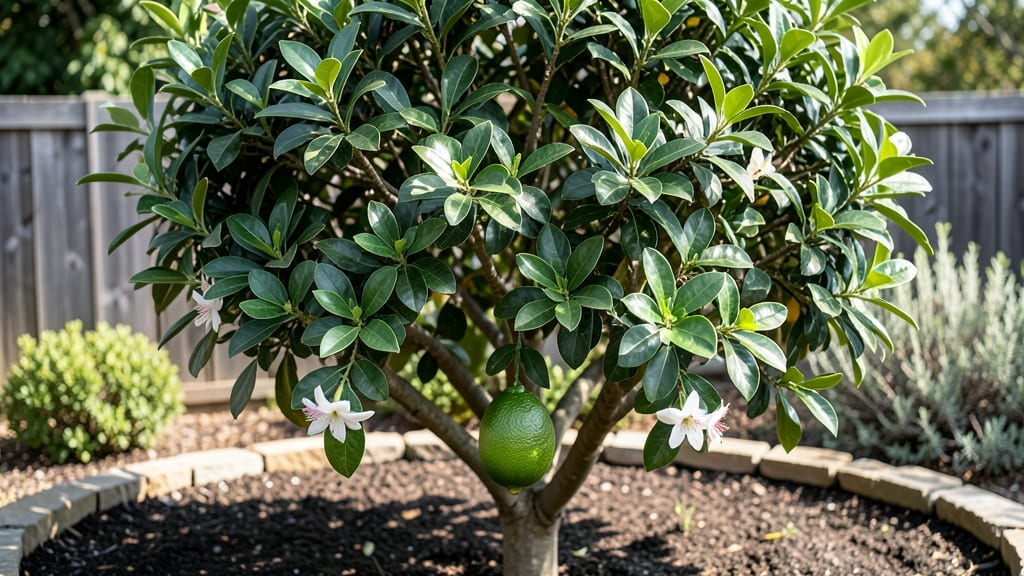
Pruning your Persian lime tree isn’t just about shaping—it’s about protecting that delicate canopy from Pacific Northwest’s chilly surprises. 🌿 I’ve learned the hard way that skipping winter prep means frost damage that takes years to recover from, even with this frost-resistant variety.
The key is timing: prune in late winter before new growth starts, and you’ll keep the tree healthy while encouraging those fragrant blossoms.
You’ll need sharp pruning shears, a clean saw for thicker branches, and a pair of gloves—citrus sap isn’t the most pleasant stuff to handle. Focus on removing dead or crossing branches first, then thin out the center to let light and air circulate.
My tree went from looking like a tangled mess to a neat, productive shape after just one careful session, and the fruit quality improved dramatically.
What you’ll end up with is a tree that handles our damp winters better, produces more limes, and even looks prettier with its open, airy structure. The best part? Those limes stay on the tree longer, ripening to a perfect balance of sweet and tart.
Once you see how much easier it is to harvest and maintain, you’ll wonder why you didn’t start sooner.
Works just as well for container-grown trees or those in colder microclimates—just adjust the timing slightly if you’re in a frost pocket. The same principles apply whether your tree is in the ground or a big pot. Let’s get those branches trimmed right before the cold sets in.
📚 In This Guide
- What you need
- Instructions
- Tips and common mistakes
- Wrapping up and next steps
What you need
- ● Pruning shears: Bypass pruners (sharp, clean, and sterilized with rubbing alcohol to prevent disease). Size: 6–8 inches for medium branches.
- ● Loppers: For thicker branches (½–1½ inches in diameter). Look for: Bypass blades, comfortable grip, and a ratchet mechanism for ease.
- ● Hand saw: Pruning saw with a curved or straight blade for branches >1½ inches thick.
- ● Disposable gloves: Heavy-duty, cut-resistant gloves to protect hands from thorns and sap.
- ○ Sealing wax or pruning paint: (Optional but helpful) To coat large cuts and prevent disease entry.
- ● 5-gallon bucket or tarp: For collecting pruned branches and debris.
- ● Hose with nozzle: To clean tools and rinse off sap after pruning.
- ● Ladder or step stool: If your tree is taller than 6 feet (ensure it’s stable and non-slip).
- ● Notebook & pen: To sketch a pruning plan or mark branches for removal.
- ● Rubbing alcohol (70% isopropyl): For sterilizing tools between cuts.
- ● Extension pole pruners: For high branches without a ladder.
- ● Tree wound dressing: (e.g., Tanglefoot Tree Wound Pruning Sealer) for extra protection.
- ● Frost cloth or burlap: To wrap young or sensitive branches if heavy frost is forecasted after pruning.
- ● Garden kneeler/pad: For comfort if you’re working near the base.
- ● Camera or phone: To document before/after progress!
Step-by-Step guide to pruning your Persian lime tree for Pacific Northwest resilience
Here's how to shape a stronger, frost-hardier tree without sacrificing fruit production.
✂️ Step 1: Time Your Pruning for Maximum Frost Resistance
Prune your Persian lime tree in late winter or early spring, right before new growth begins—typically February to March in the Pacific Northwest. This timing lets the tree heal before summer heat arrives and prevents frost damage to fresh cuts. I always wait until after the last hard frost warning, checking local forecasts for confirmation.
Never prune during active growth or after summer—you'll invite disease and weaken the tree's ability to recover. Look for dormant branches (they'll feel stiff and bare) to identify the perfect moment. If you must prune later, focus only on dead wood to minimize stress.
🌿 Step 2: Remove Dead, Crossing, and Weak Branches First
Start with dead or diseased branches—they drain energy from your tree. Use sharp pruners to make clean cuts just outside the branch collar (the swollen area where the branch meets the trunk). I always disinfect my tools with rubbing alcohol between cuts to prevent spreading any potential infections.
Next, remove crossing branches (those rubbing against each other) and weak, inward-growing limbs. These compete for sunlight and create entry points for pests. Aim to open the canopy to sunlight and airflow—this is key for frost resistance. You'll notice healthier foliage and fewer fruit-splitting issues after this step.
☀️ Step 3: Shape for Sun Exposure and Frost Protection
Thin the canopy to let at least 60% sunlight reach the center. Persian limes need plenty of light to develop thick, frost-tolerant bark. I focus on removing branches that block light from the lower limbs—these are the first to suffer in frosts. Leave the strongest, most outward-facing branches to form a natural dome shape.
For frost-prone areas, prioritize lower branches—removing them reduces heat loss from the ground up. Never cut more than 25% of the canopy in one session, or you'll shock the tree. Step back occasionally to visualize how sunlight will move through the branches after pruning.
⏰ Step 4: Seal Cuts and Monitor for Recovery
For cuts larger than ½ inch, apply tree wound sealant to prevent disease entry. Smaller cuts don't need sealing—they'll heal faster on their own. I always water the tree deeply after pruning to help it recover. Look for new growth within 4-6 weeks as a sign the tree is healing properly.
Watch for yellowing leaves or oozing sap—these indicate stress. If you see either, reduce watering slightly and avoid fertilizing until the tree stabilizes. Persian limes are tough, but they need time to adjust after major pruning. A light layer of mulch (2-3 inches) around the base helps retain moisture and protect roots from temperature swings.
Tips & tricks for frost-resistant Persian lime tree pruning
Here's what I've learned after years of shaping trees in our chilly Pacific Northwest gardens.
Timing is Everything: Those February to March dates in Step 1 aren't just suggestions—they're critical for frost resistance. I've seen trees pruned too early suffer from late frosts, and those done too late struggle with summer recovery. Check your local frost-free date and wait until you've passed the last hard frost warning. If you're unsure, err on the side of waiting—your tree will thank you with thicker bark and better fruit set.
Tool Prep Prevents Problems: I can't stress enough how important Step 2's tool prep is. Before you make your first cut, sharpen your pruners and disinfect them with rubbing alcohol. Dull tools crush branches instead of making clean cuts, which slows healing. I keep a small bottle of alcohol in my gardening kit specifically for this purpose—it takes 10 seconds but prevents years of potential infections.
Visualize Your Canopy: When shaping in Step 3, step back every 10 minutes to visualize how sunlight will move through your tree. I like to imagine it's 10 AM on a clear winter day—can you see light reaching the center? The goal is to create a dome shape where lower branches get sunlight too. This isn't just about aesthetics; it's about developing that frost-resistant bark thickness we're all after.
Monitor Recovery Like a Pro: That 4-6 week window for new growth in Step 4 is your real test. If you don't see fresh leaves by then, your tree might be stressed. I've found that mulching with 2-3 inches of organic material right after pruning helps maintain consistent soil temperatures—this makes a huge difference in our variable PNW climate. Watch for those yellowing leaves early, and don't wait to adjust your care routine.
Pro Tips for Persian Lime Tree
- Here's what I've learned after years of shaping trees in our chilly Pacific Northwest gardens.
- Timing is Everything: Those February to March dates in Step 1 aren't just suggestions—they're critical for frost resistance.
- Tool Prep Prevents Problems: I can't stress enough how important Step 2's tool prep is.
Frequently asked questions
Got questions about pruning your Persian lime tree in the Pacific Northwest? Here are some common ones—and their answers—to help you keep your citrusy canopy thriving, even when frost rolls in!
When is the best time to prune a Persian lime tree in my region?
The ideal window is late winter to early spring (February–March), before new growth starts. In PNW’s mild climates, avoid pruning in fall—it can stimulate tender shoots vulnerable to frost. If you must prune later, do it after the last expected frost date for your zone.
How do I protect my Persian lime tree from frost damage?
Prune to open the canopy for better airflow, reducing frost pockets. Use frost cloth or row covers for young trees, and water tree bases before a freeze to release heat as it crystallizes. Mature trees benefit from mulch (3–4 inches) to insulate roots.
Can I prune a Persian lime tree too much?
Yes! Over-pruning stresses the tree, reducing fruit production and frost hardiness. Stick to removing only 15–20% of foliage per year. Focus on dead/diseased branches and thinning out crowded growth—never cut more than ⅓ of a branch’s length in one go.
What if my Persian lime tree isn’t fruiting after pruning?
Citrus trees need balanced pruning—too much shaping = fewer flowers/fruit. Ensure you’re leaving healthy, mature branches (3+ years old) and avoiding heavy cuts to main scaffold limbs. Fertilize with citrus-specific blend in early spring to boost productivity.
Are there frost-resistant alternatives to Persian lime trees?
If your microclimate is too cold for Persian limes (Zone 8+), try ‘Meyer lemon’ (Zone 9–10) or ‘Improved Meyer lemon’ (more cold-tolerant). For hardier citrus, consider kumquat (Zone 7–10) or calamondin orange—both handle light frost better.
Wrapping up and next steps
Pruning your Persian lime tree in the Pacific Northwest isn’t just about aesthetics—it’s a vital step to ensure its health, frost resilience, and long-term vitality.
By following the right techniques, timing, and tools, you’ll encourage a lush, productive canopy while protecting it from harsh winters. Your efforts today will reward you with vibrant blooms and bountiful harvests for years to come!
Ready to give your tree the care it deserves? Grab your pruners, mark your calendar, and start planning your next pruning session—your Persian lime tree will thank you! 🌿✨