
Companion Plants
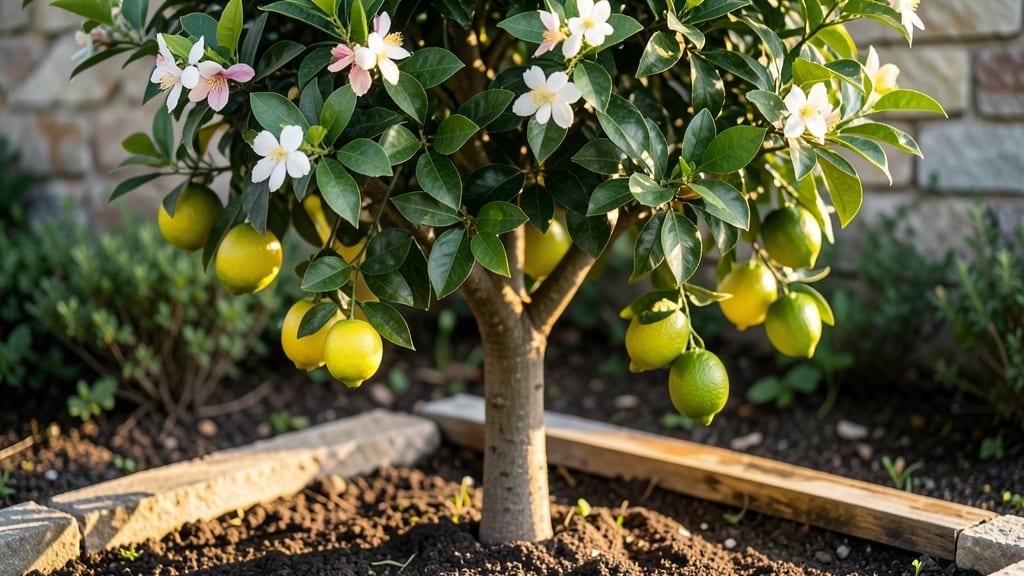
The citrus trees plants in my Pacific Northwest garden aren’t just surviving—they’re thriving with the right frost-resistant care, and I’ve watched my Meyer lemon tree beat winters that would kill most citrus. 🌱 The secret lies in choosing cold-hardy varieties and protecting them. them smartly.
The first step? Picking the right type—Meyer lemons, Calamondin oranges, or even Satsuma mandarins handle cooler temps better than traditional varieties.
The key to success starts with well-draining soil mixed with compost, planted in a south-facing spot where they’ll get at least 6 hours of sunlight daily. Container growing is your best bet in colder zones—just move pots indoors before temperatures drop below 20°F.
Watering needs shift with seasons: deep watering once a week in summer, but cutting back in winter to prevent root rot.
By spring, you’ll see glossy new leaves and the first flush of fragrant blossoms—proof the tree is happy. Prune in late winter to shape the tree and remove dead wood, then fertilize lightly in early spring.
The payoff? Homegrown lemons, oranges, and limes that taste better than anything store-bought, even in rainy climates.
This method works for urban balconies or rural yards—just adjust container sizes and winter protection. Let’s get those citrus trees growing strong, no matter where you live in the PNW.
📚 In This Guide
- What you need
- Instructions
- Tips and common mistakes
- Wrapping up and next steps
What you need
- ● Citrus Tree Varieties: Frost-hardy types like Citrus × meyeri (Meyer lemon), Poncirus trifoliata (trifoliate orange), or Citrus × aurantium (Seville orange). Buy 1-2 trees from a reputable nursery (3-5 gallons in size for best results).
- ● Large Containers: 5-gallon or larger pots with drainage holes (at least 12–18 inches deep). 2–3 containers per tree.
- ● High-Quality Potting Mix: Well-draining citrus blend (e.g., 50% peat moss, 30% perlite, 20% sand or pumice). 1–2 bags (4–6 cu. ft. each) per container.
- ● Slow-Release Fertilizer: Citrus-specific 6-6-6 or 8-3-9 NPK (e.g., Miracle-Gro Citrus Food). 1–2 lbs per tree.
- ● Mulch: Organic mulch (pine bark, straw, or wood chips). 2–3 inches per container.
- ○ Drip Irrigation Kit: Automatic system with timers (optional but ideal for PNW’s rainy seasons). 1 kit (covers 2–4 trees).
- ● Garden Trowel & Pruners: Bypass pruners for clean cuts (sterilize with rubbing alcohol).
- ● pH Test Kit: Digital or liquid test strips (citrus prefers 6.0–7.0 pH).
- ● Thermometer: Minimum/maximum soil thermometer (track frost risk).
- ● Frost Cloth or Row Covers: Lightweight, breathable fabric (rated for 28°F). 1–2 covers (10x12 ft each).
- ● Heat Lamp or Space Heater: For extreme cold snaps (use safely, 2–3 ft from plants).
- ● Sunlight Access: Full sun (6+ hours/day). South-facing windows or a greenhouse work for containers.
- ○ Indoor Space (Optional): Garage, sunroom, or basement for overwintering (if outdoor temps drop below 20°F).
- ● Watering Schedule: Consistent moisture (avoid soggy soil—citrus hates “wet feet”).
- ● Patience: Citrus trees take 2–5 years to bear fruit in cooler climates!
Step-by-step instructions for growing Pacific Northwest citrus trees
Here's how to keep your citrus thriving despite cold winters—trust me, it's possible.
🪴 Step 1: Choose the Right Varieties and Containers
For the Pacific Northwest, select cold-hardy citrus like 'Improved Meyer lemon' or 'Satsuma mandarin'—they tolerate temperatures down to 20°F with protection. Avoid standard oranges or grapefruits; they won’t survive our winters. Use 15-20 gallon containers for mature trees (smaller for young plants) with drainage holes—citrus roots rot easily in soggy soil.
I always opt for glazed ceramic or heavy plastic pots because they retain heat better than lightweight plastic. Place a 2-inch layer of gravel at the bottom before adding soil—this prevents root rot by keeping the bottom dry while allowing excess water to escape. Here's the thing—never skip drainage, even if you think you'll water lightly. Citrus trees hate wet feet.
☀️ Step 2: Set Up the Perfect Light and Temperature Balance
Citrus trees need full sun (6-8 hours daily) but struggle with our short winter days. Place them in the southernmost spot on your patio or deck, where they’ll catch the most light. If indoors, position them near a south-facing window with supplemental grow lights (14-16 hours/day) during winter. Without enough light, leaves turn yellow and drop—don’t ignore this sign.
During summer, keep temperatures between 65-85°F. In winter, protect trees from frost by moving them indoors (garage or basement with 50-60°F temps) or wrapping the pots in bubble wrap and covering with a frost blanket. I’ve seen trees survive 15°F with these precautions, but don’t push it—20°F is the safe limit.
💧 Step 3: Master Watering and Soil Care
Water deeply once a week in summer, letting 2 inches of soil dry out between waterings. Overwatering is the #1 killer of citrus—check the soil with your finger before watering. In winter, reduce watering to every 2-3 weeks, as the tree’s growth slows. Use room-temperature water to avoid shocking the roots, and always water at the base, not the leaves.
Use a well-draining citrus potting mix (I blend 50% potting soil, 30% perlite, and 20% compost). Fertilize lightly in spring and summer with a balanced citrus fertilizer (6-6-6) every 4-6 weeks. Skip fertilizing in winter—the tree is dormant, and extra nutrients cause problems. Yellow leaves often mean overwatering or too much fertilizer, not lack of nutrients.
✂️ Step 4: Prune and Protect for Winter Survival
Prune in late winter or early spring before new growth starts. Remove dead, diseased, or crossing branches with sterilized pruners, cutting just above a leaf node. Never prune more than 25% of the tree at once—this stresses the plant. Thin out dense growth to improve airflow, which prevents fungal diseases like citrus canker.
Before the first frost, move potted trees indoors or wrap them in burlap and frost cloth. If you can’t move them, cover the pot and tree with a thick blanket and place a lightbulb nearby to keep temps above 32°F. I’ve saved trees this way in 10°F weather, but it’s a lot of work—prevention (moving indoors) is easier.
🌱 Step 5: Encourage Fruit and Monitor for Pests
Citrus trees produce fruit best with consistent care. If your tree isn’t fruiting, it might need more sunlight or fertilizer. Thin fruit in spring to 6-8 inches apart—this ensures larger, sweeter citrus. Remove small or damaged fruit first; overcrowding stresses the tree. Harvest lemons when they turn yellow-green and feel slightly soft.
Watch for aphids, scale, or spider mites—common pests that suck sap and weaken trees. Spray with neem oil (1 tsp per gallon of water) weekly if you see sticky residue (honeydew) or tiny bugs. Don’t use chemical pesticides—they harm beneficial insects and can kill your tree. A strong spray of water also works for aphids, but neem oil is more effective long-term.
Tips & tricks for Pacific Northwest citrus care
Let me share the hard-won wisdom that'll keep your citrus thriving through PNW winters—because I've lost trees doing it the wrong way.
Variety Selection: 'Improved Meyer lemon' and 'Satsuma mandarin' are your best bets for our climate, but here's what nobody tells you—even these varieties need winter protection below 20°F. I've seen 'Meyers' survive to 15°F with proper wrapping, but don't count on it. The key is starting with the right foundation—no amount of winter care can save a non-hardy variety.
Container Strategy: That 2-inch gravel layer at the bottom isn't just for drainage—it creates an insulating barrier that helps regulate root zone temperatures. I've found glazed ceramic pots work best because they absorb and slowly release heat, but heavy plastic containers are a great budget alternative. The worst mistake? Using lightweight plastic without proper drainage—roots will suffocate in soggy soil.
Lighting Hacks: Our short winter days are the real challenge. If you're using grow lights (14-16 hours/day), position them just 6-12 inches above the tree and use full-spectrum bulbs. I've had success with LED grow lights on timers—just make sure they're not too close or you'll burn leaves. And here's the trick: rotate your tree weekly so all sides get even light exposure.
Frost Protection: The 32°F threshold is critical—below that, even protected trees can suffer. I've saved trees in 10°F weather by combining bubble wrap on the pot with a frost blanket over the foliage, plus a space heater set to low. But real talk: moving trees indoors before the first frost is always easier than emergency frost protection. A garage with 50-60°F temps works perfectly for winter storage.
Pro Tips for Citrus Trees Plants
- Let me share the hard-won wisdom that'll keep your citrus thriving through PNW winters—because I've lost trees doing it the wrong way.
- Variety Selection: 'Improved Meyer lemon' and 'Satsuma mandarin' are your best bets for our climate, but here's what nobody tells you—even these varieties need winter protection below 20°F.
- Container Strategy: That 2-inch gravel layer at the bottom isn't just for drainage—it creates an insulating barrier that helps regulate root zone temperatures.
Frequently asked questions
Got questions about growing citrus in the Pacific Northwest?
You’re not alone—citrus trees thrive with the right care, even in cooler climates! Here are answers to the most common queries to help you grow luscious, frost-resistant citrus at home.
Can citrus trees survive winter in the Pacific Northwest?
Yes! While most citrus trees need protection, frost-resistant varieties like Yuzu, Kumquats, or Improved Meyer Lemon can handle light frosts (down to 15–20°F). For extra safety, grow them in containers and move them indoors or under a frost cloth during freezes. Mulch the soil and wrap the trunk for added insulation.
How long does it take for a citrus tree to bear fruit?
Patience is key! Dwarf citrus trees (ideal for PNW gardens) may take 2–5 years to produce fruit, while standard varieties can take 5–10 years. Factors like sunlight (6+ hours daily), soil pH (6.0–7.0), and proper fertilization speed up fruiting. Pro tip: Prune lightly to encourage airflow and fruit development.
What are the best companion plants for citrus trees?
Citrus trees love companions that deter pests and improve soil health. Try planting marigolds (repel nematodes), basil (boosts flavor), or rosemary (deters citrus pests). Avoid planting near walnuts or figs, as they compete for nutrients or release toxins. Herbs like thyme or oregano also thrive nearby!
Why are my citrus leaves turning yellow?
Yellow leaves usually signal overwatering, nutrient deficiency, or pests. Check the soil—citrus prefers well-draining soil and watering only when the top 2 inches are dry. Yellowing between veins often means iron deficiency; amend soil with chelated iron or use a citrus-specific fertilizer. Pro tip: Inspect for aphids or spider mites on the undersides of leaves.
Can I grow citrus trees in containers in the PNW?
Container-growing is perfect for PNW’s cooler climate. Use a large pot (15+ gallons) with drainage holes and a fast-draining potting mix. Choose dwarf varieties like Calamondin or Satsuma for easier mobility. Move pots indoors or to a garage during frosts, and ensure they get full sun (south-facing window or grow lights) in winter.
Wrapping up and next steps
Growing citrus trees in the Pacific Northwest is absolutely doable with the right frost-resistant care and companion plants! 🌱 Whether you're a seasoned gardener or just starting out, these vibrant trees can bring sunshine and flavor to your space.
With proper winter protection, soil prep, and companion pairings, you’ll enjoy fresh citrus year after year.
Ready to take the next step? Start by selecting your frost-hardy variety and prepping your garden spot—then watch your citrus thrive! 🍊✨