
Pruning
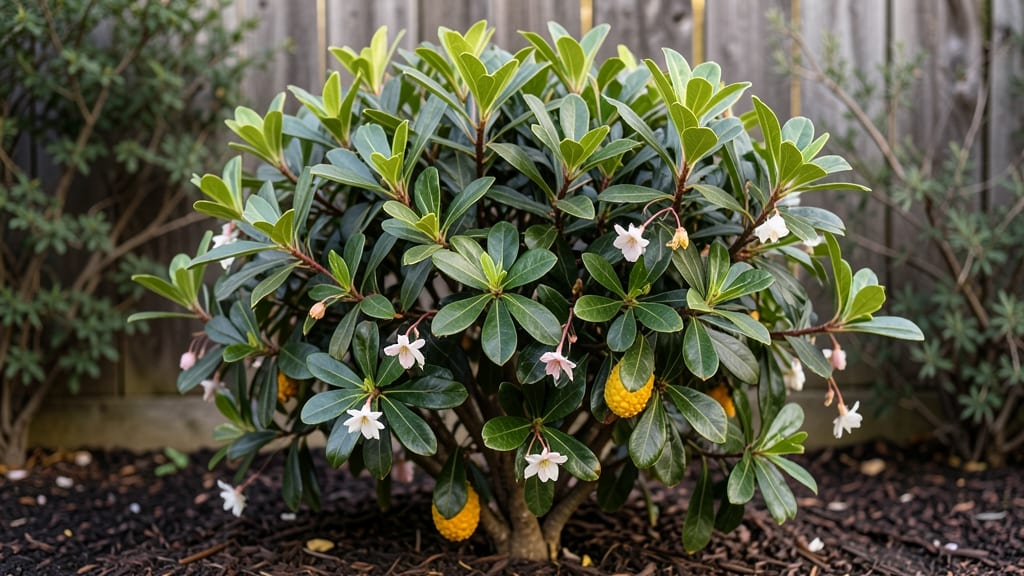
Proper pineapple guava tree care turns your patio star into a lush, fruiting powerhouse—just with the right pruning tricks. 🌱 The key to keeping it compact and fruit-heavy lies in strategic cuts that encourage bushier growth, not just taller branches.
I’ve turned my once-wild, leggy tree into a tidy, productive shrub by focusing on three simple pruning rules that work for both dwarf and standard varieties.
This tropical beauty thrives in warm climates but adapts surprisingly well to containers, making it perfect for small spaces. The real magic happens when you prune after harvest: snip back overgrown branches by a third, and you’ll trigger a flush of new growth—plus more fruit next season.
No fancy tools needed, just sharp shears and a clear vision for the shape you want.
What you’ll end up with is a tree that stays under 6 feet tall, produces bright yellow fruit year-round in the right climate, and looks stunning year after year.
The scent of its flowers alone makes it worth growing, but the sweet-tart fruit? That’s the real reward. Ready to transform your tree’s shape and boost its harvest?
Works for both in-ground and container-grown trees, and the same principles apply whether you’re in USDA zones 9-11 or a cooler microclimate with winter protection. Let’s get those shears ready—your tree’s next best look starts now.
📚 In This Guide
- What you need
- Instructions
- Tips and common mistakes
- Wrapping up and next steps
What you need
- ○ Pineapple guava tree: Dwarf variety (e.g., ‘Compacta’ or ‘Mini Pineapple Guava’) or a young sapling (3–5 ft tall). Optional: Grafted trees for faster fruiting.
- ● Well-draining soil mix: 60% potting soil, 30% perlite/pumice, and 10% compost. For containers: Add 10% coconut coir for moisture retention.
- ● Container (if potted): 15–20 gallon pot with drainage holes. Size up: 1–2 inches larger in diameter than the root ball.
- ● Pruning tools: Bypass pruners (for small branches, <1-inch diameter)
- ● Loppers (for thicker branches, 1–2 inches)
- ● Sterilized saw (for stubborn branches, >2 inches)
- ● Pruning sealant: Tree wound paint or beeswax (to prevent disease on cut surfaces).
- ● Support stakes: 3–4 bamboo stakes (for young trees) or a small tomato cage (for dwarf varieties).
- ● Slow-release fertilizer (10-10-10 or citrus-specific blend) for nutrient boosts.
- ● Mulch (wood chips or straw) to retain moisture and suppress weeds.
- ● Garden hose with adjustable nozzle or watering can (for gentle hydration).
- ● Gloves and long sleeves (pineapple guava thorns are sharp!).
- ● Sunlight meter or app (to track light exposure for dwarf varieties).
Step-by-Step guide for pruning your pineapple guava tree
Here's how to keep your compact pineapple guava tree thriving with simple, effective pruning.
🌿 Step 1: Identify and Remove Dead or Diseased Wood
Start by inspecting your tree for any branches that are brown, brittle, or showing signs of disease. These are easy to spot—they'll look dry and dead compared to the vibrant green growth. Use clean, sharp pruners to make a clean cut just outside the branch collar, where the branch meets the trunk. This ensures the tree heals properly and prevents infection.
I always work from the bottom up, removing any dead wood first. This keeps the tree's energy focused on healthy growth rather than struggling with decay. If you're unsure whether a branch is dead, scratch the bark with your fingernail—if it's green underneath, it's still alive and should stay.
✂️ Step 2: Shape the Canopy for Compact Growth
Pineapple guava trees naturally grow bushy, but they can become too leggy if not pruned regularly. Focus on opening up the center of the tree by cutting back any inward-growing branches that cross or rub against each other. This improves airflow and sunlight penetration, which is key for fruit production. Aim to create a rounded shape rather than a tall, narrow silhouette.
For dwarf varieties, I like to keep the height manageable by trimming back any branches that grow taller than 3-4 feet. This encourages the tree to branch out horizontally, making it easier to harvest fruit and maintain. Always cut just above a leaf node or bud—this is where new growth will sprout from.
🌱 Step 3: Encourage Fruit Production with Strategic Cuts
The goal with pineapple guava trees is to stimulate fruiting, and the best way to do this is by pruning back some of the new growth. After the tree flowers, look for branches that have set fruit and cut back any overly vigorous shoots growing near them. This redirects the tree’s energy toward ripening the fruit rather than producing more leaves.
I also make a point to trim back any "water sprouts"—those fast-growing, vertical shoots that pop up in the center of the tree. These compete with fruit-bearing branches for nutrients. Cut them back to about 6 inches from the main stem, and you’ll see bushier, more productive growth in response.
⏰ Step 4: Time Your Pruning for Best Results
Prune your pineapple guava tree in late winter or early spring, just as new growth begins to appear. This timing gives the tree plenty of time to recover and set fruit before the next growing season. Avoid heavy pruning in fall, as this can stimulate new growth that won’t harden off before winter.
If you notice your tree looking a little unruly mid-season, you can do light maintenance pruning to shape it up. Just avoid cutting back more than one-third of the tree’s foliage at once—this can stress the plant and reduce fruit production. A little regular attention goes a long way with pineapple guava trees.
Tips & tricks for perfect pineapple guava tree pruning
A few simple tricks will help you prune your pineapple guava tree like a pro—keeping it compact and bursting with fruit.
Tool Prep: Sterilize your pruners with rubbing alcohol before you start. Clean tools prevent spreading disease between cuts, which is especially important when working with fruit-bearing trees. I always wipe them down between each cut to keep everything sanitary—this small step makes a huge difference in tree health over time.
Step 2 Visual Guide: When shaping your canopy in Step 2, imagine looking at your tree from above. The goal is to create an open center that resembles a donut shape—this lets sunlight penetrate all the way to the trunk. For dwarf varieties, focus on branches growing taller than 3-4 feet and cut them back to just above a leaf node. This encourages bushier growth that stays within your desired height.
Fruit-Focused Pruning: After your tree flowers, prioritize branches that already have fruit set. Cut back any overly vigorous shoots growing near these fruiting branches—this redirects the tree's energy toward ripening what's already there rather than producing more leaves. I've found that cutting "water sprouts" back to about 6 inches from the main stem gives the best balance between bushiness and fruit production.
Seasonal Timing Tip: Late winter or early spring is ideal for pruning, but if you miss that window, don't panic. You can do light maintenance pruning anytime your tree looks unruly, just avoid removing more than one-third of the foliage at once. This keeps stress levels low while still improving airflow and sunlight exposure.
Pro Tips for Pineapple Guava Tree Care
- A few simple tricks will help you prune your pineapple guava tree like a pro—keeping it compact and bursting with fruit.
- Tool Prep: Sterilize your pruners with rubbing alcohol before you start.
- Step 2 Visual Guide: When shaping your canopy in Step 2, imagine looking at your tree from above.
Frequently asked questions
Got questions about keeping your pineapple guava tree happy and productive?
Here are answers to the most common ones—whether you're troubleshooting, planning, or just curious about this tropical gem!
How often should I prune a pineapple guava tree for compact growth?
Prune your pineapple guava tree lightly 2–3 times a year to encourage bushier growth and fruit production. Focus on removing dead wood, crossing branches, and overgrowth in early spring, summer, and after harvest. Avoid heavy pruning—this tree thrives with minimal shaping!
When is the best time to harvest pineapple guava fruit?
Harvest when fruits are fully colored but still slightly firm (usually 6–9 months after flowering). They won’t ripen off the tree like some fruits, so pick promptly! Use pruning shears to avoid damaging branches. Pro tip: Taste-test a few—sweetness varies by variety!
What pests or diseases should I watch for in my pineapple guava tree?
Common issues include:
- Scale insects (sticky residue on leaves) – Treat with neem oil.
- Root rot (yellowing leaves, mushy stems) – Improve drainage and avoid overwatering.
- Fungal spots (dark patches) – Prune affected areas and apply copper fungicide.
Keep your tree healthy with good airflow and regular inspections!
Can pineapple guava trees survive cold winters?
Native to tropical climates, pineapple guava trees are sensitive to frost (below 30°F/-1°C). In colder zones, grow them in containers or plant near a sunny wall for winter protection. If leaves turn brown, trim damaged foliage in spring—new growth will sprout!
Are there any alternatives to pineapple guava for small spaces?
If you love compact fruit trees, try:
- Dwarf citrus varieties (like ‘Calamondin’ oranges).
- Fig trees (e.g., ‘Little Miss Figgy’).
- Dwarf mangoes (like ‘Cogshall’).
All thrive in containers and offer similar tropical vibes with less fuss!
Wrapping up and next steps
Caring for your pineapple guava tree is all about balance—giving it the right space, light, and gentle pruning to keep it compact yet fruitful. With the right tools, timing, and techniques, you’ll enjoy a lush, dwarf-friendly canopy bursting with sweet, tropical treats. 🌱✨
Ready to transform your pruning game? Start by assessing your tree’s needs today—grab your shears, mark those branches, and watch your pineapple guava thrive! Need a refresher? Revisit our FAQs or dive into seasonal care tips next.