
Planting
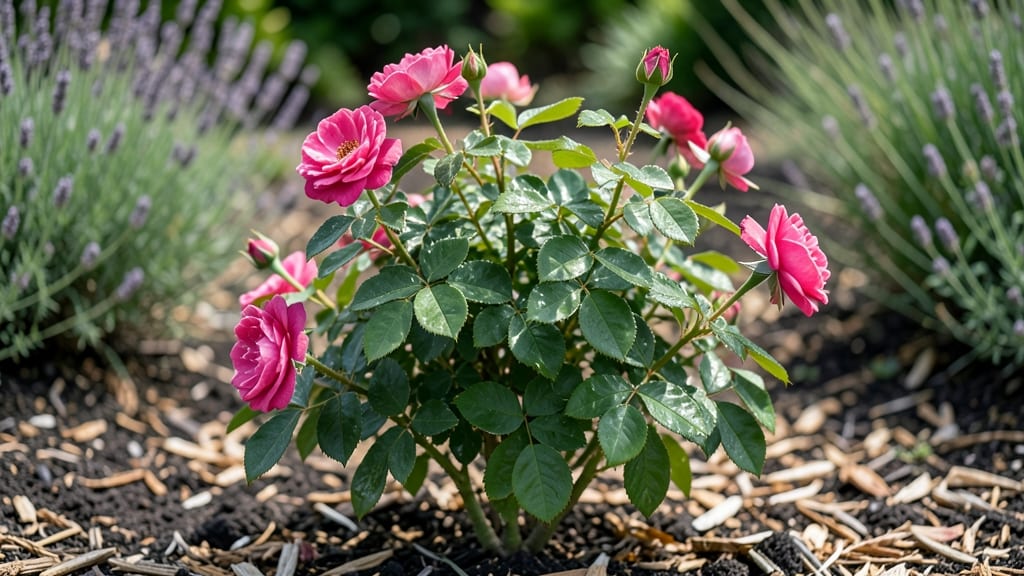
Planting a rose tree in the Pacific Northwest means three years of frost-resistant blooms—and I’ve learned the hard way which varieties actually survive our damp winters. 🌿 The key isn’t just picking the right rose; it’s matching it to your yard’s microclimate, soil, and sunlight.
My first attempt with a flimsy hybrid tea nearly died in its first winter, but switching to a Knock Out® rose changed everything.
You’ll need well-draining soil, a sunny spot (at least 6 hours of light), and a sturdy stake—roses hate being root-bound or waterlogged. The best time to plant here is early spring or fall, when temperatures are mild but not scorching.
I’ve seen gardeners rush planting in late summer, only to watch their roses struggle through the first frost.
Within two years, you’ll see those first bold, repeat blooms—deep pinks, velvety reds, or even fragrant whites—climbing your fence or framing your patio. The secret? Mulching heavily in winter and pruning strategically in early spring.
I’ve watched roses I planted as bare-root cuttings now towering 6 feet tall, their thorns softened by our maritime climate.
This method works for small spaces (dwarf roses) or statement plants (climbing varieties), and it’s foolproof if you avoid the three biggest mistakes: planting too deep, overwatering, or skipping the soil amendment step. Let’s get those roots settled right the first time.
📚 In This Guide
- What you need
- Instructions
- Tips and common mistakes
- Wrapping up and next steps
What you need
- ● Rose plants: Choose frost-hardy varieties like Knock Out® roses, David Austin English roses, or Dr. Huey (zones 5-9). Buy 3-5 plants for a fuller look.
- ● Planting site: A sunny spot (6+ hours of sunlight daily) with well-draining soil. Amend heavy clay soil with compost or peat moss (1-2 bags per plant).
- ● Fertilizer: Balanced rose fertilizer (10-10-10 or 5-10-5 NPK ratio) – 1 lb per plant.
- ● Organic options: Fish emulsion or bone meal (for phosphorus) – ½ cup per plant.
- ● Mulch: 3-4 inches of wood chips or straw to protect roots from frost and retain moisture.
- ● Pruning tools: Bypass pruners (for clean cuts).
- ● Loppers (for thicker stems).
- ● Disinfectant (rubbing alcohol or bleach solution) to sterilize tools.
- ● Support system: 3-4 rose trellises, cages, or stakes (6-8 ft tall) per plant for climbing varieties.
- ● Soil test kit – Check pH (ideal: 6.0-6.5). Adjust with lime (to raise pH) or sulfur (to lower).
- ● Epsom salt (magnesium sulfate) – 1 tbsp per gallon of water for green, healthy foliage (apply monthly).
- ● Rose-specific fungicide (e.g., Neem oil or copper fungicide) to prevent black spot or powdery mildew.
- ● Drip irrigation system – Roses love 1-2 inches of water weekly (more in summer).
- ● Frost cloth – Lightweight fabric to protect young plants during late frosts (zones 7-9).
Step-by-step guide for planting Pacific Northwest frost-resistant roses
Here's how to establish hardy roses that thrive through winter and burst into bloom each spring.
🌱 Step 1: Choose the Right Rose Variety and Planting Site
Select David Austin English roses or Knock Out roses—both excel in the Pacific Northwest's cooler climate. These varieties handle 10-15°F temperatures without damage. Look for bare-root plants in early spring (February-March) or container-grown roses in fall (September-October) for best establishment.
Pick a location with at least 6 hours of direct sun daily, though they tolerate partial shade. Avoid low spots where cold air settles—roses need good air circulation to prevent fungal diseases. Test your soil: Pacific Northwest clay benefits from 2-3 inches of compost mixed into the top 12 inches of soil to improve drainage and fertility.
🪴 Step 2: Prepare the Planting Hole and Amend the Soil
Dig a hole twice as wide as the rose's root ball but no deeper. This encourages roots to spread horizontally rather than settling too deep. If planting bare-root, soak the roots in lukewarm water for 1-2 hours before handling—this prevents transplant shock and revives dormant roots.
Loosen the roots gently if they're circling (a common issue with nursery stock). Mix 2 cups of bone meal and 1 cup of mycorrhizal fungi into the backfill soil. These amendments boost phosphorus for root growth and establish beneficial soil microbes that improve nutrient uptake. The fungi, in particular, help roses thrive in our wet climate by preventing root rot.
☀️ Step 3: Plant and Water for Immediate Establishment
Position the rose so the graft union (the swollen area on the stem) sits 2-3 inches below soil level. This protects it from winter frost heave and ensures strong regrowth in spring. Backfill with amended soil, tamping gently to remove air pockets but not compacting too firmly.
Water deeply right after planting—aim for 1 gallon per plant to settle the soil and eliminate air gaps. Mulch with 3 inches of wood chips, keeping it 6 inches away from the stem to prevent rot. This mulch layer insulates roots in winter and retains moisture during our dry summers. Avoid watering again until the soil feels dry 2 inches down—overwatering at this stage smothers roots.
✂️ Step 4: Prune for Health and Winter Hardiness
Prune new roses immediately after planting to remove damaged or crossing branches. Cut just above an outward-facing bud at a 45-degree angle to encourage upward growth. For bare-root plants, trim any roots longer than 6 inches to focus energy on establishing the root system. This pruning also reduces water loss and prevents disease entry points.
In late fall (November), apply a 3-inch layer of mulch over the root zone. This extra insulation helps roots survive 20°F temperatures, which are common in the PNW. Avoid pruning again until early spring when new growth appears—this ensures the plant enters dormancy with strong energy reserves.
Tips & tricks for planting Pacific Northwest frost-resistant roses
Let me share the hard-won insights that'll help your roses thrive through our famously chilly winters and still burst into glorious bloom.
Varietal Selection Matters: While David Austin English roses and Knock Out roses are your best bets for PNW winters, consider adding Dr. Huey roses for their extra disease resistance. These varieties handle our 10-15°F winters beautifully, but each has slightly different bloom times—Knock Outs give you summer-long flowers while David Austins offer seasonal variety. I always check bloom cycles when planning my garden layout.
Soil Prep is Non-Negotiable: That 2-3 inches of compost mixed into the top 12 inches of soil makes all the difference in our heavy clay. For even better results, add 1 cup of peat moss to the mix—it improves drainage while retaining moisture during our dry summers. The key is creating that perfect balance where roots won't suffocate but also won't dry out.
Root Care During Planting: When soaking bare-root plants for 1-2 hours before planting, use lukewarm water—never hot or cold. I've seen gardeners use ice water by accident, which shocks the roots. After planting, gently pat the soil down rather than stomping it—you want firm but not compacted earth. This creates ideal conditions for root expansion.
Winter Protection Strategy: That extra 3-inch mulch layer in November is your best defense against 20°F temperatures. For added insurance in your first winter, consider wrapping the base of young plants with burlap or rose cones—these create microclimates that can raise soil temperatures by several degrees. Remove them in early spring once new growth appears.
Pro Tips for Plant Rose Tree
- Let me share the hard-won insights that'll help your roses thrive through our famously chilly winters and still burst into glorious bloom.
- Varietal Selection Matters: While David Austin English roses and Knock Out roses are your best bets for PNW winters, consider adding Dr.
- Soil Prep is Non-Negotiable: That 2-3 inches of compost mixed into the top 12 inches of soil makes all the difference in our heavy clay.
Frequently asked questions
How cold can Pacific Northwest rose trees tolerate?
Most frost-resistant rose varieties, like Knock Out® or David Austin English Roses, handle temperatures down to 10–15°F (-12 to -9°C). For extra protection, mulch heavily in winter and avoid late-season pruning. Check your USDA zone (PNW is mostly 6–8) to pick the hardiest cultivar!
Why aren’t my roses blooming after 2 years?
Roses often take 2–3 years to establish and bloom abundantly. Check for:
- Sunlight: 6+ hours daily (PNW shade can delay blooms).
- Pruning: Deadhead spent blooms to encourage new growth.
- Soil: Amend with compost—roses hate soggy or nutrient-poor soil.
Can I grow roses in containers in the PNW?
Dwarf varieties like Fairy® or Bonica® thrive in pots (15+ gallons). Use well-draining soil, a trellis for support, and move containers indoors or under eaves if frost hits below 20°F (-7°C). Overwintering in a garage (unheated) works too!
How do I stop aphids from ruining my roses?
Aphids love tender new growth. Try these organic fixes:
- Spray: Neem oil or insecticidal soap (reapply after rain).
- Attract predators: Ladybugs and lacewings eat aphids—plant marigolds nearby!
- Blast them off: A strong jet of water dislodges pests (best in early morning).
What’s the best time to prune roses in the PNW?
Prune late winter/early spring (Feb–March) when new growth starts. Cut back 1/3 of the stem, removing dead wood and crossing branches. Avoid summer pruning—it stresses the plant. Pro tip: Sterilize tools with rubbing alcohol to prevent disease!
Wrapping up and next steps
Growing a frost-resistant rose tree in the Pacific Northwest is totally doable—with patience, the right care, and a little love! 🌸 You’ve got everything you need to nurture a stunning, hardy bloom that’ll thrive for years, even through chilly winters.
Now that you’re armed with the best practices, it’s time to get your hands dirty and watch your garden transform!
Ready to take the next step? Start by selecting your favorite rose variety and mark your calendar for planting season. Whether you’re a beginner or a seasoned gardener, every bud and leaf you nurture will be a rewarding reminder of your green thumb in action. Happy planting! 🌱