Trees
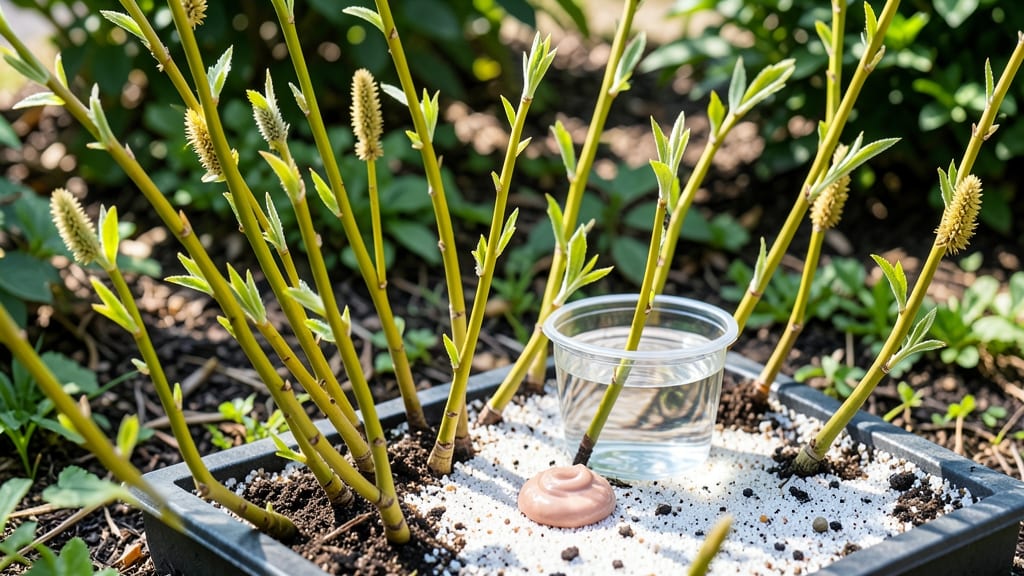
Planting willow trees from cuttings is the easiest way to grow these fast-growing beauties without buying expensive saplings. 🌿 I’ve propagated dozens of willows this way—even my first attempt rooted within weeks—because willows thrive when you let them grow in water first.
The secret lies in timing, sharp cuts, and patience, not fancy equipment.
You’ll need just a few things: 4- to 6-inch willow cuttings (taken in early spring or late fall), clean water, a jar or bucket, and a sunny windowsill or shaded outdoor spot.
The process is simple but requires checking water levels weekly—willows root best in shallow, fresh water. Most cuttings sprout roots in 2 to 4 weeks if kept in bright, indirect light.
Once roots reach 2 to 3 inches, you’ll transplant them into soil, where they’ll shoot up with shocking speed—some grow 3 feet in a single season.
The best part? These trees handle wet soil, making them perfect for ponds or stream edges. Just avoid overcrowding; willows spread fast and need space to shine.
Troubleshooting is easy: yellow leaves mean too much sun, while slow rooting often signals old cuttings. If mold appears, switch the water. With this method, even beginners end up with lush, leafy willows that’ll outgrow expectations—and neighbors’ jealousy—within months.
📚 In This Guide
- What you need
- Instructions
- Tips and common mistakes
- Wrapping up and next steps
What you need
- ● Willow cuttings: 12–18-inch-long, green (softwood) or brown (semi-hardwood) branches from a healthy willow tree. Use pencil-thick stems for best results.
- ● Rooting hormone: A small bottle (e.g., Clonex or Dip ‘N Grow) to boost root growth.
- ● Containers: 6–8 small pots (4–6 inches deep) or a shallow tray with drainage holes. Plastic nursery pots or yogurt cups work great!
- ● Well-draining soil: A mix of 50% perlite and 50% peat moss or coco coir (sterilized and moist).
- ● Water: A spray bottle or small watering can for gentle hydration.
- ● Pruning shears: Sharp, clean shears to make precise cuts.
- ● Plastic wrap or humidity dome: A clear bag or DIY cover to retain moisture.
- ● Fertilizer: A balanced liquid fertilizer (e.g., 10-10-10) for post-rooting care.
- ● Grow lights: If propagating indoors with limited sunlight.
- ● Labels: Small tags to track cutting types (e.g., Weeping Willow vs. Pussy Willow).
- ● Mulch: Straw or wood chips for outdoor planting later.
Step-by-step guide to growing willow trees from cuttings
Here's how to turn simple willow branches into thriving trees—no nursery needed!
🌱 Step 1: Select and Prepare Healthy Cuttings
Choose 4-foot long willow branches from healthy, disease-free trees in late winter or early spring. Look for green, flexible shoots about as thick as a pencil—these root best. Use clean, sharp pruners to make a 45-degree cut just below a leaf node (the bump where leaves attach). This angled cut prevents water from pooling and rotting the stem.
Strip the lower 6 inches of leaves, leaving only the top leaves intact. This reduces water loss and directs energy toward root growth. Place the cuttings in a bucket of room-temperature water immediately after cutting to prevent drying. I like to label each cutting with the date and tree type if you're experimenting with different varieties.
💧 Step 2: Propagate in Water Until Roots Form
Fill a clean glass jar or vase with 2-3 inches of water—enough to submerge the stripped bottom 2 inches. Change the water every 3-4 days to prevent bacterial growth and keep it fresh. Place the jar in bright, indirect light (a sunny windowsill works great). Avoid direct sunlight, which can overheat the water and stress the cuttings.
You'll see tiny white roots emerging from the cut end in about 2-4 weeks, depending on temperature and variety. Once roots reach 1-2 inches long, the cuttings are ready to plant. Here's the thing—don't rush this stage. Patience now means stronger roots later. If the water gets cloudy between changes, add a splash of hydrogen peroxide (1 part peroxide to 10 parts water) to keep it clean.
🪴 Step 3: Plant Cuttings in Moist Soil
Choose a sunny spot with moist, well-draining soil—willows love water but hate soggy roots. Dig holes twice as wide as the root ball and as deep as the cutting. Gently remove the cutting from the water, letting excess moisture drain, then place it in the hole at the same angle it grew naturally. Fill the hole with soil and press firmly to eliminate air pockets.
Water deeply right after planting to settle the soil and encourage root spread. Mulch around the base with 2-3 inches of organic mulch (like wood chips) to retain moisture and regulate soil temperature. Keep the soil consistently moist for the first month, but avoid waterlogging. You'll know you've done it right when new leaves appear within 2-4 weeks—that's your sign the roots have taken hold.
☀️ Step 4: Maintain and Encourage Growth
Willows thrive in full sun, so ensure they get at least 6-8 hours daily. Young trees benefit from weekly deep watering during dry spells, especially in their first growing season. You'll see rapid growth—some varieties can shoot up 3-5 feet in a single season! Prune any dead or crossing branches in early spring to encourage a strong, open structure.
Here's where it gets fun—watch for catkins (those fuzzy flower clusters) in spring, signaling a healthy, mature tree. If you planted multiple cuttings, space them 10-15 feet apart as they grow to give each tree room to develop. Real talk: willows grow fast, so plan for their eventual size. With proper care, your cuttings will become sturdy, shade-providing trees in just a few years.
Tips & tricks for planting willow trees from cuttings
Here's what nobody tells you about turning those willow branches into thriving trees—these tricks make all the difference!
Timing Secret: Late winter or early spring is your golden window for cutting willow branches. The tree's sap is just starting to flow, which means the cuttings will root faster. I've tried this in summer, and while it works, the roots take twice as long to form. If you miss the spring window, fall is your second-best option—just be sure to get the cuttings planted before the first frost.
Root Formation Watch: Those 2-4 weeks until roots appear might feel like forever, but don't peek too often! Every time you check, you risk disturbing the delicate root formation. Instead, place your jar where you'll see it daily—like on your kitchen counter—and watch for the first tiny white tendrils. Once they reach 1-2 inches, you're ready for the next step!
Soil Prep Strategy: Before planting, mix your native soil with a bit of sand (about 20% of the total volume) to improve drainage. Willows love moisture but will rot if their roots sit in soggy soil. I like to add a handful of compost too—this gives your young cuttings a nutrient boost while their roots establish. The key is that "moist" soil should feel like a wrung-out sponge, not a dripping wet rag.
Sunlight Hack: If you don't have a naturally sunny spot, supplement with a simple grow light. Place it about 6 inches above your cuttings for 12-14 hours daily during the rooting phase. I use a basic LED bulb on a timer—it's cheap, energy-efficient, and works wonders. Just avoid direct sunlight, which can overheat the water and stress the cuttings before they're ready for planting.
Pro Tips for Planting Willow Trees From Cuttings
- Here's what nobody tells you about turning those willow branches into thriving trees—these tricks make all the difference!
- Timing Secret: Late winter or early spring is your golden window for cutting willow branches.
- Root Formation Watch: Those 2-4 weeks until roots appear might feel like forever, but don't peek too often!
Frequently asked questions
Got questions about growing willow trees from cuttings? You’re not alone! Here are some of the most common queries—plus straightforward answers to help you succeed.
How long does it take for willow cuttings to root?
With water propagation, most willow cuttings sprout roots in 2–4 weeks, depending on temperature and humidity. Keep them in warm water (around 70°F) and change it every 2–3 days. Once roots reach 2–3 inches, they’re ready for planting in soil!
When is the best time to take willow cuttings?
The ideal window is late winter to early spring (before buds swell) or fall (after leaves drop). Avoid summer heat, which stresses cuttings. For fastest results, aim for dormant season—when the tree’s energy is low but roots can still form.
Can I plant willow cuttings directly in soil instead of water?
Yes! Some gardeners bury cuttings 6–12 inches deep in moist soil during dormancy. However, water propagation gives you visible progress and higher success rates (80%+ vs. 50–70% for soil). If you skip water, keep soil consistently damp and use rooting hormone for a boost.
Why are my willow cuttings rotting or turning mushy?
Overwatering or poor air circulation causes rot. Fix it:
- Use clean, room-temperature water (chlorine-free if possible).
- Change water every 2–3 days to prevent bacteria.
- Trim mushy sections with sterilized scissors and replant in fresh water.
- Add a few drops of hydrogen peroxide (3%) to water to deter fungus.
How do I know if my rooted cutting is ready to transplant?
Your cutting is transplant-ready when:
- Roots are 2–3 inches long (or thicker than a pencil).
- New leaves or buds appear at the top.
- Weather is mild (50–70°F) with no frost risk.
Wrapping up and next steps
Growing willow trees from cuttings is a rewarding and budget-friendly way to expand your green space—no green thumb required! 🌱 With just a few simple steps and a little patience, you can transform a small branch into a thriving tree.
Whether you're restoring a riverside landscape or adding privacy to your yard, willow cuttings offer a fast, natural solution.
Ready to take the next step? Start with healthy cuttings this spring or early summer, and soon you’ll be watching roots sprout like magic. Happy planting—your future willow trees are waiting! 🌿