
Pruning
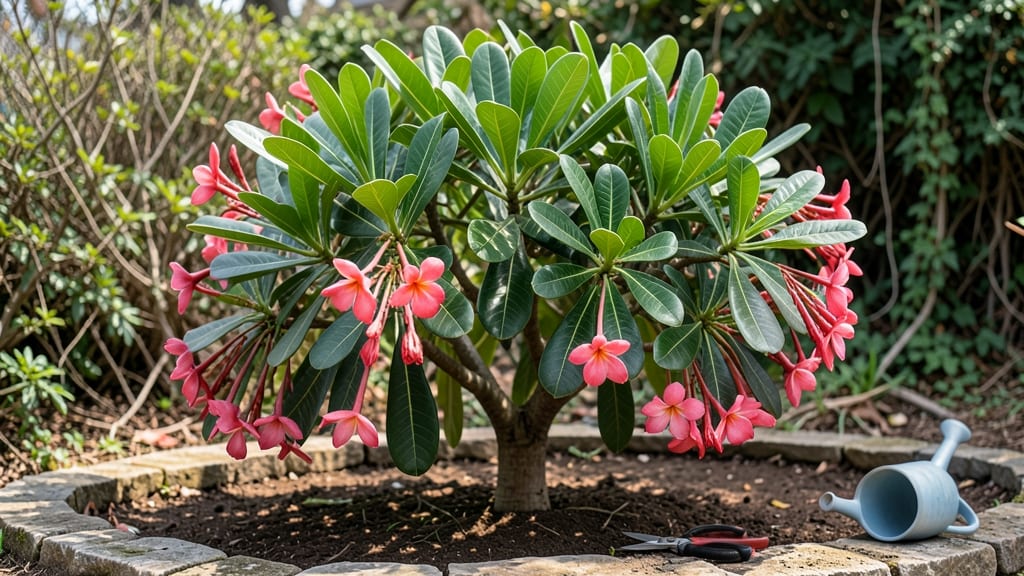
Growing a plumeria tree in Arizona means embracing the desert’s heat instead of fighting it—because these fragrant beauties thrive where most tropical plants wilt. 🌵 I’ve watched mine turn my front yard into a tropical oasis, blooming even in triple-digit temperatures.
The key? Mimicking their native habitat: fast-draining soil, minimal water, and full sun exposure that most plants can’t handle.
Your plumeria will need well-draining cactus/succulent mix (or 50% sand) to prevent root rot, and watering only when the top inch of soil is bone-dry—overwatering is the #1 killer in Arizona’s dry climate.
These trees love heat but hate cold snaps, so move potted varieties indoors before temps drop below 35°F. Prune after flowering to encourage bushier growth, and watch for spider mites, which thrive in our dry air.
By summer, you’ll be rewarded with clusters of creamy-white, pink, or red blooms that perfume the air at dusk. The flowers last for days, and the glossy leaves stay vibrant even when temps soar.
With the right care, your plumeria will become the centerpiece of your desert garden—no green thumb required, just patience and proper watering.
Whether you’re growing in pots for flexibility or planting directly in the ground, Arizona’s climate actually works in your favor. The real secret? Treating your plumeria like the hardy desert native it is. Let’s get yours thriving!
📚 In This Guide
- What you need
- Instructions
- Tips and common mistakes
- Wrapping up and next steps
What you need
- ● Plumeria tree: A healthy, disease-free specimen (choose Plumeria rubra or Plumeria obtusa for Arizona’s climate).
- ● Well-draining potting mix: 50% cactus/succulent mix + 50% perlite or pumice (10–15 gallons, depending on pot size).
- ● Containers: Terracotta pots (1–3 gallons) with drainage holes or raised beds for outdoor planting.
- ● Pruning tools: Bypass pruners (sharp, sterilized)
- ● Loppers (for thicker branches)
- ● Pruning saw (for stubborn growth)
- ● Gloves & safety gear: Heavy-duty gloves, long sleeves, and goggles (plumeria sap can irritate skin).
- ● Fertilizer: Slow-release 8-3-9 or 10-10-10 granular fertilizer (1 tbsp per gallon of soil, applied every 6–8 weeks).
- ● Mulch: 2–3 inches of gravel or bark chips (to retain moisture and regulate temperature).
- ● Rooting hormone: For propagating cuttings (e.g., Clonex or similar).
- ● Drip irrigation system: Low-volume emitters to avoid overwatering.
- ● Shade cloth: 30–50% coverage for young trees during extreme Arizona heat (110°F+).
- ● Pest control: Neem oil or insecticidal soap (for aphids or mealybugs).
- ● Support stakes: For top-heavy trees (bamboo or metal stakes, 3–4 feet tall).
Step-by-step guide to planting and caring for plumerias in Arizona's climate
Here's how I've kept my plumerias thriving through Arizona's brutal summers and mild winters.
🪴 Step 1: Choose the Right Location and Planting Time
Plumerias need full sun—at least 6-8 hours daily—so pick a spot that gets morning sun and afternoon shade if temperatures exceed 100°F. I plant mine in late spring after the last frost, when soil temperatures reach 65°F or warmer. The roots establish faster in warm soil, and the plant avoids transplant shock during heatwaves.
Dig a hole twice as wide as the root ball but only as deep as the container it came in. Plumerias hate having their roots buried too deep—this encourages root rot in Arizona's heavy clay soils. Mix in 1 part compost into the native soil to improve drainage and provide nutrients without overwhelming the plant.
☀️ Step 2: Water Deeply and Establish a Routine
After planting, water deeply once a week for the first month—1-2 gallons per plant—to encourage deep root growth. You'll know you're doing it right when water drains out the bottom of the pot if planted in containers, or when the soil 12 inches down stays moist. Overwatering is the #1 killer of plumerias in Arizona.
Once established, plumerias are drought-tolerant but still need 1 inch of water per week during the growing season. I water mine early in the morning to reduce evaporation and fungal risks. In summer, let the top 2-3 inches of soil dry out between waterings—this mimics the desert's natural rainfall patterns and prevents root rot.
✂️ Step 3: Prune for Shape and Encourage Blooms
Prune plumerias right after flowering in late spring or early summer. Cut back leggy growth by one-third to encourage bushier, more compact growth. I use sterilized pruning shears and make cuts just above a leaf node at a 45-degree angle—this prevents water from pooling and causing rot.
Remove any dead, diseased, or crossing branches to improve airflow. This is especially important in Arizona's humid monsoon season, when fungal diseases can spread quickly. Don’t prune in fall or winter—plumerias need their foliage to photosynthesize and store energy for next year’s blooms.
🌿 Step 4: Protect from Extreme Heat and Frost
When temperatures hit 110°F, move potted plumerias to a shaded area or provide afternoon shade with a lightweight shade cloth. Mulch around the base with 2-3 inches of wood chips to keep roots cool and retain moisture. I’ve seen plumerias wilt dramatically in heatwaves, but they bounce back once temperatures drop.
In winter, plumerias in Arizona can handle light frosts down to 28°F if they’re mature and healthy. Wrap the trunk and branches with burlap or use a frost cloth for extra protection. If a freeze is forecast, water the plant deeply the day before—moist soil insulates roots better than dry soil.
Tips & tricks for perfect plumeria tree care in Arizona
Between us, Arizona’s climate can be brutal for tropical plants—but plumerias thrive here if you know the tricks. Here’s what I’ve learned after keeping mine blooming year after year.
Soil Depth Matters: When planting, resist the urge to bury the root ball too deep—plumerias despise having their roots covered. The hole should match the container depth, not exceed it. I’ve seen root rot ruin perfectly healthy plants because they were planted too deeply in Arizona’s heavy clay. If your soil drains poorly, mix in extra perlite or coarse sand to create air pockets.
Heatwave Survival Strategy: At 110°F, even drought-tolerant plumerias struggle. Move potted plants to shaded areas immediately, and for in-ground plants, create a temporary shade cloth canopy. I’ve seen plants recover from wilting within days when protected from afternoon sun. Water deeply at the base in the early morning—this mimics natural rainfall patterns and prevents fungal issues that thrive in Arizona’s monsoon humidity.
Pruning Precision: The one-third rule for pruning isn’t just about aesthetics—it’s about encouraging bushier growth and more blooms. When you cut back leggy stems right after flowering, you’re signaling the plant to focus energy on new shoots rather than vertical growth. Always use sterilized shears and make angled cuts above leaf nodes to prevent water pooling, which leads to rot in our hot climate.
Winter Prep: Don’t wait until a freeze hits to protect your plumeria. Start wrapping mature trunks with burlap in late fall when temperatures dip below 40°F. I’ve had plumerias survive down to 28°F with this protection, but younger plants need extra care. A deep watering the day before a freeze helps—moist soil insulates roots better than dry soil in cold snaps.
Pro Tips for Plumeria Tree Arizona
- Between us, Arizona’s climate can be brutal for tropical plants—but plumerias thrive here if you know the tricks.
- Soil Depth Matters: When planting, resist the urge to bury the root ball too deep—plumerias despise having their roots covered.
- Heatwave Survival Strategy: At 110°F, even drought-tolerant plumerias struggle.
Frequently asked questions
Got questions about growing plumeria trees in Arizona’s desert climate? You’re not alone!
Here are some of the most common concerns—and their straightforward solutions—to help you keep your tropical beauty thriving year-round.
Can plumeria trees survive Arizona’s extreme heat and cold?
Plumerias are tropical but can handle Arizona’s desert heat with proper care. They thrive in full sun and well-draining soil, but they’re not frost-tolerant. If temps dip below 30°F (-1°C), move potted trees indoors or protect in-ground plants with frost cloth. Most Arizona growers treat them as seasonal outdoor plants or grow them in containers for flexibility.
How often should I water a plumeria tree in Arizona?
Watering depends on your soil and pot size. For in-ground plumerias, water deeply 1-2 times per week during the monsoon season (June–September) and reduce to every 2-3 weeks in winter. Potted trees need more frequent watering (every 5-7 days in summer) but never let them sit in soggy soil—root rot is a common killer. Pro tip: Stick your finger 2 inches into the soil; if it’s dry, it’s time to water!
When and how should I prune my plumeria tree in Arizona?
Prune plumerias right after blooming (late spring/early summer) to encourage new growth and fuller foliage. Use sterilized shears to trim dead or leggy branches back to a leaf node. Avoid heavy pruning in winter, as the tree is semi-dormant. Bonus: Pruned branches can be propagated in water to grow new plants!
What pests should I watch for with plumeria trees in Arizona?
Arizona’s dry heat keeps most pests at bay, but keep an eye out for scale insects, mealybugs, and spider mites. These pests love new growth and can be spotted as sticky residue or tiny webs. Treat infestations with neem oil or insecticidal soap, applied in the early morning or evening to avoid harming beneficial pollinators. Prevention tip: Inspect leaves regularly and remove damaged foliage promptly.
Are there dwarf plumeria varieties that work well in Arizona?
Yes! If space is limited, consider dwarf varieties like ‘Ice Cream Plumeria’ or ‘Maui Magic,’ which stay under 4-6 feet tall. These are perfect for containers and smaller yards. Just ensure they get 6+ hours of direct sun daily—even dwarf plumerias need plenty of light to bloom. Container hack: Use a fast-draining mix (like cactus soil + perlite) to prevent root rot.
Wrapping up and next steps
Growing a plumeria tree in Arizona is a rewarding journey that brings fragrant beauty to your desert landscape! With the right care—well-draining soil, strategic pruning, and smart watering—you’ll enjoy vibrant blooms year-round. Remember, patience and consistency are key, especially in Arizona’s unique climate.
Ready to nurture your plumeria? Start by observing your tree’s growth and adjusting care as needed. Whether you’re a seasoned gardener or a beginner, every trim and watering session brings you closer to a stunning, thriving plumeria. Happy growing! 🌸