Trees
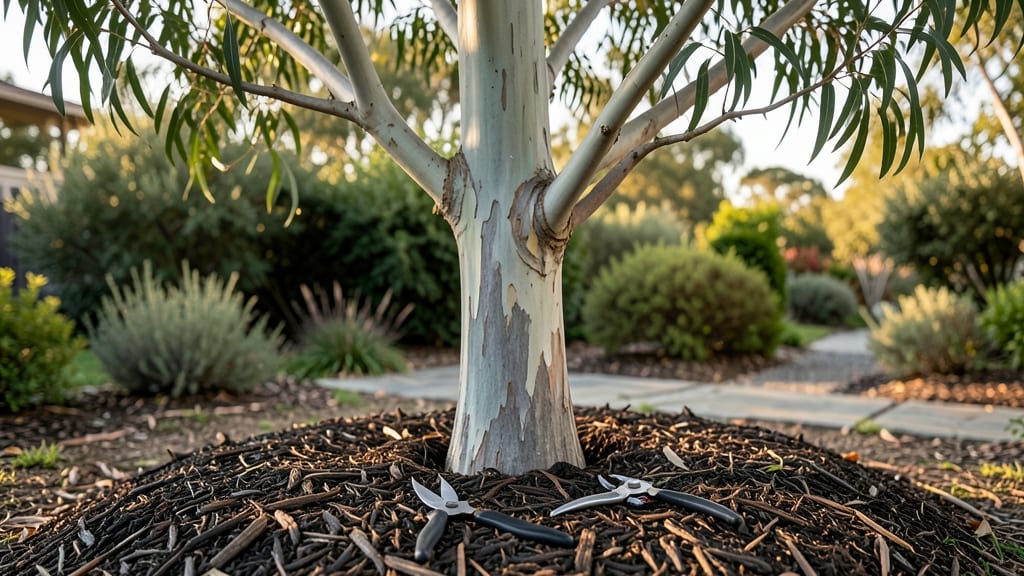
Pollarding eucalyptus trees transforms them from wild, leggy giants into strong, sculpted canopies—and it’s easier than you think. 🌿 I learned this after my first eucalyptus grew so fast it blocked sunlight to my entire backyard, but pollarding brought it back under control while boosting new growth.
The key is timing: do it in late winter or early spring when the tree isn’t actively growing, and you’ll avoid stressing the plant.
You’ll need sharp pruning shears or a saw, safety gloves (that sap is toxic!), and a ladder if your tree is tall. Sterilize your tools between cuts to prevent disease spread—eucalyptus wounds heal slowly, and infections can set in fast.
The goal is to cut just above a bud or branch collar, leaving no stubs, so new shoots grow in the right direction.
After pollarding, expect vigorous regrowth within weeks, with thicker branches that support more foliage. Keep an eye out for stress signs like yellowing leaves or oozing sap, and water deeply if your area is dry.
This method works best on mature trees—young eucalyptus don’t need it yet—but once you start, you’ll wonder why you waited.
The real magic happens over time: a well-pollarded eucalyptus becomes disease-resistant, fire-smart (in dry climates), and a stunning focal point in your landscape. Just avoid pollarding too late in the season—you’ll trigger weak, spindly growth that flops under its own weight.
Stick to the rules, and you’ll have a tree that’s both beautiful and manageable.
📚 In This Guide
- What you need
- Instructions
- Tips and common mistakes
- Wrapping up and next steps
What you need
- ● Pruning saw or loppers – A bypass pruning saw (for thicker branches) or loppers with 20-24" handles (for medium branches).
- ● Sharp pruning shears – For trimming smaller branches and fine-tuning cuts (look for bypass blades for clean cuts).
- ● Safety gear: Heavy-duty work gloves (cut-resistant if possible).
- ● Safety goggles (to protect against debris and sap).
- ● Long sleeves and pants (to prevent scratches from branches or sap).
- ● Ladder or extension pole – A stable, tall ladder (at least 12-15 ft) or a pruning pole with a saw attachment for higher branches.
- ○ Disinfectant (optional but recommended) – A 70% rubbing alcohol or bleach solution (1 part bleach to 9 parts water) to sterilize tools between cuts (prevents disease spread).
- ● Heavy-duty trash bags or tarp – For collecting and disposing of large branches and debris.
- ○ Pollarding saw (optional but helpful) – A curved or straight pollarding saw for clean, precise cuts on thick branches.
- ● Timing – Pollard eucalyptus trees in late winter or early spring (before new growth starts) or summer (after major growth). Avoid pollarding during frost or extreme heat.
- ● Weather conditions – Choose a dry, calm day to minimize sap splatter and ensure safety while working at heights.
- ● Tree health assessment – Inspect the tree for diseases, pests, or dead branches before starting. Remove any damaged wood first.
- ● Local regulations – Check if your area requires permits for tree pruning, especially for large or protected species.
Step-by-step instructions for pollarding eucalyptus trees
Here's how to shape your eucalyptus into a sturdy, productive canopy—safely and effectively.
✂️ Step 1: Choose the Right Time and Identify the Pollard Head
Pollard eucalyptus during late winter to early spring before new growth begins. This timing ensures the tree has energy reserves to support vigorous regrowth. Look for the main trunk and the lateral branches—these form the pollard head, where you'll make your cuts.
I always mark the cut line with a piece of twine or tape about 6-8 feet from the ground. This height creates a strong framework and makes future maintenance easier. Avoid cutting into old, hardened wood—focus on the younger, green shoots just below the canopy's base.
✂️ Step 2: Make the Initial Cut and Shape the Pollard Head
Use a sharp pruning saw or loppers to make a clean, horizontal cut just above a lateral bud or branch. This encourages new growth in the right direction. Cut back to a strong lateral branch that’s at least ½ inch thick—thinner branches won’t support the weight of new foliage.
Remove all branches back to the main trunk or a sturdy lateral branch. Leave 2-3 strong lateral branches to form the new canopy. These will become the tree’s new framework. If you see any dead, diseased, or crossing branches, remove them immediately to prevent future issues.
✂️ Step 3: Thin and Clean Up the Canopy
After the main cuts, step back and assess the tree’s shape. Thin out 25-30% of the remaining foliage to improve airflow and sunlight penetration. Focus on removing smaller, weaker branches first—they compete with stronger growth for resources.
I always clean up the ground beneath the tree by removing all cuttings. Eucalyptus leaves contain oils that can inhibit regrowth if left on the soil. Rake up debris and dispose of it away from the tree’s base. This also prevents pests and diseases from taking hold.
🌿 Step 4: Monitor and Maintain Regrowth
Within 4-6 weeks, you’ll see new shoots emerging from the pollard head. These will grow rapidly, so keep an eye on them. If any shoot grows too aggressively in an unwanted direction, prune it back early to redirect energy to the main branches.
Water the tree deeply after pollarding to help it recover. Eucalyptus trees are drought-tolerant, but new growth needs consistent moisture. Mulch the base with 2-3 inches of organic mulch to retain moisture and protect the roots. Avoid piling mulch against the trunk—keep it 6 inches away to prevent rot.
⏰ Step 5: Schedule Year-Round Follow-Up Pruning
Lightly trim any overly aggressive shoots throughout the growing season to maintain the tree’s shape. In late summer, give the tree a final check—remove any dead wood, weak growth, or branches that are growing inward. This keeps the canopy open and healthy.
Pollarding isn’t a one-time job. Plan to repeat the process every 2-3 years to maintain the tree’s strength and structure. Over time, your eucalyptus will develop a dense, sturdy canopy that’s resistant to wind and disease. Real talk: the first few years might feel like a lot of work, but the long-term payoff is worth it.
Tips & tricks for pollarding eucalyptus trees
Here's what nobody tells you about pollarding—these tricks will save you time and keep your eucalyptus thriving.
Timing is Everything: Late winter to early spring is the perfect window because eucalyptus stores energy during summer and fall. If you miss this timing, you risk stressing the tree—new growth needs those reserves to recover. I've seen trees struggle when pollarded in summer heat, so mark your calendar now!
The Height Factor: That 6-8 foot mark isn't arbitrary—it creates the ideal balance between strength and manageability. Taller cuts make future pruning harder, while lower cuts can weaken the trunk. I always use a laser level to double-check my mark before making any cuts. Trust me, a few extra minutes now prevents headaches later.
Branch Selection Matters: When choosing those 2-3 strong lateral branches to keep, look for ones growing at a slight upward angle—they'll become your tree's new framework. Thinner branches (under ½ inch) will snap under new foliage weight. I've learned this the hard way after watching weaker branches break during storms.
Cleanup Prevents Problems: Those eucalyptus leaves contain oils that actually inhibit regrowth if left on the soil. Rake up all debris and dispose of it away from the base—this simple step prevents fungal growth and pest infestations. I keep a wheelbarrow handy to haul away larger branches immediately after pruning.
Pro Tips for Pollarding Eucalyptus Trees
- Here's what nobody tells you about pollarding—these tricks will save you time and keep your eucalyptus thriving.
- Timing is Everything: Late winter to early spring is the perfect window because eucalyptus stores energy during summer and fall.
- The Height Factor: That 6-8 foot mark isn't arbitrary—it creates the ideal balance between strength and manageability.
Frequently asked questions
Got questions about pollarding eucalyptus trees?
You’re not alone! Here are the most common concerns—plus clear answers to help you get started with confidence.
What’s the best time of year to pollard eucalyptus trees?
Pollard eucalyptus trees anytime they’re dormant (late fall to early spring) for best results. However, year-round pollarding is possible if you’re managing growth aggressively—just avoid extreme heat or frost. Late winter (before new buds sprout) is ideal for minimal stress.
How often should I pollard eucalyptus trees?
For year-round pruning, aim to pollard every 3–6 months to maintain shape and encourage dense foliage. Younger trees may need more frequent trims (every 2–3 months), while mature trees can handle longer intervals. Always remove no more than 1/3 of the canopy per session to avoid shock.
What if my eucalyptus tree looks stressed after pollarding?
Stress is normal! If leaves yellow or growth slows, you’re overdoing it. Troubleshoot:
- Reduce pruning frequency (wait 4–6 weeks before trimming again).
- Water deeply after pruning to support recovery.
- Avoid fertilizing immediately—let the tree focus on regrowth.
Can I use regular pruning shears instead of a saw for pollarding?
Nope! Pollarding requires clean cuts at the branch collar—shears can’t handle thick eucalyptus branches. Use a pruning saw or loppers for branches over 2 inches thick. For safety, wear gloves and eye protection; eucalyptus sap can irritate skin.
Are there alternatives to pollarding for shaping eucalyptus?
Yes! Try these low-maintenance options:
- Crown thinning: Remove select inner branches to improve airflow (less aggressive than pollarding).
- Selective pruning: Trim only overgrown or dead branches for a natural look.
- Espalier training: Guide growth along a structure (great for small spaces!).
Wrapping up and next steps
Pollarding eucalyptus trees is a rewarding practice that boosts canopy health, encourages vibrant regrowth, and strengthens your tree’s resilience—all while keeping it lush year-round. Whether you’re a seasoned gardener or just starting, mastering this technique ensures your trees thrive for decades. 🌿
Ready to give it a try? Start small with one tree, gather your tools, and follow the steps with confidence. Your eucalyptus will thank you with stunning, sun-drenched foliage and a sturdy structure. Happy pruning!