
Pruning
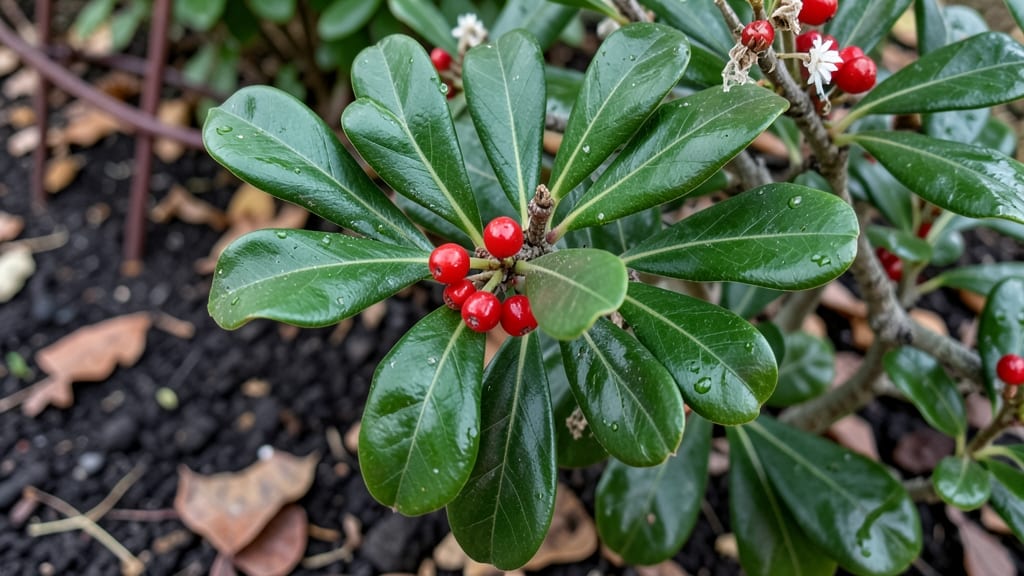
Your privacy screen just got an upgrade with the possumhaw holly tree—this evergreen beauty thrives year-round with minimal fuss. 🌿 I planted mine last fall, and within two seasons, it formed a lush, dense barrier that blocks nosy neighbors while attracting birds with its bright red berries.
Unlike finicky holly varieties, possumhaw handles drought, poor soil, and even urban grit with surprising grace. It’s the perfect low-maintenance solution for fences, hedges, or standalone screens, growing 6-12 feet tall depending on pruning. The key? Pruning isn’t just seasonal—it’s a year-round habit to keep it compact and full.
You’ll end up with a screen that stays green through winter, produces berries for wildlife, and requires less trimming than most holly types. The foliage stays glossy, the branches fill in naturally, and you avoid the messy cleanup of shed leaves common in deciduous plants.
Works equally well in sunny yards or dappled shade, and it tolerates coastal conditions better than many holly relatives. Whether you’re replacing an old fence or adding height to a border, this tree delivers privacy with personality—and the birds will thank you too.
📚 In This Guide
- What you need
- Instructions
- Tips and common mistakes
- Wrapping up and next steps
What you need
- ● Pruning shears: Bypass pruners (sharp, 6- to 8-inch blades) for small branches (1/4-inch diameter or less).
- ● Loppers: 18- to 24-inch bypass loppers for medium branches (up to 2-inch diameter).
- ● Pruning saw: Curved-tooth handsaw or folding pruning saw for thick branches (2+ inches).
- ● Gloves: Heavy-duty, cut-resistant gloves (e.g., leather or reinforced fabric) to protect from thorns and sharp edges.
- ● Ladder or step stool: Sturdy, extendable ladder (20+ feet if needed) or a tall step stool for hard-to-reach branches. Safety first!
- ● Disinfectant: 70% isopropyl alcohol or a 10% bleach solution (1 part bleach to 9 parts water) to sterilize tools between cuts and prevent disease.
- ● Heavy-duty trash bags: 30+ gallon bags for collecting pruned branches and debris.
- ● Rake or leaf blower: For clearing fallen leaves/debris from the base of the tree.
- ● Pole pruner: Extendable pruner (10+ feet) for high branches without a ladder.
- ○ Pruning sealant: Wound dressing (e.g., tree paint or pruning seal) for large cuts (optional; research shows mixed benefits for hollies).
- ● Work gloves with wrist support: For added comfort during long pruning sessions.
- ● Safety glasses: To shield eyes from debris or sap splashes.
- ● Notebook & pen: To jot down pruning notes or sketch a quick map of the tree’s structure.
- ● Check local regulations: Confirm if your area requires permits for pruning large trees or hedges.
- ● Weather window: Plan for a dry, mild day (avoid pruning during extreme heat, cold, or rain).
- ● Tree health assessment: Inspect the possumhaw holly for signs of disease (e.g., spots, wilting) or pests before pruning.
Year-round pruning guide for possumhaw holly trees
Here’s how to keep your evergreen privacy screen thick and healthy all year.
✂️ Step 1: Late Winter Pruning for Shape and Airflow
After the last frost but before new growth begins—typically February to early March—is the best time to prune. This timing prevents stressing the tree when it’s still dormant but ready to rebound. Focus on removing dead, diseased, or crossing branches first. Use clean, sharp pruning shears to make cuts just outside the branch collar, where the branch meets the trunk.
Look for branches growing inward or rubbing against others. These create weak points and invite pests. Cut them back to a healthy outward-facing bud. If a branch is larger than ½ inch in diameter, use loppers or a pruning saw instead. Avoid heavy pruning now—stick to light shaping to encourage dense foliage for your privacy screen.
☀️ Step 2: Light Summer Maintenance for Foliage Density
During June and July, when the tree is actively growing, do a quick check for any overly leggy growth or branches that spoil the symmetry. Possumhaw holly thrives when pruned lightly in summer, so only remove no more than 10-15% of the foliage at a time. This prevents shock and keeps the tree lush.
Use hand pruners to trim back the tips of branches that stretch too far. This encourages bushier growth lower down, which is key for a full privacy screen. Avoid cutting into old wood—new growth is what you want to stimulate. If you notice any yellowing leaves, it’s a sign of overwatering or poor drainage, not pruning issues.
⏰ Step 3: Fall Cleanup for Winter Readiness
In October or November, before the first hard frost, do a final pruning pass to remove any weak, damaged, or overly long branches. This helps the tree prepare for winter by reducing stress. Focus on thinning out the center of the tree to improve airflow—this prevents fungal diseases that thrive in damp, crowded foliage.
Possumhaw holly is evergreen, so it doesn’t need heavy pruning to shed winter damage. However, if you see brown, crispy leaves from winter burn, trim them back to fresh green growth. Avoid pruning after mid-November, as new growth stimulated too late in the season won’t harden off before cold snaps.
🌱 Step 4: Minimal Touch-Ups in Early Spring
If you missed any pruning in late winter or notice new growth that’s uneven, do a quick touch-up in early April. This is just for tidying up—no major structural cuts. Possumhaw holly responds well to light pruning, so keep it simple. Remove any suckers or water sprouts (fast-growing, weak shoots) that pop up at the base or along branches.
Here’s the thing—possessive holly trees are forgiving. If you skip a season, don’t stress. Just focus on removing dead wood and shaping lightly each year. Over time, your privacy screen will stay dense and vibrant, with deep green foliage year-round and those classic red berries in winter for extra color.
Tips & tricks for pruning possumhaw holly trees
Your possumhaw holly's health and beauty depend on timing and technique—here's how to get it right every season.
Timing is Everything: The February-to-early-March window for Step 1 pruning is non-negotiable. Check your local frost dates, but remember: you want the tree dormant but not yet showing signs of new growth. I've seen trees stressed when pruned too early—wait until those first buds are just starting to swell. For late winter pruning, focus on removing only what's absolutely necessary to maintain shape, as this encourages the tree to put energy into dense foliage growth later in the year.
The Branch Collar Rule: When making cuts in Step 1, always target the branch collar—the swollen area where the branch meets the trunk. This is where the tree's natural healing begins. I learned this the hard way after making cuts too close to the trunk, which left ugly scars and made the tree more susceptible to disease. For branches larger than ½ inch, use loppers or a pruning saw to avoid tearing the bark, which can introduce infections.
Summer Pruning Secrets: During June and July's light maintenance (Step 2), resist the urge to remove more than 10-15% of foliage at once. This might seem counterintuitive when you're looking at those leggy branches, but heavy pruning stresses the tree and can lead to sparse growth. Instead, focus on selective trimming of branch tips to encourage bushier growth lower down. The key is to stimulate new growth where you want it—near the base and inner branches—for that lush privacy screen effect.
Winter Burn Rescue: If you notice brown, crispy leaves during fall cleanup (Step 3), don't panic—this is often winter burn. Simply trim back to fresh green growth, and the tree will recover beautifully. The critical deadline here is mid-November: any new growth stimulated after this point won't have time to harden off before winter's first freeze. I've seen too many gardeners over-prune in late fall, only to have their trees look ragged all winter.
Pro Tips for Possum Haw Holly Tree
- Your possumhaw holly's health and beauty depend on timing and technique—here's how to get it right every season.
- Timing is Everything: The February-to-early-March window for Step 1 pruning is non-negotiable.
- The Branch Collar Rule: When making cuts in Step 1, always target the branch collar—the swollen area where the branch meets the trunk.
Frequently asked questions
Got questions about keeping your possumhaw holly (Ilex decidua) looking lush and healthy year-round? Here are some of the most common queries—plus quick answers to help you prune like a pro!
When is the best time to prune possumhaw holly for year-round privacy?
Prune your possumhaw holly in late winter or early spring (February–March) before new growth begins. This timing ensures you shape the tree without stressing it during extreme cold or flowering season. Light trimming to remove dead branches can happen anytime, but avoid heavy cuts in summer or fall.
Can I prune possumhaw holly in winter? Will it survive the cold?
Yes! Possumhaw holly is cold-hardy (USDA Zones 6–9), so winter pruning is safe—just avoid extreme freezes. If temps drop below 10°F (-12°C), wait until late winter. Use sharp tools to minimize damage, and prune on warmer days (above 40°F/4°C) to reduce shock.
How much can I trim back a possumhaw holly without harming it?
You can safely remove up to 1/3 of the tree’s foliage in one session, but avoid over-pruning. For dense privacy screens, aim for 10–20% annual reduction to maintain shape and health. Focus on thinning out crowded branches to improve airflow and sunlight penetration.
What should I do if my possumhaw holly isn’t growing after pruning?
If growth stalls, check for over-pruning, poor soil, or pests. Fertilize with acidic, slow-release granules in early spring, and water deeply during dry spells. Yellowing leaves may signal iron deficiency—test soil pH (ideal: 5.0–6.5) and amend with sulfur if needed.
Are there alternatives to possumhaw holly for fast-growing privacy screens?
If possumhaw’s growth rate (1–2 ft/year) is too slow, consider American holly (Ilex opaca) (faster but prickly) or leucothoe (Daphne laureola) (evergreen, shade-tolerant). For non-holly options, try eastern red cedar (Juniperus virginiana) or emerald green arborvitae (Thuja occidentalis).
Wrapping up and next steps
With the right tools, timing, and techniques, your possumhaw holly tree can become a lush, year-round privacy screen that thrives for decades. Remember, consistency is key—whether you're shaping young saplings or maintaining mature growth, a little effort now saves big headaches later. 🌿
Ready to transform your outdoor space? Start small—pick one section of your holly hedge this weekend and practice your cuts. Before you know it, you’ll have a stunning, dense screen that’s the envy of the neighborhood! 🌟