Pruning
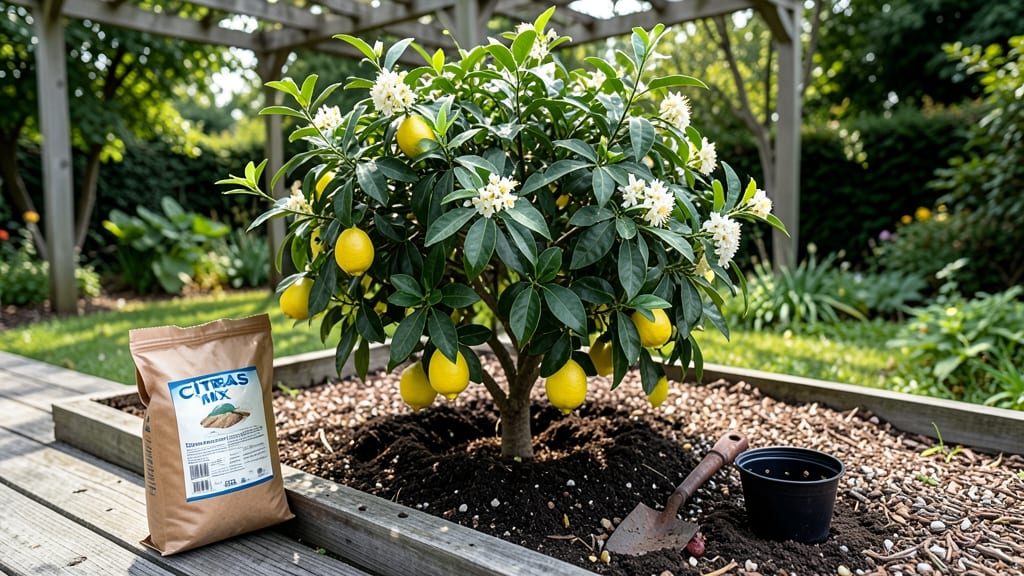
The right potting soil for lime tree—light, gritty, and well-draining—is the secret to keeping your citrus thriving in the Pacific Northwest’s soggy winters. in its pot. I’ve perfected a blend that keeps roots happy while preventing soggy soil, and it’s easier than you’d think to recreate.
Start with 50% potting soil, then add 30% perlite or coarse sand for that gritty texture lime trees crave. The remaining 20% goes to organic matter—compost or coconut coir—plus a handful of lime or dolomite to nudge the pH toward 6.0 to 7.0.
This isn’t just about drainage; it’s about replicating the loose, airy soil where lime trees grow wild.
What you’ll end up with is a pot mix that stays light and fluffy, letting excess water escape while holding just enough moisture for thirsty citrus roots. No more yellowing leaves or root rot—just steady, vibrant green growth that keeps producing fruit year after year.
The best part? This blend works for both container-grown trees and in-ground plantings in heavy clay soils.
Fair warning: Skimping on perlite or using garden soil straight from the yard will backfire fast. But once you’ve got this mix dialed, your lime tree will reward you with shiny leaves, fragrant blossoms, and actual fruit—even in our wet climate.
Let’s get your tree’s roots into the right home.
📚 In This Guide
- What you need
- Instructions
- Tips and common mistakes
- Wrapping up and next steps
What you need
- ● Base Soil: 50% well-draining potting mix (e.g., Miracle-Gro Potting Mix or FoxFarm Ocean Forest—10 gallons total).
- ● Amendments for Drainage: 25% perlite or pumice (PNW-friendly!) (2.5 gallons).
- ● 25% coarse sand or orchid bark (2.5 gallons).
- ● Organic Matter: 1 cup of worm castings or compost (boosts nutrients!).
- ● Drainage Layer (Critical!): 2–3 inches of gravel or crushed lava rock (prevents root rot).
- ● Large 5-gallon bucket or wheelbarrow for mixing.
- ● Garden gloves (PNW soil can be gritty!).
- ● Small hand trowel or spade for layering.
- ○ Optional: Soil pH tester (aim for 6.0–7.0 for lime trees).
- ● Choose a pot with drainage holes (at least 12–18 inches deep for mature trees).
- ● Ensure your lime tree is dormant or freshly transplanted (avoid mid-summer repotting!).
- ● Pro Tip: 💡 If your PNW soil is clay-heavy, add an extra 10% coconut coir to improve aeration!
Step-by-Step guide to crafting the perfect potting mix for lime trees
This blend keeps roots healthy in the Pacific Northwest’s damp climate.
Combine Base Materials for Optimal Structure
Start with 50% premium potting mix—this provides the foundational organic matter lime trees need for nutrient uptake. I always use a high-quality, peat-based mix to ensure good aeration while retaining moisture without becoming waterlogged. The Pacific Northwest’s humidity means drainage is critical, so the potting mix alone won’t cut it.
Next, add 30% perlite—this lightweight volcanic rock prevents compaction and improves airflow to the roots. Perlite also helps regulate moisture, which is essential for lime trees that dislike soggy conditions. Sift it into the potting mix gently to distribute it evenly without creating clumps. If you’re working with multiple pots, measure out 1 part perlite to 1.5 parts potting mix for consistency.
Incorporate Sand for Enhanced Drainage
Add 20% coarse horticultural sand to the blend—this is the secret to preventing root rot in lime trees. The sand creates larger air pockets, allowing excess water to drain quickly while still retaining enough moisture for the tree’s needs. I recommend using sharp sand (not playground sand) because it won’t compact over time. Mix it in thoroughly, breaking up any clumps with your hands or a small trowel.
Here’s the thing—lime trees are sensitive to salt buildup, so avoid using sand that’s been treated with chemicals. If you’re unsure, rinse the sand before adding it to the mix. The final texture should feel loose and crumbly, almost like wet sand at the beach but with a slightly gritty consistency.
Adjust pH and Add Nutrients
Lime trees thrive in slightly acidic to neutral soil, so test your blend’s pH before planting. If it’s too alkaline (common in Pacific Northwest soils), add 1 tablespoon of elemental sulfur per gallon of mix to lower the pH to 6.0–7.0. Mix it in well, as sulfur takes time to adjust the soil chemistry. You’ll know it’s working when the mix smells faintly of sulfur—don’t worry, it’s harmless once balanced.
For nutrients, incorporate 1 cup of slow-release organic fertilizer (like fish bone meal or worm castings) per 4 gallons of mix. This ensures the tree has a steady supply of nitrogen, phosphorus, and potassium without the risk of burning roots from synthetic fertilizers. Spread the fertilizer evenly and stir it into the blend until fully incorporated.
Test Moisture Retention and Drainage
Fill a small container with your blended mix and water it thoroughly. Let it drain completely, then squeeze a handful—it should hold moisture without dripping. If water pools at the bottom, add more perlite or sand to improve drainage. The ideal mix should feel damp but not soggy, with no standing water after 10 minutes. This test mimics real-world conditions and helps you adjust before committing to larger batches.
Real talk: If you’re mixing for multiple lime trees, divide the blend into 4-gallon batches to maintain consistency. Label each batch with the date and composition—this saves time if you need to troubleshoot later. Once satisfied, your mix is ready for planting, and your lime tree will thank you with stronger roots and healthier growth.
Tips & tricks for perfect lime tree soil blends
Creating the ideal mix for lime trees isn’t just about combining ingredients—it’s about understanding how each component works together to mimic their natural growing conditions. Here’s how to elevate your blend beyond the basics.
Texture is Everything: The 50% potting mix to 30% perlite to 20% sand ratio isn’t arbitrary—it’s designed to replicate the airy, well-draining conditions lime trees crave in their native Mediterranean climates. When mixing in Step 1, use a large, shallow container and work in small batches. This prevents over-compaction from stirring too vigorously, which can destroy the delicate air pockets you’re trying to create. Think of it like making a perfect cake batter: gentle folding preserves structure.
Sand Selection Matters: In Step 2, the instructions emphasize using sharp horticultural sand, but here’s what nobody tells you—coarse sand (with particles larger than 0.5mm) works even better for lime trees. The larger particles create bigger drainage channels while still holding moisture near the roots. If you’re unsure about your sand’s quality, do this quick test: Sprinkle a small amount on a dark surface. If it spreads easily and doesn’t clump, it’s ready to use.
pH Testing Shortcut: Testing your blend’s pH before planting is crucial, but many gardeners skip this step because they assume their local soil is fine. Here’s a pro move: Use a simple DIY test by mixing 1 part blend with 2 parts distilled water, then use red cabbage juice (a natural pH indicator) instead of expensive test kits. Purple juice turning blue-green confirms the ideal 6.0–7.0 range for lime trees. This method costs pennies and gives you instant feedback.
Batch Consistency Hack: When dividing into 4-gallon batches in Step 4, label each container with three pieces of information: the date, the lime tree’s name (if you have multiple), and the word “Top” or “Bottom” based on where you’ll use it. The top layers dry faster and need more perlite, while bottom layers benefit from slightly more sand. This simple labeling system prevents mix-ups when repotting or troubleshooting later.
Pro Tips for Potting Soil For Lime Tree
- Creating the ideal mix for lime trees isn’t just about combining ingredients—it’s about understanding how each component works together to mimic their natural growing conditions.
- Texture is Everything: The 50% potting mix to 30% perlite to 20% sand ratio isn’t arbitrary—it’s designed to replicate the airy, well-draining conditions lime trees crave in their native Mediterranean climates.
- Sand Selection Matters: In Step 2, the instructions emphasize using sharp horticultural sand, but here’s what nobody tells you—coarse sand (with particles larger than 0.5mm) works even better for lime trees.
Frequently asked questions
Got questions about the perfect potting mix for your lime tree? You’re not alone! Here are answers to the most common concerns—whether you're a first-time grower or troubleshooting an established tree.
What’s the best potting soil mix ratio for a lime tree?
A well-draining blend is key! Aim for 60% organic matter (like coconut coir or peat moss), 20% perlite or pumice (for aeration), and 20% compost or worm castings for nutrients. Avoid heavy clay soils—they cause root rot. For PNW climates, add sand (10%) to prevent compaction.
How often should I repot my lime tree?
Repot young lime trees every 1–2 years in spring, while mature trees need repotting every 3–4 years or when roots circle the pot. Signs it’s time: roots growing out of drainage holes or soil drying out too fast. Use a pot 2–3 inches larger in diameter each time to avoid stress.
Can I reuse old potting soil for my lime tree?
Reusing soil isn’t recommended—it depletes nutrients and harbors pests/diseases. Instead, refresh 50% of the mix with new potting soil or compost. Sterilize reused soil by baking it at 200°F (93°C) for 30 minutes to kill pathogens. Pro tip: Add mycorrhizal fungi to boost root health!
Why are my lime tree’s leaves turning yellow?
Yellow leaves often signal overwatering, nutrient deficiency, or poor drainage. Check for:
- Root rot: Let soil dry between waterings; ensure the pot has drainage holes.
- Iron deficiency: Lime trees love acidic soil (pH 6.0–7.0). Add chelated iron or sulfur to lower pH if needed.
- Over-fertilizing: Flush soil with water if leaves burn.
Does a lime tree need special soil for the Pacific Northwest’s rainy climate?
Yes! PNW’s high humidity and acidic rain can leach nutrients and compact soil. Use a fast-draining blend with:
- Chunks of orchid bark (for aeration).
- A thick layer of gravel at the pot’s bottom.
- Lime or dolomite (sparingly) to balance acidity if soil pH drops below 5.5.
Mulch with pine bark to retain moisture without suffocating roots.
Wrapping up and next steps
Choosing the right potting soil for lime tree in the Pacific Northwest is all about balance—drainage, aeration, and nutrients to keep your tree thriving! 🌱 A well-draining blend with perlite, sand, and organic matter ensures healthy roots while preventing waterlogging.
With the right mix, your lime tree will reward you with lush foliage and delicious fruit for years to come.
Now that you’re equipped with the perfect soil blend, it’s time to plant with confidence. Grab your gloves, pick a sunny spot, and get ready to nurture your lime tree into a flourishing centerpiece for your garden. Happy planting! 🌿