Pruning
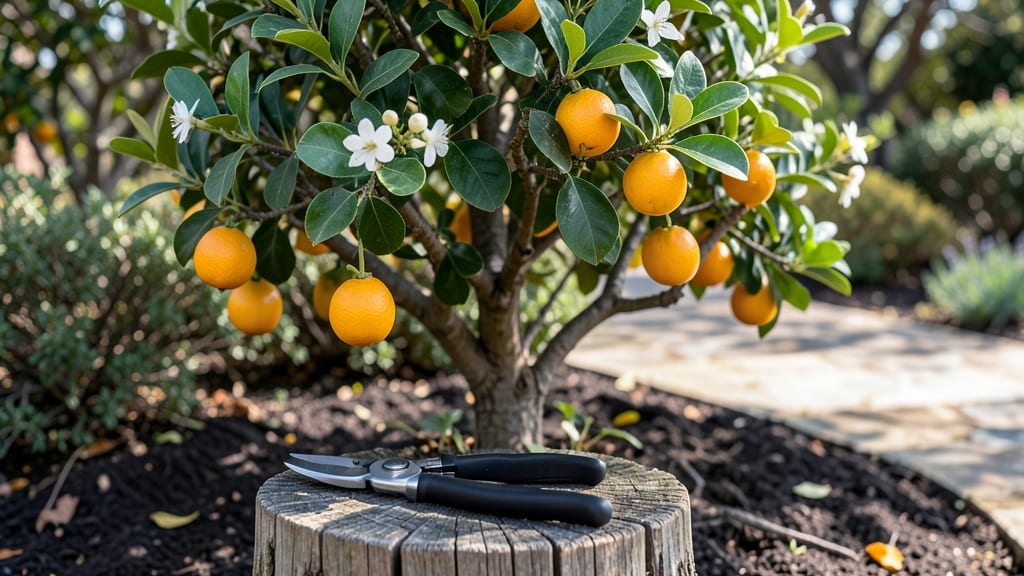
Pruning a kumquat tree isn’t just about shaping—it’s the key to unlocking bigger fruit, denser foliage, and a tree that fits your space without sacrificing productivity.
I learned this the hard way after letting my first kumquat grow wild, its branches sprawling into the neighbor’s yard while its fruit shrank to pea size. The right cuts at the right time turn a scraggly shrub into a compact, fruit-bearing powerhouse.
You’ll need just three basic tools: sharp bypass pruners for clean cuts, a small hand saw for thicker branches, and rubbing alcohol to sterilize tools between cuts (trust me, this prevents disease spread). The real secret?
Timing—light pruning after harvest in late winter and heavier shaping in early spring, when the tree’s energy shifts from dormancy to growth. Over the years, this routine has turned my kumquat from a neglected corner plant into the most reliable citrus producer in the neighborhood.
The payoff comes in summer, when branches heavy with bright orange fruit hang just within reach, and the tree’s shape stays tidy enough to enjoy from your patio. You’ll also notice fewer leggy branches and more blossoms—signs the tree is directing energy where you want it.
This method works for both dwarf varieties in containers and standard trees in the ground, though container-grown kumquats need slightly more frequent pruning to control size.
Fair warning: kumquats are stubborn about heavy pruning, so never remove more than one-third of the foliage in a single session. And skip pruning during flowering or fruiting—those cuts reduce next year’s harvest. Start small, observe how the tree responds, and adjust your approach each season.
The first year might feel like guesswork, but by year three, you’ll have a system that works perfectly for your climate and tree.
📚 In This Guide
- What you need
- Instructions
- Tips and common mistakes
- Wrapping up and next steps
What you need
- ● Pruning shears – Bypass pruners (sharp, clean, and sized for small branches, ~4-6 inches). Avoid anvil pruners—they can crush stems.
- ● Hand pruners or loppers – For thicker branches (up to 1.5 inches in diameter). Look for ratcheting loppers for extra leverage.
- ● Sterilizing solution – 70% isopropyl alcohol or a 10% bleach solution (1 part bleach to 9 parts water) to disinfect tools between cuts.
- ○ Pruning sealant (optional but helpful) – Tree wound sealant (like Tanglefoot Tree Wound Pruning Seal) to coat larger cuts and prevent disease.
- ● Gloves – Garden gloves (nitrile-coated for grip and protection from thorns or sap).
- ● Disposable pruning bags or bucket – To collect and dispose of pruned branches (helps keep your workspace tidy!).
- ● Ladder or step stool – If your tree is taller than 6 feet. Ensure it’s stable and non-slip.
- ● Sharpie or marker – To label branches you plan to prune later.
- ● Hose or spray bottle – For rinsing tools or cleaning sap off branches.
- ● Compost bin – To recycle small pruned branches as mulch.
- ● Safety glasses – If your kumquat tree has thorns or you’re working near your eyes.
- ● Notebook or app – To sketch a simple pruning map of your tree’s structure before and after.
Step-by-Step instructions for pruning a kumquat tree
Here’s how to shape your kumquat tree for better fruit and airflow—no fancy tools needed.
Prune in Late Winter for New Growth
Timing matters most with kumquats. Wait until late February or early March after the last frost but before buds swell. This is when the tree is dormant but ready to burst into growth. You’ll notice the branches are bare and the bark feels firm—not soft or sticky.
Start by removing any dead, diseased, or crossing branches first. These are easy to spot—they’re brown, brittle, or growing inward. Cut them back to the main trunk or a healthy outward-facing bud. Use clean, sharp pruners to avoid tearing the bark, which invites pests.
Next, trim back any overly long branches by about one-third to encourage bushier growth. Focus on branches that are growing toward the center of the tree, as these block sunlight and air circulation. Leave at least three to four main branches to maintain the tree’s structure.
Shape the Tree for Airflow and Sunlight
Kumquats thrive when they get plenty of sunlight and air moving through their branches. Step back and look at your tree—imagine sunlight streaming in from all sides. You want an open, rounded shape, not a dense, tangled mess.
Prune to create a rounded canopy by cutting back branches that grow too upright or sprawl outward too much. Aim to keep the tree’s width roughly equal to its height. For smaller trees, you can shape them into a small tree form, while larger ones benefit from a more open vase shape to allow light to reach the center.
If you notice water sprouts—those fast-growing, weak shoots—snip them off at the base. These sap-suckers drain energy from the tree and don’t produce fruit. A light touch here keeps your kumquat focused on bearing fruit, not just growing leaves.
Lightly Prune After Harvesting
After the fruit harvest in fall or early winter, give your kumquat a light trim to tidy up and encourage next year’s growth. This isn’t a heavy pruning—just a chance to remove any suckers, dead wood, or branches that rub against each other.
Focus on thinning out crowded areas so air can circulate freely. You’ll see where branches overlap or touch—these spots can trap moisture and lead to fungal issues. Cut back any branches that are growing inward or downward, as they won’t contribute much to the tree’s structure or fruit production.
This light pruning also helps the tree prepare for dormancy and ensures it doesn’t put too much energy into late-season growth that won’t harden off before winter. Think of it as a final touch-up before the tree rests.
Sanitize Tools and Monitor Growth
After pruning, clean your tools with rubbing alcohol or a bleach solution to prevent spreading disease. Wipe down the blades of your pruners and shears thoroughly—this step is often skipped but critical for keeping your tree healthy.
Once pruning is done, keep an eye on how the tree responds. Within 4-6 weeks, you should see new buds forming along the branches you trimmed. If you notice too many leafy shoots with few flowers, it’s a sign the tree needs more sunlight or a slightly harder prune next time.
Water deeply after pruning to help the tree recover, but avoid overwatering. The roots need time to adjust, and soggy soil can lead to root rot. A good soak once a week is plenty unless your area is experiencing extreme heat.
Tips & tricks for perfect kumquat tree pruning
These practical insights will help you maintain a healthy, fruit-bearing kumquat tree with minimal effort.
Timing is Everything: The late February to early March window in Step 1 is critical because this is when the tree is fully dormant but just starting to prepare for spring growth. If you prune too early, you risk exposing fresh growth to late frosts. If you wait too long, you'll cut off potential fruit buds that have already formed. I've learned this the hard way after seeing my first kumquat tree bloom poorly after a late prune.
Branch Selection Matters: When trimming back those overly long branches by one-third in Step 1, focus on removing the oldest wood first. Look for branches that are thicker and have more mature bark—they're the ones that have been bearing fruit for years. By removing these selectively, you encourage younger, more vigorous branches to take their place. This creates a natural renewal cycle that keeps your tree productive for decades.
Water Sprout Watch: Those fast-growing water sprouts mentioned in Step 2 might seem harmless, but they're actually energy vampires for your kumquat. I've seen trees completely overwhelmed by these shoots, producing nothing but leaves while fruit production drops dramatically. The key is to remove them as soon as you spot them—don't wait until they become thick and woody. A quick snip at the base is all it takes to redirect that energy toward fruit production.
Pro Tips for Pruning A Kumquat Tree
- These practical insights will help you maintain a healthy, fruit-bearing kumquat tree with minimal effort.
- Timing is Everything: The late February to early March window in Step 1 is critical because this is when the tree is fully dormant but just starting to prepare for spring growth.
- Branch Selection Matters: When trimming back those overly long branches by one-third in Step 1, focus on removing the oldest wood first.
Frequently asked questions
Got questions about pruning your kumquat tree? You’re not alone! Here are some of the most common concerns—plus clear, actionable answers to keep your tree thriving.
When is the best time to prune a kumquat tree?
The ideal time is late winter or early spring (just before new growth starts) or right after harvest in late fall. Avoid heavy pruning in summer—it stresses the tree and can reduce fruit production. Light shaping trims can happen year-round, but major cuts should wait for dormant seasons.
How much can I trim back my kumquat tree?
For young trees, you can remove up to 30% of the foliage to encourage bushier growth. Mature trees should only need 10–20% pruning annually to maintain shape and airflow. Never prune more than 25% at once, or you risk shock or poor fruiting. Think of it like a haircut—gradual adjustments work best!
Will pruning reduce my kumquat harvest?
Not if done correctly! Pruning improves fruit quality by focusing energy on fewer, healthier branches. However, over-pruning (especially in summer) can stress the tree and cut yields. Prioritize removing dead, diseased, or crossing branches first—they’re the biggest culprits for low production.
What should I do if my kumquat tree looks sad after pruning?
Don’t panic! Yellowing leaves or slow regrowth are normal for a few weeks. To help, water deeply and fertilize lightly with citrus-specific food. Avoid pruning again until new growth appears. If the tree stays weak, check for pests (like aphids) or root issues—sometimes the problem isn’t the trim itself.
Can I prune a kumquat tree without sharp tools?
While you can use dull shears, sharp, sterilized tools (like bypass pruners or a saw for thick branches) make cleaner cuts that heal faster. Ragged edges invite disease, so invest in quality tools. If you’re using scissors or hedge clippers, disinfect them with rubbing alcohol between cuts to prevent bacterial spread.
Wrapping up and next steps
Pruning your kumquat tree is like giving it a well-deserved spa day—it keeps it healthy, compact, and bursting with sweet-tart fruit! 🌿 With the right tools, timing, and technique, you’ll transform your tree into a thriving, low-maintenance citrus powerhouse.
Now that you’re armed with expert tips, grab those shears and get pruning!
Ready for the next step? Once your kumquat is perfectly shaped, fertilize and water it to reward its new growth. Or, if you’re feeling adventurous, explore grafting techniques to expand your citrus collection! 🍊✨