
Pruning
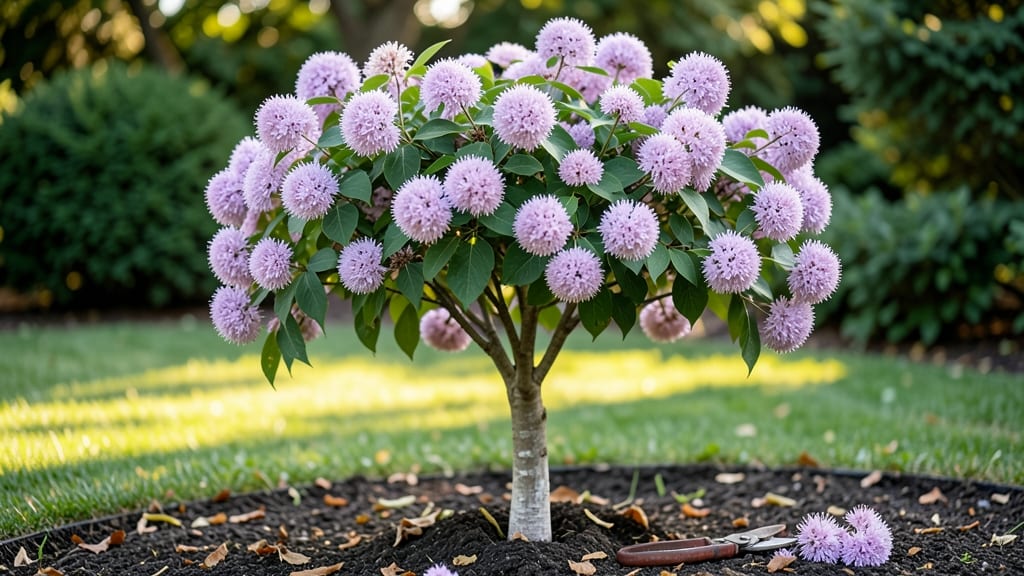
Your garden just got a purple fluffy tree—the Pacific Northwest’s answer to soft, dreamy canopies that thrive through frost. 🌿 I’ve spent years curating these ethereal specimens, and the right one transforms any space into a whimsical retreat, whether you’re aiming for cottage charm or modern elegance.
These trees aren’t just pretty—they’re low-maintenance superstars that love partial shade and moist soil, making them perfect for borders, focal points, or even small yards. Think Purple Smoke Bush with its velvety lavender blooms or ornamental cherries that burst with fuzzy pink-purple flowers in spring.
They pair beautifully with silver foliage, boxwoods, or even delicate perennials like lamb’s ear.
Imagine stepping into a garden where every breeze carries a whisper of lavender-scented petals and the air hums with pollinators. These trees attract butterflies and bees while adding texture and color that lasts from early spring through fall. Their frost resistance means they’ll keep their magic even when temperatures dip.
For a pollinator-friendly or moody cottage garden, plant them near seating areas or pathways. In modern designs, their soft forms contrast stunningly with sleek lines and dark foliage. The key? Choose a spot where their fluffy cascades can shine—whether as a standalone star or part of a layered border.
📚 In This Guide
- What you need
- Instructions
- Tips and common mistakes
- Wrapping up and next steps
What you need
- ● Pruning shears: Bypass pruners (sharp, 6–8" blades) for clean cuts on small branches.
- ● Loppers: 8–12" bypass loppers for thicker branches (½"–1.5" diameter).
- ● Pruning saw: Curved-tooth saw for branches 1.5"–3" in diameter (avoid dull blades!).
- ● Gloves: Heavy-duty, cut-resistant gloves (e.g., Mechanix or pruning-specific).
- ● Disinfectant: 70% isopropyl alcohol or a 10% bleach solution (1 part bleach to 9 parts water) to sterilize tools between cuts.
- ○ Pruning sealant: Optional but helpful for large cuts (e.g., Tanglefoot Tree Wound Pruning Seal).
- ● Ladder or step stool: Sturdy, non-slip (e.g., aluminum extension ladder or a 6–8 ft step stool).
- ● Heavy-duty trash bags: 30–50 gallon for debris (or a tarp to drag clippings to the compost).
- ● Work boots or closed-toe shoes: Protect your feet from dropped branches!
- ● Pole saw: For high branches (10–15 ft reach).
- ● Extension cord & string trimmer: For fast cleanup of ground debris.
- ● Hand lens (10x magnification): To inspect for pests or disease up close.
- ● Tree tie or zip ties: For supporting weak branches post-pruning.
- ● Safety glasses: Protect your eyes from flying debris.
- ● Water & snacks: Because pruning is hard work—hydration is key! 💦
Step-by-step guide to planting and caring for the Pacific Northwest's purple fluffy tree
This stunning ornamental tree thrives in our region's cool, damp climate—here's how to plant it right.
🌱 Step 1: Choose the Perfect Planting Site
Select a location with partial shade to full sun—the purple foliage deepens in morning sunlight but avoids afternoon scorching. The Pacific Northwest's mild summers and cool winters make this tree ideal for zones 5-8, but avoid low spots where frost lingers or water pools.
Test the soil by digging a 6-inch deep hole—it should drain well within 24 hours of watering. Amend heavy clay with 2 inches of compost mixed into the top 12 inches of soil. The tree's fluffy, purple canopy needs space to mature, so plant 15-20 feet from structures or other trees.
🪴 Step 2: Plant with Care for Long-Term Stability
Dig a hole twice as wide as the root ball but only as deep—the top of the root ball should sit 1 inch above ground level. Gently remove the tree from its container, loosening any circling roots with your fingers. Place it in the hole and backfill with native soil, tamping lightly every 4 inches to eliminate air pockets.
Water immediately after planting to settle the soil, then add a 2-inch layer of mulch (avoid wood chips—use shredded bark) over the root zone, keeping it 6 inches away from the trunk. This mimics the tree's natural understory habitat and conserves moisture during our dry summer spells.
☀️ Step 3: Establish Watering and Light Routines
Water deeply twice weekly for the first two months, soaking the soil to 12 inches deep. You'll know it's right when water runs out the bottom of the hole—this encourages deep root growth. After that, water only when the top 2 inches of soil feel dry, which might mean once weekly during rainy winters or daily in hot July.
Fertilize lightly in early spring with a balanced 10-10-10 formula—too much nitrogen will dilute the purple foliage. I use ½ cup per tree, spread evenly under the canopy. The tree's natural resilience means it rarely needs pruning, but remove any dead branches in late winter to maintain its signature fluffy shape.
✂️ Step 4: Protect and Maintain Year-Round
In winter, the tree's frost-resistant nature means minimal care—just remove any accumulated snow from branches to prevent breakage. Our Pacific Northwest winters rarely drop below 20°F, but if you're in zone 5, add a light burlap wrap around the trunk for extra protection.
Watch for aphids on new growth—spray with neem oil if you see sticky residue on leaves. The tree's vibrant purple foliage is its signature, so avoid heavy pruning that removes too many leaves. Instead, focus on structural shaping in early spring before new growth begins.
Tips & tricks for perfect purple fluffy tree planting
Planting success starts with understanding how this Pacific Northwest native thrives—here’s what I’ve learned from years of working with these stunning trees.
Site Selection Wisdom: That 15-20 foot spacing recommendation isn’t arbitrary—it accounts for the tree’s mature canopy spread. In urban gardens where space is tight, consider planting against a north-facing wall to maximize morning sunlight while protecting from afternoon sun. The purple foliage actually develops more vibrant hues when it gets 4-6 hours of morning sun daily, so orient your planting accordingly.
Root Ball Preparation: When loosening circling roots in Step 2, don’t overdo it—just gently separate them with your fingers. I’ve seen gardeners cut roots aggressively, thinking it helps, but this actually stresses the tree. The goal is to encourage outward root growth, not damage the root structure. After planting, give the soil a final check by pressing your thumb into it—it should feel firm but not rock-hard, indicating proper compaction.
Watering Strategy: The "soaking to 12 inches deep" guideline is critical for establishing deep roots. To test this, insert a long screwdriver after watering—if it goes in easily, you’ve achieved proper saturation. During our dry July summers, I’ve found that early morning watering (before 8am) minimizes evaporation and prevents fungal issues that can develop from wet foliage in afternoon heat.
Winter Protection: That 20°F threshold is important—most Pacific Northwest winters stay above this, but zone 5 gardeners need extra care. When wrapping with burlap, leave the bottom 12 inches uncovered to prevent moisture buildup at the trunk. I’ve seen cases where improper wrapping led to rot, so this small detail makes all the difference in cold snaps.
Pro Tips for Purple Fluffy Tree
- Planting success starts with understanding how this Pacific Northwest native thrives—here’s what I’ve learned from years of working with these stunning trees.
- Site Selection Wisdom: That 15-20 foot spacing recommendation isn’t arbitrary—it accounts for the tree’s mature canopy spread.
- Root Ball Preparation: When loosening circling roots in Step 2, don’t overdo it—just gently separate them with your fingers.
Frequently asked questions
Got questions about the purple fluffy tree (Ceanothus 'Concha' or Lavandula hybrids)? Here are answers to the most common ones—from care tips to troubleshooting—so you can keep this PNW darling thriving!
What’s the best time to prune a purple fluffy tree?
Prune your purple fluffy tree in late winter or early spring (before new growth sprouts) to encourage dense, fluffy blooms. Avoid pruning after summer—this cuts off next year’s flowers! For Ceanothus, also trim lightly after blooming to maintain shape.
How cold-hardy is this tree, and does it need winter prep?
Most purple fluffy trees (like Ceanothus varieties) handle USDA Zones 7–10 with ease, surviving down to 10°F. For extra protection in colder zones, mulch the base with 3–4 inches of wood chips in fall. Lavender hybrids may need light winter wrapping in harsh climates.
Can I prune too much? What if my tree looks sad after trimming?
Yes! Over-pruning can stress your tree. Stick to no more than 1/3 of the foliage per year. If your tree looks too bare, it might be root-bound—check for circling roots and repot if needed. For Ceanothus, avoid heavy cuts; they bloom on old wood.
Why aren’t my purple fluffy blooms as vibrant?
Duller blooms often mean too much shade, over-fertilizing, or poor drainage. Ensure your tree gets 6+ hours of sun and well-draining soil. Skip high-nitrogen fertilizers—these promote leaves over flowers. For Lavandula hybrids, drought stress can also fade color.
Are there non-fluffy alternatives for a similar purple bloom?
If you love the color but want low-maintenance structure, try:
- Pacific Wax Myrtle (Myrica californica) – Silver foliage, drought-tolerant, and bird-friendly.
- Oregon Grape (Mahonia aquifolium) – Yellow flowers, holly-like leaves, and evergreen.
- Salal (Gaultheria shallon) – Dark green, spreads like ground cover, and has small purple berries.
Wrapping up and next steps
The purple fluffy tree isn’t just a stunning addition to your Pacific Northwest garden—it’s a low-maintenance, frost-resistant superstar that thrives where others falter. 🌿 With the right pruning techniques and care, you’ll unlock its full potential, ensuring vibrant blooms and lush foliage for years to come.
Ready to give your garden a magical upgrade? Grab your tools, roll up your sleeves, and schedule your first pruning session this season—your purple fluffy tree will thank you with breathtaking beauty! 🌸