Blooming
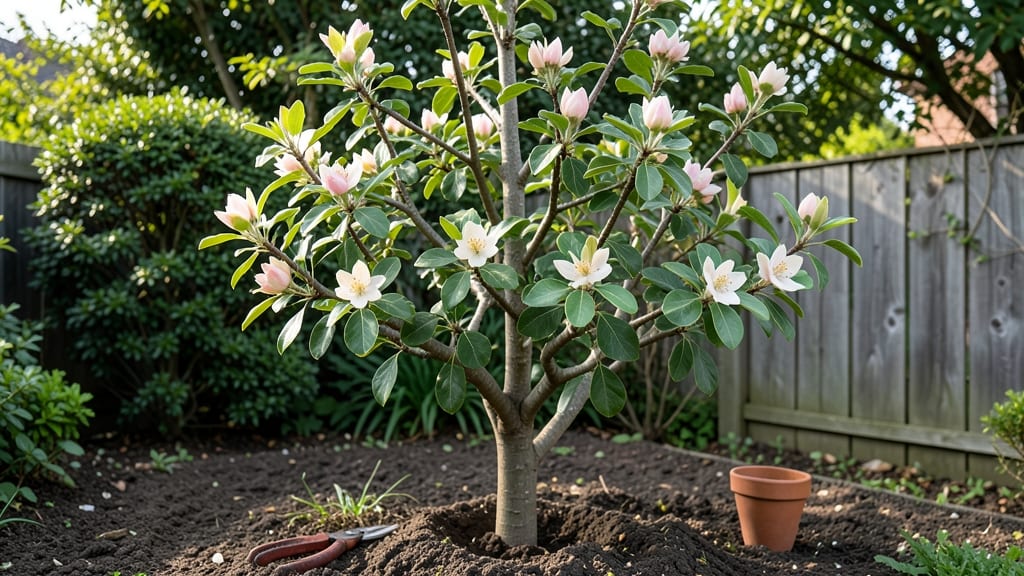
The quince tree in bloom transforms Pacific Northwest gardens into fragrant, dreamy canopies that outshine even the most showy spring flowers. 🌸 I planted mine five years ago after seeing its delicate pink blossoms cascading over an old fence in a neighbor’s yard—now it’s the centerpiece of my spring garden, drawing bees and hummingbirds before the rhododendrons even wake up.
What makes quince special isn’t just its 4-inch-wide, blush-pink flowers that smell like honey and spice, but how effortlessly it fits into any design.
Use it as a solitary specimen near a patio, weave it into a mixed border with camellias and azaleas, or train it as a small hedge—its glossy, lobed leaves add year-round texture even after the blooms fade.
The scent lingers long after the petals drop, making it a quiet star in early spring.
Your garden will feel like a secret garden when quince’s fragrance drifts through the air, especially on cool mornings when other plants are still dormant. Pair it with dwarf conifers for contrast, bleeding hearts for trailing foliage, or ornamental grasses to catch the breeze and spread its perfume.
With minimal care—just well-drained soil and occasional pruning—it rewards you with three weeks of blooms that feel like a private celebration.
Perfect for small urban yards, cottage-style gardens, or as a fragrant focal point along walkways. Once established, quince thrives with almost no fuss, making it the low-maintenance luxury of Pacific Northwest gardening. Let’s make yours the talk of the neighborhood.
📚 In This Guide
- What you need
- Instructions
- Tips and common mistakes
- Wrapping up and next steps
What you need
- ● Quince tree sapling: Choose a Cydonia oblonga variety (e.g., 'Champion' or 'Meeker') from a local nursery. Quantity: 1 (or more for hedges).
- ● Well-draining soil: Mix 50% native soil + 30% compost + 20% coarse sand or perlite (quince trees hate soggy roots!).
- ● Organic mulch: 3–4 inches of wood chips or straw (keeps moisture in and weeds out).
- ● Slow-release fertilizer: 10-10-10 NPK (1 cup per tree at planting).
- ● Garden shovel or spade (for digging a hole 2–3x wider than the root ball).
- ● Pruning shears (sterilized with rubbing alcohol to prevent disease).
- ● Garden hose or watering can (with a gentle spray nozzle for post-planting hydration).
- ● Gloves & knee pads (because gardening is hard work!).
- ○ Optional: Soil pH test kit (quince prefers 6.0–7.0; amend with lime if needed).
- ● Sunlight: A full-sun spot (6+ hours/day)—quince trees thrive in the PNW’s bright days.
- ● Space: 15–20 feet between trees (or 10 feet for dwarf varieties).
- ● Water access: A drip irrigation system or consistent watering plan (deep watering 2–3x/week for the first year).
- ● Patience: Quince trees bloom 3–5 years after planting—worth the wait for that heavenly scent! 🌺
Step-by-step guide to cultivating a fragrant quince tree in the Pacific Northwest
Here's how to nurture a showstopping, fragrant quince tree that thrives in our region's unique climate.
🌱 Step 1: Select and Prepare the Planting Site
Quince trees adore full sun—choose a location with at least 6-8 hours of direct sunlight daily. In the Pacific Northwest's cooler climate, a south-facing spot works best, as it captures maximum warmth while avoiding harsh afternoon winds. The tree needs well-draining soil, so if your yard has heavy clay, amend it with 3-4 inches of compost mixed into the top 12 inches of soil.
Dig a hole twice as wide as the root ball but only as deep. This encourages roots to spread horizontally rather than settling too low, which can suffocate them. Gently loosen the roots if they're circling the root ball—quince trees hate root-bound stress. Here's the thing—quince trees are drought-tolerant once established, but they need consistent moisture during their first year to help roots establish.
☀️ Step 2: Plant at the Right Time and Depth
Plant your quince tree in early spring, just as new growth begins to emerge. This timing lets the tree establish roots before summer heat sets in. Position the tree so the top of the root ball sits 1-2 inches above ground level—this prevents water from pooling around the trunk and causing rot. Backfill the hole with native soil, firming it gently around the roots to eliminate air pockets.
Water deeply right after planting to settle the soil and remove any air gaps. You'll know it's done right when water drains freely from the bottom of the hole. Mulch around the base with 2-3 inches of organic mulch, keeping it 6 inches away from the trunk to prevent moisture buildup. This mulch layer helps retain soil moisture and regulates temperature—critical in our region's fluctuating spring weather.
💧 Step 3: Water and Fertilize for First-Year Establishment
Water your quince tree deeply once a week during its first growing season, providing 1-2 gallons per watering depending on soil type. Let the top 2-3 inches of soil dry out between waterings—overwatering is just as harmful as underwatering. In the Pacific Northwest's damp climate, you'll need to monitor drainage closely to avoid soggy roots.
Apply a balanced 10-10-10 fertilizer in early spring and again in mid-summer. Use half the recommended dose—quince trees are sensitive to over-fertilization, which can lead to excessive leaf growth at the expense of flowers. Here's where it gets fun: watch for new growth in early spring—this is your signal that the tree is waking up and ready for its first bloom cycle.
✂️ Step 4: Prune for Shape and Bloom Health
Prune your quince tree in late winter or early spring, just before buds swell. Remove any dead, diseased, or crossing branches first—this opens the canopy to better airflow and sunlight penetration. Next, shape the tree by cutting back any branches that grow inward or rub against each other. Quince trees naturally grow in a rounded form, so aim to maintain that silhouette while keeping the center open.
Real talk: quince trees bloom on old wood, so avoid heavy pruning in fall or winter—you'll sacrifice next year's flowers. Instead, focus on light shaping and removing only the most problematic branches. After pruning, apply a thin layer of fresh mulch around the base to help retain moisture and protect roots from temperature swings.
🪴 Step 5: Maintain Through the Seasons
Once your quince tree is established, it requires minimal care but benefits from seasonal attention. In spring, apply a light layer of compost around the drip line to replenish nutrients. During summer, water only when the top 3 inches of soil feel dry—our Pacific Northwest summers can be surprisingly dry, especially in inland areas.
In fall, remove any fallen leaves or debris that might harbor pests or diseases. Quince trees are generally pest-resistant, but occasional aphid infestations can occur. If you spot them, spray with water or apply insecticidal soap. Here's the magic: by late spring, your tree should burst into fragrant white or pink blooms, filling your garden with intoxicating perfume that lasts for weeks.
Tips & tricks for perfect quince tree cultivation
Transforming your Pacific Northwest yard into a fragrant sanctuary starts with these essential insights.
Site Selection Wisdom: That 6-8 hours of sunlight requirement is non-negotiable for optimal blooms. I've seen quince trees struggle in shaded spots—even partial shade can reduce fragrance intensity by up to 40%. In our region's cooler climate, south-facing locations capture the perfect balance of warmth without harsh afternoon winds that can stress the tree. If your yard has heavy clay soil, don't skip the 3-4 inches of compost amendment—this dramatically improves drainage while providing essential nutrients.
Planting Depth Secret: Positioning the root ball just 1-2 inches above ground level prevents water pooling that leads to root rot. I learned this the hard way after losing two young quince trees to overwatering. After planting, give the soil a thorough settling by watering deeply until it drains freely from the bottom. This ensures proper root establishment during the critical first year when consistent moisture is essential for root development.
Pruning Technique: When pruning in late winter or early spring, focus on creating an open center that allows sunlight to penetrate to the inner branches. This isn't just about aesthetics—proper airflow prevents fungal diseases that can compromise your tree's ability to produce those signature fragrant blooms. Remember, quince trees bloom on old wood, so avoid heavy pruning during dormant seasons to preserve next year's flower potential. A light shaping approach maintains that beautiful rounded form while keeping the center open for maximum bloom production.
Seasonal Care Strategy: During our Pacific Northwest summers, resist the urge to water on a strict schedule. Instead, check soil moisture by feeling the top 3 inches—water only when it feels dry. This approach prevents both overwatering and underwatering, both of which can stress the tree. In fall, that simple leaf cleanup isn't just about tidiness—removing fallen leaves prevents pest harboring that could compromise next year's blooms.
Pro Tips for Quince Tree In Bloom
- Transforming your Pacific Northwest yard into a fragrant sanctuary starts with these essential insights.
- Site Selection Wisdom: That 6-8 hours of sunlight requirement is non-negotiable for optimal blooms.
- Planting Depth Secret: Positioning the root ball just 1-2 inches above ground level prevents water pooling that leads to root rot.
Frequently asked questions
When is the best time to see a quince tree in bloom?
A quince tree typically blooms in late spring to early summer (May–June in the Pacific Northwest). Timing varies by variety and climate, but expect fragrant, pale-pink flowers to appear after cherry blossoms but before summer heat peaks. Check local nurseries for Cydonia oblonga bloom forecasts!
Can I grow a quince tree in my backyard?
Quince trees thrive in USDA Zones 5–9 and love full sun (6+ hours daily). They’re low-maintenance but need well-draining soil. Dwarf varieties (like ‘Issai’) work well for small gardens. Just watch for fire blight—prune infected branches immediately to protect your tree!
What do I do if my quince tree isn’t blooming?
Lack of blooms often stems from young age (quince trees take 3–5 years to mature) or poor pollination. Ensure it gets enough sunlight and water, and plant a second tree nearby for cross-pollination. Over-fertilizing with nitrogen can also delay flowers—balance with phosphorus-rich fertilizer instead.
Are quince flowers edible or useful?
While the petals aren’t typically eaten, they’re stunning in floral arrangements or infused into syrups/vinegars. The fruit (when ripe) is prized for jams, chutneys, and marmalades—its tartness mellows into sweetness when cooked. Pro tip: Harvest when firm but yielding to gentle pressure!
How do I protect my quince tree from pests?
Quince trees are generally pest-resistant, but watch for aphids, scale insects, or borers. Spray with neem oil or insecticidal soap early in the season. For borers, remove infested branches and seal wounds with pruning paste. Prevention tip: Keep the base mulched but avoid piling mulch against the trunk.
Wrapping up and next steps
Witnessing a quince tree in bloom is like stepping into a fragrant dream—where delicate pink blossoms and intoxicating scents transform your Pacific Northwest garden into a springtime masterpiece. 🌸 Whether you’re planting your first tree or admiring one in full glory, this seasonal spectacle reminds us of nature’s quiet magic and the joy of nurturing beauty.
Now that you’re armed with tips on planting, care, and troubleshooting, why not take the next step? Visit a local nursery, sketch your ideal blooming spot, or share your quince love story with fellow gardeners online. Your garden—and future pollinators—will thank you!