
Pruning
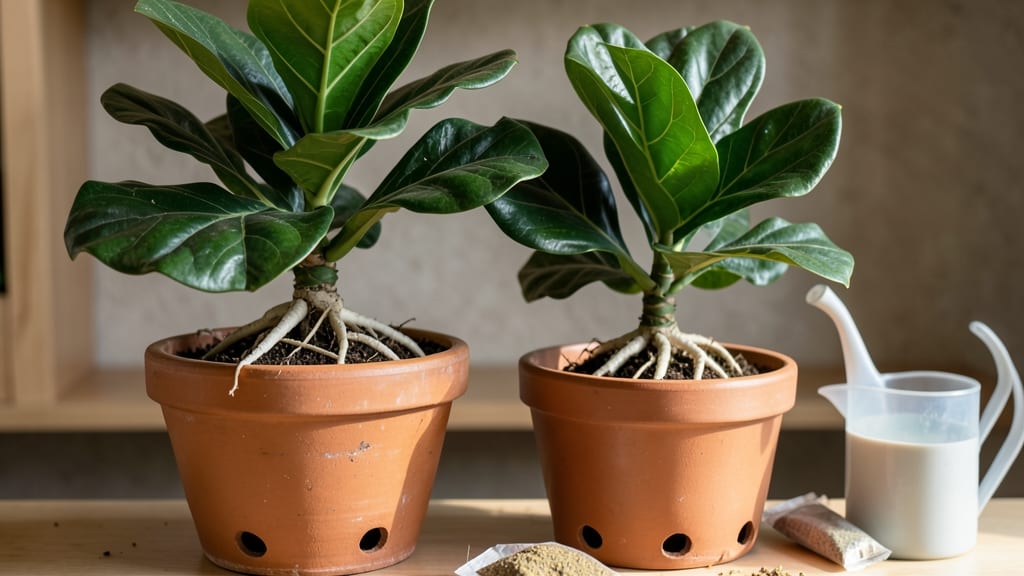
Repotting your ficus tree isn’t just about fitting it into a bigger pot—it’s the key to unlocking that thicker, bushier growth you’ve been waiting for. 🌿 I’ve repotted dozens over the years, and the difference between a stressed, leggy plant and a sturdy, vibrant one comes down to timing, technique, and a little extra care.
The right approach turns what feels like a risky chore into a simple routine that pays off in lush new branches.
You’ll need just three essentials: a pot 2-3 inches wider than the current one, fresh well-draining potting mix, and a sharp pair of pruners for any dead roots or branches.
The secret? Minimizing root disturbance—ficus trees hate having their roots jostled, so we’ll handle it gently, like moving a delicate houseplant. This method works for both smaller varieties like Ficus benjamina and larger specimens like Ficus elastica, though bigger trees need extra support during the process.
After repotting, your ficus will reward you with faster growth and fuller foliage—sometimes within just 4-6 weeks. You’ll notice new shoots forming at the base, and the leaves will stay a rich, glossy green instead of yellowing or dropping.
The trick is keeping it in a bright, indirect spot for the first two weeks and watering only when the top inch of soil feels dry. No more guesswork—just consistent, stress-free care that builds resilience.
This technique works year-round, but spring and early summer are ideal because the warmer weather helps roots establish faster. Whether you’re dealing with a root-bound sapling or a mature tree that’s outgrown its home, the same principles apply.
Let’s get your ficus thriving in its new space—without the usual post-repotting drama.
📚 In This Guide
- What you need
- Instructions
- Tips and common mistakes
- Wrapping up and next steps
What you need
- ● New pot: Choose a container 1-2 inches wider than the current one, with drainage holes. Terracotta or ceramic (for better airflow) or plastic (for moisture retention).
- ● Well-draining potting mix: A blend of 50% peat moss or coco coir, 30% perlite or pumice, and 20% sand or orchid bark. Avoid garden soil—it compacts and suffocates roots! 🚫
- ○ Root stimulator (optional but helpful): A fungicide (like Mycorrhizal fungi) or rooting hormone to encourage healthy regrowth.
- ● Gloves: Protect your hands from soil and potential irritants (ficus sap can be mild but sticky!).
- ● Trowel or small shovel: For gently loosening roots and transferring soil.
- ● Watering can or hose: With a gentle spray nozzle for post-repotting hydration.
- ● Mulch or bark chips: For the top layer to retain moisture and add aesthetics.
- ● Support stake or cage: If your ficus is tall or top-heavy, secure it temporarily to prevent tipping.
- ● Pruning shears (sterilized): For trimming only if you notice severely damaged roots.
- ● Plant food: A balanced liquid fertilizer (like 10-10-10) to give your ficus a nutrient boost after repotting.
Step-by-Step guide for repotting ficus trees
Here's my foolproof method to refresh your ficus without shocking the roots.
🪴 Step 1: Choose the Right Pot and Timing
Select a container that's 2-3 inches wider than the current root ball to give roots room to expand without overwhelming the plant. Ficus trees grow best when repotted every 2-3 years, so aim for spring or early summer when temperatures stay mild and new growth begins. Avoid repotting during winter dormancy—your ficus will struggle to recover from the double stress.
I always check for root-bound conditions first by gently removing the plant from its current pot. If you see a dense mass of roots circling the bottom or protruding from drainage holes, it's time to upgrade. The new pot should have drainage holes—ficus roots rot quickly in soggy soil. I prefer terracotta for its breathability, but plastic works too if you're careful with watering.
🌱 Step 2: Prepare the Plant and New Container
Water your ficus 2-3 days before repotting to encourage the roots to spread slightly. This reduces transplant shock when you move it. While the plant is dormant, carefully remove it from its current pot by pressing along the inner edges. If the roots are tightly bound, gently tease them apart with your fingers—never force it, or you'll damage the delicate feeder roots.
Next, fill the bottom 1-2 inches of the new pot with fresh, well-draining potting mix. I use a blend of 50% potting soil and 50% perlite or orchid bark to prevent compaction. Moisten the mix lightly with water until it's damp but not soggy. This ensures the roots won't dry out immediately after repotting.
💧 Step 3: Transplant and Settle the Roots
Place your ficus in the new pot and fill the remaining space with the prepared mix, pressing down gently as you go. The goal is to eliminate air pockets while keeping the soil loose enough for roots to penetrate. I like to use a chopstick or pencil to poke holes in the soil around the edges, then fill them in—this helps roots grow outward instead of circling.
Position the plant at the same depth it was in the old pot. Burying the stem too deep can cause rot, while planting too high stresses the tree. Once settled, give it a thorough watering until water runs freely from the drainage holes. This washes away any air gaps and helps the soil compact naturally around the roots.
☀️ Step 4: Recovery Care for Thicker Growth
After repotting, move your ficus to a spot with bright, indirect light for the first 2-3 weeks. Direct sunlight can scorch new leaves as the plant recovers. You'll notice slower growth at first—that's normal. Ficus trees often drop a few leaves during this adjustment period, but don't panic as long as new buds form within 4-6 weeks.
Water only when the top 1-2 inches of soil feel dry to the touch. Overwatering is the biggest mistake after repotting—it suffocates roots that are still adjusting. I use a moisture meter for the first month to avoid guesswork. Once new growth appears, resume your regular watering schedule, but keep the soil slightly drier than before to encourage stronger root development.
Tips & tricks for repotting ficus trees
Avoid these common pitfalls—and how to sidestep every one—to keep your ficus thriving after repotting.
Root Inspection Tip: In Step 1, when checking for root-bound conditions, look for roots that have grown through drainage holes or are tightly circling the bottom of the pot. These are clear signs your ficus needs a larger container. I use a small trowel to gently loosen any tightly bound roots without damaging them—think of it like untangling a knotted rope. This prevents shock when you transplant.
Soil Mix Strategy: The 50% potting soil and 50% perlite or orchid bark blend in Step 2 is key for preventing compaction. I always sift the mix through a fine mesh screen to eliminate any clumps before adding it to the pot. This ensures even moisture distribution and prevents pockets where roots might suffocate. For extra insurance, I add a handful of worm castings to boost nutrient availability during recovery.
Transplanting Technique: When placing your ficus in the new pot during Step 3, use a chopstick to create small holes around the edges before filling with soil. This encourages roots to grow outward rather than circling. After watering thoroughly, I let the pot sit for 10 minutes before adjusting the plant's position—this allows the soil to settle naturally around the roots.
Recovery Lighting: The bright, indirect light recommendation in Step 4 is critical for the first 2-3 weeks. I place my repotted ficus near an east-facing window where it gets morning sun but no harsh afternoon rays. If you don't have natural light options, a grow light on a timer for 12 hours daily works beautifully. Avoid south-facing windows during summer—the intense light can scorch new growth.
Pro Tips for Repot Ficus Tree
- Avoid these common pitfalls—and how to sidestep every one—to keep your ficus thriving after repotting.
- Root Inspection Tip: In Step 1, when checking for root-bound conditions, look for roots that have grown through drainage holes or are tightly circling the bottom of the pot.
- Soil Mix Strategy: The 50% potting soil and 50% perlite or orchid bark blend in Step 2 is key for preventing compaction.
Frequently asked questions
Got questions about repotting your ficus tree? You’re not alone! Here’s a quick guide to the most common concerns—plus expert tips to keep your plant thriving after the move.
When is the best time to repot a ficus tree?
Repot your ficus in early spring when it’s entering its active growth phase. Avoid repotting during winter dormancy or extreme heat—this gives roots time to recover and minimizes stress. If your plant is root-bound (roots circling the pot), act sooner rather than later!
How often should I repot my ficus?
Young ficus trees (under 3 years) need repotting every 1–2 years, while mature trees can go 2–3 years between repots. Check for signs like roots growing out of drainage holes or soil drying out too quickly—these mean it’s time for a bigger home!
What if my ficus drops leaves after repotting?
Don’t panic! Leaf drop is normal due to transplant shock. Keep your ficus in bright, indirect light and water sparingly (let the top inch of soil dry out). Avoid fertilizing for 4–6 weeks. Most ficus trees bounce back within 2–4 weeks with proper care.
Can I repot a ficus in winter?
It’s not ideal, but if you must, do it in late winter (February) rather than deep winter. Ficus trees grow slowly in cold months, so repotting in winter can cause stress. If your plant is root-bound or diseased, weigh the risks—sometimes a winter repot is necessary for survival.
What’s the best pot size for repotting a ficus?
Choose a pot that’s 2–3 inches larger in diameter than the current one. Too big? The excess soil stays wet, risking root rot. Too small? Your ficus will become root-bound again quickly. Ensure the new pot has drainage holes—ficus trees hate soggy feet!
Do I need to trim roots when repotting?
Only trim circular or overly dense roots to encourage outward growth. Use clean, sharp scissors or shears to snip at a 45-degree angle. Avoid over-trimming—healthy roots help your ficus recover faster. Prune no more than 20–30% of the root ball unless necessary.
Wrapping up and next steps
Repotting your ficus tree doesn’t have to be stressful—it’s a simple way to boost its health and encourage lush, thicker growth! 🌿 With the right tools, timing, and technique, you’ll help your plant thrive for years.
Whether you’re a beginner or a seasoned plant parent, this stress-free method keeps your ficus happy and flourishing.
Ready to give your tree the fresh start it deserves? Pick a new pot, gather your supplies, and schedule your repotting session—your ficus will thank you with vibrant, fuller leaves! 🌱